

Bring All Confidential Reports Into One Secure Place
We’ll assess your needs and recommend the right setup for anonymous reporting or surveys - aligned with your compliance or HR goals.
Legal & Compliance

Alaa El-Shaarawi
Copywriter and Content Manager
Published
2026-04-09
Reading time
11 min
Table of contents
Subscribe to our newsletter

Compliance leaders are under pressure from every direction. Boards want proof, regulators documentation, and employees trust. And somewhere in the middle, fragmented systems and manual processes are quietly working against you.
If you’re evaluating ethics and compliance software right now, chances are you’re not starting from zero. You already have tools in place. A hotline here, a case tracker there, maybe a policy library or training platform layered on top. The challenge isn’t having nothing, but having too many “somethings” that don’t connect.
This guide is built for that reality. It will walk through what a modern ethics and compliance platform actually looks like, how to compare vendors in a meaningful way, and where different solutions stand today. Along the way, we’ll focus on what matters most to compliance leaders trying to build a speak-up culture while staying audit-ready.

The definition of compliance software has changed. It’s no longer just about documenting incidents or ticking regulatory boxes. Today, platforms are expected to support real-time risk visibility, employee trust, and measurable program performance.
Ethics and compliance software should bring together reporting, investigation, analytics, and governance into a single, connected system. That means moving away from siloed tools and toward an integrated view of risk.
This shift is driven by a few hard truths:
If your current setup can’t answer simple questions like “where are our biggest risks emerging?” or “how quickly are we resolving issues?” then it may be time to consider a platform designed for connected insights.
Before comparing platforms, it helps to slow down and look at what’s actually breaking inside most compliance programs. On paper, many organizations appear well-equipped. They have tools, policies, and reporting channels in place.
But when you look closer, the experience is fragmented, reactive, and often difficult to measure. These gaps aren’t always visible in dashboards or reports, yet they shape how effectively risks are identified and addressed.
The table below captures the most common pressure points compliance leaders are trying to solve today.
| Challenge Area | What It Looks Like in Practice |
| Fragmented Technology Stack | Whistleblowing, case management, and training often exist in separate systems. Data is scattered, requiring manual consolidation and reducing visibility into program performance. |
| Low Employee Trust and Reporting Rates | Employees hesitate to report concerns due to fear of retaliation or uncertainty around confidentiality. Underreporting leaves risks hidden until they escalate. |
| Manual Investigation Workflows | Intake, triage, and investigations rely on emails or spreadsheets. Delays and inconsistent documentation create compliance gaps and audit risks. |
| Limited Visibility Into Program Effectiveness | Teams can report on case volumes but struggle to provide trend analysis, resolution efficiency, or root-cause insights. Boards and regulators see outputs, not impact. |
| Evolving Regulatory and Audit Requirements | Compliance obligations like the EU Whistleblowing Directive, SOX, and Dodd-Frank change frequently. Maintaining audit-ready records manually is resource-intensive and error-prone. |
These challenges directly affect risk exposure, employee trust, and organizational reputation.
At a practical level, ethics compliance software is a system designed to help organizations detect, manage, and prevent misconduct while meeting regulatory obligations.
The most effective platforms go further, connecting processes into a continuous loop:
This is where compliance shifts from reactive to proactive. Instead of responding to incidents, teams start identifying patterns early and mitigating risks before they escalate.
When evaluating an ethics and compliance platform, feature lists can quickly become overwhelming. The focus should be on capabilities that directly address your pain points.
A strong whistleblowing hotline with secure, accessible anonymous reporting forms the foundation of any speak-up culture. It must be easy to use, legally compliant across regions, and trusted by employees to encourage higher reporting rates.
Structured workflows support consistent documentation, collaboration, and escalation. These capabilities ensure workplace ethics investigations are handled efficiently, audit-ready, and in line with regulatory requirements.
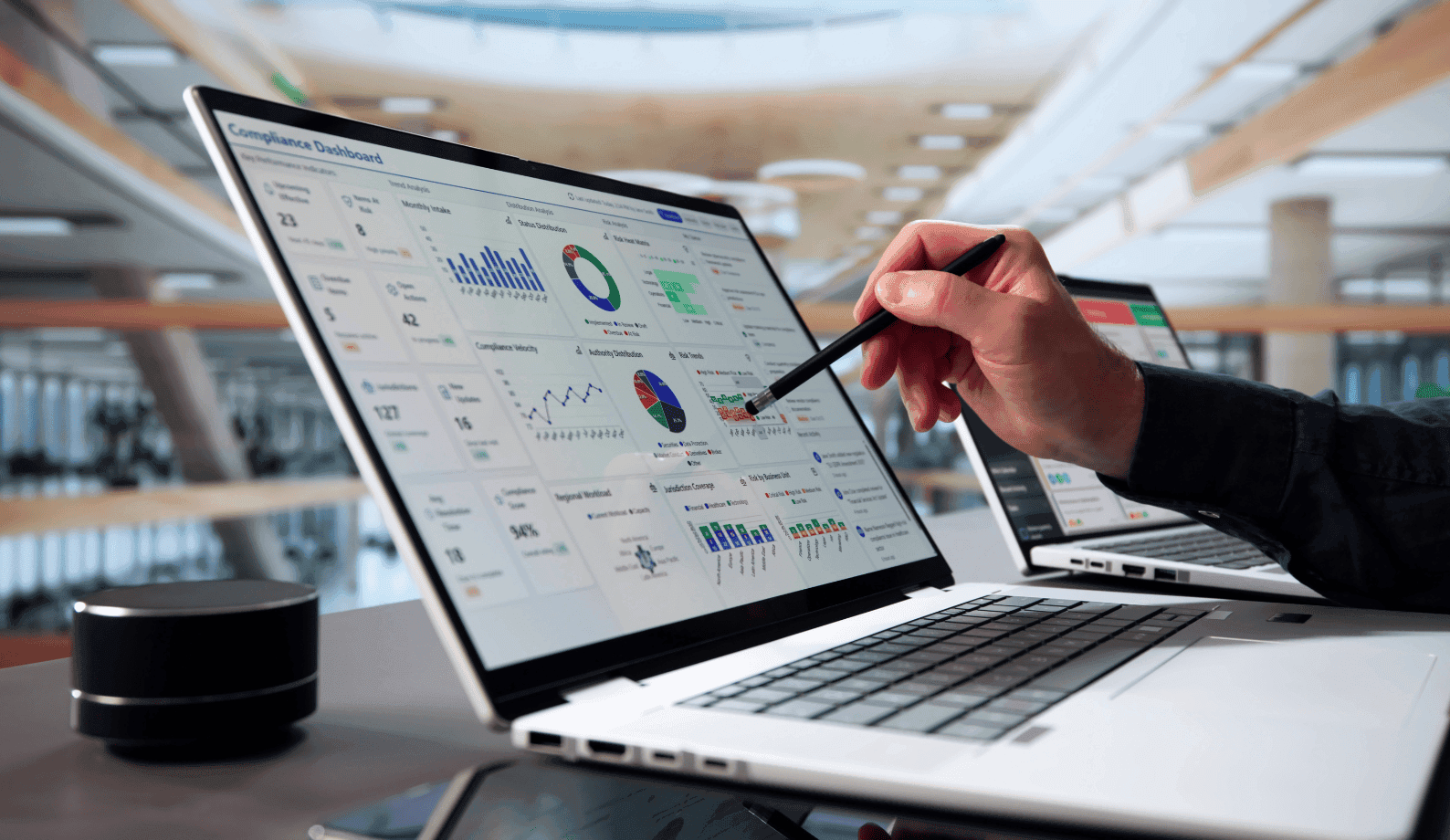
Modern platforms provide actionable insights beyond simple case counts. Analytics reveal trends, highlight emerging risks, and help teams measure resolution speed, giving leadership a clear view of program effectiveness.
Automation reduces manual effort, ensures consistency, and frees compliance teams to focus on high-value tasks. Automated notifications, escalation paths, and case routing accelerate investigations while maintaining full audit trails.
Linking incident data to policies or training programs closes the loop between detection and prevention. Compliance teams can identify recurring gaps, deliver targeted training, and reinforce an ethical culture across the organization.
Detailed audit trails, exportable reports, and centralized compliance documentation make it easier to meet evolving regulatory obligations. Boards and auditors can see not only activity but also the program's effectiveness in practice.
A modern platform must connect with existing systems and grow with the organization. Scalable solutions maintain simplicity, avoid silos, and support multi-region deployments without adding unnecessary complexity.
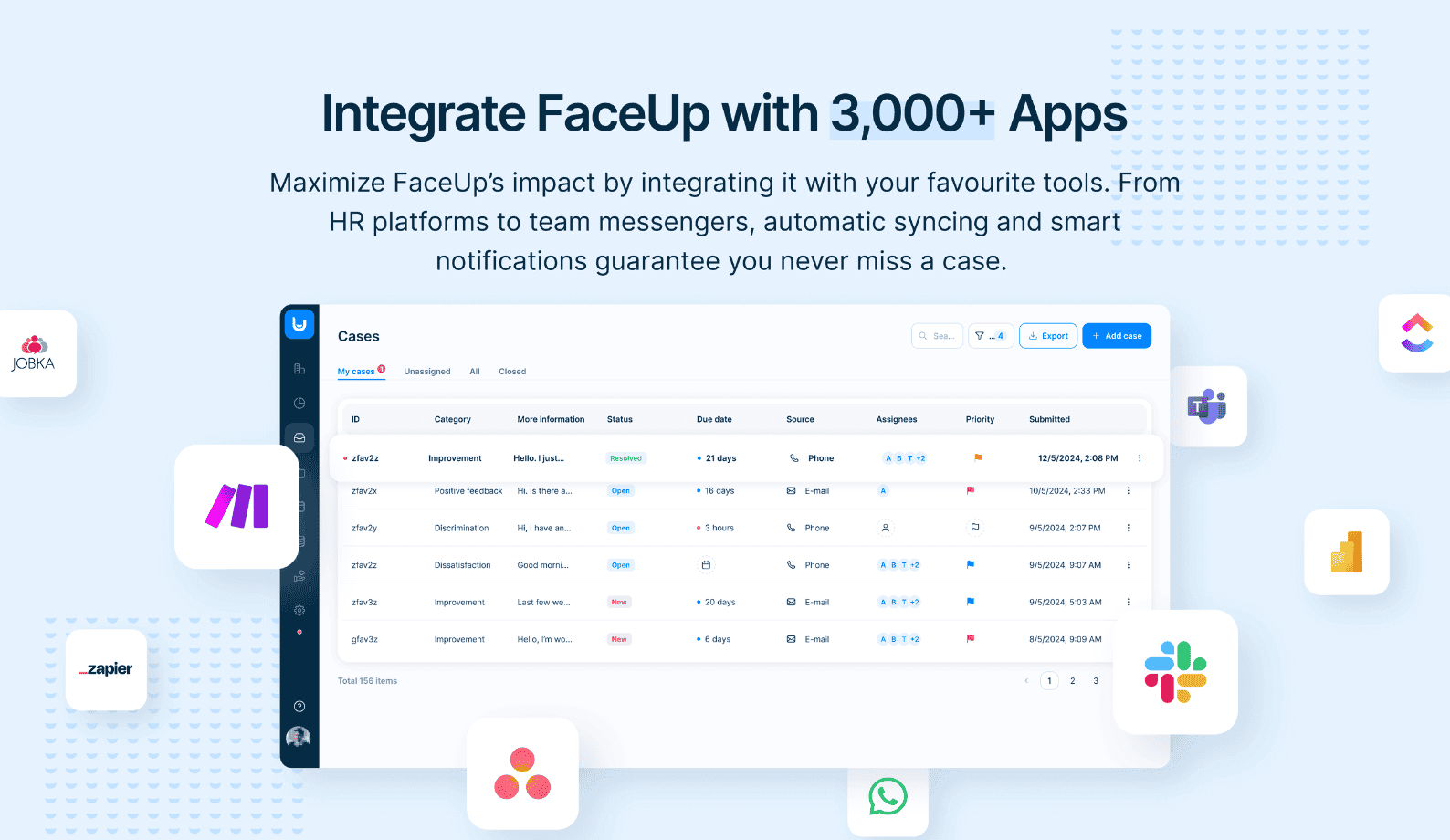
For example, integrations with HRIS, communication platforms (Slack, Teams), intranet sites, or case management systems help centralize reporting and workflows across tools your teams already use.
The market includes a mix of legacy enterprise platforms and newer, more agile solutions. Each comes with trade-offs.
Choosing the right one is about more than brand recognition. It’s about solving real challenges that compliance leaders face every day: fragmented tools, low reporting rates, siloed data, and difficulty proving program impact.
In this comparison, we focus on NAVEX, AllVoices, HR Acuity, Ethico, SpeakUp, and FaceUp, highlighting how each platform approaches core compliance capabilities and where FaceUp delivers differentiated value.
Trust is the foundation of a speak-up culture. Employees need secure, confidential channels to feel safe reporting misconduct, and platforms that prioritize anonymity see higher reporting rates.
FaceUp sets itself apart with multi-channel, fully anonymous reporting designed for global compliance. Its workflows are intuitive, legally compliant, and built to foster trust across diverse teams, ensuring employees feel confident speaking up.
Consistent investigation workflows help teams maintain audit-ready documentation and demonstrate program effectiveness to boards and regulators.
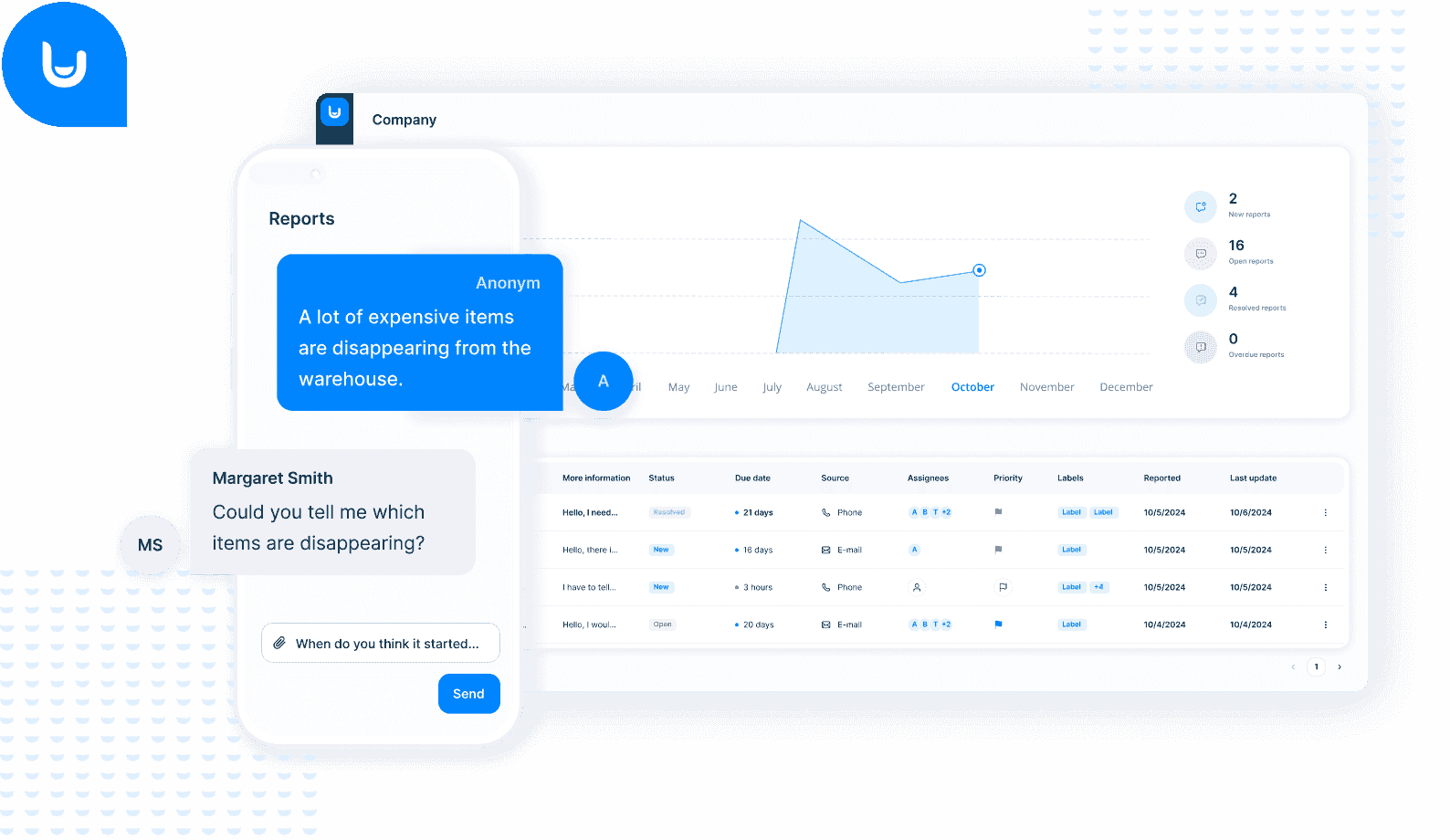
FaceUp delivers a unified, automated workflow from intake to resolution, combining usability with regulatory rigor. This reduces manual errors, ensures consistent documentation, and supports faster decision-making.
Boards and audit committees increasingly expect actionable insights, not just case counts. Analytics reveal trends, identify systemic risks, and help compliance teams prove program impact.
FaceUp’s dashboards go beyond simple reporting, providing deep, customizable insights, including correlation between reporting trends and training gaps, early risk signals, and metrics suitable for leadership review.
Manual processes slow resolution and create inconsistencies. Automation reduces the time to triage, escalate, and close cases while maintaining a complete audit trail.
FaceUp automates key steps across the compliance lifecycle, from intake to resolution to reporting. This reduces manual effort, improves consistency, and frees teams to focus on investigation and risk mitigation.
Even the most capable platform is only effective if employees use it. Adoption depends on intuitive design, trust, and quick deployment.
FaceUp combines a user-first experience with SaaS flexibility, allowing rapid rollout across teams and regions. Employees find it intuitive and trustworthy, increasing reporting rates, while compliance leaders see measurable impact in weeks rather than months.
Compliance programs are under scrutiny from boards, regulators, and auditors. Without clear metrics, it can be difficult to show that your tools are driving real risk mitigation.
FaceUp surfaces the metrics that matter most: reporting rates, case resolution times, systemic trends, and training gaps. This allows compliance teams to demonstrate tangible ROI, moving compliance from a cost center to a strategic, risk-informed function.
By comparison, FaceUp’s comprehensive analytics and built-in reporting give leadership confidence faster than any of the other platforms.
Across every feature that matters, secure reporting, case management, automation, analytics, adoption, and ROI, FaceUp focuses on delivering practical, user-friendly value for modern compliance teams.
It combines speed of deployment, usability, and regulatory rigor, making it an ideal choice for mid-size and enterprise organizations that want to protect their workplace and prove the effectiveness of their compliance program.
Once you’ve compared platforms, the real question is simple: which one will actually work in your organization?
On paper, many tools check the same boxes. In practice, the difference shows up in adoption, usability, and how quickly you can turn insight into action.
The right platform fits your workflows, earns employee trust, and gives you clear visibility into risk from day one.
Technology alone doesn’t create ethical behavior, but it can make speaking up simple, safe, and effective. The right platform bridges the gap between policy and practice, turning compliance into a living part of your workplace culture.
A well-designed platform lowers the barrier to speaking up. It makes reporting accessible, protects anonymity, and builds confidence that concerns will be taken seriously and handled fairly.
This is where the connection between tools and culture becomes clear. Without the right systems, even the strongest policies struggle to translate into real behavior.
One of the biggest challenges compliance leaders face is demonstrating ROI. Modern platforms help bridge this gap by turning compliance data into meaningful insights:
This data does more than satisfy reporting requirements. It helps organizations mitigate risks, improve culture, and make informed decisions. It also shifts the perception of compliance from a cost center to a strategic function.
There’s a growing shift away from traditional, monolithic GRC systems. While these platforms offer extensive functionality, they often come with challenges:
Modern compliance platforms take a different approach. They prioritize simplicity, adoption, and continuous improvement.
FaceUp fits into this category by focusing on usability and real-world workflows. Instead of overwhelming teams with complexity, it aims to make compliance processes more accessible and effective.
If you’re exploring modern compliance solutions, it’s worth considering how usability and adoption influence long-term success.
Choosing the right ethics and compliance platform is ultimately about clarity and impact.
The best platforms centralize processes, build trust, and support smarter decision-making across the organization. If your current setup feels fragmented or reactive, it may be time to rethink how your systems support your goals.
Book a demo to see how FaceUp protects your workplace and strengthens your speak-up culture.
We’ll assess your needs and recommend the right setup for anonymous reporting or surveys - aligned with your compliance or HR goals.
Keep Reading
Alaa El-Shaarawi2026-10-0510 min
Legal & Compliance
Alaa El-Shaarawi2026-10-028 min
Legal & Compliance
Alaa El-Shaarawi2026-09-249 min
Legal & Compliance
Alaa El-Shaarawi2026-09-095 min
Legal & Compliance