The Hidden Cost of Disconnected HR Tools: How Rippling + FaceUp Closes the Gap
Legal & Compliance

Marie Roland
Partnership Marketing Manager
Published on
Reading time
5 min

Table of contents
Subscribe to our newsletter

The Hidden Cost of Disconnected HR Tools: How Rippling + FaceUp Closes the Gap
When a new employee joins a company, their information is usually added to several systems: payroll, IT, benefits, and HR platforms. With Rippling, this process can be streamlined; employee details are added once, access is provisioned, and onboarding tasks are managed in one place.
But what happens when that employee later raises a concern through your reporting system?
The HR team may look them up in FaceUp and realize they aren't there. Not because something went wrong, but because nobody manually updated the employee list across both systems.
This is one of the challenges of disconnected HR tools. The issue is rarely a major system failure. Instead, it's the small gaps between platforms that create extra work, inaccurate data, and unnecessary risk.
The HR Tech Stack Problem: Too Many Systems, Not Enough Connection
Most organizations today rely on a combination of specialized tools: an HRIS for employee data, payroll software, case management platforms, reporting tools, and employee engagement systems.
Each tool serves an important purpose. The challenge comes when those systems operate separately.
Without integrations, employee data has to be maintained manually across different platforms. A new hire might be added to Rippling but not reflected in FaceUp, or an employee who has left the company might remain active in another system.
These gaps are easy to overlook, but they can lead to inaccurate records, unnecessary work, and outdated information across HR tools.
What Disconnected HR Tools Mean for Your Organization
When HR, compliance, and reporting systems operate separately, the impact goes beyond extra admin work. Disconnected data can affect how teams manage cases, maintain accurate records, and identify workplace risks.
The challenges look different depending on the team involved:
For HR Teams
Disconnected tools create additional administrative work. Every time someone joins or leaves the organization, HR teams may need to update multiple platforms separately.
This creates duplicate tasks, increases the risk of errors, and takes time away from more strategic work. It can also affect employee engagement efforts if surveys are sent to outdated lists, missing new employees or including people who have already left.
For Compliance and Legal Teams
Accurate employee data is essential for effective case management and reporting.
When your compliance systems don't reflect your current workforce, audit trails can contain gaps. A report may come from someone whose details don't match your HR records, or a former employee may still appear as active in your system.
These inconsistencies can create challenges when demonstrating compliance with frameworks such as GDPR, SOC 2, or ISO 27001. In an audit, inaccurate records are difficult to explain.
For Leadership Teams
Leaders rely on workforce data to understand culture, engagement, and risk.
When reporting tools are working with incomplete or outdated employee information, the insights they provide may not reflect the reality of the organization. Issues that could have been identified earlier may go unnoticed, making them harder and more costly to address later.
Why Compliance Tools Depend on Accurate Employee Data
Reporting and case management platforms rely heavily on accurate employee information. For these systems to work effectively, they need to reflect who is currently part of the organization.
When employee records aren’t kept up to date, problems can build quietly.
A former employee may remain active in a compliance system, creating a data protection concern. Case reports may be analyzed against outdated workforce data. Surveys may miss recent hires or include people who have already left.
Meanwhile, HR teams spend time maintaining employee lists manually; work that should ideally happen automatically.
These gaps often become visible during audits or investigations, when accurate records matter most.
What a Connected HR and Compliance System Looks Like
The Rippling + FaceUp integration was designed to solve these challenges by keeping employee data synchronized across both platforms.
Once connected, employee information flows automatically from Rippling to FaceUp, helping teams maintain accurate records, simplify administration, and keep reporting processes up to date.
In practice, this means:
- No manual employee list updates. HR teams don't need to maintain separate employee records across platforms. Changes in Rippling are automatically reflected in FaceUp, reducing manual work and the risk of errors.
- More accurate case management and audit trails. Cases in FaceUp can be managed using employee information synced from Rippling. Compliance teams can track case history, identify patterns, and maintain more complete investigation records.
- Up-to-date employee records. When an employee leaves the organization, their information is updated in FaceUp automatically, reducing the risk of outdated records remaining active.
- Surveys sent to the right employees. Employee engagement surveys are based on current workforce data, helping organizations reach the right people.
- Secure access through SSO. Rippling's SSO capabilities allow employees and administrators to access FaceUp securely without managing separate credentials.
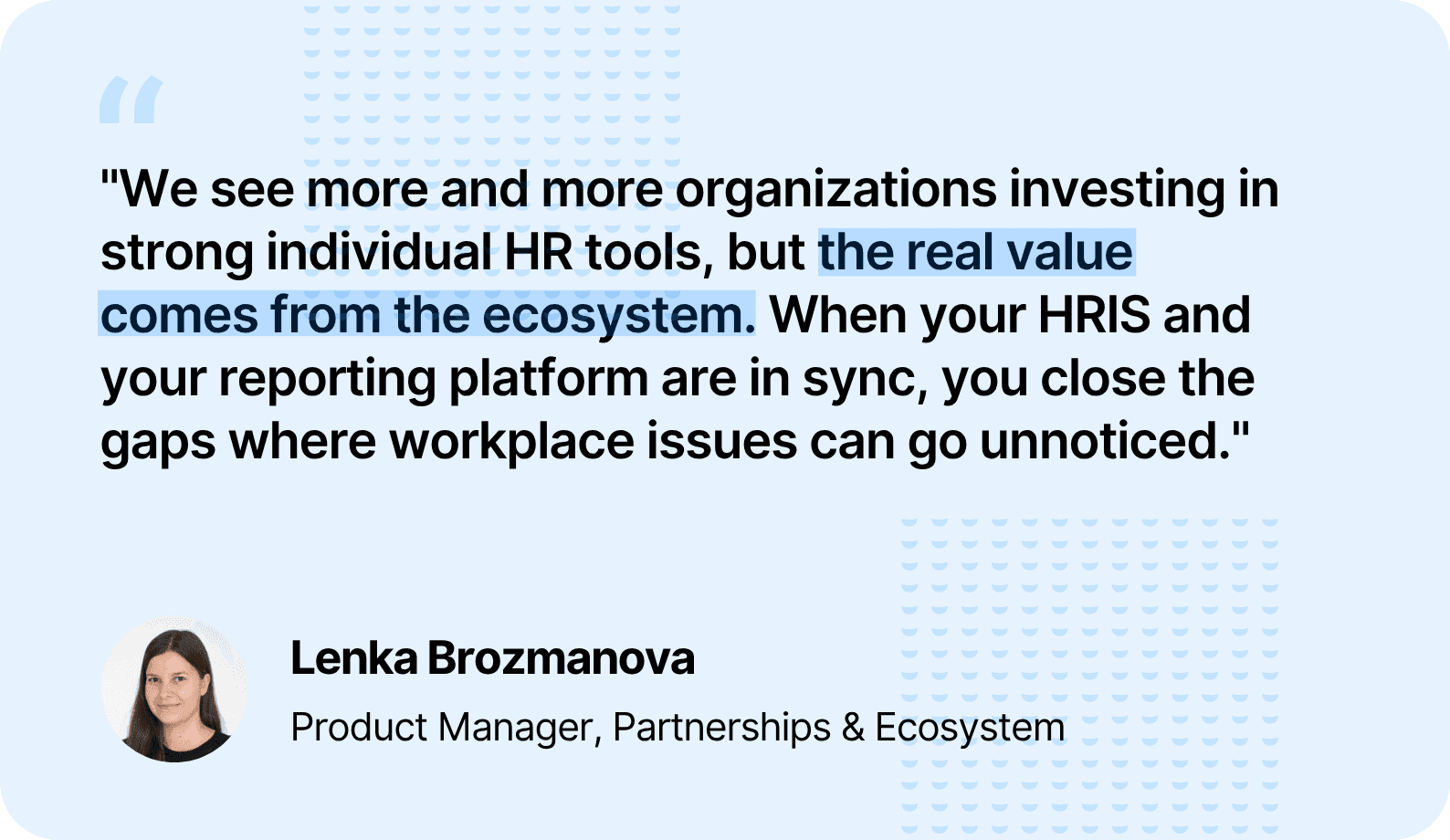
"We see more and more organizations investing in strong individual HR tools, but the real value comes from the ecosystem. When your HRIS and your reporting platform are in sync, you close the gaps where workplace issues can go unnoticed."
— Lenka Brozmannova, Product Manager, Partnerships & Ecosystem at FaceUp
Connected Systems Create Better Visibility
The value of HR technology comes from how well different tools work together. When employee data flows seamlessly between systems, HR and compliance teams have a clearer view of risks, cases, and workforce changes.
Disconnected tools can make this harder. When employee data is incomplete, or systems don't work together, HR and compliance teams spend more time managing processes and less time responding to concerns.
Connecting Rippling and FaceUp helps organizations create a more reliable foundation for reporting, case management, and employee engagement.
Get Started with the Rippling + FaceUp Integration
Setting up the integration is straightforward. Follow our step-by-step setup guide to connect Rippling and FaceUp. Once connected, employee data syncs automatically, helping teams manage cases and surveys using current employee information.
Book a demo to learn how your organization can simplify HR processes, strengthen employee engagement, and support compliance from day one.
Exclusive offer: Rippling users receive 40% off their first year with FaceUp. Mention this offer during your demo call.
Keep Reading
Alaa El-Shaarawi2026-10-0510 min
Gulf construction safety: Why on-site hazard reporting keeps breaking
Legal & Compliance
Alaa El-Shaarawi2026-10-028 min
UAE whistleblowing: The biggest programs are being built where no law requires them
Legal & Compliance
Alaa El-Shaarawi2026-09-249 min
EU AI Act Whistleblowing: What Changed on August 2, 2026
Legal & Compliance
Alaa El-Shaarawi2026-09-095 min
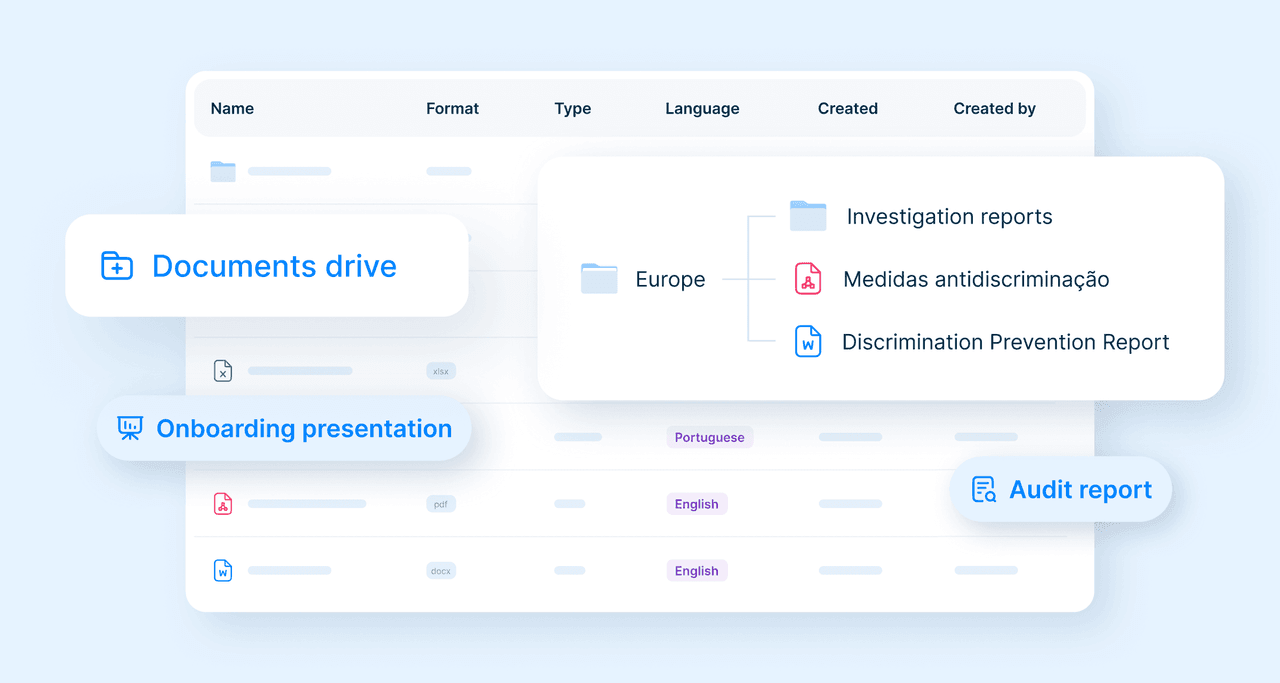
Introducing Documents: Your Own Compliance Library in FaceUp
Legal & Compliance