


Bring All Confidential Reports Into One Secure Place
We’ll assess your needs and recommend the right setup for anonymous reporting or surveys - aligned with your compliance or HR goals.
Workplace Environment

Alaa El-Shaarawi
Copywriter and Content Manager
Published
2026-02-09
Reading time
8 min
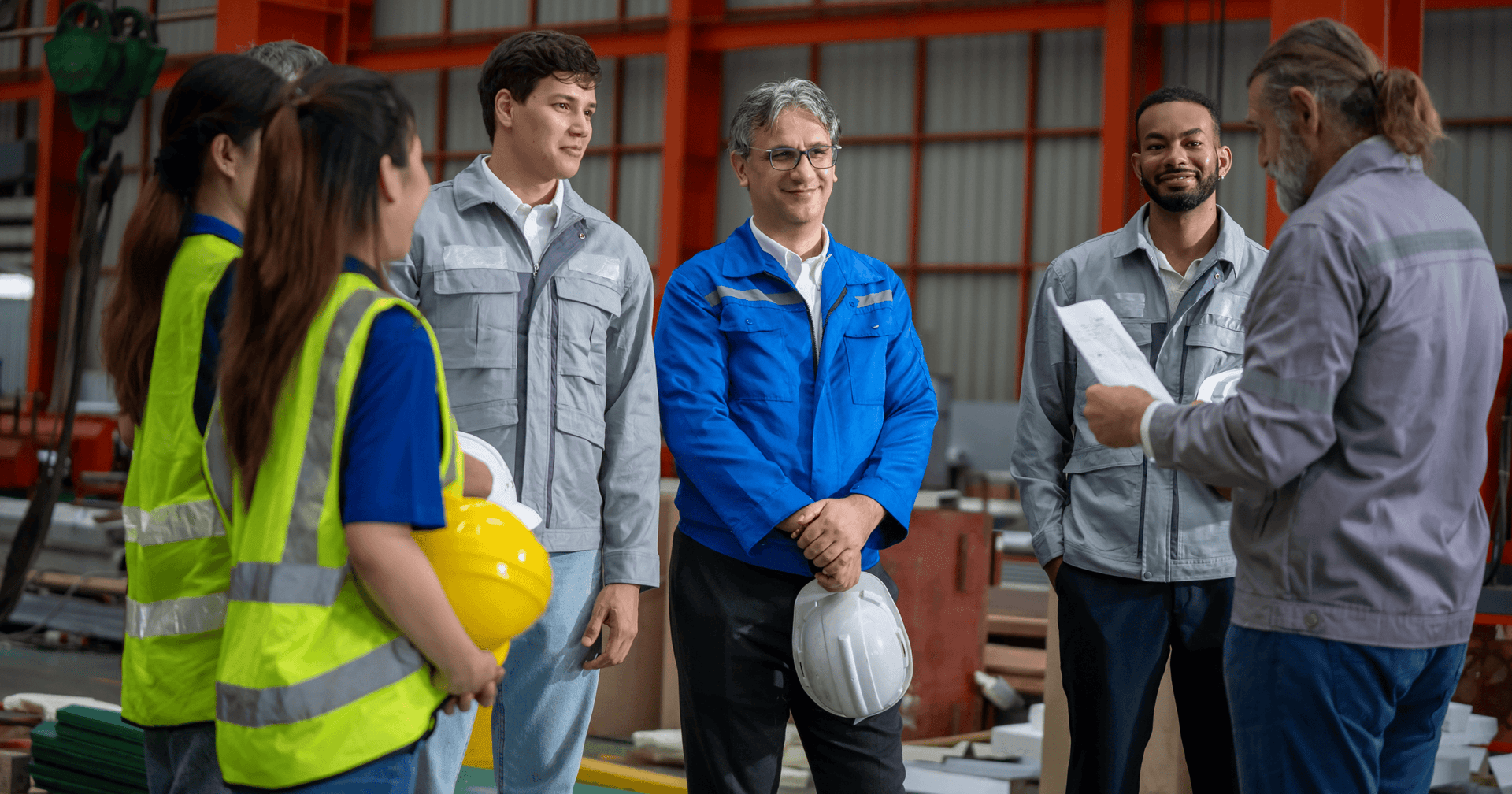
Table of contents
Subscribe to our newsletter

Workplace accidents rarely come from one big mistake. They usually develop quietly, blending into everyday routines:
A cable that’s always been there.
A machine that “usually works fine.”
A task people rush through because there’s pressure to deliver.
Workplace safety is shaped by these everyday moments. It’s influenced by how clearly risks are communicated, how easy it is to follow safety protocols, and whether employees feel supported when they speak up.
When those elements are in place, injuries become less frequent. When they’re missing, even small issues can escalate quickly.
This guide looks at physical safety at work from a practical angle. Personal protective equipment (PPE), risk prevention, legal obligations, and the systems that help organizations spot problems early, respond faster, and build safer working environments over time.
Physical safety in the workplace isn’t one-size-fits-all. It changes depending on industry, job role, and daily working conditions, which makes identifying risks more complex than simply following standard procedures.
Yet, despite these differences, the underlying risks are often familiar: slips, trips, repetitive strain, unsafe equipment, or exposure to hazardous substances all fall under the same umbrella.
Unlike psychological safety, which focuses on emotional wellbeing, physical safety deals with tangible risks to the body. Still, the two are closely connected. When people feel pressure, fear blame, or don’t trust reporting systems, physical hazards go unreported. Over time, that silence increases the chance of injury.
A safe work environment makes it easy to raise concerns and hard to ignore them. That’s why clear reporting channels matter. Whistleblowing tools like FaceUp allow employees to report unsafe working conditions anonymously, helping organizations address risks before they turn into accidents.
Workplace safety is often discussed in legal terms, but its impact is much broader. Injuries affect productivity, morale, trust, and long-term employee health. They also drive absenteeism, turnover, and reputational damage.
Strong safety practices help organizations:
Focusing on safety as more than compliance allows organizations to build trust, reduce disruptions, and create stable working conditions. It also helps teams make better day-to-day decisions, reducing the likelihood that small risks develop into larger incidents.
Failing to follow workplace safety laws and internal safety policies can lead to serious consequences for employees, teams, and the wider organization, including financial losses and long-term reputational damage.
Key consequences include:
Embedding safety into everyday operations, training, and reporting systems helps prevent these consequences while reinforcing a positive culture of accountability. Organizations that proactively manage risks create a safer, more resilient workplace for everyone.
Understanding where workplace injuries typically originate allows organizations to focus prevention efforts where they’ll have the greatest impact. Patterns in incident data consistently show that a small number of recurring hazards account for most workplace accidents.
Addressing these risks early allows organizations to allocate resources where they can have the strongest impact.
The most common workplace hazards include:
Each safety hazard requires specific controls, training, and often PPE to reduce risk effectively.
Prevention is the most effective way to reduce accidents. PPE, hazard reduction, and early detection work together to keep employees safe.
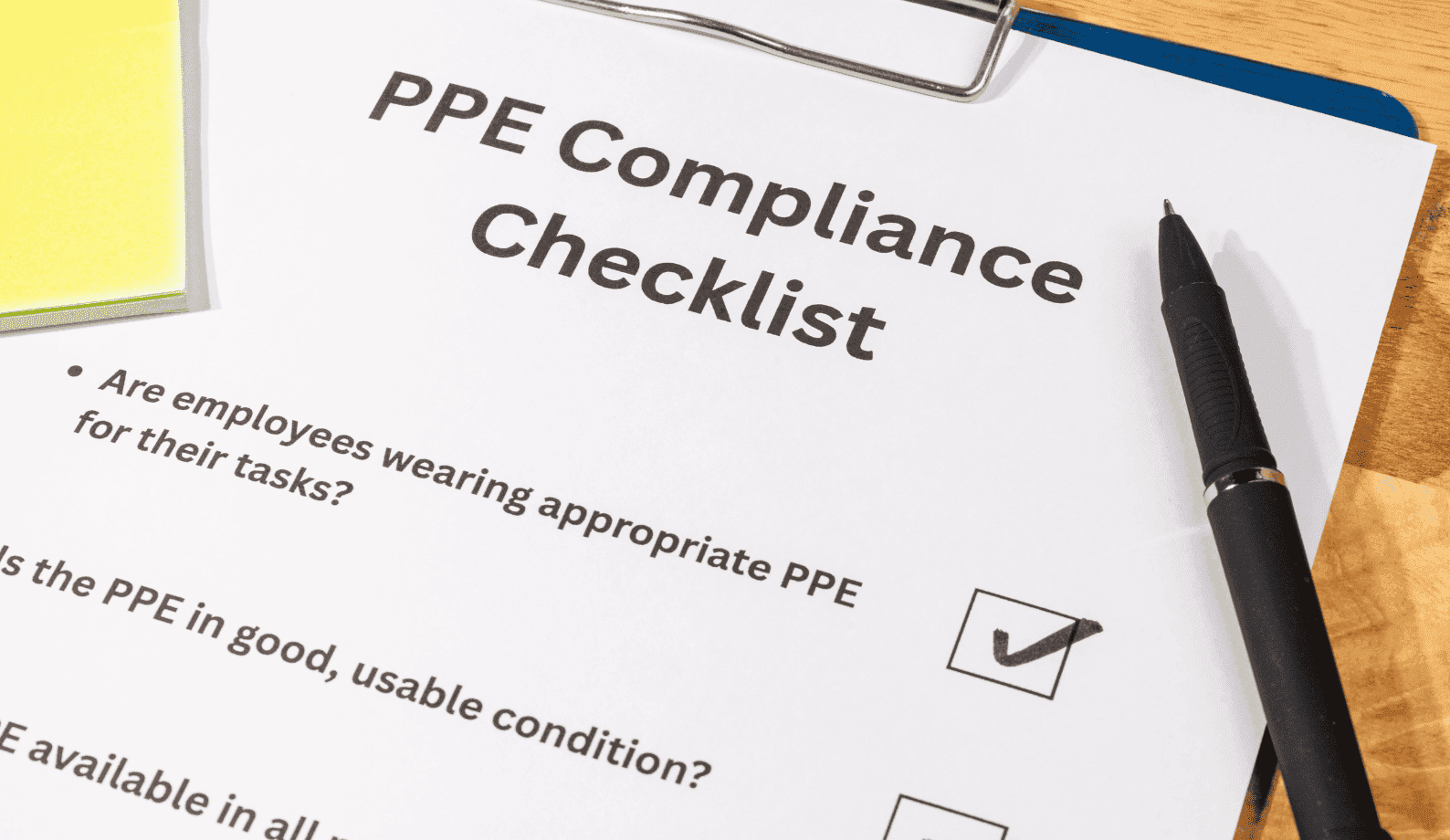
Providing personal protective equipment is only the first step. The real challenge is making sure employees consistently use PPE correctly, especially in fast-paced or high-pressure environments.
Personal protective equipment is a core part of physical safety at work, but it’s most effective when combined with hazard reduction, clear procedures, and training.
Problems usually arise when:
Effective PPE protocols start with risk assessments that reflect real work conditions. Safety training then reinforces correct use, inspection, and replacement. When PPE is practical and easy to use, compliance improves naturally.
From a legal standpoint, employers are required to provide PPE when hazards can’t be eliminated through other controls. In most jurisdictions, employees shouldn’t pay for it. Occupational Safety and Health Administration (OSHA) guidance and ISO 45001 both expect PPE provision, training, and documentation to be part of a broader safety program.
Effective workplace safety programs focus heavily on early detection rather than reaction. Preventing incidents means recognizing warning signals and treating minor issues as opportunities to strengthen safety systems.
Near misses, awkward workarounds, and small equipment failures often appear weeks or months before someone gets hurt. By acting on these early signals, organizations can prevent more serious injuries.
Organizations commonly rely on tools such as:
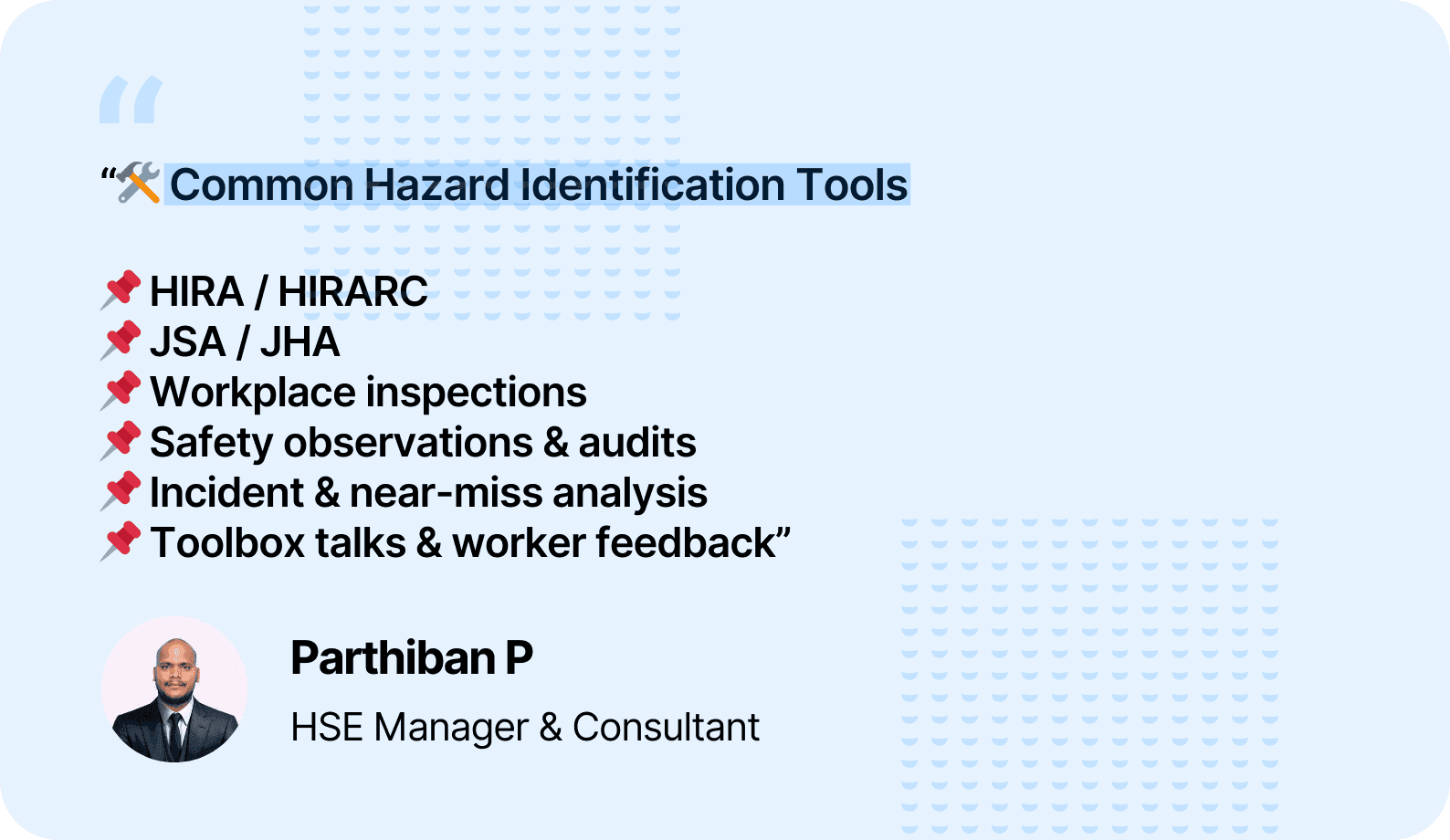
These tools only work when findings lead to action. Fast responses, clear ownership, and visible follow-up show employees that reporting risks leads to real change.
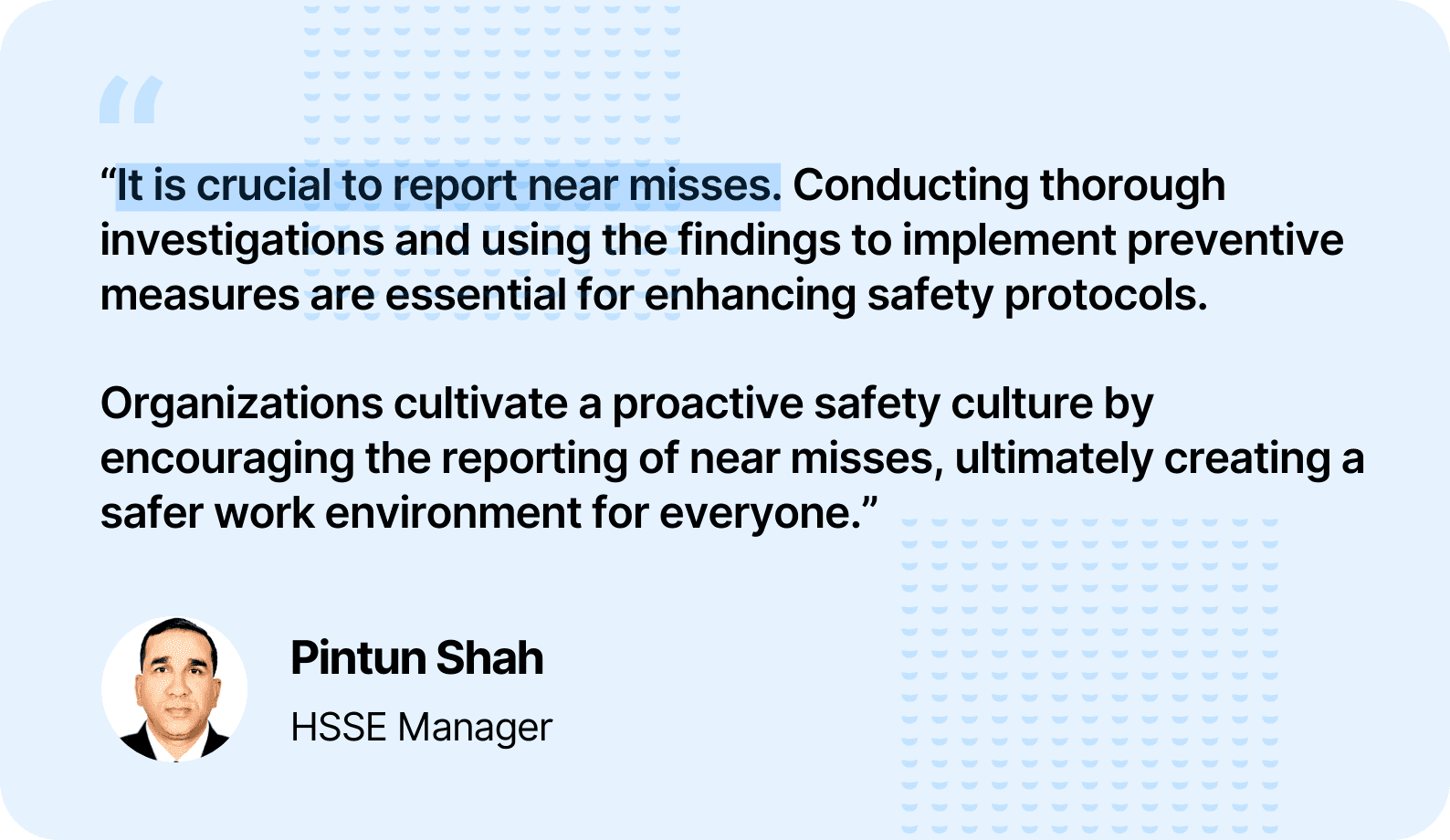
Near misses provide valuable insight into vulnerabilities that might otherwise remain hidden until an injury occurs. When organizations treat them as learning opportunities, they can identify gaps in procedures, training, or equipment before an accident happens.
Employers have legal duties, and clearly defined roles make safety measures effective across the organization.
Workplace safety laws are designed to establish consistent minimum protections across industries, but they also encourage organizations to build proactive safety systems rather than simply reacting to incidents.
Several major laws form the foundation of workplace safety requirements across regions.
In the United States, the Occupational Safety and Health Act (OSH Act) requires employers to provide working environments free from recognized hazards and is enforced through OSHA regulations.
Across the European Union, the Framework Directive 89/391/EEC establishes employer responsibilities for risk prevention, training, and employee protection.
In the United Kingdom, the Health and Safety at Work etc. Act 1974 sets similar legal duties, requiring employers to safeguard employee health, safety, and welfare.
While specific requirements vary by country, most workplace safety legislation follows the same core principles: identifying hazards, reducing risks, providing training and protective equipment, and giving employees safe ways to report concerns.
Employers are expected to identify hazards, implement appropriate safety measures, and provide training and PPE where required. Beyond compliance, effective safety programs turn legal requirements into practical, everyday practices that protect employees and reduce risk.
At a high level, responsibilities include:
OSHA provides extensive resources, including training materials and consultation services. Many organizations also align with ISO 45001 to embed safety into management systems and support continuous improvement.
Employees have the right to report unsafe conditions internally or to authorities. Anonymous reporting channels help surface risks earlier and support faster corrective action.
Clear roles make safety systems more effective, especially when supported by well-defined safety policies that outline expectations for every level of the organization. When responsibilities are vague or unevenly distributed, important safety tasks are often overlooked.
| Role | Responsibilities |
| Employers | Provide safe working conditions, maintain safety policies, supply and maintain PPE, deliver regular safety training, set up reporting systems, investigate incidents, and maintain legal compliance. |
| Managers | Enforce safety protocols, conduct regular workplace inspections, respond quickly to hazards, coach employees on safe practices, and lead by example to promote a safety culture. |
| Employees | Follow all safety procedures, correctly use PPE, report hazards and near misses promptly, participate in training sessions, and actively contribute to a safe workplace culture. |
When responsibility is shared, safety becomes part of how work gets done rather than a separate initiative.
Safety culture is shaped not just by formal procedures, but also by workplace relationships and leadership behavior. Organizations that neglect psychological safety often find it difficult to maintain consistent physical safety programs.
Physical and emotional safety are deeply interconnected: when employees fear retaliation or being ignored, hazards go unreported, and when leaders prioritize speed over safety, shortcuts become the norm.
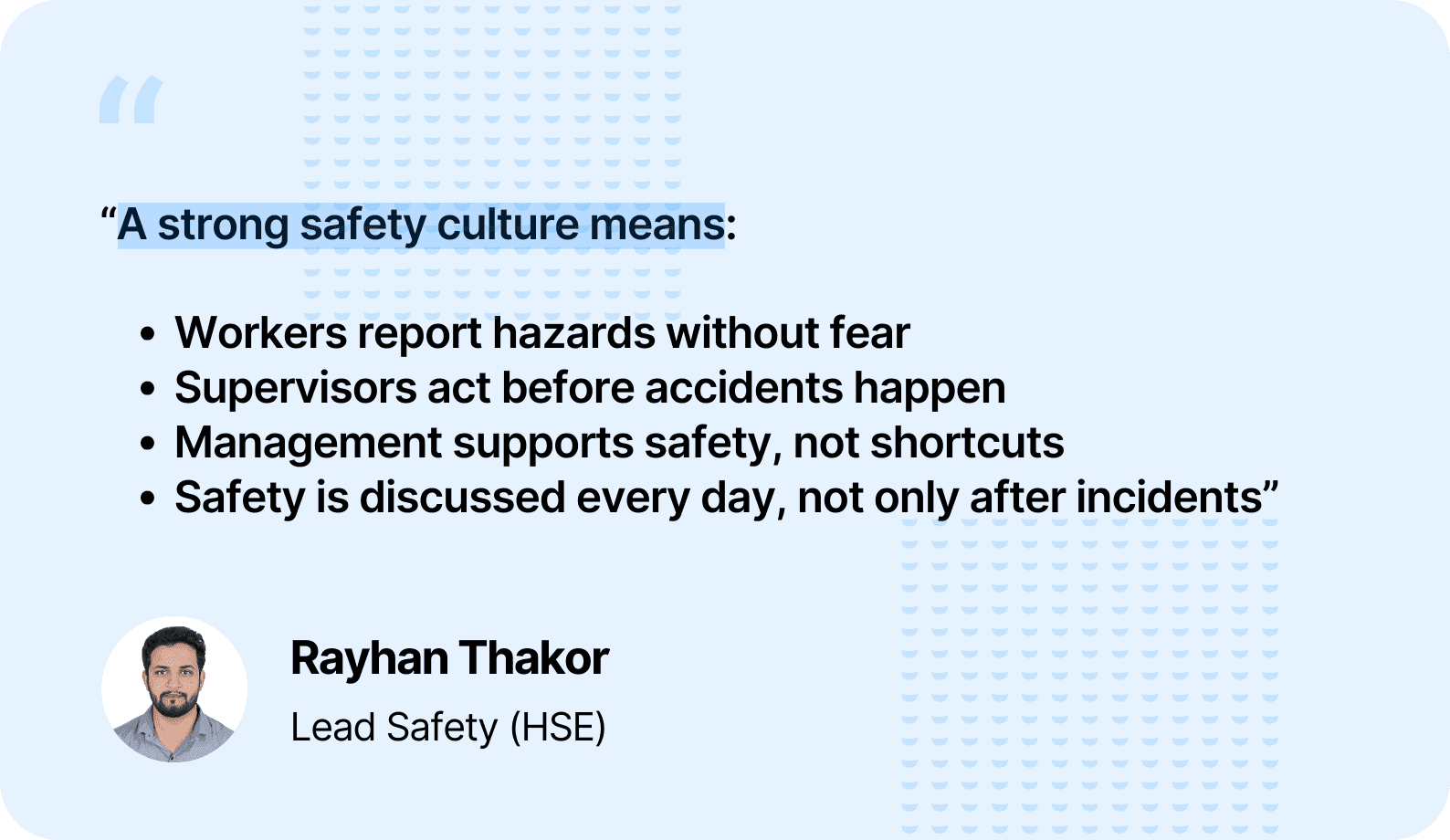
Trust, communication, and consistency make physical safety measures stick. Organizations looking for practical strategies for improving safety culture in the workplace often focus on strengthening reporting systems, leadership accountability, and everyday safety conversations.
Improving physical safety rarely requires large, one-time initiatives. Instead, organizations see the strongest results from consistent, incremental improvements that reinforce safe behaviors and strengthen reporting systems.
Effective actions include:
Many organizations use digital tools to manage this complexity. FaceUp’s workplace compliance solutions support reporting, documentation, and follow-up across teams and locations.
Physical safety in the workplace is built through everyday decisions. Replacing worn equipment instead of postponing it. Cleaning up hazards immediately. Listening when someone raises a concern.
Policies, PPE, and safety protocols provide structure. Culture determines whether they actually work. When employees feel protected and heard, they are more likely to report concerns early and follow safety practices consistently.
If you want to strengthen physical safety at work, improve reporting, and stay compliant without adding friction, Faceup can help. Book a demo to see how Faceup supports hazard reporting, compliance, and safer work environments, all in one place.
We’ll assess your needs and recommend the right setup for anonymous reporting or surveys - aligned with your compliance or HR goals.
Keep Reading

Alaa El-Shaarawi2026-09-249 min
Legal & Compliance
Alaa El-Shaarawi2026-09-095 min
Legal & Compliance

Mary Shirley2026-07-285 min
Workplace Environment
Marie Roland2026-07-276 min
Legal & Compliance