Workplace Environment

Alaa El-Shaarawi
Copywriter and Content Manager
Published
2026-01-30
Reading time
7 min

Table of contents
Subscribe to our newsletter

Cyber harassment doesn’t always look dramatic. Sometimes it starts small. A late-night message. A joke that only one person finds funny. A public comment that stings but disappears in the feed. Other times, it’s serious from the start. A threatening message, an intimate image shared without consent, or a deepfake video
Online harassment becomes dangerous through severity, repetition, and power imbalance, especially when silence allows it to continue unchecked. This is the point where legal risk, human harm, and organizational responsibility collide for employers.
Cyber harassment laws are designed to protect people from digital abuse, though many organizations are still adapting policies to address harassment in today’s digital workplaces.
This guide is for HR leaders, legal teams, compliance officers, DEI professionals, and anyone responsible for creating a safe workplace in a digital-first world. It breaks down what cyber harassment is, how laws apply across jurisdictions, where employers often fail, and practical steps that reduce harm before it escalates.
Cyber harassment isn’t just bad behavior online. It’s repeated or severe behavior using electronic communication that targets a specific person and causes emotional distress, fear, or harm. It can happen anywhere, including emails, text messages, collaboration tools, social media, forums, and messaging apps.
In the workplace, cyber harassment often hides in everyday tools. Slack threads, WhatsApp groups, shared documents, internal forums, and LinkedIn comments are common spaces where lines are crossed. Because the behavior happens in familiar systems, people tolerate it for too long.
Legally, the difference between rudeness and harassment lies in persistence, intent, and impact. One inappropriate message may be rude or unprofessional. Repeated messages become harassment. When that behaviour creates fear, control, or ongoing intimidation, it crosses into cyberstalking.
This is why clear definitions matter. Without them, organizations react too late.
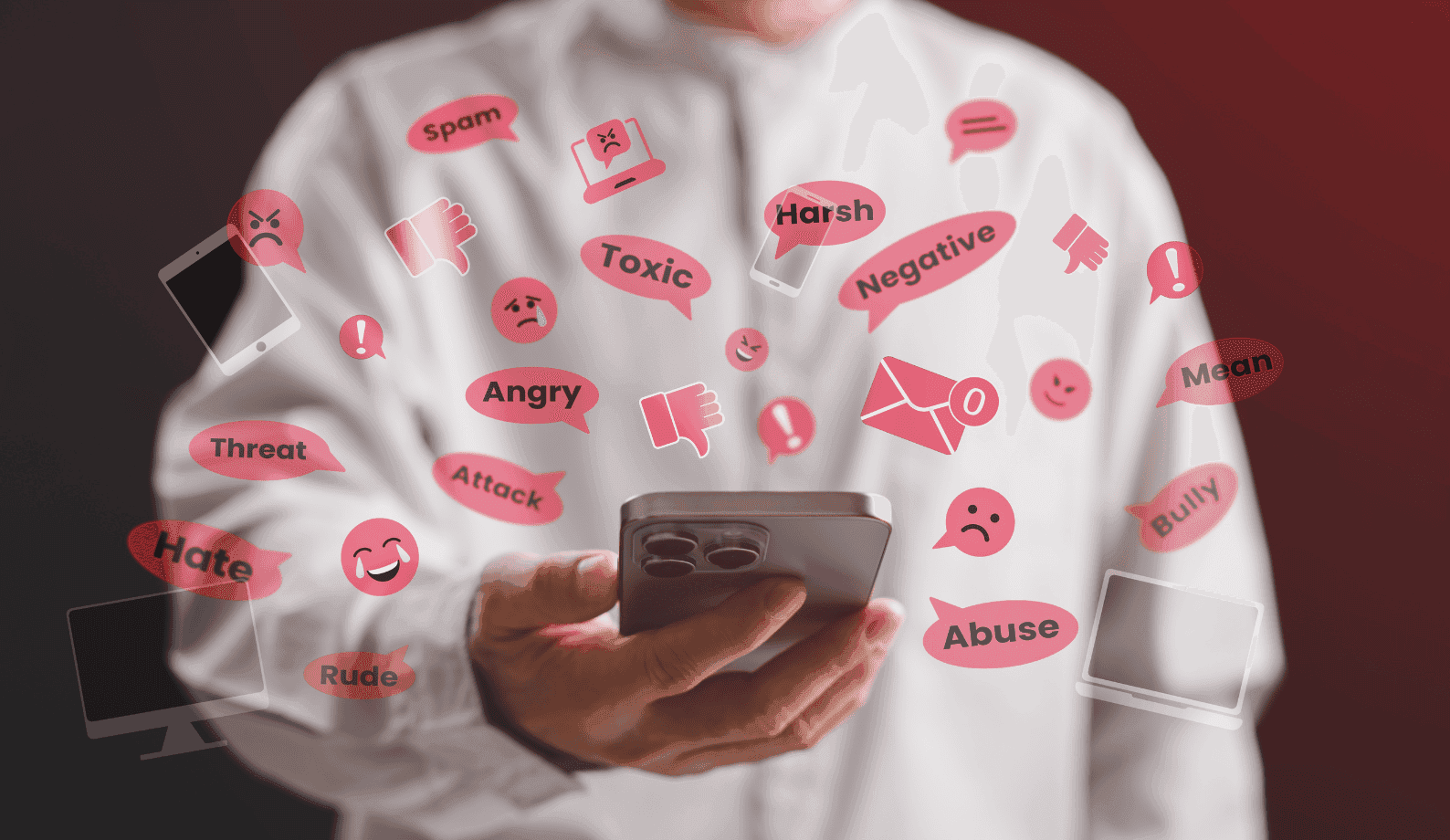
The terms are often used interchangeably, but the law treats them differently.
For employers, understanding these differences matters because your response obligations change with severity. What starts as an HR issue can quickly become a legal or criminal one.
Most cyber harassment laws look at the same core elements. There must be repeated conduct or a single severe act. It must target a specific person. It must show intent to harass, intimidate, or threaten. And it must cause substantial emotional distress or reasonable fear.
Examples that frequently meet legal thresholds include:
These behaviors aren’t just policy violations. In many states, they’re crimes.
There’s no single federal cyber harassment law, which creates confusion for employers and victims alike. Instead, several federal laws apply depending on the behavior.
The most relevant is 18 U.S. Code § 2261A, which criminalizes cyberstalking that causes reasonable fear or substantial emotional distress. Interstate threats, identity theft, and impersonation may also trigger federal involvement. Civil rights laws apply when harassment targets protected characteristics in employment.
The Communications Decency Act often gets misunderstood. It protects platforms, not people committing harassment. Employers can’t rely on platforms to solve workplace harm.
Because federal intervention is limited, most cases are handled at the state level or internally by employers.
State laws vary widely. Some states have explicit cyber harassment statutes. Others rely on older harassment or stalking laws that have been updated to include electronic communication.
For example:
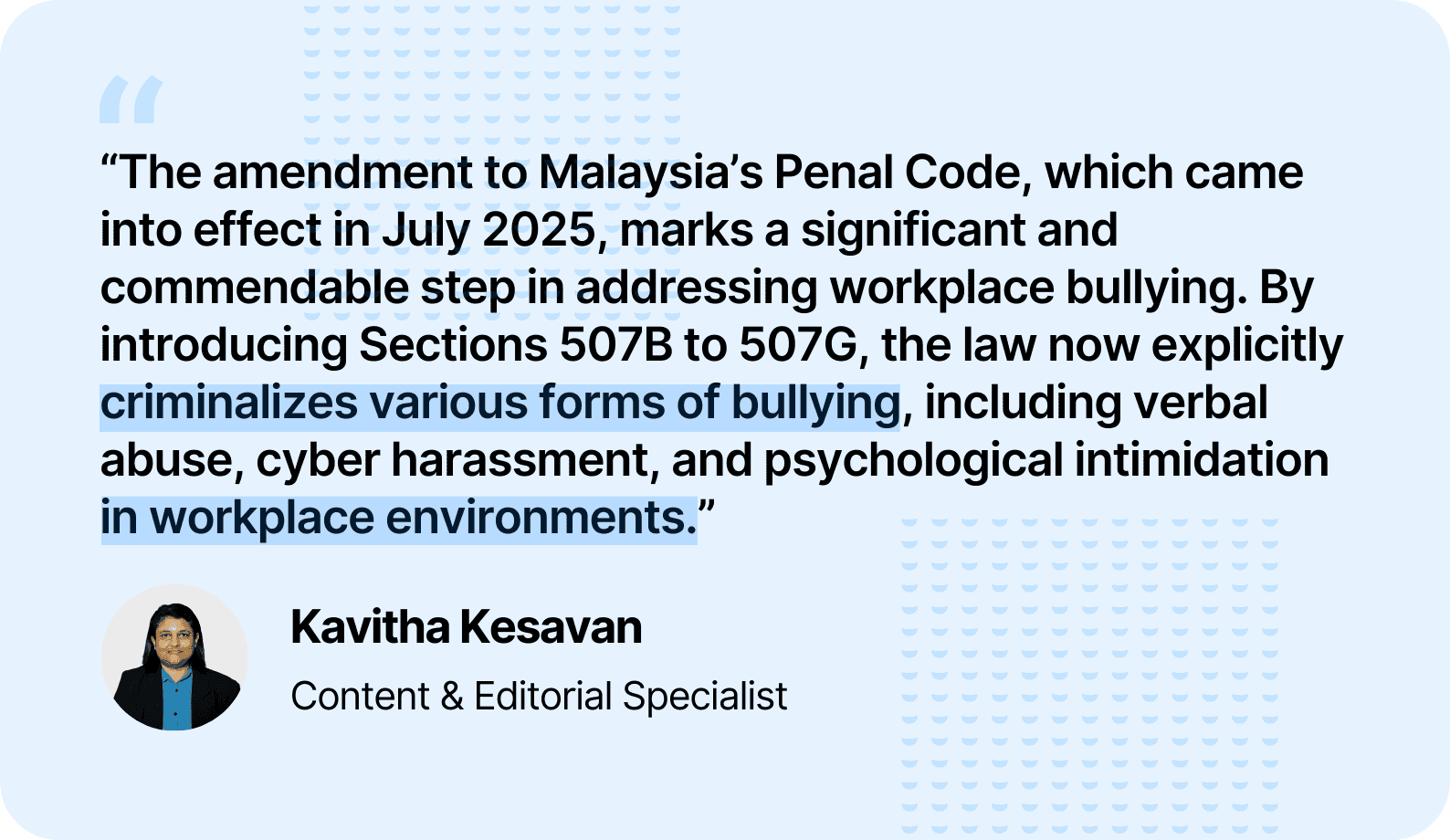
Internationally, laws are evolving fast. In July 2025, Malaysia amended its Penal Code to criminalize workplace bullying, including cyber harassment and psychological intimidation. This reflects a growing global consensus that digital harm is real harm.
For global employers, the safest assumption is that laws will become stricter, not looser.
Police typically step in when there are credible threats, stalking behavior, identity theft, or repeated conduct that creates reasonable fear. In many cases, victims are told to document and wait, which is frustrating when harm is ongoing.
This gap is exactly why employers matter. Most cyber harassment cases never reach law enforcement. They’re handled internally, or not handled at all. When employers fail to act, digital abuse escalates quietly until it becomes a crisis.
Most workplace policies were written for physical spaces. Offices. Meetings. Hallways. None of those are where harassment lives anymore.
Today, harassment happens in:
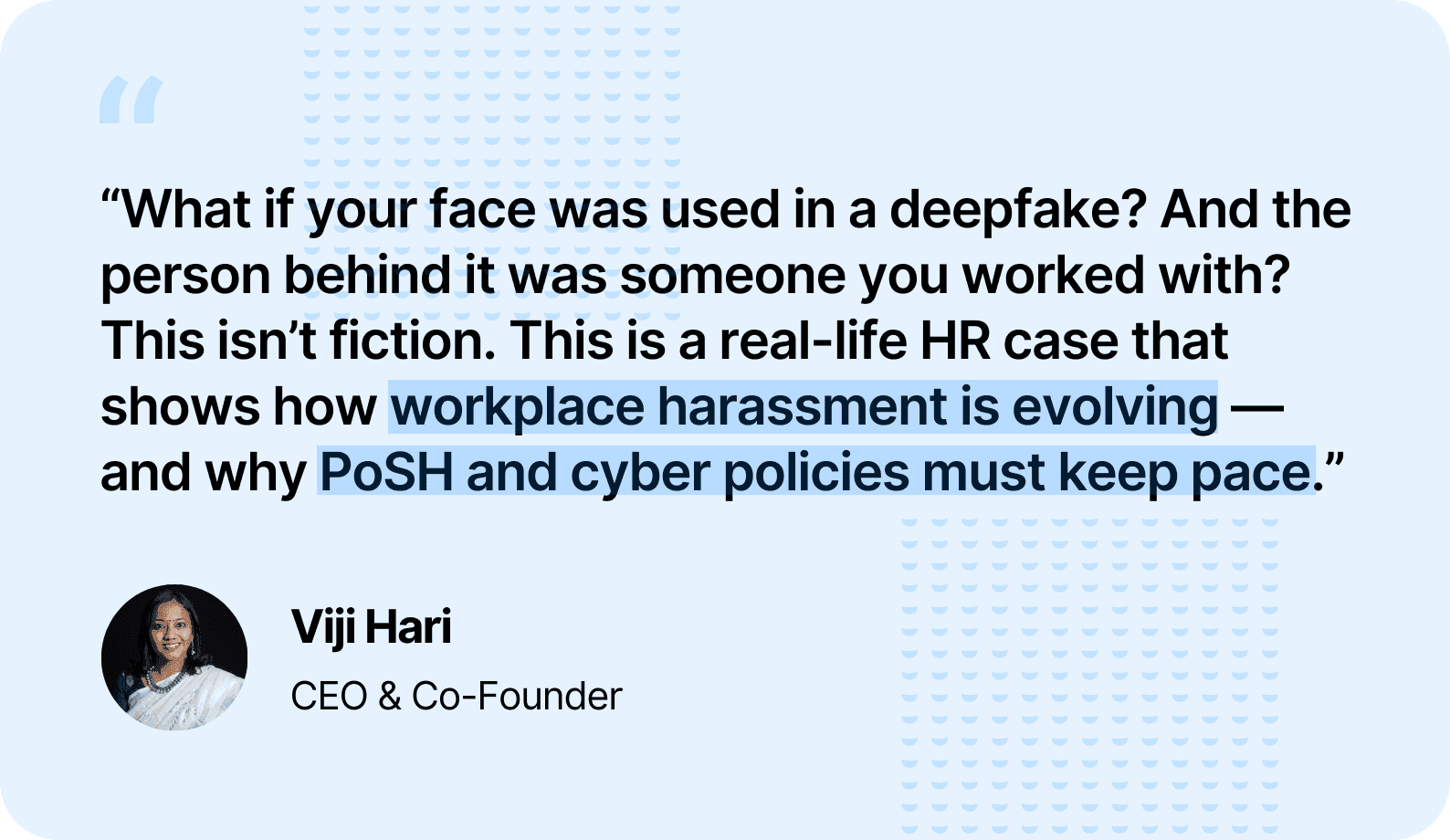
One real HR case involved an employee whose face was used in a deepfake video by a colleague. It happened outside work hours. The impact destroyed psychological safety at work. If your policies stop at office hours, they’re outdated.
Evidence is often the biggest barrier to action. Messages disappear. Accounts get deleted. Platforms move slowly. Victims are told to prove harm while still being harmed.
Useful evidence includes:
One practical step employers can take is providing a clear evidence checklist. Don’t make people guess what to collect. Make it easy and safe to report early. Whistleblowing tools like FaceUp allow employees to submit evidence anonymously, reducing fear of retaliation and helping organizations act sooner before harassment escalates.
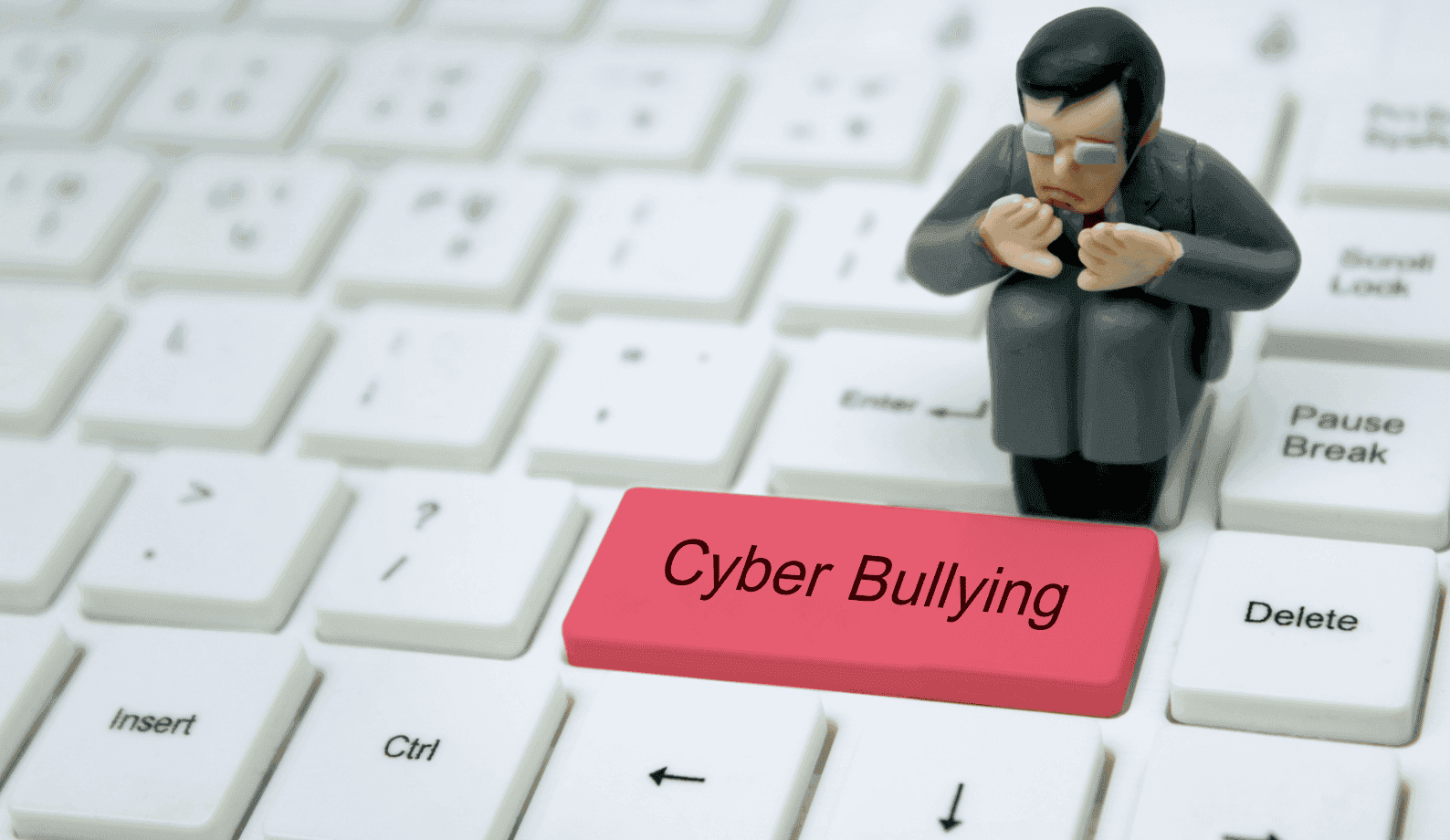
Prevention isn’t about watching over people. It’s about clear expectations, a strong culture, and catching problems early. The strongest organizations treat prevention and investigation as one continuous process, not separate tasks handled by different teams.
Effective prevention relies on a few clear foundations, because cyber harassment usually stems from systemic issues rather than a single bad actor.
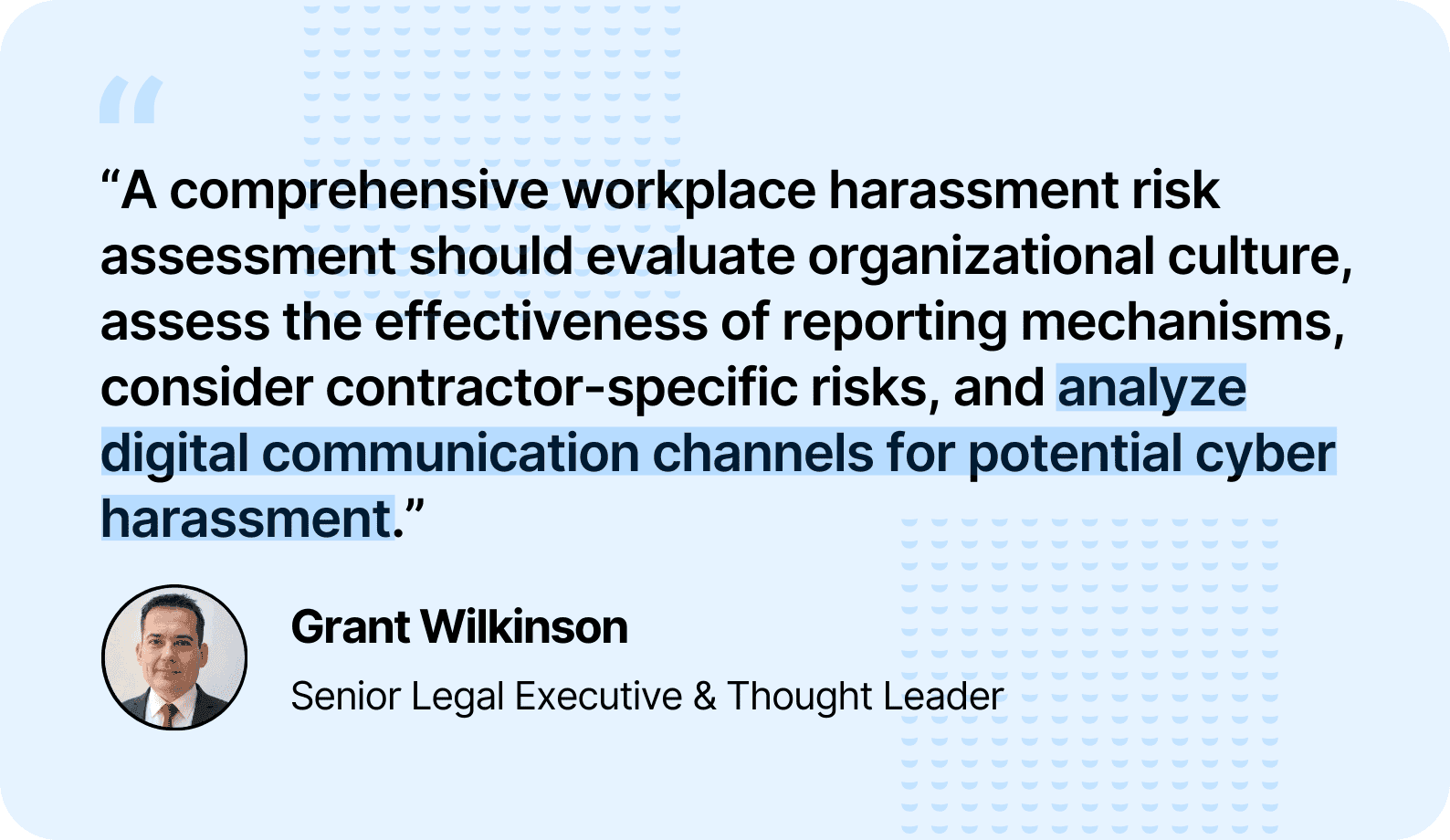
When prevention fails, investigation is the next line of protection; silence after reporting often ends up causing more harm than the harassment itself.
A responsible investigation includes:
When cyber harassment is confirmed, consequences follow. These vary by jurisdiction and severity, but employers should understand the full range of outcomes before a case escalates.
Penalties may include:
Who investigates depends on the situation:
These processes often run in parallel. Employers shouldn’t wait for law enforcement to act before protecting employees. Internal action isn’t optional, even when external investigations are underway.
Cyber harassment has changed what safety looks like at work. It follows people home, onto their phones, and into their personal lives. When employers treat digital abuse as “outside work,” they leave people unprotected where they are most vulnerable.
Organizations that respond early build trust, reduce harm, and prevent legal risk. Those that wait are forced into crisis mode, usually too late.
If you want to know whether your organization is ready, ask:
If any answer is no, that’s your starting point.
FaceUp helps organizations surface digital harassment early, protect people who are afraid to speak up, and respond before harm escalates.
Book a demo to see how anonymous reporting can strengthen your cyber harassment response.
Keep Reading
Alaa El-Shaarawi2026-09-095 min
Legal & Compliance

Mary Shirley2026-07-285 min
Workplace Environment
Marie Roland2026-07-276 min
Legal & Compliance

Marie Roland2026-07-275 min
Legal & Compliance