Whistleblowing

Alaa El-Shaarawi
Copywriter and Content Manager
Published on
Reading time
7 min
Table of contents
Subscribe to our newsletter

A missing machine guard. Chemical fumes that linger long after a shift ends. A blocked emergency exit that someone assumes will be fixed soon.
Workplace safety problems rarely appear suddenly. In many organizations, they’re noticed by employees long before they’re formally reported. Someone hesitates. Someone assumes the issue isn’t serious enough. Someone worries about what might happen if they speak up.
For compliance officers, HR leaders, and HSE managers responsible for workplace safety programs, that silence can create serious risk. Hazards that go unreported may eventually lead to injuries, OSHA inspections, regulatory citations, or reputational damage.
Yet many employees simply don’t know how to report workplace health and safety issues or where to raise concerns safely.
This guide explains what counts as a workplace hazard, how to report a health and safety issue step by step, and how organizations can create reporting systems that employees trust.
Before someone can report a concern, they need to understand what qualifies as a health and safety issue at work.
Many employees wonder what’s considered poor working conditions or what qualifies as a serious hazard. In practice, a safety concern includes any condition that threatens workers’ safety, violates workplace safety procedures, or breaks established health standards.
Common examples include:
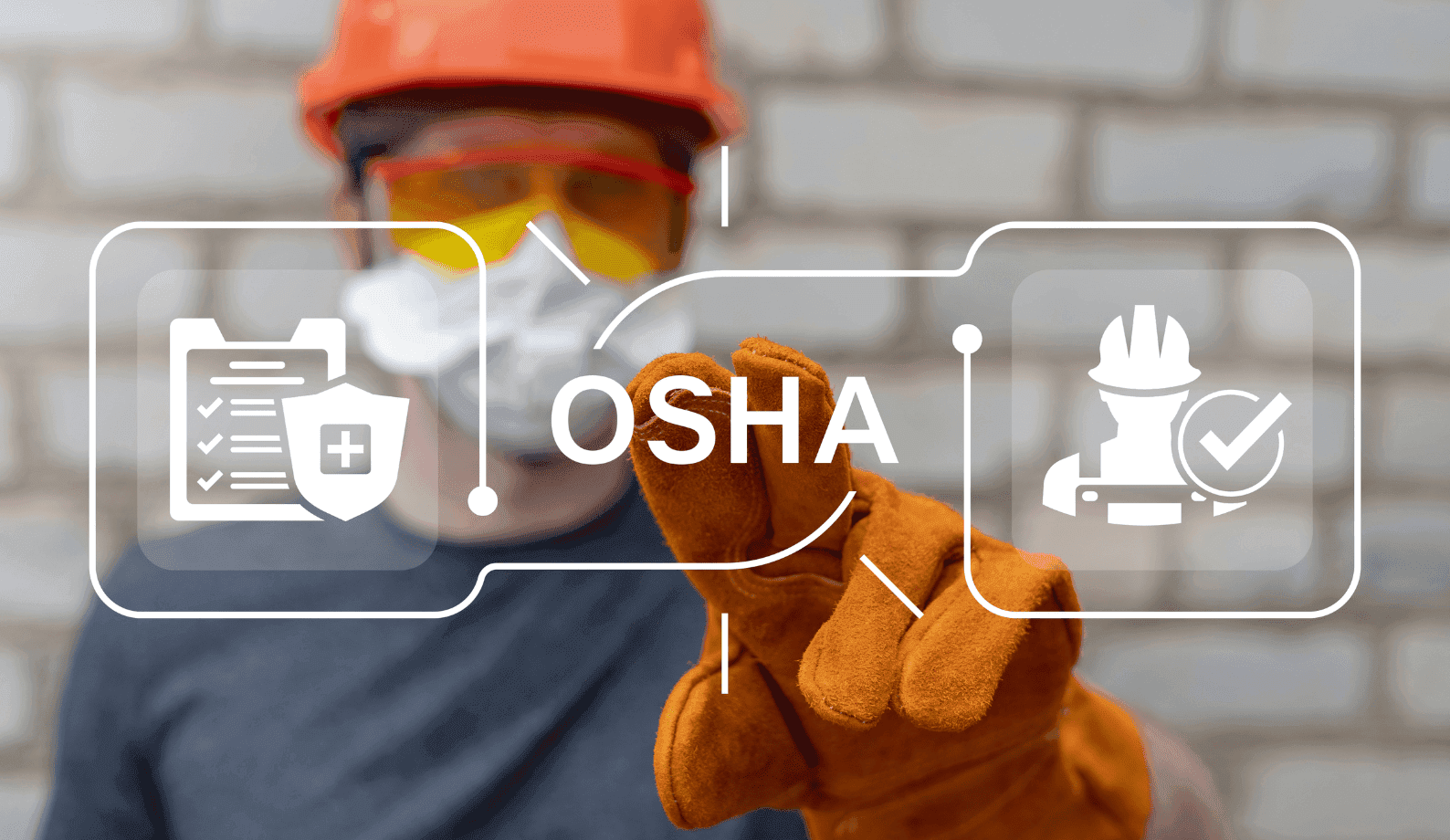
Under the Occupational Safety and Health Act, employers must provide a safe workplace and address safety hazards quickly. The Occupational Safety and Health Administration (OSHA) enforces these rules and can issue citations or conduct an on-site inspection if violations are reported.
The key point is simple. Employees shouldn’t have to decide whether a risk is “serious enough” before reporting it. Early reporting helps organizations prevent accidents, injuries, and fatalities.
Even when safety hazards are visible, they’re not always reported. In many organizations, the barrier isn’t the lack of rules or procedures, but a lack of trust in the reporting process itself.
Employees frequently hesitate to report safety concerns for several reasons.
These challenges create what many workplace compliance leaders call the speak-up gap. Hazards are noticed but never formally reported.
Understanding the reporting process removes much of the uncertainty employees feel when raising safety concerns. While procedures differ between organizations, most reporting frameworks follow a similar structure.
Employees should begin by gathering basic information about the issue. A strong workplace health and safety report typically includes:
This information forms the basis of a health and safety incident report, which investigators use to understand the situation and determine the appropriate response.
Most organizations encourage employees to report safety concerns internally before contacting regulators. This might involve speaking with:
Clear reporting procedures are essential. Workers should never have to guess where to report a health and safety issue or which channel is appropriate.
Because fear of retaliation remains common, many organizations offer a secure, anonymous reporting channel. Anonymous systems allow employees to report hazards without revealing their identity.
These tools are particularly important in environments where reporting may involve senior staff or sensitive operational issues. They also allow compliance teams to follow up with reporters without exposing them.
Organizations that provide secure systems for reporting workplace safety concerns often see higher reporting volumes and earlier detection of workplace hazards.
If internal reporting fails to resolve the issue, employees can contact regulators directly. Workers in the United States can submit an OSHA complaint through OSHA.gov using an online complaint form, by phone, or by visiting an OSHA office in person.
In the European Union, employees are protected under the EU Whistleblowing Directive and can report health and safety concerns to national authorities or labor inspectorates.

Once a report is submitted, organizations must investigate the concern and determine the appropriate response.
A credible safety investigation process typically includes:
When regulators become involved, OSHA may conduct an inspection or request documentation related to workplace safety standards.
For compliance leaders, the investigation stage is often where operational challenges appear. Reports may be logged in one system while investigations happen in another. Documentation may live in email threads or spreadsheets, making it difficult to maintain a clear audit trail.
Without structured processes, investigations can drag on, and reporters may feel their concerns were ignored.
For compliance officers and HR leaders, reporting processes are only one part of workplace safety governance.
Employers must also demonstrate health and safety compliance with regulatory frameworks such as OSHA standards, ISO 45001, and regional labor safety laws.
This includes responsibilities such as:
Organizations that want stronger oversight of these responsibilities often rely on integrated workplace compliance solutions that connect incident reporting, investigations, and audit documentation.
These systems make it easier to manage health and safety reporting, while also providing data that compliance teams can present to leadership and audit committees.
Even organizations with strong policies often struggle with a fragmented reporting infrastructure.
Safety incidents may be tracked in spreadsheets. Ethics complaints might be handled through separate whistleblowing tools. Investigations may happen across email threads or internal documents.
This fragmented approach creates several risks:
For compliance teams responsible for enterprise-level safety programs, these gaps make it harder to demonstrate that reporting systems actually work.
Modern reporting platforms address this by combining multiple capabilities in a single compliance management system. Many organizations also offer a 24/7 whistleblowing hotline that allows employees to report urgent safety concerns at any time.
Technology helps, but culture ultimately determines whether employees report hazards. Organizations that successfully encourage reporting typically focus on three principles:
Over time, these practices create a workplace culture where reporting health and safety issues is viewed as a normal and responsible part of protecting workers’ safety.

The real value of workplace safety reporting appears over time.
When organizations collect safety reports consistently, patterns begin to emerge. Recurring hazards, training gaps, or equipment issues become easier to identify.
Compliance teams can then shift from reacting to incidents toward preventing them.
FaceUp helps organizations move in this direction by combining anonymous workplace reporting, investigation workflows, and safety incident management in a single system. This allows companies to detect risks earlier and respond before hazards lead to injuries or regulatory action.
Book a demo to see how FaceUp simplifies health and safety reporting.
Keep Reading
Alaa El-Shaarawi2026-10-0510 min
Legal & Compliance
Alaa El-Shaarawi2026-10-028 min
Legal & Compliance

Alaa El-Shaarawi2026-09-249 min
Legal & Compliance
Alaa El-Shaarawi2026-09-095 min
Legal & Compliance