

Workplace Environment

Alaa El-Shaarawi
Copywriter and Content Manager
Published
2026-01-09
Reading time
9 min
Table of contents
Subscribe to our newsletter

You step into your workplace expecting to get your job done and go home safely. But hazards can hide in plain sight, like a frayed wire, a missing helmet, or a chemical leak. And the risks are real. Ignoring them, even for a moment, can have serious consequences.
Maybe you’ve noticed coworkers bending safety rules to finish tasks faster, safety equipment missing or poorly maintained, or safety risks that have gone unaddressed for months. Small oversights like these can quickly turn into serious injuries.
Ignoring unsafe working conditions isn’t an option, but reporting them can feel intimidating. You may be unsure whether a situation is serious enough to raise, unclear about the right steps to take, or concerned about how the report will be handled. Understanding how to report concerns supports a culture of accountability and care.
This guide covers what counts as working in unsafe conditions, your rights, how to report hazards internally and externally, and practical examples from real workplaces.
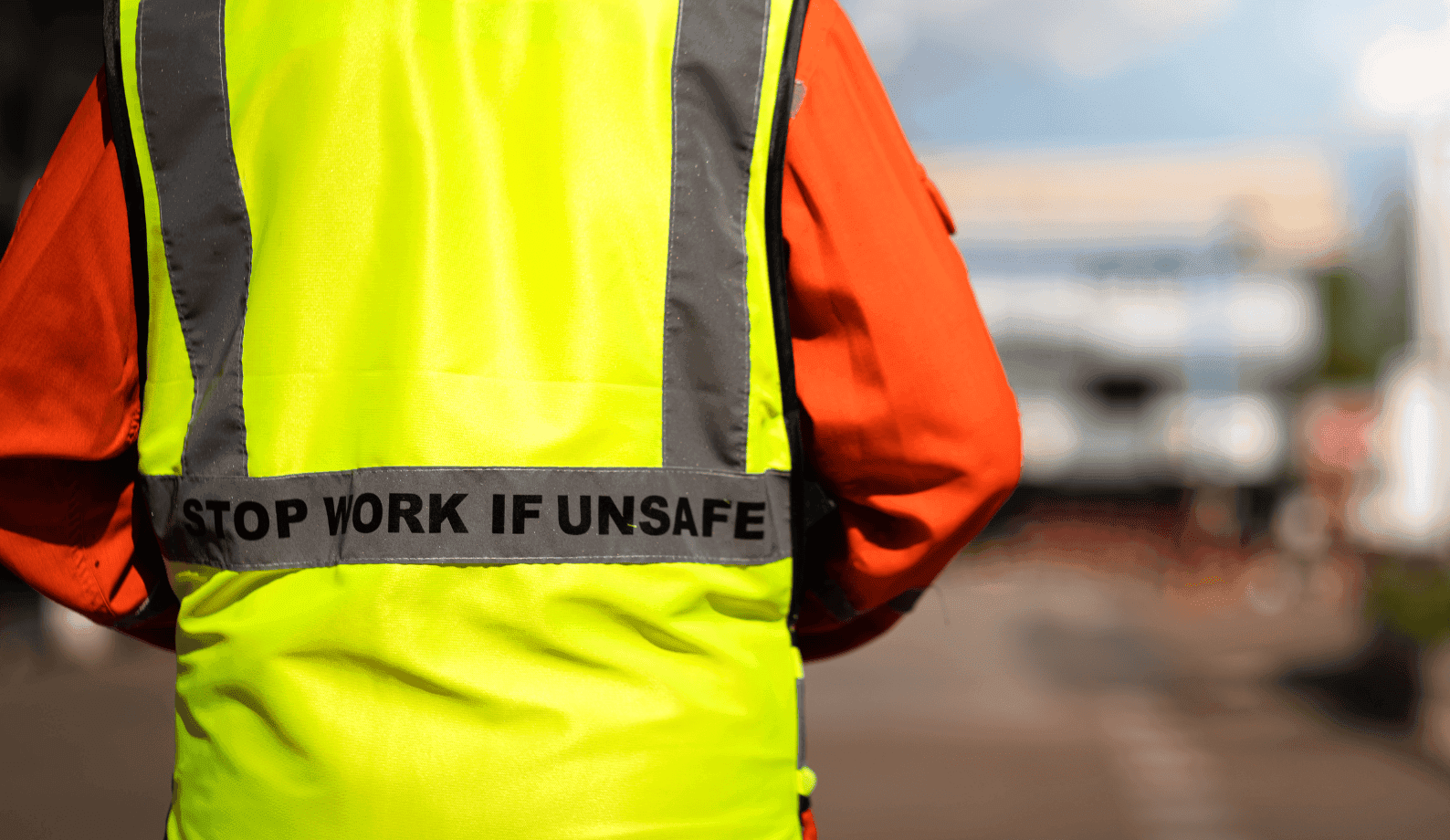
Before taking action, you need to know what qualifies as unsafe in your workplace. Not all risks are obvious, and some hidden health hazards can develop over time. Recognizing unsafe workplace conditions is the first step in protecting yourself and others.
Unsafe working conditions are any workplace situations that put employees at risk of injury, illness, or long-term health problems.
Some common signs include:
Ignoring hazards can lead to serious injuries, long-term health problems, or fatalities. It can also expose your employer to fines, legal action, or lawsuits. Familiarizing yourself with the Occupational Safety and Health Act (OSHA) standards and safety regulations helps you understand when and how to act.
Safety isn’t just the responsibility of management. Every employee has the right and duty to raise concerns and report unsafe workplace conditions to protect themselves and others while exercising their worker rights. Knowing who can report stops hazards from going unnoticed.
Anyone in the workplace can report unsafe working conditions, including:
Even if you aren’t directly responsible for safety, documenting hazards and reporting them protects both you and your colleagues. You can:
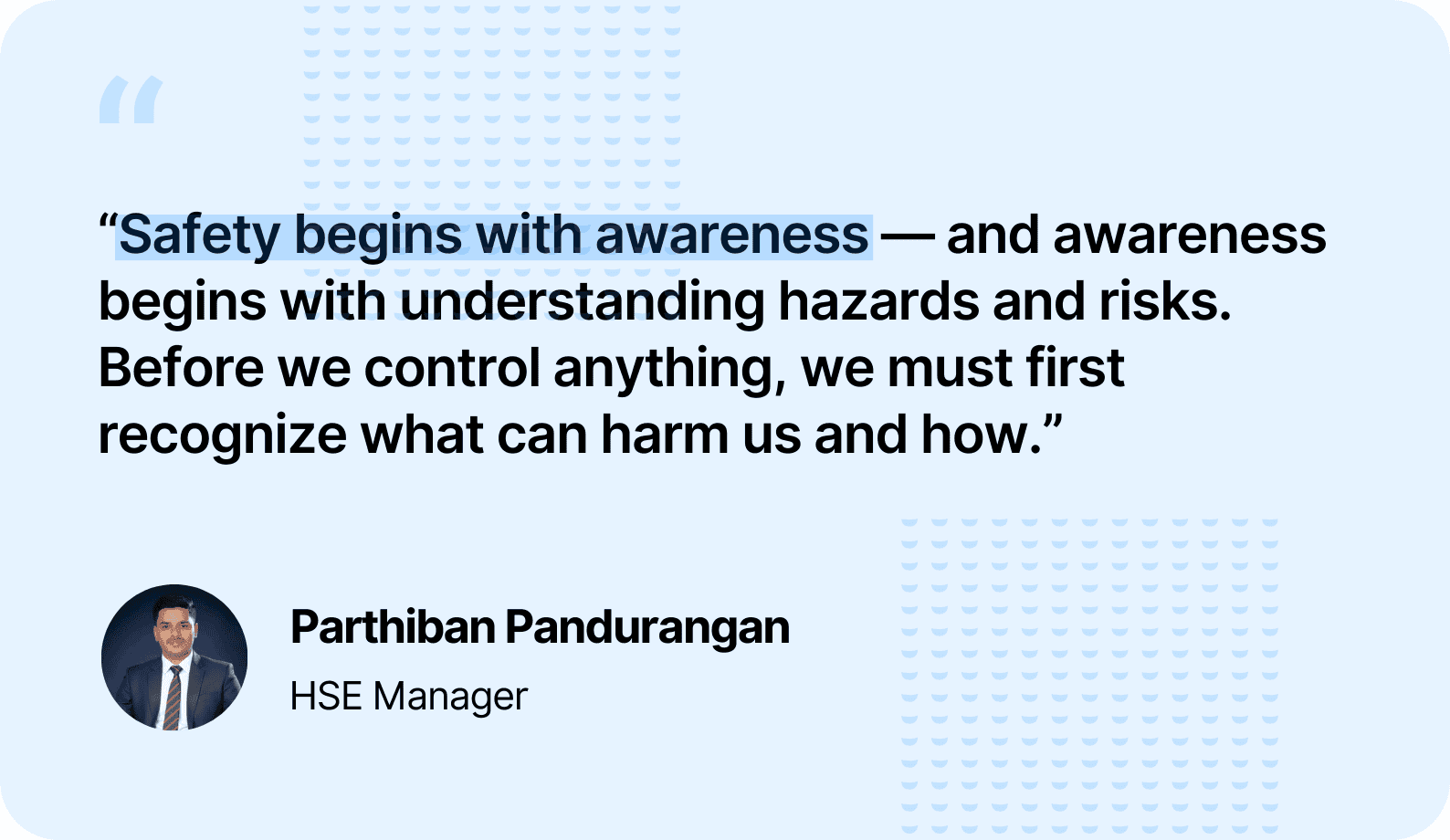
Knowing your worker rights shields you from retaliation and empowers you to act safely. Employers can’t retaliate against employees reporting hazards, even anonymously. Employees reporting unsafe conditions are protected by:
Retaliation includes termination, demotion, or harassment, all of which are illegal. If you experience retaliation, document it immediately and consult a labor attorney, union representative, or the Department of Labor.
Timing matters when addressing workplace hazards. The sooner a hazard is reported, the less likely it is to cause harm and the more likely it will be addressed effectively. Reporting early can prevent both injuries and costly claims for workers’ compensation.
Unsafe conditions should be reported immediately when:
Document hazards as soon as you notice them, including photos, timestamps, and who might be affected. This protects you if you need to escalate the issue to the Department of Labor or file an OSHA complaint.
Reporting is more effective when approached systematically. This five-step approach helps make sure your concern is taken seriously and legally protects you.
Before reporting, gather evidence. Take notes and, if possible, photos. Clear documentation strengthens your case and speeds up corrective action during an OSHA inspection or internal review.
Include:
Start within your organization whenever possible. Internal reporting is usually the fastest way to fix hazards and maintain a safe work environment.
This might include:
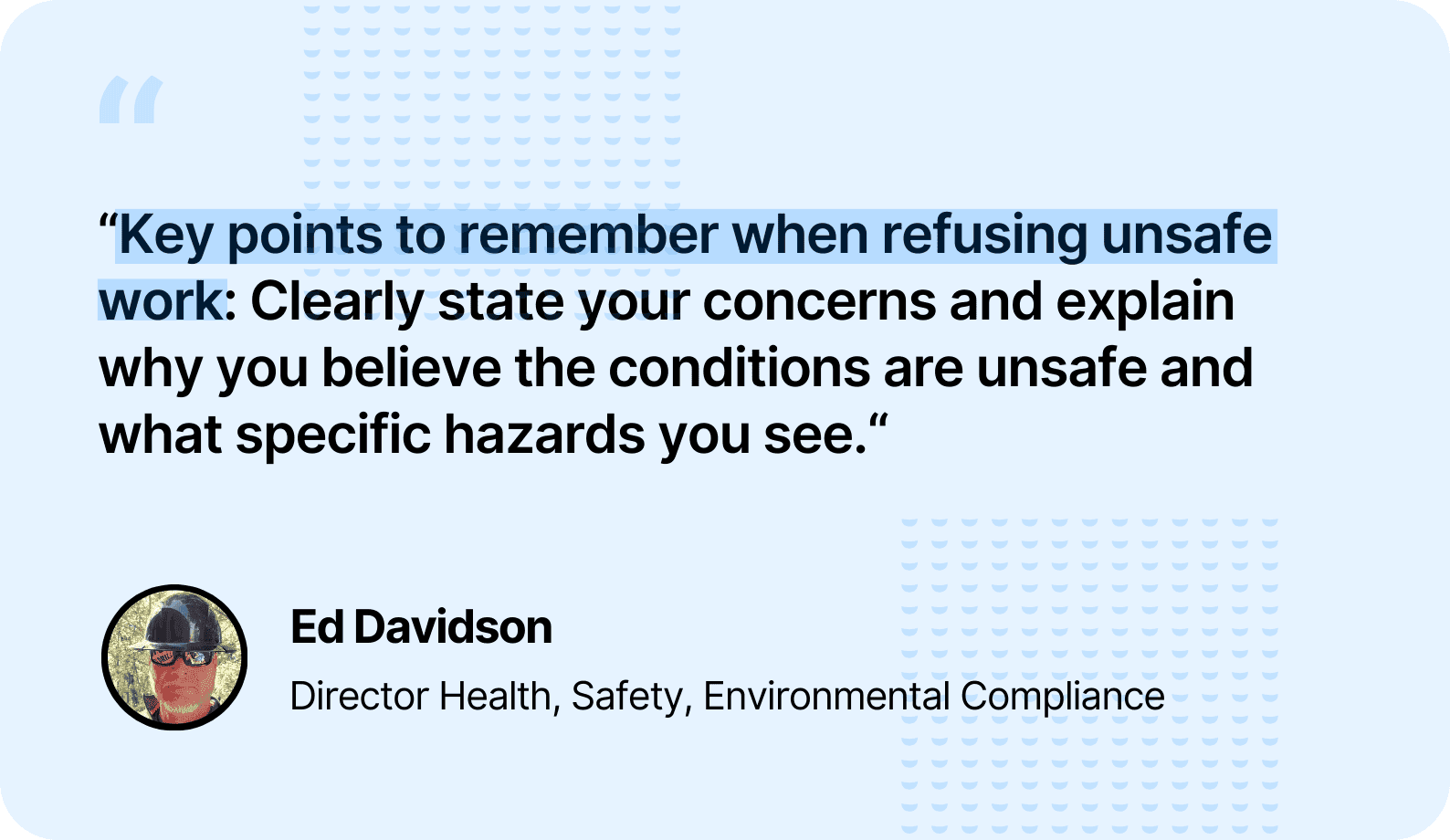
Use company reporting tools or whistleblowing platforms like FaceUp for confidential incident tracking. This guarantees your concerns are formally documented and aligns with best practices for reporting incidents in the workplace.
If internal reporting doesn’t work, external agencies can step in to enforce safety regulations and protect your rights.
Include all documentation and explain the steps already taken internally. OSHA can perform OSHA inspections and enforce corrective actions.
When fear of retaliation is high, reporting anonymously is a safe option. Platforms like FaceUp allow employees to report unsafe conditions confidentially, so management can act without exposing the reporter.
Reporting doesn’t end with submission. Tracking responses ensures hazards are corrected and reduces the risk of future workplace injuries.
After reporting:
Documenting follow-up is crucial, especially if you later pursue an unsafe workplace lawsuit or claim for workers’ compensation.

Practical examples help employees identify hazards in their own work environment. Here’s what to watch for across industries:
Construction:
Manufacturing/Warehousing:
Healthcare:
Retail:
When documenting, take a photo or video if safe. It helps management and authorities understand the severity of safety hazards. Recognizing these hazards helps employees report them with accuracy, increasing the likelihood of timely intervention.
Employers have a legal and ethical duty to maintain a safe work environment. Understanding these responsibilities helps you know what to expect and strengthens your case if hazards are ignored.
Key employer responsibilities include:
| Responsibility | What It Means | Legal Reference |
| Provide PPE and safety training | Ensure all employees have access to necessary helmets, gloves, respirators, and protective clothing. Conduct regular safety training on equipment and hazard awareness. | OSHA standards, Occupational Safety and Health Act |
| Maintain equipment and facilities | Keep machinery in safe working order, inspect building infrastructure, ensure emergency exits are clear, and address ventilation, lighting, and chemical storage issues. | OSHA standards, state workplace safety regulations |
| Respond promptly to hazard reports | Take internal reports seriously, investigate documented hazards, and implement corrective actions in a timely manner. | OSHA complaint procedures, Department of Labor guidance |
| Protect employees from retaliation | Employees reporting hazards, formally or anonymously, cannot face termination, demotion, harassment, or any form of punishment. | OSHA whistleblower protections, federal and state laws |
| Comply with safety regulations | Follow all OSHA and local government safety regulations, maintain records of incidents, and cooperate with inspections. | OSHA Act, state safety plans |
Practical examples of employer accountability in action:
When employers meet these responsibilities, the risk of workplace injuries drops, and employees can feel confident that their rights are protected.
If they fail to act, employees can escalate concerns to OSHA, state labor departments, or local governments, and even pursue legal remedies such as an unsafe workplace lawsuit or workers’ compensation claims.
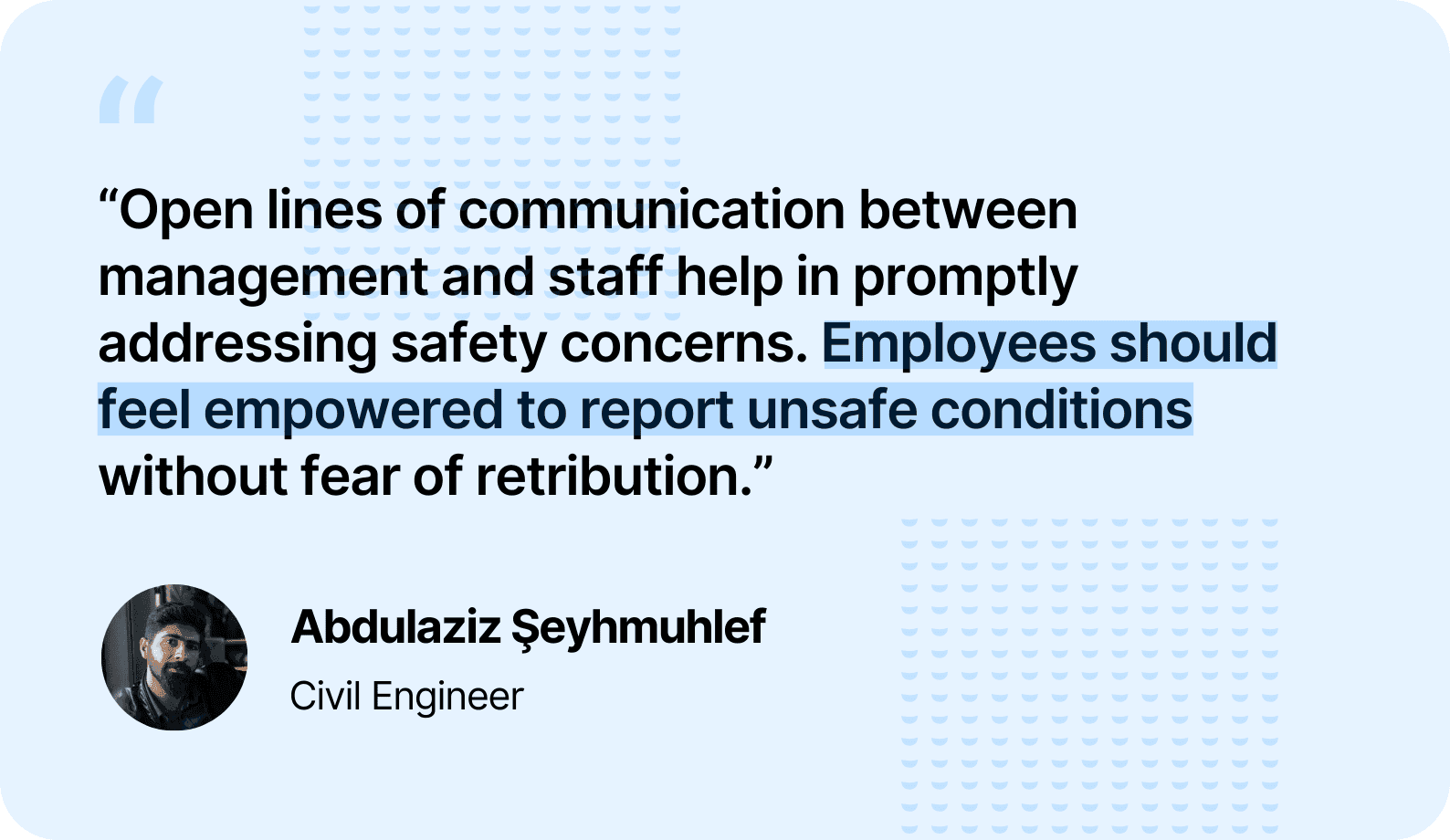
Employers are legally required to provide PPE at no cost to employees when hazards are present. This includes gloves, helmets, respirators, and protective clothing. If your employer refuses, it’s considered a violation of unsafe working conditions laws.
Workers should know:
If PPE is missing, report it immediately. Don’t improvise unless it’s safe. Using improper gear can worsen injuries.
Sometimes management won’t act. Here’s how to escalate responsibly to maintain a safe work environment.
If ignored repeatedly, legal action may be warranted, including filing an unsafe working conditions lawsuit. Legal counsel can guide next steps and ensure protections under labor law.
While reporting is essential, prevention is equally important. Taking steps before hazards occur saves workplace injuries and reduces legal risk. Here’s what companies should do:
A proactive approach reduces incidents, improves morale, and maintains compliance with OSHA standards. Many states also have local offices that can guide employees on filing complaints and understanding protections.
Encouraging transparency and accountability supports a safe workplace culture.
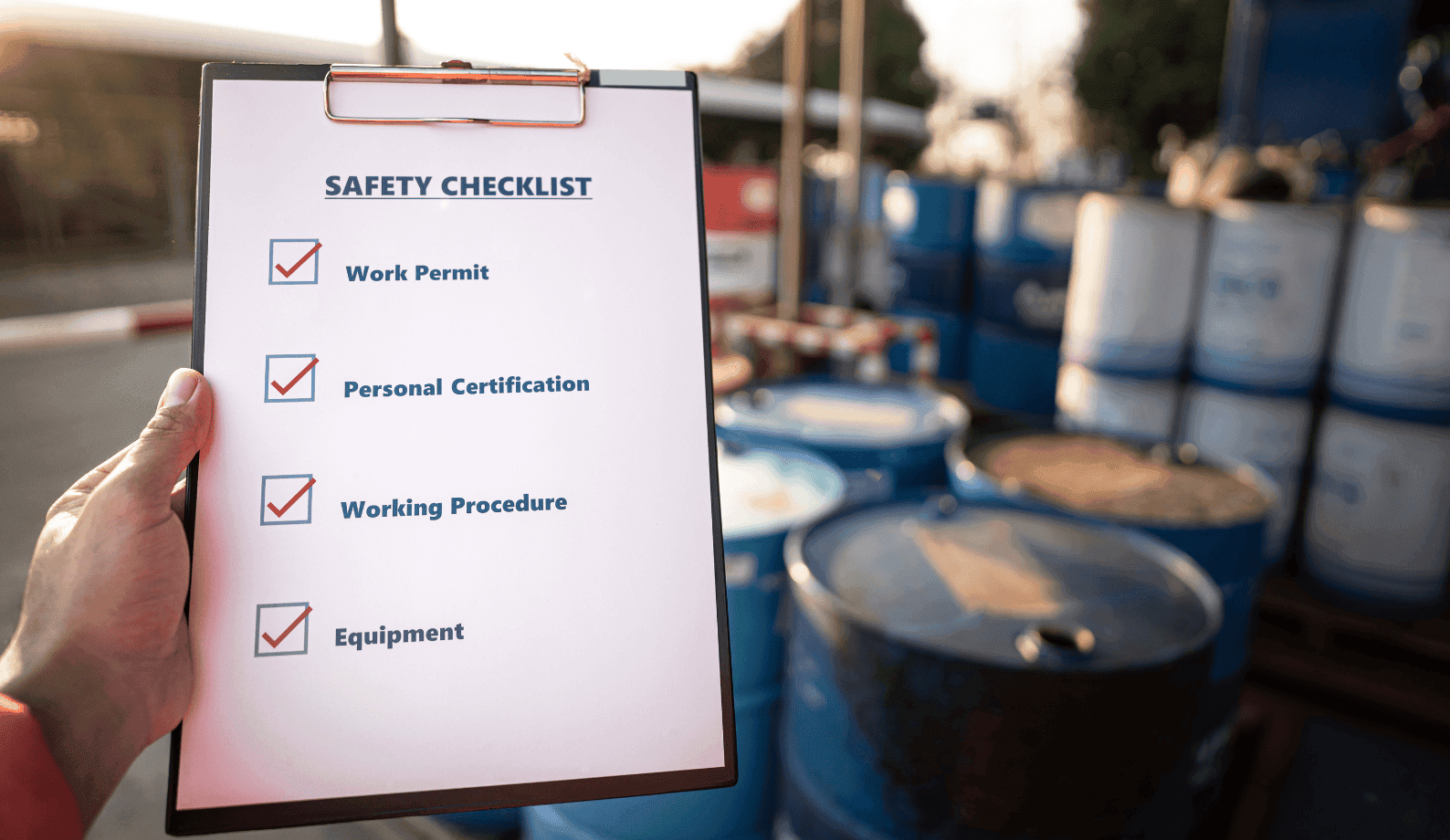
Reporting unsafe working conditions protects lives, upholds your rights, and strengthens workplace culture. Follow internal channels, escalate when needed, and use tools like FaceUp to report hazards confidently. Understanding your rights and the reporting process empowers you to act quickly, whether the risk is immediate or recurring.
Creating a culture of safety starts with awareness, courage, and clear reporting procedures. Every employee has the power to make a workplace safer for themselves and their colleagues.
Book a FaceUp demo today to start the process of making your workplace safer.
Keep Reading
Alaa El-Shaarawi2026-10-0510 min
Legal & Compliance

Alaa El-Shaarawi2026-10-028 min
Legal & Compliance

Alaa El-Shaarawi2026-09-249 min
Legal & Compliance
Alaa El-Shaarawi2026-09-095 min
Legal & Compliance