

Bring All Confidential Reports Into One Secure Place
We’ll assess your needs and recommend the right setup for anonymous reporting or surveys - aligned with your compliance or HR goals.
Legal & Compliance

Alaa El-Shaarawi
Copywriter and Content Manager
Published
2026-02-23
Reading time
8 min

Table of contents
Subscribe to our newsletter

Termination is rarely just a single moment. It often follows performance concerns, workplace conflict, or business restructuring. But when termination of employment involves retaliation, discrimination, wage disputes, or breaches of employment contracts, it becomes a serious legal and employment law risk.
For employees, questions usually start after the fact. What counts as wrongful termination or unlawful dismissal? Was termination without cause under at-will employment legal? Where can someone safely report unpaid wages, forced overtime, or other employment law violations?
For HR leaders, general counsel, and compliance teams, the pressure starts much earlier. How do you prevent wrongful termination and breach of contract claims, run fair and consistent HR investigations, and address wage and hour risks before they escalate?
How do you demonstrate that your compliance program actually protects against retaliation, unlawful dismissal, and costly litigation?
This guide walks through the legal landscape of wrongful termination, unlawful contract termination, and wage disputes, then explores practical HR and compliance strategies organizations can use to reduce legal risk, strengthen whistleblowing compliance, and build employee trust.
Wrongful termination occurs when an employer ends an employment relationship for reasons that violate employment law, federal laws, contractual agreements, or are in violation of public policy.
The terms wrongful termination, unlawful termination, and wrongful discharge are often used interchangeably across jurisdictions, particularly in wrongful termination cases involving illegal reasons for dismissal.

Typical unlawful termination examples often involve employer actions that interfere with employee legal rights or whistleblower protections. These may include:
Many employers rely on at-will employment or termination-without-cause policies. These policies allow employers to end employment relationships without providing justification. However, at-will employment cannot override employee protection laws, whistleblower protections, or contractual obligations outlined in employment contracts or employee handbooks.
Most wrongful termination cases don’t begin with a dramatic firing or obvious legal violation. They usually develop over time through small employer actions, inconsistent enforcement of company policies, overlooked employment contract provisions, or responses to employees reporting illegal activities.
Looking at real workplace scenarios helps employees identify potential violations of legal rights while helping organizations prevent unlawful contract termination and wrongful discharge claims.
Whistleblower retaliation remains one of the most frequent causes of wrongful termination cases globally. In practice, that means that employees who report discrimination, fraud, sexual harassment, occupational safety concerns, or employment law wage hour issues may later experience disciplinary action or termination.
Retaliation doesn’t always appear obvious. Subtle forms often include:
These patterns often surface months after protected activities occur, making consistent documentation essential when investigating potential wrongful termination claims.
Learn how FaceUp's ethics hotline helps employees report retaliation and wage violations anonymously. Safe reporting channels significantly reduce unlawful contract risks and improve early detection before legal action is needed.
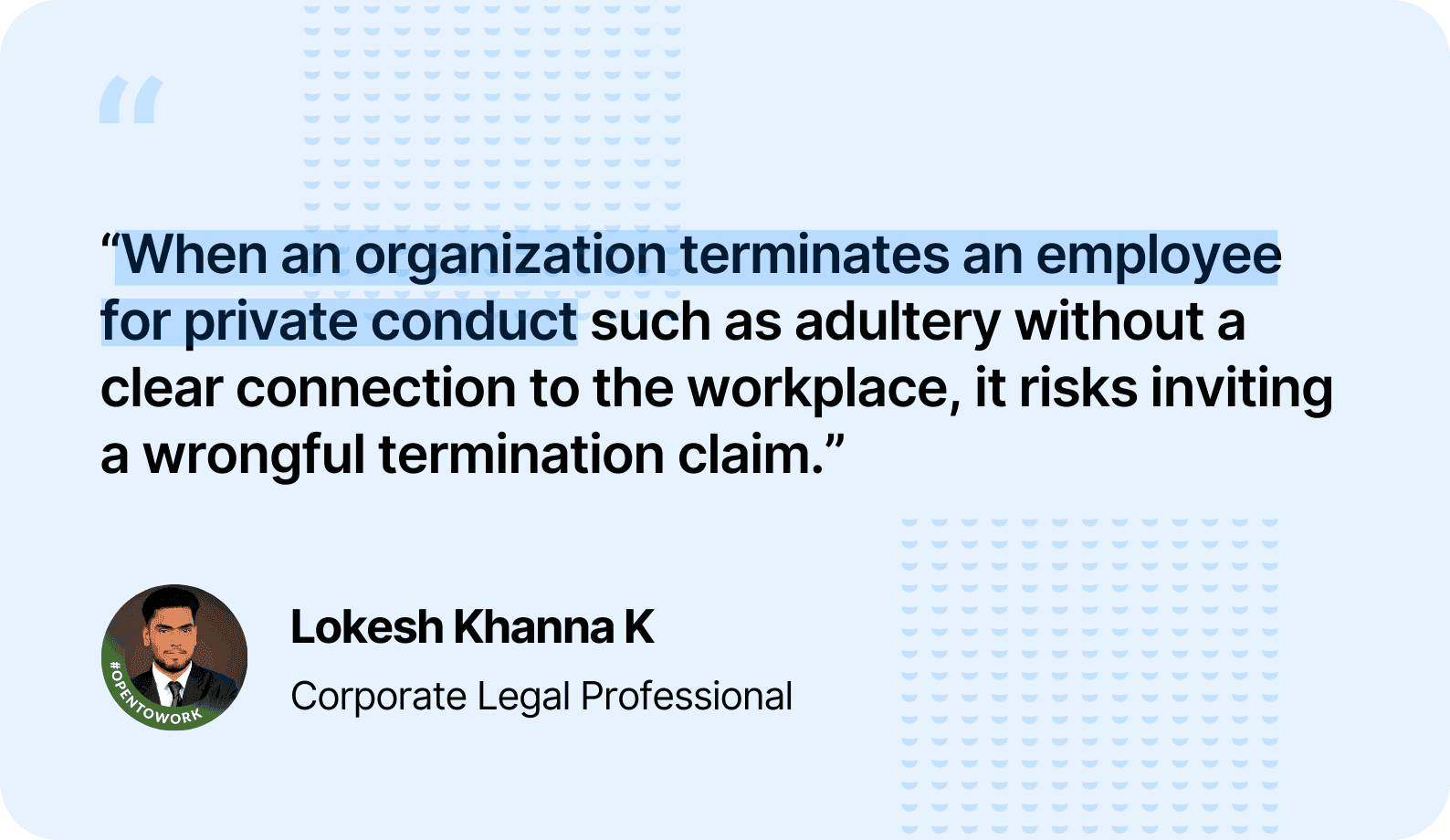
Cases involving private behavior often violate public policy territory. Unless personal conduct directly impacts business operations, violates employment contracts, or breaches legal obligations, termination decisions based on private activity can create exposure to wrongful termination lawsuits.
Termination decisions that ignore the procedures outlined in employment contracts, written agreements, or employee handbook policies are a common cause of unlawful contract disputes. Such breaches often form the basis for wrongful termination claims.
Common breach scenarios include:
Ignoring these obligations can result in legal action, reinstatement demands, and claims for lost wages or damages.
Wage theft is rarely discussed alongside termination disputes, yet the two issues frequently overlap in wrongful termination cases. Employees who report underpayment of wages, unpaid overtime, or forced unpaid overtime often face retaliation or termination of employment.
Wage theft includes a broad set of employment law wage and hour issues, such as:
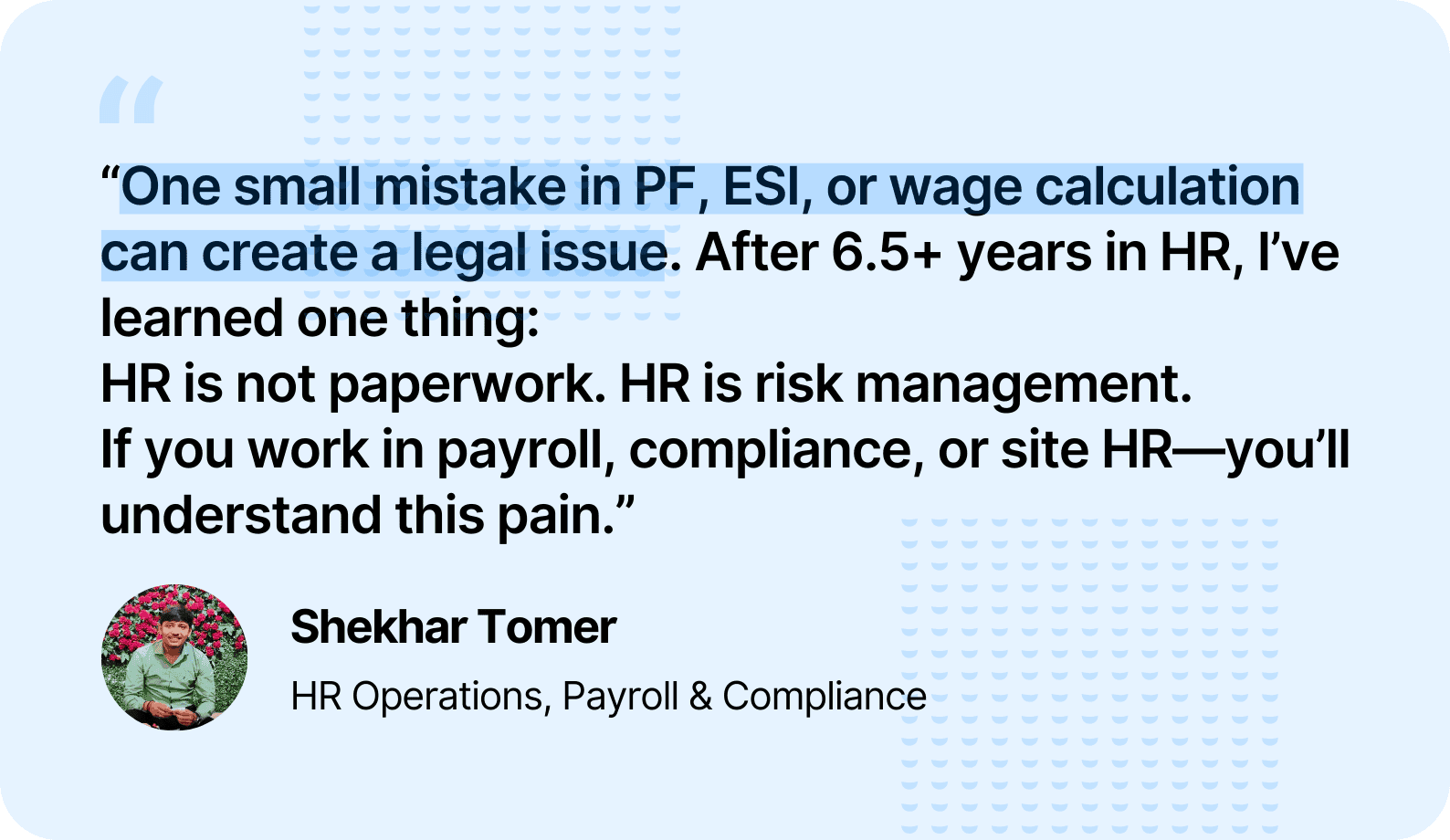
Employees frequently search for guidance on how to report wage issues, particularly when they fear retaliation or job loss. Common concerns include:
Reporting options vary depending on jurisdiction, employment relationship structures, and organizational reporting frameworks. Employees may use internal grievance systems, regulatory labor authorities, or whistleblowing platforms designed to protect anonymity and reduce retaliation risk.
Providing safe reporting channels helps organizations detect unlawful contract termination risks, employment law violations, and illegal or unlawful contract terms before they escalate into wrongful termination lawsuits.
Employee protection laws vary by country, but typically include federal laws, state laws, and employment acts designed to protect working conditions and prevent unlawful contract termination. These protections commonly address:
These regulations exist to prevent illegal or unlawful contracts that attempt to waive statutory employee rights. For example, employment contracts requiring unpaid overtime or limiting legally protected leave may qualify as unlawful contract examples.
Understanding these laws helps employees evaluate whether employer actions violate employment law or wrongful termination laws. For employers, compliance audits and policy reviews help identify termination risks before wrongful termination claims arise.
Practical example: Some jurisdictions, like the UAE, have very specific overtime rules.
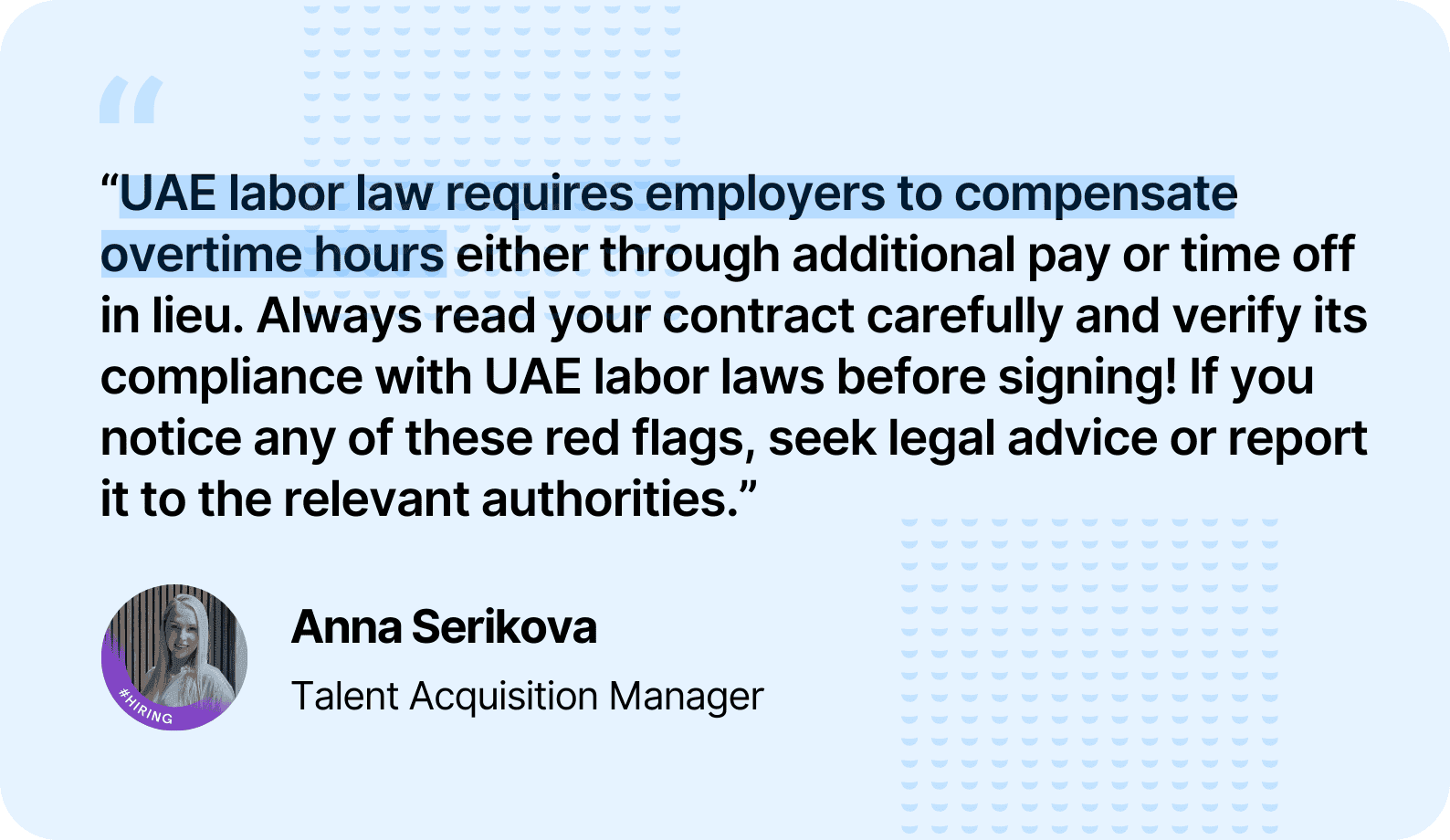
Understanding these risks is one thing; addressing them effectively requires structured processes, training, and tools that help HR and compliance teams stay ahead of potential claims.
Organizations that successfully reduce termination-related litigation and wage disputes focus on proactive compliance rather than reactive legal defense.
Employees often hesitate to report wage theft, misconduct, or violations of employment law due to fear of retaliation. Providing safe, confidential channels encourages early reporting, before small issues escalate into wrongful termination claims or unlawful contract disputes.
Whistleblowing platforms like FaceUp centralize complaint intake, document investigations, and help HR and compliance teams monitor potential risks, track retaliation patterns, and reduce exposure to legal action.
By combining anonymous reporting with structured case management, organizations can catch workplace issues early, strengthen compliance programs, and foster a culture of trust.
Wrongful termination and wage disputes rarely stem from a single decision. They often reveal deeper gaps in documentation, investigation consistency, leadership training, or employee reporting culture.
Employees need safe, trusted channels to raise workplace concerns. Organizations need structured compliance frameworks that detect risks early and support consistent, defensible decision-making.
Prevent wrongful termination claims with FaceUp's compliance reporting system. Download our HR Risk Mitigation Guide or Book a Demo to see how your organization can detect wage violations, reduce unlawful termination risk, and strengthen compliance workflows before issues escalate.

We’ll assess your needs and recommend the right setup for anonymous reporting or surveys - aligned with your compliance or HR goals.
Keep Reading
Alaa El-Shaarawi2026-10-0510 min
Legal & Compliance
Alaa El-Shaarawi2026-10-028 min
Legal & Compliance
Alaa El-Shaarawi2026-09-249 min
Legal & Compliance
Alaa El-Shaarawi2026-09-095 min
Legal & Compliance