Workplace Environment

Alaa El-Shaarawi
Copywriter and Content Manager
Published on
Reading time
7 min
Table of contents
Subscribe to our newsletter

You’re in a meeting when a colleague makes a comment about your clothes. You laugh it off, unsure if it’s really a problem. Later, another joke, a lingering look, a message after hours, and suddenly, work doesn’t feel safe anymore.
Sexual harassment doesn’t always hit like a headline. It often creeps in quietly, eroding confidence, trust, and well-being. For employees, it can affect mental health, productivity, and career progression. For organizations, ignoring it risks legal consequences, reputational damage, and fractured team culture.
This guide is for anyone navigating this difficult terrain: employees, managers, HR, DEI specialists, and leadership. You’ll learn how to recognize harassment when it’s subtle or overt, explore real workplace examples, understand the law, and take practical steps to prevent or report it.
By the end, you’ll know how to create safer, more inclusive environments where everyone can focus on their work, not their safety.

Sexual harassment is unwelcome behavior of a sexual nature that affects an employee’s work environment, employment opportunities, or well-being. It can be obvious or subtle, isolated or repeated, but the impact is always significant. People feel unsafe, unheard, and pushed out of spaces where they should be able to work without fear.
In the United States, Title VII of the Civil Rights Act prohibits sexual harassment and is enforced by the Equal Employment Opportunity Commission (EEOC). In the UK, employers have a legal duty to prevent harassment, not just respond after the fact. In both contexts, organizations carry the responsibility to create safe conditions, clear rules, and trusted reporting paths.
Sexual harassment can affect anyone, regardless of gender, sexual orientation, seniority, or contract type. It happens everywhere, from offices and factories to hospitals, schools, remote teams, and public institutions. The settings change, but the harm doesn’t.
Sexual harassment is about impact, not intent. Many people hesitate to label situations because it doesn’t feel obvious, but feeling uncomfortable is a valid signal.
Ask yourself:
If the answer is yes, the behavior may qualify as sexual harassment. Many employees doubt themselves at this stage, but hesitation is normal. Clear definitions help people feel more confident taking action.
In the U.S., Title VII requires employers to prevent and address harassment based on sex. The EEOC sets enforcement standards and investigates complaints when internal processes fail. For employees, this means you’re not expected to handle harassment alone. It’s an organizational responsibility.
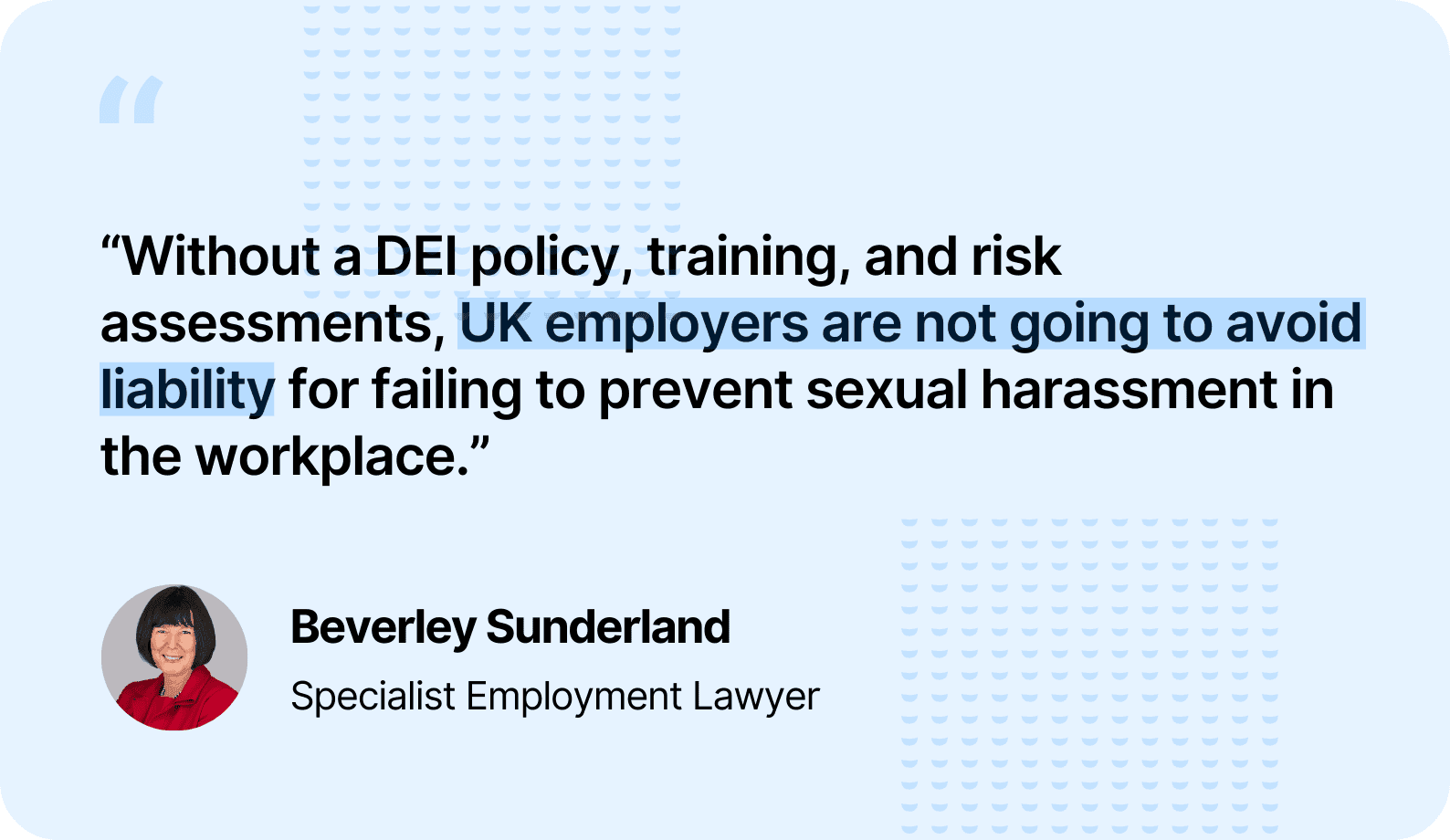
In the UK, legal expectations are increasingly proactive. Employers are required to have policies, training, and risk assessments in place to prevent harassment before it happens. Liability starts when prevention is neglected, not only when someone reports harm.
This reflects a growing understanding that silence isn’t neutrality. It's a risk.
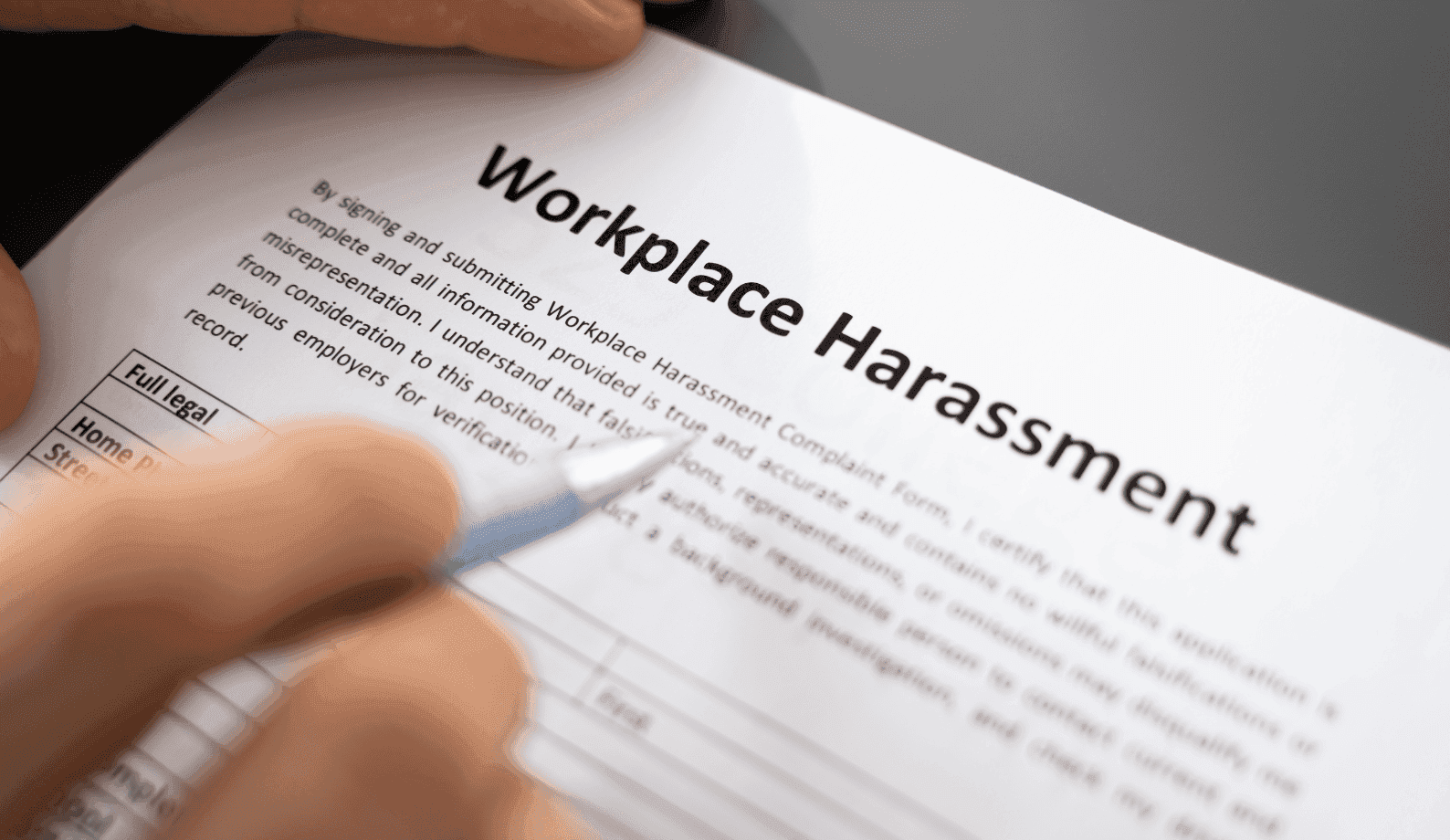
Harassment takes many forms, but the law generally groups it into two categories. Understanding these types helps employees, managers, and HR teams recognize and respond appropriately.
Quid pro quo harassment happens when job benefits are tied to sexual cooperation, usually involving a power imbalance.
Examples include:
This type is often easier to spot but harder to report because of fear of retaliation.
A hostile work environment develops when repeated or severe behavior makes work intimidating, offensive, or degrading. This can come from managers, coworkers, clients, or third parties.
Often, no single incident seems serious on its own, but over time, the environment becomes unsafe and exclusionary. Many cases go unreported because each moment feels small, but the cumulative effect is significant.
Seeing concrete examples helps everyone understand the line between professional behavior and harassment. Examples make it easier to recognize warning signs early, before patterns escalate.
Here are some common categories to guide understanding:
Modern whistleblowing platforms like FaceUp let employees report incidents safely and anonymously, giving HR teams the information they need to respond efficiently while ensuring even subtle unwanted sexual advances or physical contact are addressed without risk.
Sexual harassment rarely affects only one person. For employees, it often leads to stress, anxiety, loss of confidence, and disengagement from work. Many start avoiding meetings, changing schedules, or withdrawing from colleagues just to feel safe.
Over time, this can result in burnout, increased sick leave, or leaving a role entirely, often without ever reporting what happened.
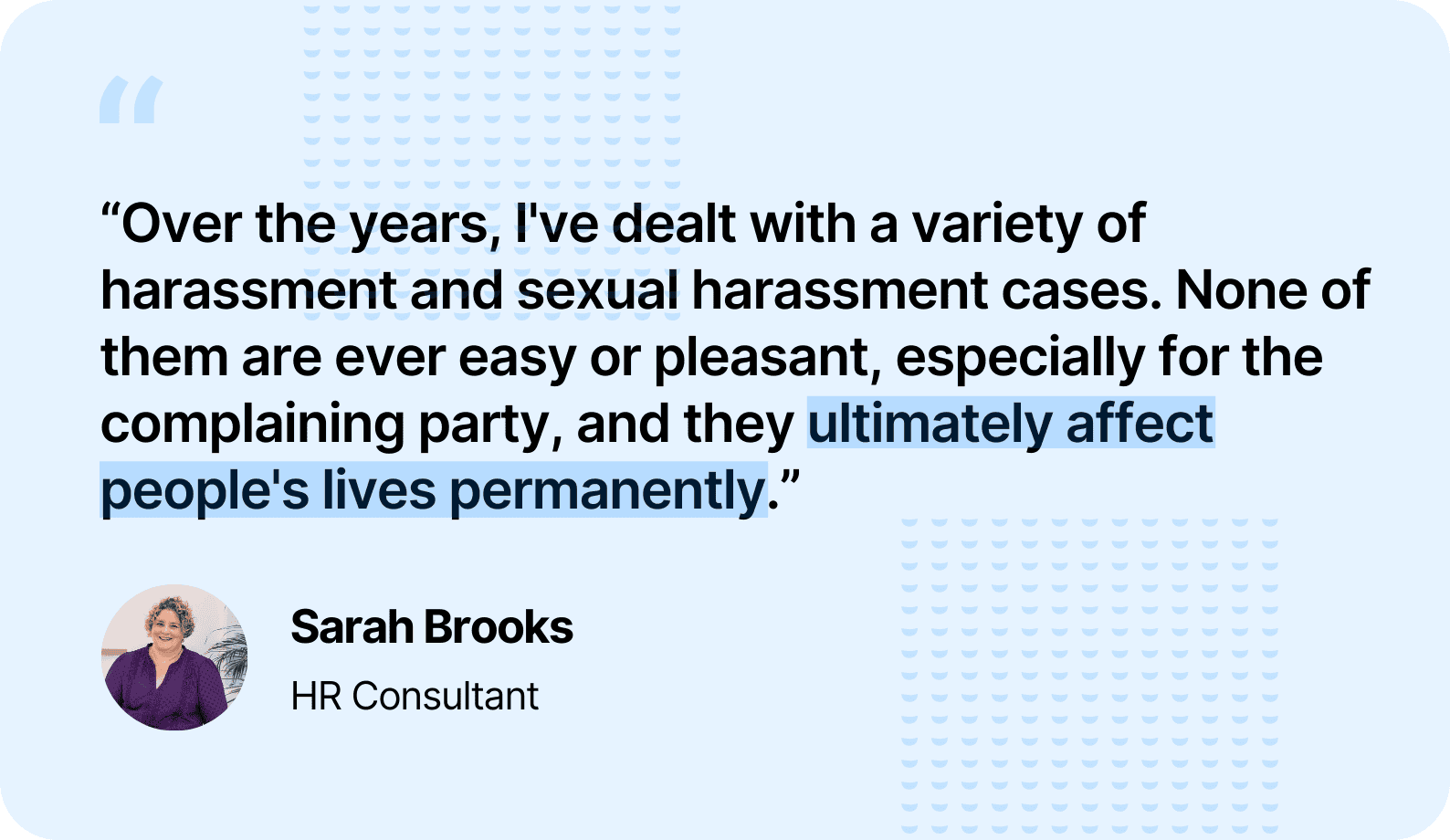
For organizations, unaddressed harassment increases legal risk, damages reputation, and weakens trust in leadership and HR. Teams stop speaking up, issues surface late, and a culture of silence forms. Preventing harassment protects people, sustains healthy teams, and supports ethical workplaces.
Most harassment doesn’t start with an obvious incident. It begins with small moments that feel off or uncomfortable.
Focus on experience, not intent:
Repeated small actions, comments about appearance, casual sexual jokes, and “accidental” touching can cross the line over time. If something keeps bothering you, it’s worth taking seriously.
Employers must prevent harassment, respond quickly when it happens, and protect people who speak up. This means:
When these steps are missing, trust erodes fast. Employees stop reporting, and problems grow quietly.
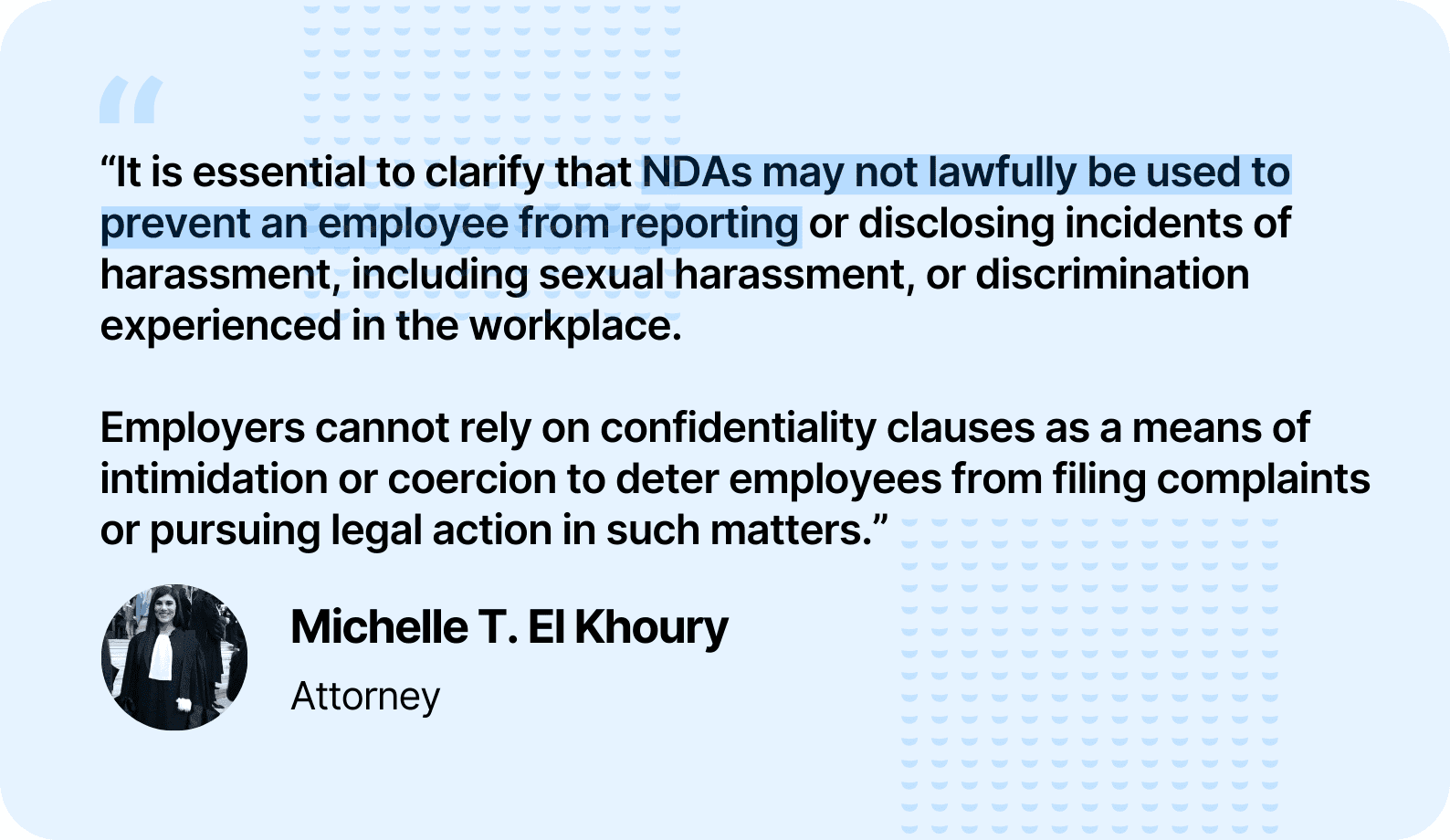
Many people freeze when harassment happens. That reaction is normal. A clear path helps. Start by:
Anonymous reporting tools let people speak up safely while giving HR the details they need to act.
Creating a harassment-free environment takes planning, awareness, and consistent effort. Small steps can make a big difference.
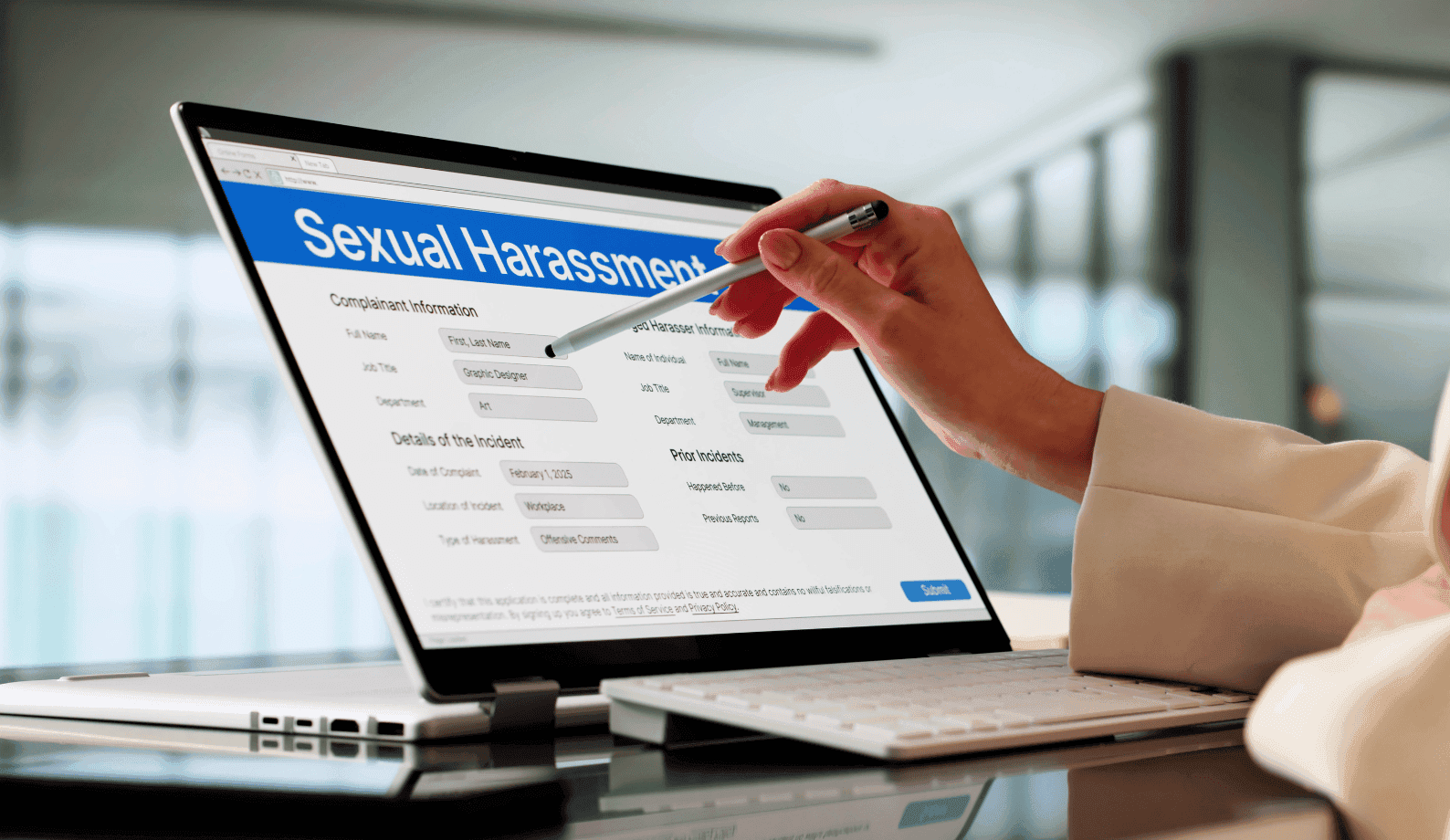
HR teams and leaders can take extra steps to make workplaces safer and more resilient:

A sustainable approach combines education, trusted reporting mechanisms, and strong leadership. Employees must feel safe reporting incidents without fear of retaliation.
Recognizing, preventing, and reporting sexual harassment is a shared responsibility. Clear policies, training, and accessible reporting channels make the difference between compliance and real safety.
Book a demo with FaceUp to see how your organization can respond confidently to workplace harassment.
Keep Reading
Alaa El-Shaarawi2026-10-0510 min
Legal & Compliance
Alaa El-Shaarawi2026-10-028 min
Legal & Compliance

Alaa El-Shaarawi2026-09-249 min
Legal & Compliance
Alaa El-Shaarawi2026-09-095 min
Legal & Compliance