

Bring All Confidential Reports Into One Secure Place
We’ll assess your needs and recommend the right setup for anonymous reporting or surveys - aligned with your compliance or HR goals.
Legal & Compliance

Alaa El-Shaarawi
Copywriter and Content Manager
Published
2026-02-25
Reading time
7 min

Table of contents
Subscribe to our newsletter

In many organizations, hazard identification in the workplace is framed as a safety responsibility. For compliance leaders, it’s something much bigger. It’s a clear signal of whether your governance model works before something goes wrong.
When hazard identification workplace processes are strong, risks surface early. When they're fragmented or inconsistent, they stay hidden until they become injuries, regulatory findings, or reputational damage.
Across mid-size and enterprise organizations, the same friction points appear again and again:
This guide looks at hazard identification in the workplace through the lens of workplace compliance and governance. Not just what it is, but how to operationalize it across complex, regulated environments.
Hazard identification is the structured process of recognizing conditions, behaviors, or system failures that could cause harm. For compliance leaders, it’s about uncovering hidden risks, understanding human behavior, and spotting system weaknesses before they lead to real problems.
In the workplace, hazard identification becomes the tool that lets your organization detect risks early. It’s the first stage of hazard and risk assessment, and it shows whether your risk management process is grounded in reality or based on incomplete data.
Hazards may include:
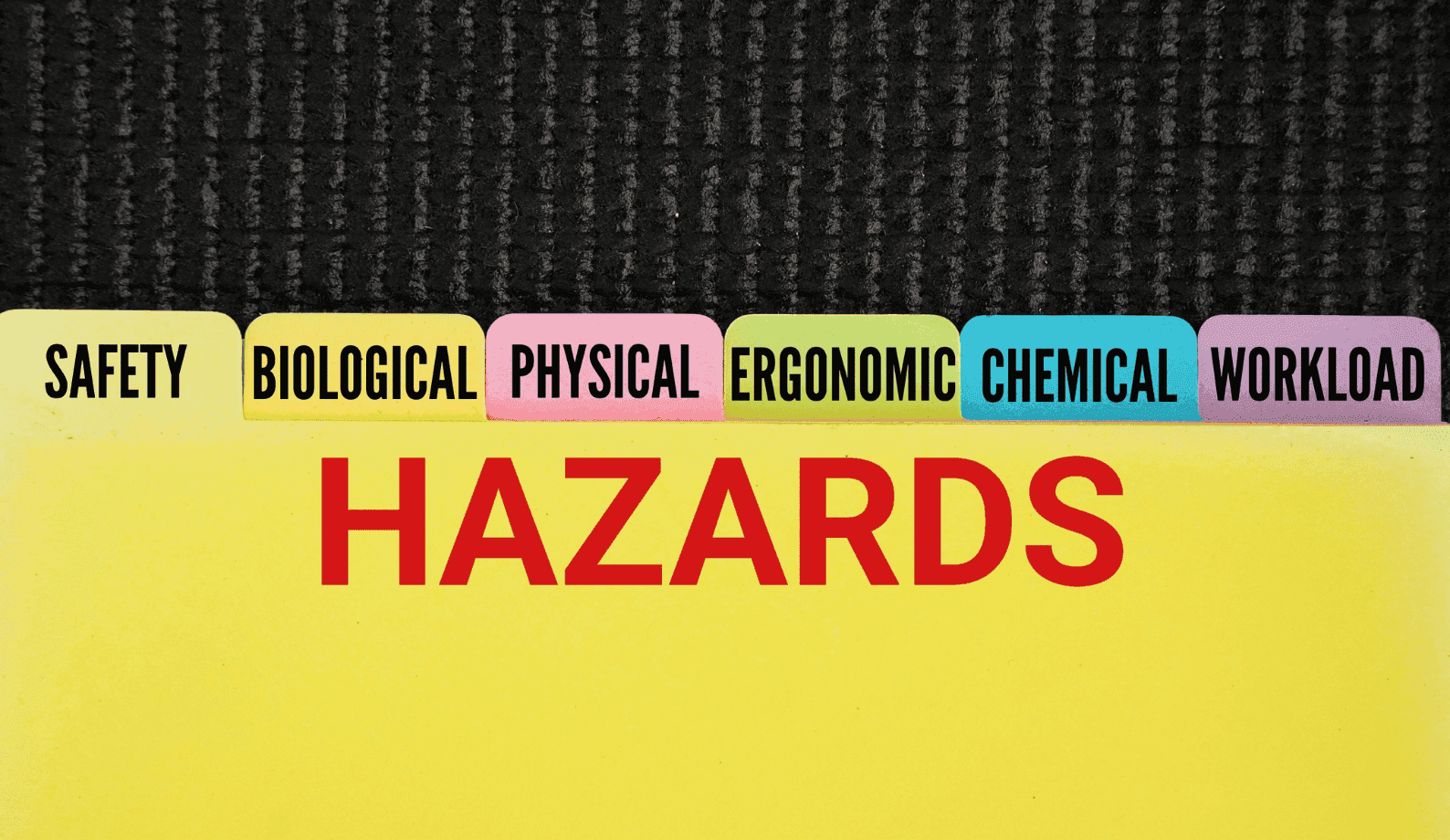
Many organizations focus heavily on visible safety hazards. Fewer treat cultural and reporting failures as hazards in their own right. That distinction matters. Because if employees don’t feel safe reporting, your hazard identification workplace process is already compromised.
On paper, most enterprises have workplace procedures for hazard identification. In practice, the process often looks very different across departments, sites, and regions.
One location conducts structured inspections with detailed checklists. Another relies on supervisor discretion. A third depends on informal conversations that never reach compliance. Over time, this decentralization creates blind spots.
Compliance teams lose the ability to compare identified hazards across locations. Leadership sees fragmented data. Internal audit struggles to validate effectiveness. When regulators ask for evidence of systematic hazard identification in the workplace, documentation is inconsistent.
Standardization isn’t about control for its own sake. It’s about visibility.
A defensible hazard identification process should consistently include:
Without this structure, hazard recognition becomes anecdotal rather than auditable.
So what does a strong hazard identification workplace framework actually look like? It relies on multiple, complementary methods.
Regular inspections supported by a workplace hazard identification checklist help uncover physical hazards, PPE gaps, tripping hazards, and unsafe work practices. They create consistency and reduce reliance on memory or informal reporting.
But inspections alone rarely surface deeper cultural or compliance risks, especially those that require workers to feel confident reporting them.
According to the 2024 ACFE Report to the Nations, only about 3–4 % of workplace issues were first uncovered by audits or inspections. Proactive mechanisms like employee tips accounted for 43 % of initial discoveries, more than three times as many as other methods combined.
This highlights that while inspections are essential, they must be paired with a culture and training program that teaches people what to look for and how to speak up when they spot something amiss.
Job hazard analysis breaks tasks into individual steps and evaluates safety risks at each stage. This is particularly important in manufacturing, healthcare, pharmaceuticals, and energy environments where specific work practices create recurring exposure.
Near misses often reveal hazards before they cause harm. By training staff to spot and report these incidents, organizations can turn near misses into valuable insights, improving hazard and risk identification at every level.
This is where many compliance programs struggle. Employees may hesitate to report identified hazards in the workplace due to fear of retaliation, career consequences, or being labeled a troublemaker. Even when formal policies exist, trust may not.
A secure whistleblowing system expands hazard identification beyond what inspections can capture. Strong anonymous reporting functionality, including protected two-way communication, increases participation and credibility.
For urgent concerns, a 24/7 ethics hotline provides access outside standard working hours.
When these channels are integrated into your hazard identification workplace framework, hidden risks become visible.
Internal audit findings, workers’ compensation claims, and safety program reviews often reveal patterns that frontline reporting misses. When this data is centralized, it strengthens enterprise-wide hazard risk identification.
Our overview of the best workplace compliance tools explores systems that support identifying workplace risks across departments.
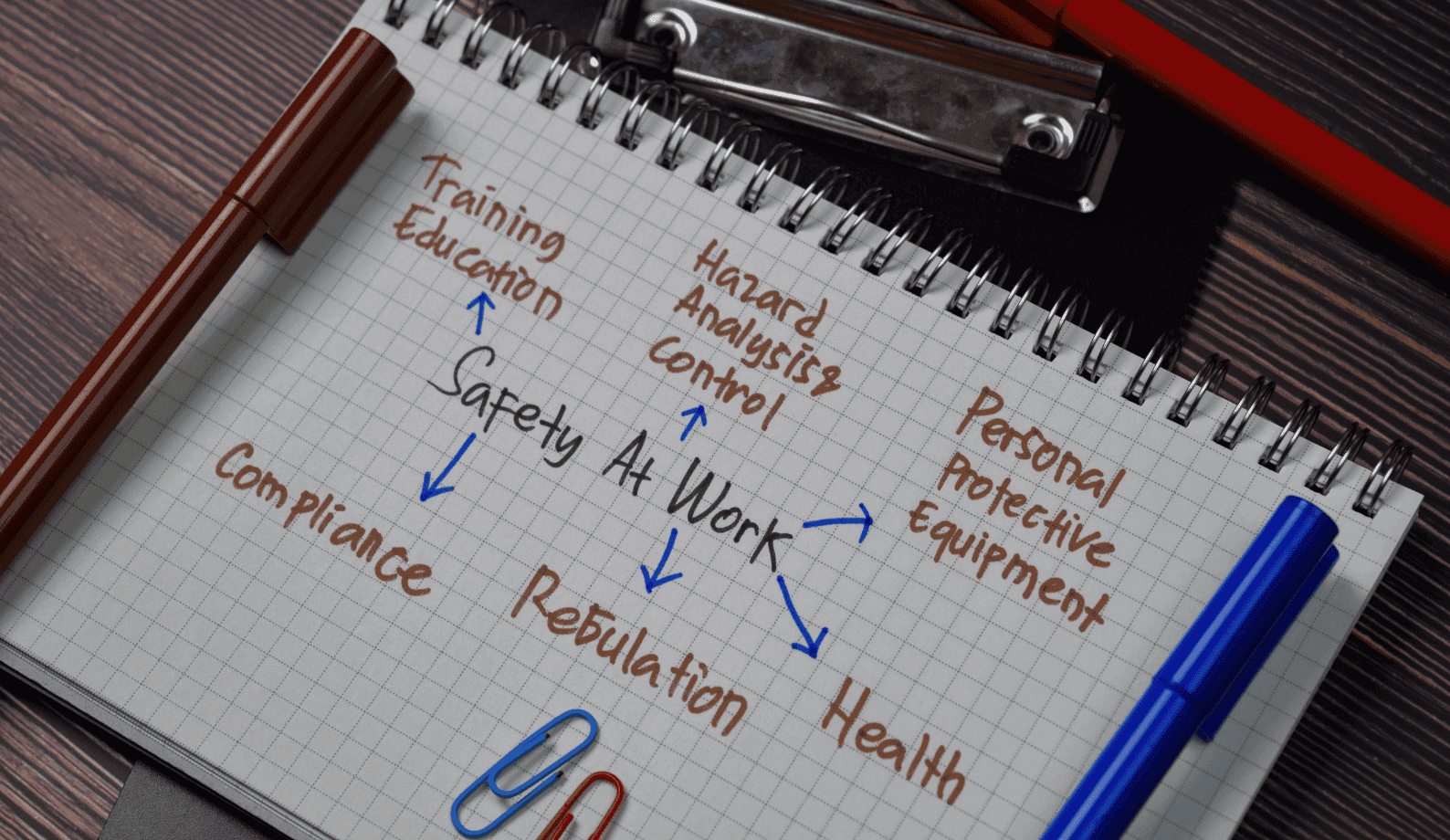
Even when reporting channels exist, many organizations face another challenge: fragmentation.
Hazard reports may sit in safety software. Whistleblowing cases live in a separate ethics reporting system. Compliance metrics are tracked in spreadsheets. HR manages sensitive cases via email. The result is a siloed view of risk exposure.
Leadership can’t easily see trends across business units. Escalations are delayed. Duplicate investigations occur. Audit trails become harder to defend. For compliance teams accountable to boards and regulators, this fragmentation undermines the credibility of the entire hazard identification workplace program.
Integrated compliance solutions help unify hazard identification, whistleblowing compliance, and workplace incident management into one structured workflow. Instead of collecting reports in isolation, the organization builds a connected risk picture.
FaceUp’s compliance solutions are built specifically for legal and compliance teams who need traceable oversight across safety and ethics reporting.
Identifying hazards is only the beginning. A workplace risk assessment evaluates the likelihood and severity of identified hazards and determines appropriate control measures.
Effective hazard identification and assessment of risk and opportunities translates into:
Control measures typically follow the hierarchy of controls: elimination, substitution, engineering controls, administrative controls, and personal protective equipment.
For compliance leaders, the key question isn’t whether a hazard was identified. It’s whether hazard controls were implemented, verified, and documented in a way that withstands audit scrutiny.
Without traceability, hazard identification and assessment become procedural rather than preventative. Our article on how to ensure workplace compliance expands on building preventive compliance systems to strengthen proactive governance.
Another common friction point is manual follow-up. In many organizations, hazard reports are forwarded by email. Status updates are stored in spreadsheets. Escalations rely on individual memory. Investigation documentation varies by manager.
These manual processes create delays and audit trail gaps.
Workplace incident management should include:
When hazard identification workplace workflows are automated and centralized, compliance teams reduce response times and strengthen documentation.
For teams rolling out structured processes, our practical risk assessment checklist can help align hazard identification procedures across locations.

Boards and regulators expect evidence of proactive risk management. That expectation is increasing. The challenge is measurement.
Low reporting rates may indicate underreporting, not safety. High reporting rates may reflect improved trust rather than higher risk exposure.
Useful indicators include:
If compliance teams cannot clearly demonstrate hazard identification and correction outcomes, they may struggle to prove that risks are being addressed before escalation.
Even the best-designed workplace hazard identification procedures depend on people.
Operational realities complicate participation:
Employees are more likely to participate in hazard identification at the workplace when they see visible action.
Clear communication about corrective measures, protection of anonymity, and consistent non-retaliation messaging strengthen speak-up culture. Over time, this transforms hazard identification from a compliance obligation into a shared responsibility.
This is how organizations can improve workplace safety and support long-term resilience.
Hazard identification in the workplace is the system that determines whether risks surface early or escalate quietly.
When hazard identification workplace processes are standardized, integrated, and measurable, compliance teams gain more than operational clarity. They gain defensibility.
They can show regulators how risks are identified. They can show boards how hazards are assessed. They can demonstrate that corrective actions are implemented before crises unfold.
Ready to close the gap between hazard identification and resolution? Book a demo today.
We’ll assess your needs and recommend the right setup for anonymous reporting or surveys - aligned with your compliance or HR goals.
Keep Reading
Alaa El-Shaarawi2026-10-0510 min
Legal & Compliance
Alaa El-Shaarawi2026-10-028 min
Legal & Compliance
Alaa El-Shaarawi2026-09-249 min
Legal & Compliance
Alaa El-Shaarawi2026-09-095 min
Legal & Compliance