Legal & Compliance

Alaa El-Shaarawi
Copywriter and Content Manager
Published
2025-12-03
Reading time
7 min
Table of contents
Subscribe to our newsletter

Imagine walking into an office where everything seems smooth on the surface. Employees meet deadlines, policies are posted, and the company handbook looks pristine. But beneath that calm exterior, tiny cracks are forming.
Take Wells Fargo. The cross-selling scandal that shook the bank didn’t happen overnight. Employees opened millions of unauthorized accounts, not because policies were unclear, but because monitoring was fragmented, reporting channels underused, and the culture of compliance wasn’t embedded. Small lapses snowballed into years of non-compliance, massive fines, and a damaged reputation that took years to recover.
This story illustrates how workplace compliance isn’t just about rules, but about systems, habits, and a culture that make compliance second nature.
This guide is for compliance officers, HR leaders, internal auditors, legal executives, risk managers, and operations managers who want to turn compliance from a reactive effort into a proactive, reliable system embedded in operations and culture.

Workplace compliance covers all laws, regulations, and internal policies that protect employees and keep organizations operating legally and ethically. This includes:
Compliance is the foundation of a work environment where people feel safe, treated fairly, and able to do their best work. When organizations get it right, they prevent the things no one wants to deal with like accidents, messy legal disputes, data breaches, or questionable behavior that damages trust.
A strong compliance culture matters just as much as the rules themselves. Employees should understand policies, follow them consistently, and feel safe speaking up. Organizations that invest in onboarding, regular training sessions, and clear communication are much less likely to run into compliance issues.
Even organizations with strong policies can struggle when the systems meant to support them break down. Common pitfalls include:
At the end of the day, a policy without follow-through is just a sentence on paper.
Compliance gaps can appear in any organization, even those with extensive training and documentation. The cases below show how issues like poor oversight, slow escalation, or cultural pressures can quickly turn into major problems.
| Case | What Went Wrong | Key Takeaway |
| Boeing – Safety & Reporting Failures | Monitoring flagged issues, but audits weren’t escalated; whistleblower reports weren’t systematically reviewed. | Ignoring audit signals and employee reports can lead to systemic safety failures. |
| Wells Fargo – Culture & Monitoring Blind Spots | Automated monitoring missed unrealistic sales activity; culture discouraged reporting. | Monitoring tools fail without a healthy compliance culture. |
| Starbucks – Wage & Scheduling Issues | Operational reviews missed scheduling anomalies; audits caught issues too late; reporting was inconsistent. | Regular operational monitoring and consistent reporting workflows are essential. |
| McDonald’s – Reporting Gaps | Reports weren’t escalated properly; monitoring was fragmented; audits failed to spot recurring issues. | Structured reporting channels and follow-up turn observations into action. |
| Uber – Worker Classification Risks | Audits were too narrowly scoped; reporting and escalation around classification concerns were inconsistent. | Risk-based audits with broader scope catch hidden compliance issues early. |
| Amazon – Warehouse Safety | Daily checks varied by site; issues weren’t escalated promptly; regulators intervened. | Consistent monitoring and timely escalation prevent workplace safety violations. |
The most effective compliance programs don’t treat monitoring, audits, and reporting as separate silos. They treat them as a connected ecosystem, reinforced by culture and supported by technology. Here’s how to improve compliance in the workplace:
Monitoring is your early warning system. It shows you what employees are actually doing, not just what they say they're doing.
Modern platforms like FaceUp’s HR compliance tools centralize these alerts, bringing everything into one dashboard instead of scattered spreadsheets or reports.
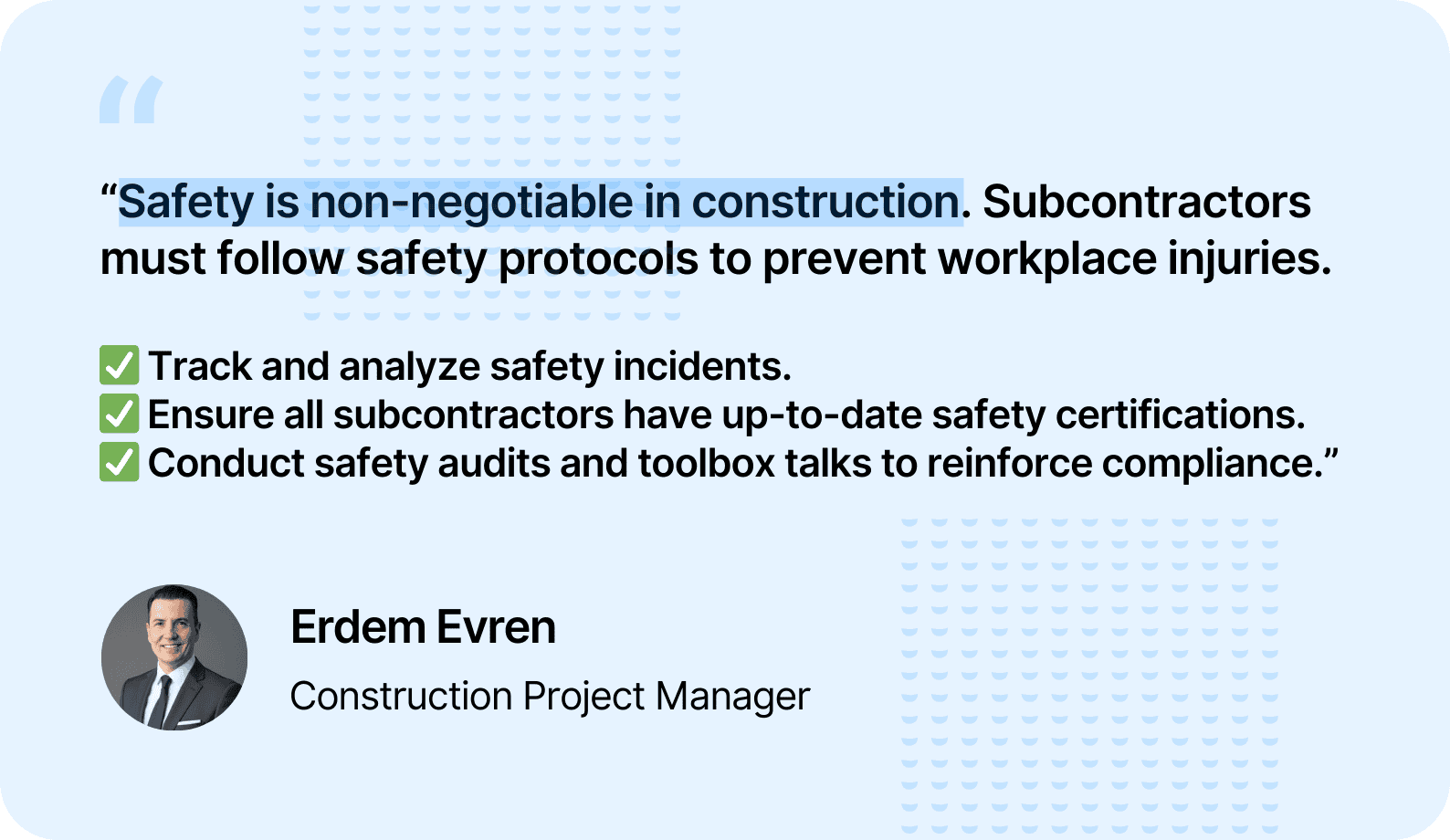
Monitoring shows what is happening; workplace compliance audits explain why. A strong audit process goes beyond checklists and digs into the underlying drivers of compliance gaps.
What an effective audit process includes:
Audits are valuable only when they drive change. Without action, monitoring loses credibility, reporting loses purpose, and risks continue to grow beneath the surface.
Even the best monitoring and audits fall flat if employees don’t feel safe reporting concerns.
Effective reporting systems need to be:
Platforms like FaceUp provide anonymous reporting channels, surfacing issues before they become legal or operational risks. But collecting reports is only the first step. Strong reporting systems follow a clear ethics investigation protocol: intake, triage, documentation, escalation, and communication, so observations actually lead to action.
Culture is what makes monitoring, audits, and reporting effective. Even the best systems fail if employees don’t feel safe speaking up or if managers downplay issues. A healthy compliance culture turns policies into daily habits rather than documents people ignore.
A strong compliance culture includes:
When culture supports the process, each part, monitoring, audits, and reporting, reinforces the others, creating a system that catches problems early and prevents small issues from scaling into crises.
This integrated model makes compliance proactive, measurable, and resilient.
To operationalize compliance effectively:
This prevents small deviations from snowballing into fines, safety incidents, or reputational crises.
FaceUp brings all the essential components of workplace compliance into one unified platform. Instead of scattered tools, inconsistent processes, or slow escalations, organizations get a system that helps them detect issues early, understand root causes, and act quickly.
The table below shows how each core pillar of compliance translates into practical, real-world functionality inside FaceUp.
| Pillar | What It Looks Like | Why It Matters |
| Layered Monitoring | Daily operational checks, risk-based reviews, and automated alerts in one dashboard. | Catches issues early and prevents small deviations from becoming systemic. |
| Risk-Based Audits | Audits scheduled around risk signals, centralized evidence collection, tracked remediation. | Explains why issues occur and ensures corrective actions happen. |
| Structured Reporting Channels | Confidential and anonymous options, clear routing to the right personnel. | Ensures concerns lead to timely, actionable insights. |
| Culture Reinforcement | Training, recognition, leadership modeling, and compliance metrics embedded in performance. | Turns policies into everyday behavior instead of passive documentation. |
| Centralized Oversight | Unified location for policies, audits, reports, risk indicators, and follow-up actions. | Eliminates “information silos” and supports consistent enforcement. |
Recent corporate cases show that even well-documented policies fail when monitoring, audits, reporting, and culture don’t work together. Compliance isn’t a yearly training or a policy tucked away online. It’s a daily cycle of noticing issues, reporting them early, and acting quickly.
When these elements reinforce each other, organizations catch problems before they escalate, avoid unnecessary risks, and build trust with employees, regulators, and customers. Compliance becomes the quiet infrastructure that keeps everything resilient and credible.
Start strengthening your system today: Download FaceUp’s free HR Audit Checklist to uncover gaps.
Want to see monitoring, reporting, and audits working together in one place? Book a Demo with FaceUp.
Keep Reading
Alaa El-Shaarawi2026-10-0510 min
Legal & Compliance
Alaa El-Shaarawi2026-10-028 min
Legal & Compliance
Alaa El-Shaarawi2026-09-249 min
Legal & Compliance
Alaa El-Shaarawi2026-09-095 min
Legal & Compliance