

Bring All Confidential Reports Into One Secure Place
We’ll assess your needs and recommend the right setup for anonymous reporting or surveys - aligned with your compliance or HR goals.
Legal & Compliance

Alaa El-Shaarawi
Copywriter and Content Manager
Published
2026-03-02
Reading time
6 min

Table of contents
Subscribe to our newsletter

In many organizations, hazard identification and risk assessment (HIRA) lives in an Environment, Health, and Safety (EHS) spreadsheet. Compliance operates an ethics hotline. Internal audit reviews controls separately. Risk data sits inside a GRC platform.
Different tools. Different owners. Different dashboards. Until something goes wrong. For compliance leaders, this fragmentation is more than inefficient. It obscures early warning signals.
When workplace hazards, misconduct concerns, and regulatory risks are captured in disconnected systems, patterns remain invisible. By the time an issue reaches the board, it’s no longer a preventable risk. It is an incident.
A near miss escalates into a serious injury. A safety complaint evolves into a whistleblowing case. An auditor requests proof that your hazard identification and risk assessment process operates consistently across the enterprise, not just inside operations.
This is why hazard identification and risk assessment must move beyond operational safety and into governance strategy.
For Chief Compliance Officers, GRC Directors, General Counsel, and Internal Audit leaders, the question isn’t what HIRA means. The question is how to operationalize it in a way that delivers visibility, defensibility, and measurable risk reduction.
Too often, organizations use hazard identification and risk assessment interchangeably. They’re related, but not identical.
In simple terms:
For governance leaders, the difference between hazard identification and risk assessment matters
Identification without evaluation produces long, unprioritized hazard logs. Evaluation without systematic identification creates blind spots. Both weaken defensibility under audit or regulatory scrutiny.
In regulated organizations, hazard identification in risk assessment must extend beyond traditional occupational safety. It should also capture:
When approached this way, hazard identification and risk assessment in the workplace becomes part of enterprise risk intelligence rather than a narrow safety function.
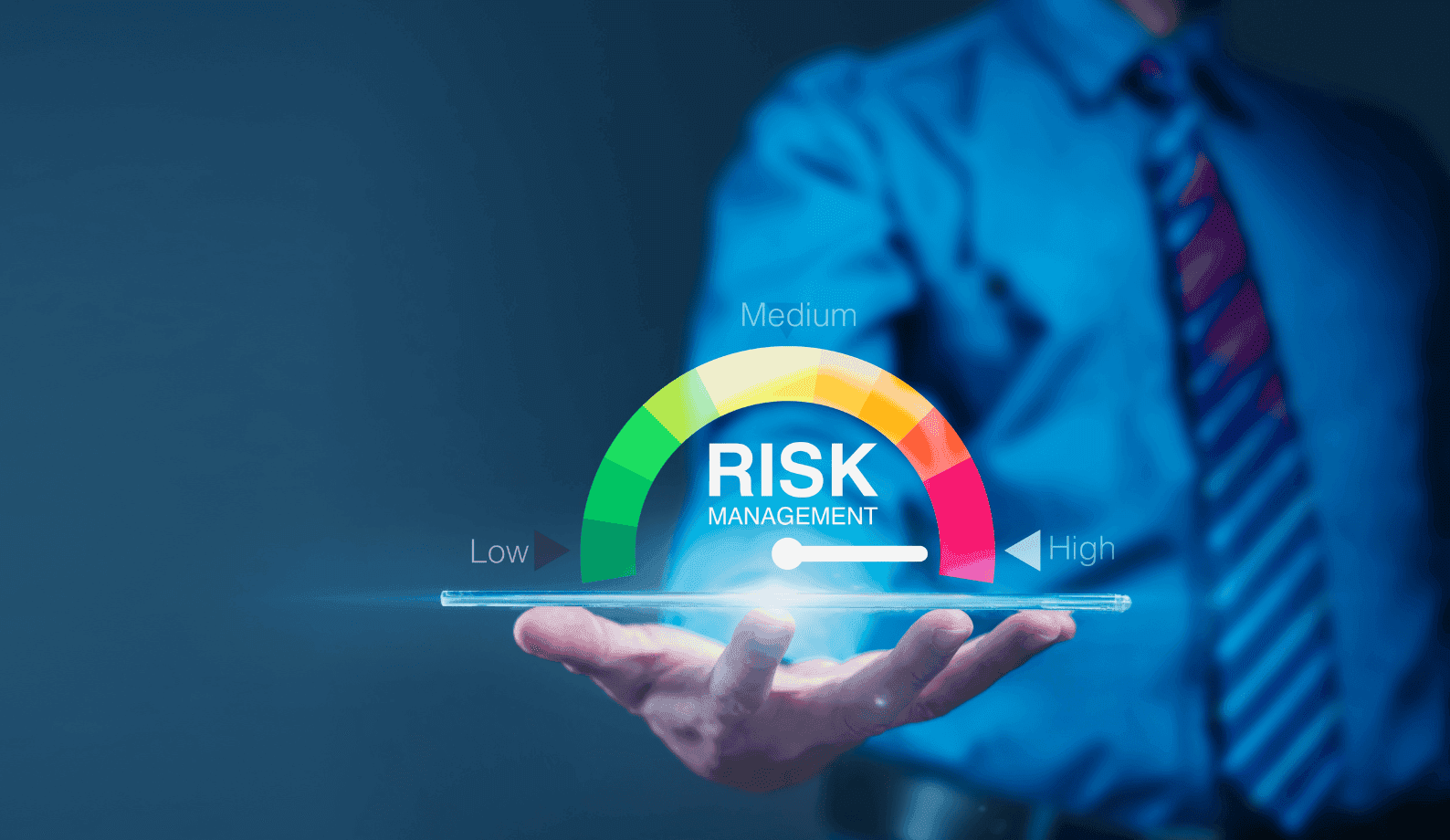
Historically, HIRA was owned by EHS teams. But boards don’t review risk in silos. They expect a coherent enterprise view. When hazard logs exist separately from ethics cases and compliance investigations, organizations lose the ability to connect signals across departments.
Embedding hazard identification and risk assessment into broader workplace compliance programs means safety, ethics, and regulatory oversight operate within a unified governance structure.
For example, a psychological safety concern reported through an ethics hotline may correlate with a rise in safety near misses. If those systems don’t communicate, the root cause remains hidden.
When hazard identification and risk assessment are both embedded into compliance risk management, organizations gain:
If you’re evaluating which risk assessment processes your compliance stack should support, our overview of workplace compliance tools explores how technology enables a structured hazard identification framework.
A governance-ready hazard identification and risk assessment process must be operationally practical and audit-defensible. The following six-step framework aligns safety execution with compliance expectations.
Start with how work is actually performed, not how policies describe it.
Document:
Without mapping real workflows, hazard identification becomes theoretical.
Potential hazards should be identified using consistent, repeatable methods:
At this stage, data consistency is critical. Informal reporting leads to inconsistent classification and weak trend analysis.
A centralized whistleblowing system or integrated reporting platform strengthens hazard reporting infrastructure by ensuring safety concerns and misconduct reports are captured within the same environment.
Once hazards are identified, they must be evaluated using consistent criteria. This is where hazard identification transforms into risk management.
Typical evaluation factors include:
Many organizations apply a standardized risk matrix to determine prioritization. If you need a practical implementation resource, our risk assessment checklist provides a downloadable checklist to standardize evaluation across teams.
Clear risk scoring supports audit defensibility and executive oversight.

Risk assessment without action undermines credibility.
Control measures should follow the established hierarchy:
From a compliance perspective, documentation is critical. Who approved the control? When was it implemented? How was effectiveness validated?
For a structured breakdown of essential risk assessment steps, see our guide on how to ensure workplace compliance.
Documentation isn’t a formality. It’s evidence of due diligence.
Hazard identification and risk assessment records should align with:
When a safety issue evolves into misconduct or retaliation claims, it must be handled through a formal workplace ethics investigation framework. Aligning these processes improves audit defensibility and ensures consistent oversight across safety and compliance risks.
Hazard identification isn’t a one-time exercise. It’s an ongoing cycle of detection, evaluation, control, and review.
Ongoing monitoring should include:
For boards and audit committees, this stage translates operational data into oversight metrics:
Strong workplace safety culture depends on consistent reporting, visible follow-up, and measurable improvements. When reporting, investigations, and documentation are centralized, compliance leaders gain a coherent risk narrative rather than fragmented dashboards.
Book a demo to see how FaceUp simplifies hazard reporting and risk tracking.

No hazard identification and risk assessment program succeeds without trust. Employees must believe that reporting is safe, confidential, and meaningful. A 24/7 ethics hotline or confidential reporting channel strengthens both safety and misconduct reporting.
A mature reporting framework should:
When hazard reporting and ethics concerns flow into an integrated reporting platform, patterns emerge earlier. This is where safety culture meets governance oversight.
Hazard identification is procedural. Reporting trust is behavioral. Effective compliance requires both.
Hazard identification and risk assessment take different forms across industries, but the governance principle stays the same.
Key takeaway: Across industries, physical safety, culture, and compliance risks often overlap. Structured HIRA helps organizations manage all of these effectively.
Hazard identification and risk assessment shouldn’t exist as static documentation.
When reporting systems, investigations, and risk assessments operate independently, organizations react to incidents. When they’re integrated within a broader workplace compliance framework, they anticipate them.
Integration enables:
Hazard identification and risk assessment, embedded into governance infrastructure, becomes more than regulatory compliance. It becomes enterprise risk intelligence.
Hazard identification and risk assessment shouldn’t live in spreadsheets. It should function as part of your governance ecosystem.
FaceUp’s whistleblowing system and broader compliance infrastructure support integrated reporting, structured case management, and audit-ready documentation.
Book a demo to see how FaceUp helps organizations transform hazard identification from a checklist exercise into measurable risk intelligence.
We’ll assess your needs and recommend the right setup for anonymous reporting or surveys - aligned with your compliance or HR goals.
Keep Reading
Alaa El-Shaarawi2026-10-0510 min
Legal & Compliance
Alaa El-Shaarawi2026-10-028 min
Legal & Compliance
Alaa El-Shaarawi2026-09-249 min
Legal & Compliance
Alaa El-Shaarawi2026-09-095 min
Legal & Compliance