Legal & Compliance

Alaa El-Shaarawi
Copywriter and Content Manager
Published
2022-03-21
Reading time
6 min

Table of contents
Subscribe to our newsletter

Whistleblowing can feel like a complex and sensitive area for any organization. How do you make sure employees feel safe speaking up? How can you prevent wrongdoing while building trust?
That’s where ISO 37002 comes in. This international standard provides practical guidance for creating whistleblowing systems that work for employees, managers, and the organization as a whole.
ISO 37002:2021, developed by the International Organization for Standardization (ISO), helps organizations respond to workplace risks in a structured and responsible way. It offers practical guidance on building whistleblowing management systems that encourage employees and stakeholders to report concerns safely and confidently.
While legislation outlines what organizations must do, ISO 37002 focuses on how to make reporting systems effective in real workplace environments. The standard centers on transparency, fairness, confidentiality, and accountability, helping organizations move beyond compliance and build genuine trust.
By strengthening internal reporting channels and protecting whistleblowers, ISO 37002 supports stronger compliance programs, improves risk management, and helps create a culture where speaking up feels safe and valued.
Whistleblowing plays a critical role in protecting organizations, employees, and the public interest. ISO 37002 was developed to help organizations build trustworthy reporting systems that encourage employees and stakeholders to raise concerns safely and responsibly.
The standard provides a framework for establishing, implementing, and maintaining effective whistleblowing management systems. It ensures organizations can handle reports of wrongdoing consistently while protecting whistleblowers and supporting ethical workplace behavior.
ISO 37002 applies to private companies, public sector organizations, and not-for-profits of any size or industry. It is particularly valuable for organizations operating across multiple jurisdictions because it aligns with global whistleblowing legislation, including the EU Whistleblowing Directive and regulations across member states.
ISO 37002 helps organizations:
By providing structured guidance, ISO 37002 helps organizations move beyond compliance and toward building truly effective whistleblowing management systems.

An effective whistleblowing system doesn’t happen by accident. It requires carefully designed structures, policies, and safeguards that work together to build trust and ensure fairness. ISO 37002 outlines the essential elements and conditions organizations need to create reporting systems employees feel safe using.
ISO 37002 identifies several core principles that support effective whistleblowing systems:
Employees are more likely to report wrongdoing when organizations actively promote ethical behavior and transparency. A strong speak-up culture encourages early reporting, which allows organizations to address risks before they escalate.
Reports must be handled objectively and without bias. Organizations must ensure conflicts of interest are avoided and that investigations remain independent.
Whistleblowing cases often involve sensitive personal data. ISO 37002 highlights the importance of protecting whistleblower identities and maintaining secure data handling practices aligned with data protection laws and standards such as ISO/IEC 27001.
The standard strongly supports anonymous reporting channels. These channels reduce fear of retaliation and significantly increase reporting rates, especially in organizations where trust may still be developing.
Whistleblower protection includes safeguarding employees from retaliation and providing support throughout the whistleblowing process. This protection strengthens trust and encourages internal reporting instead of external escalation.
While building strong structural safeguards is essential, organizations must also understand how employees actually choose to report concerns in real workplace situations.
Whistleblowing does not follow a single path. Employees may choose different reporting routes depending on their level of trust, the severity of the issue, and the accessibility of available channels.
Understanding these reporting types helps organizations design systems that encourage early and responsible reporting.
ISO 37002 recognizes multiple types of whistleblowing and emphasizes the importance of offering accessible reporting channels.
Internal reporting allows employees or stakeholders to report concerns through company reporting channels such as ethics hotlines or whistleblowing platforms. This approach helps organizations address issues quickly while maintaining confidentiality.
External whistleblowing involves reporting concerns to regulators, enforcement bodies, or public authorities. Employees often choose external channels when internal reporting feels unsafe or ineffective.
Public whistleblowing occurs when information is disclosed through media or public platforms. This type typically arises when employees feel their concerns have not been addressed internally or externally.
Organizations that provide safe internal reporting channels significantly reduce the likelihood of external or public disclosures.
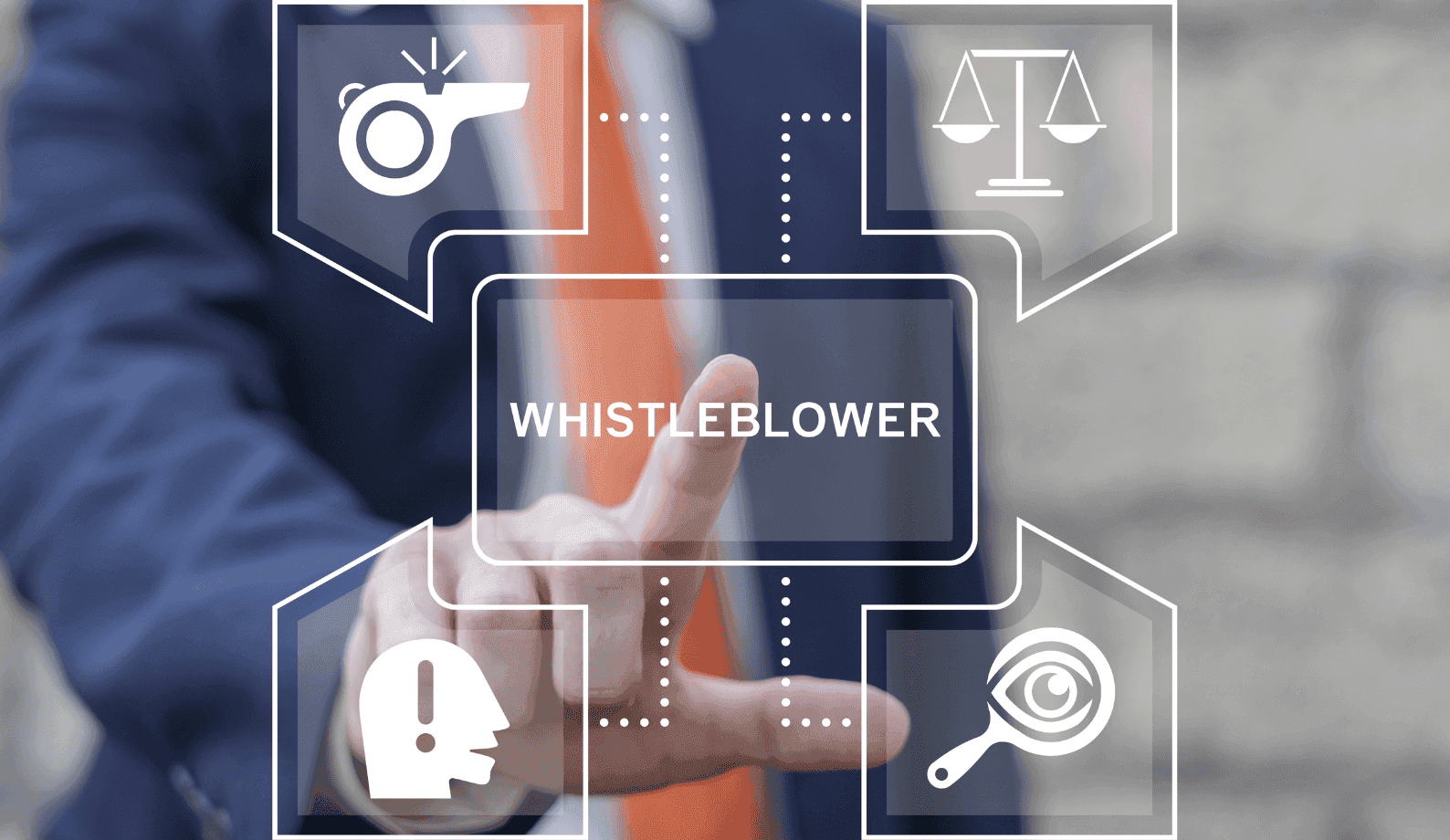
Once a whistleblowing system is in place, organizations must make sure reports are handled consistently, fairly, and transparently. ISO 37002 provides a structured lifecycle that guides organizations from receiving reports through investigation, resolution, and system improvement.
Organizations must provide accessible and secure reporting channels that allow employees and stakeholders to report concerns safely. Reporting channels should support anonymous reporting and maintain strict confidentiality.
Each report must be carefully reviewed to determine its relevance, urgency, and potential risks. Proper assessment helps organizations allocate resources effectively and prioritize serious violations.
Organizations must conduct impartial investigations and implement appropriate corrective actions. Investigations should follow clearly documented procedures and maintain transparency while protecting involved parties.
Once investigations are complete, organizations should document findings, implement improvements, and provide feedback to whistleblowers when possible. Transparent closure strengthens trust and accountability.
ISO 37002 highlights the importance of evaluating system effectiveness through internal audits, risk analysis, and performance reviews. Continual improvement helps organizations adapt to emerging risks and evolving stakeholder expectations.
ISO 37002 is part of a broader ecosystem of compliance and integrity standards designed to help organizations strengthen governance and ethical behavior. While ISO 37002 itself is a guidance standard, it closely connects with certifiable compliance frameworks.
Although ISO 37002 cannot be certified, it integrates with several related standards.
ISO 37301 provides certifiable requirements for compliance management systems. Organizations can incorporate whistleblowing programs within broader compliance frameworks to strengthen governance and regulatory alignment.
ISO 37001 focuses on preventing bribery and corruption. Whistleblowing channels play a critical role in detecting bribery risks and supporting anti-bribery compliance.
ISO/IEC 27001 helps organizations protect sensitive whistleblowing data through strong cybersecurity and data protection practices.
Together, these management system standards help organizations build integrated compliance programs and strengthen risk management strategies.
Meeting ISO 37002 requirements can be complex without the right technology and support. FaceUp provides organizations with a secure, user-friendly whistleblowing platform designed to align with international compliance standards while strengthening workplace transparency.
FaceUp helps organizations:
By simplifying reporting processes and improving case management, FaceUp helps organizations build effective whistleblowing management systems aligned with ISO 37002.

Organizations that treat whistleblowing as a strategic compliance tool gain valuable insights into workplace risks and ethical challenges. ISO 37002 provides the guidance needed to build transparent reporting systems that protect employees, strengthen compliance programs, and support sustainable organizational growth.
By combining strong policies, accessible reporting channels, and advanced whistleblowing technology, organizations can reduce risks of wrongdoing, protect stakeholders, and build a workplace culture where employees feel safe speaking up.
If you’re ready to implement ISO 37002 or enhance your whistleblowing system, FaceUp can help. Our platform turns whistleblowing into a strategic tool for culture, trust, and risk management.
Book a demo and see how FaceUp can help you protect employees, manage risks, and build an ethical workplace.
Keep Reading
Alaa El-Shaarawi2026-09-095 min
Legal & Compliance
Mary Shirley2026-07-285 min
Workplace Environment
Marie Roland2026-07-276 min
Legal & Compliance

Marie Roland2026-07-275 min
Legal & Compliance