

Modern Compliance Platform
Centralized whistleblowing and investigations in one secure platform.
Whistleblowing

Alaa El-Shaarawi
Copywriter and Content Manager
Published
2026-01-06
Reading time
3 min
Table of contents
Subscribe to our newsletter

Engagement problems rarely show up in surveys first. They show up in silence. People stop raising concerns. Small issues go unreported. Frustration builds quietly, until it turns into disengagement, turnover, or risk.
Whistleblowing helps break that silence. Not by encouraging complaints, but by giving employees a safe, clear way to speak up when something doesn’t feel right, or when something could work better.
When employees know there’s a place to raise concerns without fear, trust grows. And trust is one of the strongest drivers of engagement.

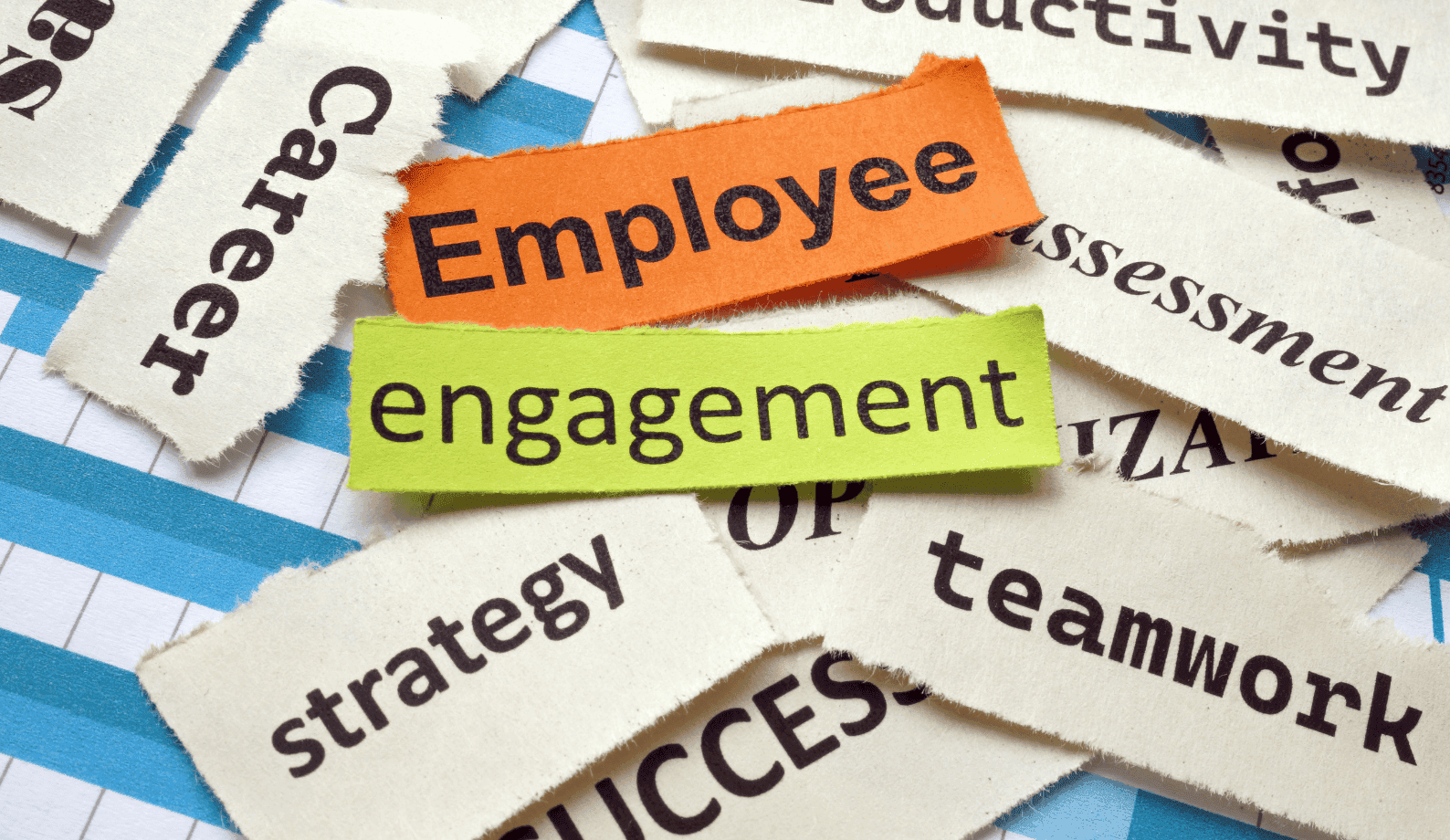
Employee engagement isn’t just about benefits or motivation programs. It depends on whether people feel heard and taken seriously.
Whistleblowing systems support engagement by:
Organizations that treat whistleblowing as part of everyday communication often see higher morale, lower turnover, and stronger accountability.
Even with good intentions, many organizations struggle to truly hear their employees. Common challenges include:
These challenges aren’t cultural failures alone. They’re often the result of missing or ineffective systems.
Strong whistleblowing programs are built around trust, not fear. They create space for ongoing dialogue, not just crisis reporting.
Organizations that use whistleblowing to support engagement typically focus on:
FaceUp supports these practices with secure reporting channels, real-time visibility, and dashboards that make employee feedback easier to act on.
Modern whistleblowing platforms do more than meet compliance requirements. They help organizations stay connected to what is happening on the ground.
Key capabilities include:
When these tools work together, organizations reduce risk without creating extra administrative work.
Whistleblowing only builds engagement when organizations respond thoughtfully. Used well, it helps organizations:
Consistent follow-up and transparency turn whistleblowing into a signal that employee input matters.
A workplace where people speak up doesn’t happen by accident. It takes clear leadership, consistent communication, and tools employees trust.
When employees believe their voices are heard, they’re more likely to share concerns, suggest improvements, and stay engaged with the organization’s goals.
FaceUp provides secure reporting, real-time insights, and analytics that make feedback usable instead of overwhelming. With the right systems in place, whistleblowing becomes part of a healthier, more connected workplace culture.
Book a demo to see how FaceUp helps organizations use whistleblowing to strengthen engagement, reduce risk, and build trust.
Centralized whistleblowing and investigations in one secure platform.
Keep Reading
Alaa El-Shaarawi2026-10-0510 min
Legal & Compliance
Alaa El-Shaarawi2026-10-028 min
Legal & Compliance
Alaa El-Shaarawi2026-09-249 min
Legal & Compliance
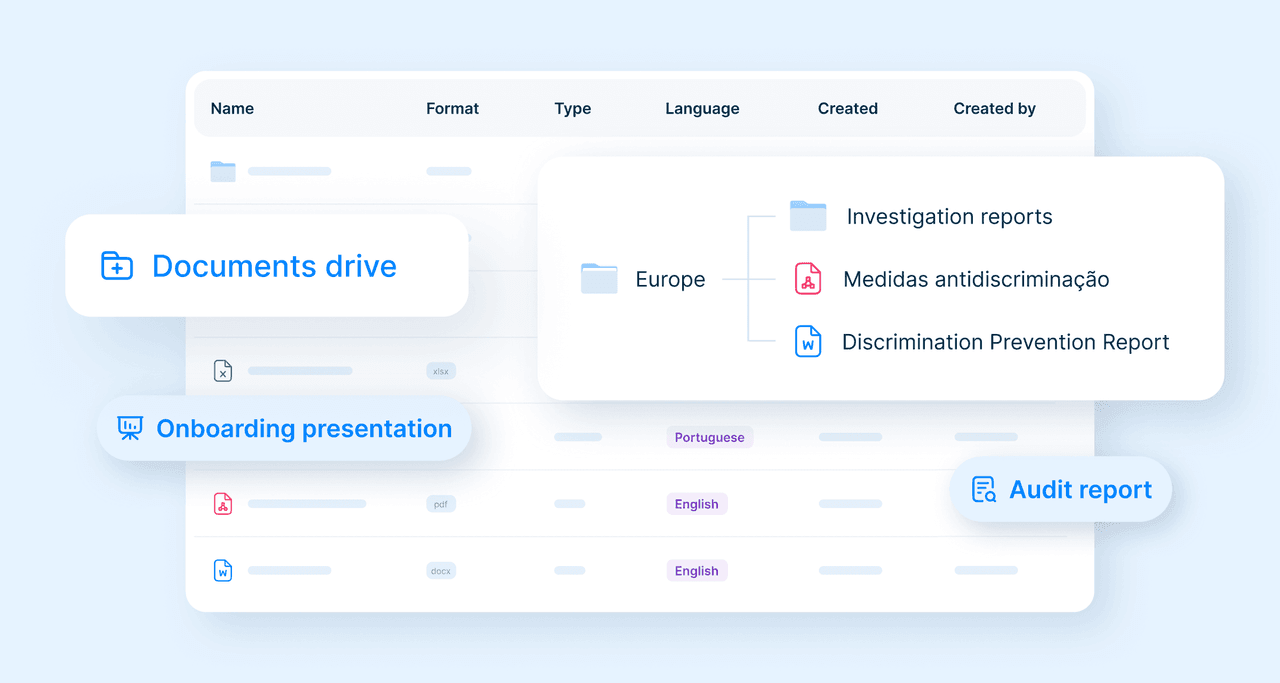
Alaa El-Shaarawi2026-09-095 min
Legal & Compliance