

Whistleblowing

Alaa El-Shaarawi
Copywriter and Content Manager
Published
2026-01-06
Reading time
3 min

Table of contents
Subscribe to our newsletter

Most disclosure issues don’t start with bad intent. They start with hesitation.
An employee receives a gift and is unsure whether it crosses a line. Someone has a side interest that feels harmless, but they aren’t certain if it should be reported. A potential conflict is noticed, but raising it feels awkward or unclear.
Disclosure management exists for these moments. Not to punish, but to give people a clear, safe way to speak up.
When disclosure processes are simple and consistent, organizations avoid unnecessary risk, and employees know where they stand. When they’re unclear or hard to use, important information stays hidden, often by accident.
Disclosure management is a practical way to build trust inside an organization. It shows employees that transparency is expected and supported, not discouraged or ignored.
A well-run disclosure process helps organizations:
Disclosure management creates clarity. It removes guesswork and replaces it with predictable, fair handling of sensitive information.

Even organizations with strong values and policies run into the same problems. Common challenges include:
These issues usually stem from process design, not people. Clear systems and supportive workflows make compliance easier for everyone involved.
Effective disclosure management blends policy, process, and practical tools. It should feel like part of normal operations, not an exception.
Organizations that manage disclosures well typically:
Whistleblowing platforms like FaceUp support these practices by centralizing disclosures in one place. Employees always know where to report, and managers have a clear view of what needs action.
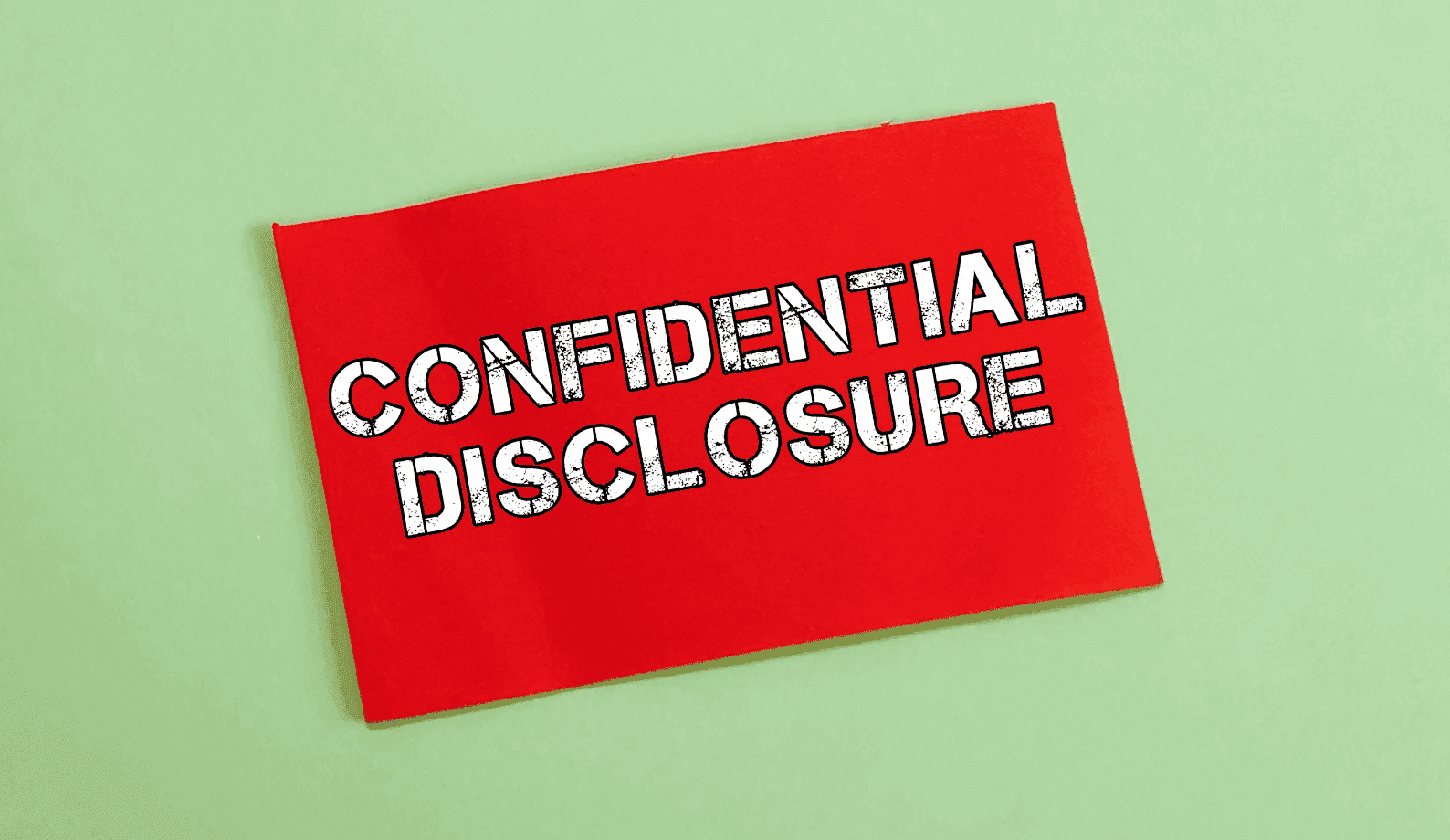
Without the right technology, disclosure management becomes reactive and inconsistent. With the right tools, it becomes structured and reliable.
Modern disclosure platforms allow organizations to:
FaceUp brings these capabilities together in an intuitive platform designed for real-world use, not just audits.
When disclosure management works, it changes behavior over time.
Employees feel more comfortable raising sensitive topics. Managers have better visibility into emerging risks. Leadership can address issues early, before they grow.
The impact is tangible:
Disclosure management doesn’t need to feel bureaucratic. When it’s handled clearly and consistently, it becomes part of how an organization operates every day.
Book a demo to see how FaceUp helps organizations manage disclosures clearly, securely, and with confidence.
Keep Reading
Alaa El-Shaarawi2026-10-0510 min
Legal & Compliance
Alaa El-Shaarawi2026-10-028 min
Legal & Compliance

Alaa El-Shaarawi2026-09-249 min
Legal & Compliance
Alaa El-Shaarawi2026-09-095 min
Legal & Compliance