

Modern Compliance Platform
Centralized whistleblowing and investigations in one secure platform.
Workplace Environment

Alaa El-Shaarawi
Copywriter and Content Manager
Published
2025-12-19
Reading time
7 min

Table of contents
Subscribe to our newsletter

Imagine you’re the owner of a growing business. You walk into the office one Monday and overhear a whisper about a vendor favoring a particular employee, or maybe someone cutting corners in reporting financial numbers.
You don’t know the details, but you feel the unease. These moments, small as they may seem, can snowball into crises that hurt your company, your employees, and your reputation.
This is exactly why a company ethics policy matters. It’s a compass for everyday decisions, a safety net for employees unsure of the right course of action, and a statement to stakeholders that your business stands for integrity.
For small business owners, human resource managers, compliance officers, or mid-level leaders, understanding and implementing a strong ethics policy can feel overwhelming.
Questions pop up like: What should I include? How do I make it real, not just words on paper? How do I get people to actually follow it?
Let’s walk through it together.
Think of an ethics policy as your business’s moral GPS. It lays out the standards and values that guide everyone in the company. Unlike a general code of conduct, which may cover dress codes or meeting etiquette, an ethics policy focuses on integrity, fairness, and lawful behavior.
It answers real-world dilemmas: If an employee is offered a gift from a client, what’s okay and what’s not? If a staff member has a personal relationship with a supplier, how do we prevent conflicts of interest?
A clear ethical policy of a company helps employees make decisions confidently, knowing they align with your company’s values. It also protects the company from legal risk and builds trust with clients, partners, and employees.

Every business faces ethical dilemmas, even with the most talented, well-intentioned team. The right choice isn’t always obvious, and without clear guidance, small missteps can escalate into serious problems. Without a policy:
Companies with clear ethics policies see the impact in everyday work, not just compliance checklists. They influence how people speak up, resolve dilemmas, and trust leadership under pressure.
A code of ethics provides that clarity in practice. If you want a deeper look at how employees can raise concerns safely, our whistleblowing and business ethics guide is a good place to start.
These documents are often confused, but each serves a distinct purpose. Knowing the difference helps you decide where ethical guidance belongs so employees know where to turn when facing real dilemmas.
Here’s a simple way to differentiate them:
Your ethics policy may live inside a code of conduct or employee handbook, but it should always stand out as the document that defines your moral compass and explains how employees can safely raise concerns.
A company ethics policy only works if employees can actually use it. These core components help remove confusion, guide everyday decisions, and protect both your team and your business when tough situations arise. Think of them as the building blocks that make ethics practical, not just words on paper.
Explain why the policy exists. Make it clear ethics matter and this policy helps, not punishes.
“Our ethics policy guides daily decisions and strategic choices, helping employees do the right thing even when no one is watching.”
List key values like honesty, respect, and fairness. Connect them to everyday scenarios such as accepting gifts, handling sensitive data, or prioritizing clients fairly.
Clarify situations where personal interests could clash with work responsibilities, and encourage disclosure. For example:
Clear guidance prevents misunderstandings and maintains trust.
Explain how ethics ties to legal rules. Include anti-corruption, labor laws, data privacy, financial reporting, and other daily regulations employees must follow.
Show employees how to report concerns safely, confidentially, and anonymously when needed. A hotline or anonymous reporting channel makes speaking up easier, while clear processes support ethics investigations at work and accountability.
Translate principles into daily action, including:
Be transparent about consequences. Examples include verbal or written warnings, mandatory retraining, temporary suspension, demotion, or termination for serious breaches like fraud or harassment. Consistent enforcement reinforces fairness and credibility.
Even the clearest policy fails without action. Train regularly, model behavior from leadership, make the policy easy to access, and integrate it into onboarding so ethics become part of everyday work.
Having a policy on paper is just the first step. The real impact comes when it shapes daily decisions, conversations, and leadership behavior.
Here’s how to make it part of your company culture:
This approach encourages an ethical culture where integrity becomes part of everyday work.
Whistleblowing and compliance tools like FaceUp support this by making reporting secure, transparent, and trustworthy, while giving leadership real-time visibility into risks and trends.
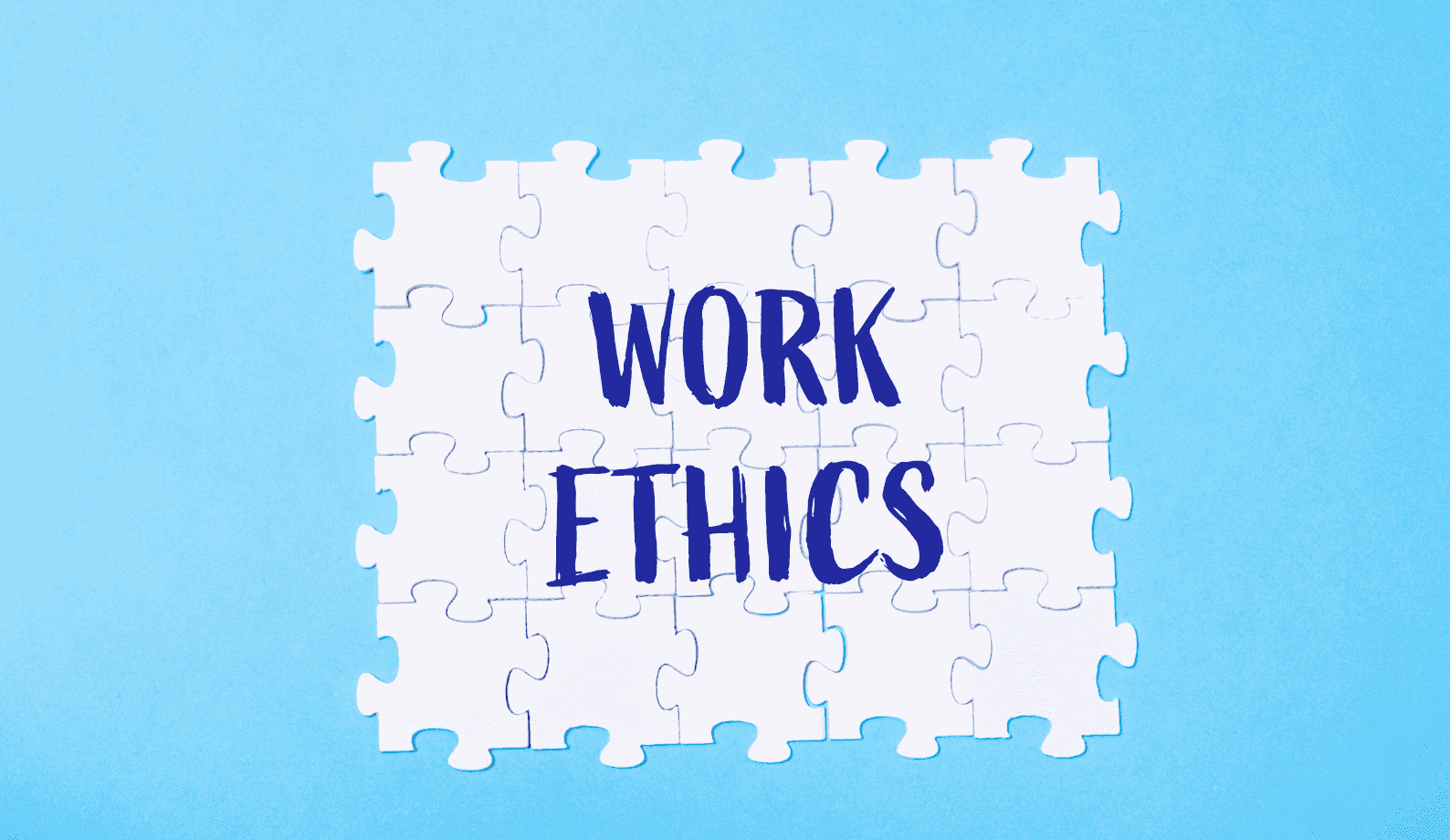
Small businesses sometimes think ethics policies are only for large corporations. In reality, smaller teams benefit most. Without a policy, standards may rely solely on personal relationships, which can lead to misunderstandings or favoritism.
A small business ethics policy can be short, practical, and clear, covering:
Even a one-page policy, paired with real examples, can provide clarity and confidence. Platforms like FaceUp help small teams manage reports securely, protect anonymity, and maintain ethical standards without adding complexity.
Policies are only as strong as how they hold up in real life. History shows that even talented teams can make disastrous choices when guidance is unclear or absent.
In practice, every ethics policy is tested when employees face real choices. Here’s what happened when companies didn’t have the right guardrails in place:
These examples show how ethics policies guide real behavior, protect employees, and shield the company from legal, financial, and reputational risk.
Think back to that Monday morning, the client gift accepted without disclosure, the uneasy feeling something isn’t right. This is where a company ethics policy delivers real value.
A strong policy gives employees clear guidance, reduces risk, and turns uncertainty into confident decision-making. When expectations are clear, reporting channels are trusted, and leaders model ethical behavior, potential issues become manageable instead of crises.
Implemented well, an ethics policy shapes behavior, protects your business, and keeps the company aligned with its values, even when decisions are difficult and stakes are high.
Start small. Keep language simple. Include practical examples. Update it regularly. Train employees. Encourage reporting. Celebrate ethical behavior.
Make ethical decisions easier with FaceUp. Book a demo today.
Centralized whistleblowing and investigations in one secure platform.
Keep Reading
Alaa El-Shaarawi2026-10-028 min
Legal & Compliance

Alaa El-Shaarawi2026-09-249 min
Legal & Compliance
Alaa El-Shaarawi2026-09-095 min
Legal & Compliance

Mary Shirley2026-07-285 min
Workplace Environment