

Modern Compliance Platform
Centralized whistleblowing and investigations in one secure platform.
Employee Relations

Alaa El-Shaarawi
Copywriter and Content Manager
Published
2025-12-01
Reading time
7 min
Table of contents
Subscribe to our newsletter

Every organization faces moments that test trust, culture, and compliance. A quiet email reporting a missed deadline, tension in meetings, or subtle patterns of misconduct can escalate quickly if not handled properly.
Without a structured approach, complaints can get lost in a sea of emails, chat threads, or spreadsheets, creating confusion, frustration, and risk. Employee relations case management software can transform this scattered information into clear, actionable insight.
Complaints are captured accurately, routed to the right people, and tracked through resolution. This transparency protects employees and the organization while giving HR teams the tools to identify patterns, streamline processes, and improve the overall employee experience.

Employee relations case management software is built specifically for handling misconduct, complaints, grievances, and HR investigations. Unlike generic HRIS add-ons or helpdesk tools, it’s designed around confidentiality, workflows, and compliance; the things ER teams actually need.
Why teams use it:
Modern systems make it easier for employees to report concerns in the way that feels safest to them. Instead of relying on inboxes and scattered notes, HR teams get a clear intake structure from the start.
What this looks like in practice:
This combination gives HR teams a complete and reliable record from the moment a case is created. No spreadsheets, no missing attachments. A consistent foundation for every investigation.
Investigations follow patterns, but each case has its own nuances. Modern HR case management software balances both.
A strong system allows teams to:
The automation removes friction; the flexibility protects fairness. Together, they help HR professionals move cases forward confidently and consistently.
Every investigation depends on documentation, and having it scattered across folders and inboxes slows everything down.
A modern system centralizes:
This creates a reliable case record that supports investigations, audits, and internal reviews without extra administrative overhead.
Cases aren’t just isolated events. They reveal patterns if the system can surface them.
Dashboards and analytics highlight:
These insights help HR teams act proactively instead of reactively. They also provide leadership with measurable proof of how structured ER processes reduce risk and improve employee experience.
Case management shouldn’t exist in a vacuum. It becomes more powerful when it connects to the rest of the HR ecosystem.
Key integrations include:
Good integration reduces manual work, keeps data consistent, and gives HR teams clearer context around every case.
Because these cases involve sensitive details, security can’t be an afterthought.
Most systems support:
But the true impact shows up culturally. When employees see that the process is confidential, fair, and consistent, trust grows, and employees become more willing to speak up early.
Choosing the right employee relations case management software depends on your organization’s size, processes, and priorities. Here’s how leading platforms differ across strengths, best use cases, cost, and implementation effort.
| System | Strengths | Best For | Cost & Implementation | Considerations |
| FaceUp | Modern UX, structured workflows, real-time dashboards, strong documentation tools, anonymous reporting, HRIS integrations | Mid-to-large HR teams wanting usability + compliance without slow rollouts | Mid-range pricing, fast implementation (weeks, not months) | Newer than legacy systems, lighter on niche compliance modules |
| HR Acuity | Deep analytics, benchmarking, prescriptive workflows, proven ER maturity model | Large enterprises with high case volumes and strict governance | Higher cost, long implementation, requires formal change management | Can feel rigid or heavy for smaller teams |
| Case IQ | Highly configurable workflows, strong cross-functional investigation support | Organizations with complex or multi-department investigations | Mid-to-high cost, config-heavy setup | Dashboards and reports require tuning to get full value |
| NAVEX | Compliance-first design, hotline & ethics reporting, global policies | Highly regulated industries or global orgs prioritizing compliance | High cost, multi-module pricing | Less tailored to day-to-day HR investigations |
| ServiceNow HRSD | Broad HR service delivery, strong for tickets, integrates with existing ServiceNow environments | Enterprises already using ServiceNow across IT/HR | Enterprise-level cost, long deployment cycles | Not ER-specific; workflows need customization |
| Dovetail | Clean UI, workflow automation, solid audit trails | HR teams wanting a straightforward case tracking tool | Mid-range cost, moderate setup | May lack deeper analytics or advanced compliance workflows |
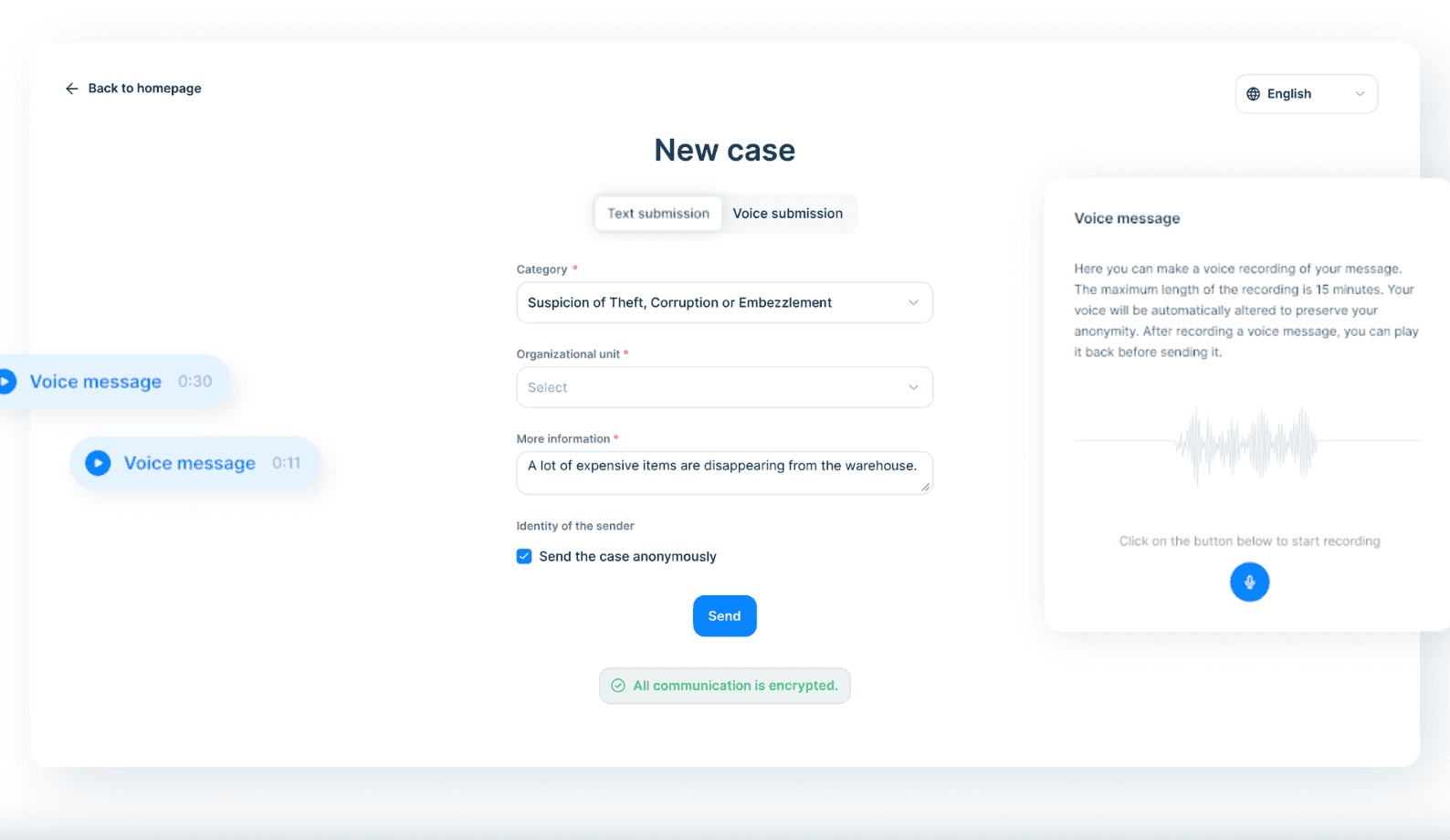
While some other tools, like AllVoices, excel in anonymous reporting and feedback collection, they aren’t comprehensive ER case management systems. FaceUp focuses on handling the full lifecycle of employee complaints and investigations, making it a practical, all-in-one solution for HR teams.
Even the best software won’t help if adoption is poor. Successfully deploying a case management system involves more than technology. It requires mapping existing HR processes, piloting workflows, training teams, migrating historical case data, and monitoring usage.
Start by mapping existing HR processes. Align the software with your policies, escalation procedures, and case types. This step helps the system reflect real-world workflows and reduces friction during adoption.
Provide hands-on training and ongoing support. HR professionals need to understand workflows, dashboards, and reporting tools to get the most out of the system. Clear guidance helps the team feel confident, making the transition smoother and more effective.
Import historical cases and organize them consistently. Maintaining a full case data history supports accurate reporting, trend analysis, and continuity in employee relations management.
Encourage collaboration within the HR team and with managers using built-in notes, notifications, and secure messaging. This centralizes communication, keeps investigations on track, and reinforces transparent, consistent processes that employees can trust.
When done right, these steps improve efficiency, build trust, and enhance workplace culture, as employees see complaints handled fairly and transparently.
Implementing employee relations case management software is an investment in efficiency, culture, and trust. A robust system turns scattered complaints and ad-hoc processes into structured, actionable insights, giving HR teams the ability to track every case, identify patterns, and make informed decisions.
Centralized case tracking helps HR spot trends before they escalate. For example, recurring complaints in a department can reveal systemic issues rather than isolated incidents, allowing proactive interventions that prevent bigger problems down the line.
Employees notice when complaints are handled consistently and transparently. Faster resolution times, clear communication, and secure reporting channels build confidence in HR processes, showing that concerns are taken seriously and resolved fairly.
Real-time dashboards and analytics give HR teams a clear view of case volumes, resolution times, and recurring issues. This visibility helps streamline processes and make smarter use of resources.
At the same time, it provides tangible proof of ROI, showing how structured workflows reduce risk, improve compliance, and strengthen the employee experience.
By connecting data-driven insights to tangible outcomes, HR teams can clearly justify the investment in ER case management software and show leadership the long-term value of structured, consistent, and proactive employee relations practices.

Choosing dedicated case management software is about reducing risk, protecting your people, and giving HR teams the bandwidth to actually do their jobs well.
Quantifiable ROI (what leaders care about):
Cost of doing nothing:
Every complaint represents an opportunity to improve workplace culture. Centralized data, structured workflows, and analytics allow HR teams to:
With the right tools, complaints shift from being reactive challenges to proactive opportunities for growth.
Explore how FaceUp’s case management platform can help HR teams manage employee issues efficiently, streamline workflows, and enhance the overall employee experience.
Centralized whistleblowing and investigations in one secure platform.
Keep Reading
Alaa El-Shaarawi2026-10-0510 min
Legal & Compliance
Alaa El-Shaarawi2026-10-028 min
Legal & Compliance
Alaa El-Shaarawi2026-09-249 min
Legal & Compliance
Alaa El-Shaarawi2026-09-095 min
Legal & Compliance