


Bring All Confidential Reports Into One Secure Place
We’ll assess your needs and recommend the right setup for anonymous reporting or surveys - aligned with your compliance or HR goals.
Legal & Compliance

Alaa El-Shaarawi
Copywriter and Content Manager
Published
2026-03-19
Reading time
9 min
Table of contents
Subscribe to our newsletter

Pipeline infrastructure carries enormous responsibility. Gas and hazardous liquid pipelines run beneath cities, farmland, forests, and waterways, forming a critical backbone of energy transportation in the United States. When systems fail, the consequences can be severe for workers, nearby communities, and the environment.
This reality is what led to the creation of the Pipeline Safety Improvement Act (PSIA). The law introduced stronger oversight for pipeline operators while reinforcing a key principle in modern safety regulation: employees must be able to report risks and violations without fear of retaliation.
For organizations operating pipelines, as well as their contractors and subcontractors, compliance with PSIA is not simply about regulatory paperwork. It requires structured safety programs, consistent inspections, qualified personnel, and a workplace culture where concerns can surface early.
This guide explores how the law works, why it exists, and what organizations need to do in practice to meet its requirements.
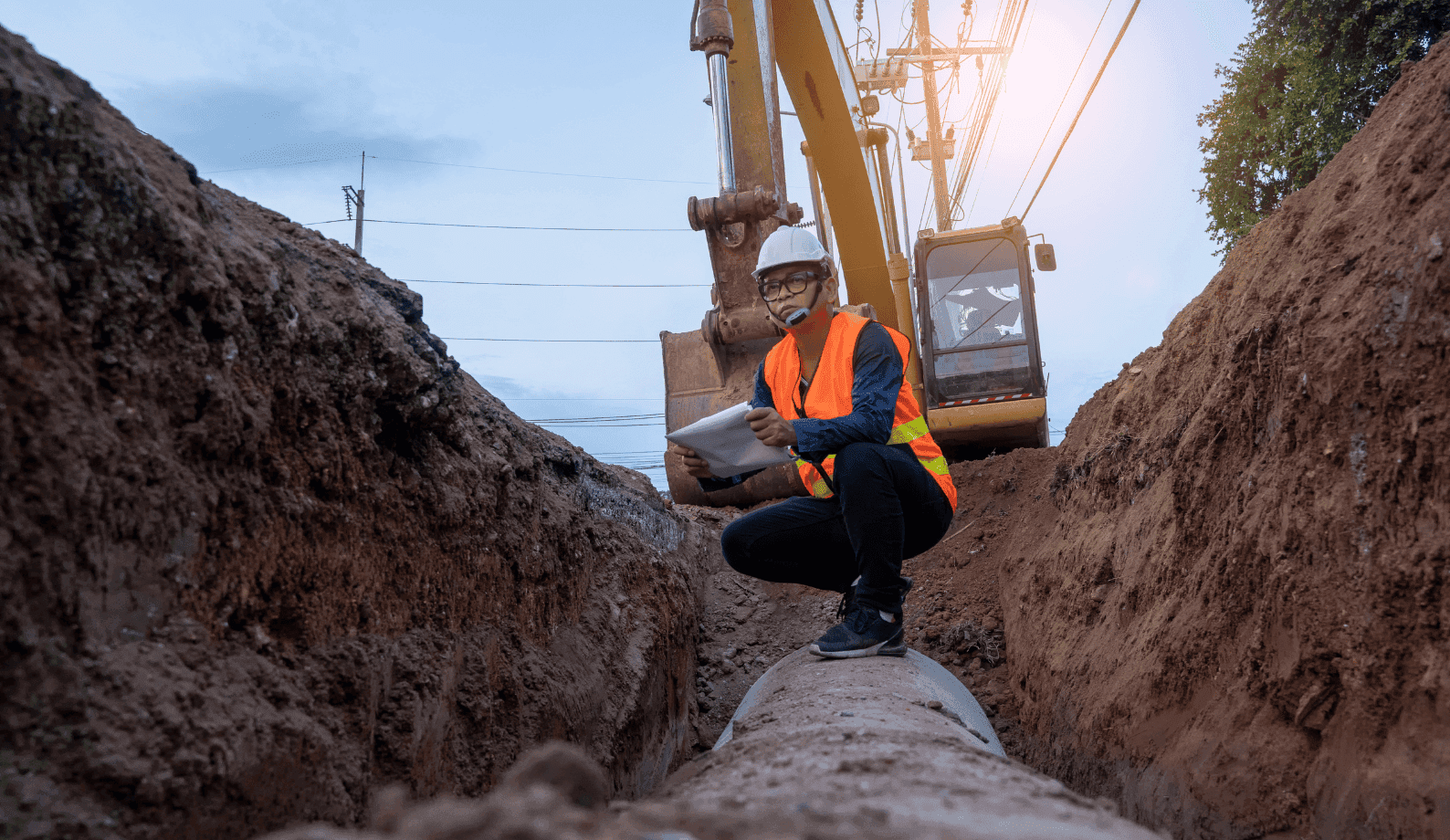
The Pipeline Safety Improvement Act was signed into law in 2002 following a series of pipeline incidents that raised concerns about aging infrastructure, inconsistent inspections, and gaps in safety oversight.
Prior to the legislation, federal pipeline regulations existed but were widely considered fragmented. Several high-profile accidents during the late 1990s and early 2000s highlighted the need for stronger risk management and more systematic inspection programs.
The PSIA introduced a more structured approach to pipeline safety by requiring operators to implement risk-based integrity management programs. These programs focus on identifying areas where pipeline failures could have the most severe consequences and prioritizing inspections accordingly.
The law also strengthened training and qualification requirements for pipeline employees, recognizing that safety systems depend heavily on the competence of the people operating them.
Finally, the PSIA introduced whistleblower protections to ensure employees could report safety violations without losing their jobs. Together, these elements form the backbone of modern U.S. pipeline safety regulation.
Pipeline safety regulation involves both operators and regulators. The PSIA applies to a wide range of organizations, while enforcement responsibilities are shared across multiple federal agencies.
The law applies broadly across the pipeline industry, covering both public and private sector organizations. Affected entities include:
Responsibility for compliance sits primarily with pipeline operators themselves. However, many operational activities are carried out through contractors, which means safety requirements often extend across the full supply chain.
This is particularly important because contractors frequently handle construction, maintenance, inspections, or specialized technical operations. As a result, pipeline safety programs must ensure that contractors meet the same standards required of direct employees.
Pipeline safety oversight in the United States is shared between several federal bodies.
The Pipeline and Hazardous Materials Safety Administration (PHMSA), part of the U.S. Department of Transportation, serves as the primary regulator for pipeline operations. PHMSA develops safety regulations, conducts inspections, and enforces compliance requirements.
The agency also oversees integrity management programs that pipeline operators must maintain for high-risk areas.
Whistleblower protections, however, fall under the Occupational Safety and Health Administration (OSHA) within the Department of Labor. OSHA investigates retaliation complaints from employees who report safety violations or refuse unsafe work.
This dual enforcement structure reflects the two major objectives of the PSIA: ensuring technical pipeline safety and protecting employees who raise concerns about safety violations.
The Pipeline Safety Improvement Act focuses on risk prevention. Rather than reacting to accidents, the law requires operators to actively monitor their pipeline systems and address potential failures before they occur.
Key requirements include:
Pipeline operators must establish formal programs to identify risks and evaluate pipeline integrity. These programs focus especially on high-consequence areas, where a pipeline failure could endanger populated areas or environmentally sensitive locations.
Integrity management programs typically include:
Pipeline systems must undergo periodic inspections and integrity assessments.
Operators are generally required to reassess pipeline integrity at least every seven years, though specific timelines may vary depending on risk factors. Inspection methods may include internal inspection tools, pressure testing, or direct pipeline examination.
Pipeline safety programs must ensure that employees performing regulated tasks are properly trained and qualified. Operator qualification programs are required to verify that workers have the skills and knowledge necessary to safely perform their roles.
Pipeline operators must also educate communities located near pipelines about potential hazards to help prevent accidental damage by the public and improve emergency preparedness.
Public awareness initiatives typically provide information on how to recognize pipeline leaks, what to do in an emergency, and how construction or excavation activities could damage pipelines.

One of the most significant elements of the law is its whistleblower protection framework. Employees working for pipeline operators or contractors are protected when they report safety concerns or refuse to perform tasks they reasonably believe could violate safety regulations.
Protected activities include:
If an employer retaliates against an employee for engaging in these activities, the worker may file a complaint with the Department of Labor.
Retaliation can take many forms, including:
Employees must generally file a complaint within 180 days of the retaliatory action. If a violation is confirmed, employers may be required to reinstate the employee and provide back pay or other compensation.
These protections are designed to ensure safety issues reach regulators before accidents occur.
Even organizations committed to safety can face difficulties implementing PSIA requirements. Several recurring challenges appear across the pipeline industry:
Many pipeline networks span hundreds or thousands of miles. Managing inspection schedules, maintenance records, and risk assessments across large systems can quickly become complex.
A significant portion of the U.S. pipeline infrastructure was built decades ago. Older systems may require more frequent monitoring, repairs, and integrity testing.
Pipeline operators frequently rely on contractors for specialized tasks. Ensuring contractors follow safety procedures and reporting protocols can be difficult without clear systems in place.
In some organizations, employees hesitate to report safety concerns due to fear of retaliation or reputational consequences. Without safe reporting channels, early warning signs may go unnoticed.
Regulators require detailed documentation of inspections, safety programs, and corrective actions. Maintaining accurate records across multiple systems can be time-consuming.
These challenges highlight why compliance often requires both strong internal processes and a reliable reporting infrastructure.
Pipeline incidents demonstrate why strict safety standards and strong reporting systems are necessary. One frequently cited example occurred before the PSIA was introduced.
One widely cited example is the Olympic Pipeline explosion in Bellingham, Washington, in 1999. A gasoline pipeline ruptured near Whatcom Creek, releasing fuel that later ignited and created a massive fireball that traveled through the creek area. Three people were killed in the explosion.
Investigations later revealed a series of operational failures that contributed to the incident. These included problems with the pipeline’s monitoring system, delayed response to pressure changes, and organizational communication issues.
Events such as the Bellingham explosion reinforced several lessons that remain central to modern pipeline safety regulations:

Most pipeline operators translate regulatory requirements into structured compliance programs built around several operational practices.
Pipeline safety should be assigned to dedicated compliance or safety leaders responsible for overseeing integrity management programs, inspections, and incident response procedures.
Operators should maintain centralized systems for tracking pipeline inspection timelines, maintenance work, and reassessment requirements. Regular monitoring helps ensure critical inspections are not missed.
Training should cover both technical pipeline operations and safety procedures. Certification systems help verify that employees performing regulated tasks meet federal qualification requirements.
Employees and contractors must have a safe way to report potential safety violations. Reporting channels should be confidential, easily accessible, and protected against retaliation.
Audit trails for inspections, risk assessments, incident investigations, and corrective actions help demonstrate regulatory compliance. This documentation becomes particularly important during inspections or enforcement investigations.
Organizations that combine these practices tend to be better prepared for regulatory reviews and operational challenges.
In industries with high operational risk, safety incidents rarely occur without warning. Employees often notice early warning signs such as unusual equipment behavior, maintenance issues, or procedural shortcuts.
When those concerns surface quickly, organizations can intervene before problems escalate. This is where structured reporting systems play an important role.
These tools help organizations document safety concerns, investigate issues, and maintain the audit trails regulators require.
Effective reporting programs provide:
Without these systems, safety concerns may remain informal conversations rather than documented issues that can be investigated and resolved. In heavily regulated industries like pipeline operations, the difference can be significant.
While compliance ultimately depends on internal processes, technology can simplify many aspects of reporting and documentation.
FaceUp provides a secure reporting platform designed to help organizations manage whistleblower reports and compliance cases in a structured way.
Employees and contractors can submit concerns through multiple channels, including web portals, mobile apps, and hotlines. Reports can be submitted anonymously, encouraging employees to speak up about potential safety risks without fear.
Once a report is submitted, the platform creates a centralized case record that allows compliance teams to document investigations, track actions taken, and maintain a clear audit trail.
For organizations working with international teams or contractors, multilingual reporting options can also improve accessibility and participation.
By supporting confidential reporting and structured case management, systems like FaceUp help organizations create the transparency that safety regulations aim to promote.

More than two decades after its introduction, the Pipeline Safety Improvement Act continues to shape pipeline safety standards in the United States.
The law laid the foundation for risk-based safety programs and strengthened the role of employees in identifying hazards before they escalate.
For pipeline operators, compliance with the PSIA is about more than avoiding penalties. It is about building systems that detect risks early, respond to safety concerns quickly, and protect both workers and communities.
Organizations that invest in strong reporting channels, qualified personnel, and transparent safety processes are better equipped to meet regulatory expectations and maintain public trust.
In industries where safety margins are narrow and infrastructure spans vast distances, those systems are essential.
Secure reporting channels play an important role in maintaining safe pipeline operations. When employees and contractors can report concerns early, organizations are better positioned to detect risks before they escalate into incidents.
Book a demo to see how FaceUp supports pipeline safety compliance and whistleblower protection under the PSIA.
We’ll assess your needs and recommend the right setup for anonymous reporting or surveys - aligned with your compliance or HR goals.
Keep Reading
Alaa El-Shaarawi2026-09-095 min
Legal & Compliance

Mary Shirley2026-07-285 min
Workplace Environment
Marie Roland2026-07-276 min
Legal & Compliance

Marie Roland2026-07-275 min
Legal & Compliance