

Whistleblowing | Workplace Compliance
A U.S. federal law designed to strengthen gas and hazardous liquid pipeline safety nationwide, setting new risk-management standards for operators, including regular inspections, employee qualifications, public education initiatives, and introducing industry whistleblower protections.
 Region: USA/
 Sector: Public & Private/
 Effective date: 12/17/2002/
 Last regulatory update: 12/27/2020/
 Mandatory:Yes/
Table of contents
The Pipeline Safety Improvement Act (PSIA) is a U.S. federal law that set out to strengthen industry safety standards for interstate and intrastate gas and hazardous liquid pipeline operations. Its requirements include risk-based management, regular inspections and integrity assessments, operator and employee qualifications, and public education efforts.
The PSIA also implemented whistleblower protections for employees working for operators, contractors, and subcontractors in the industry. These protect staff from retaliatory actions for reporting noncompliance with mandatory safety standards, refusing to do work they reasonably believe to be unsafe, assisting in investigations, or providing related testimony in court.
The PSIA is primarily overseen by two government bodies. The first, the Department of Transportation (DOT), and more specifically, its Pipeline and Hazardous Materials Safety Administration (PHMSA), are in charge of conducting investigations, enforcing pipeline safety regulations, and ensuring compliance through risk assessments and integrity evaluations.
Meanwhile, the Department of Labor (DOL) and, in particular, the Occupational Safety and Health Administration (OSHA) administer whistleblower protections, investigate retaliation claims, issue citations, and initiate court proceedings if a violation is confirmed.
Under the PSIA, safety violations can result in fines of up to $100,000 for a single violation or $1,000,000 for a series of related violations. Employers found to have retaliated against a whistleblower may be fined $1,000 and required to reinstate the wronged employee to their original position with full back pay, benefits, and possible attorney fees.
The PSIA does not directly address criminal offenses. However, any violation that would constitute a criminal offense can be prosecuted under 49 U.S. Code § 60123.
For operators, the PSIA requires creating risk-based management programs to assess risks and integrity and maintain safety across their pipeline systems. They must prioritize high-risk facilities, comply with reassessment every 7 years, ensure their employees are properly qualified, and educate the public on the threats of pipeline operations.
For whistleblowers, the PSIA requires reporting retaliation within 180 days of the incident and to bring forth reasonable evidence that the actions taken against them were related to their protected activities. If they are unable to do so, or the employer proves the protected activities had no bearing on their decisions, the employee can be fined $1,000 for a frivolous lawsuit.
Importantly, under the Pipeline Safety Improvement Act, whistleblowers cannot be forced to waive their rights to court hearings, as the law renders “predispute arbitration” contract clauses null and void. Additionally, if the DOL or the employer fails to fulfill their legal obligations, they can be compelled to do so via a “mandamus” or court order, respectively.
The PSIA is a cornerstone of safe pipeline operations across the U.S. By enforcing safety standards and imposing clear penalties for violations, it protects local communities and the environment from the risks associated with gas and hazardous liquid pipelines. Its whistleblower protections also help create safer, more accountable, and transparent work environments.
Under the Pipeline Safety Improvement Act, a basic web form or a dedicated email inbox isn’t sufficient to securely handle sensitive reports. With FaceUp, you can take the heavy lifting out of compliance and focus on solving issues, rather than managing paperwork.
FaceUp provides fully anonymous reporting via mobile app, hotline, and web portal, along with secure case management that automatically generates required audit trails and compliance documentation in 113+ languages.
This means employees can speak up safely, organizations stay audit-ready, and compliance with PSIA regulations is simplified.


Private and state-owned operators of interstate and intrastate hazardous liquid and gas pipelines, including their contractors and subcontractors.

FaceUp is an anonymous reporting and compliance platform designed to help businesses meet whistleblowing regulations worldwide, including those in the US, EU, UK, and UAE.
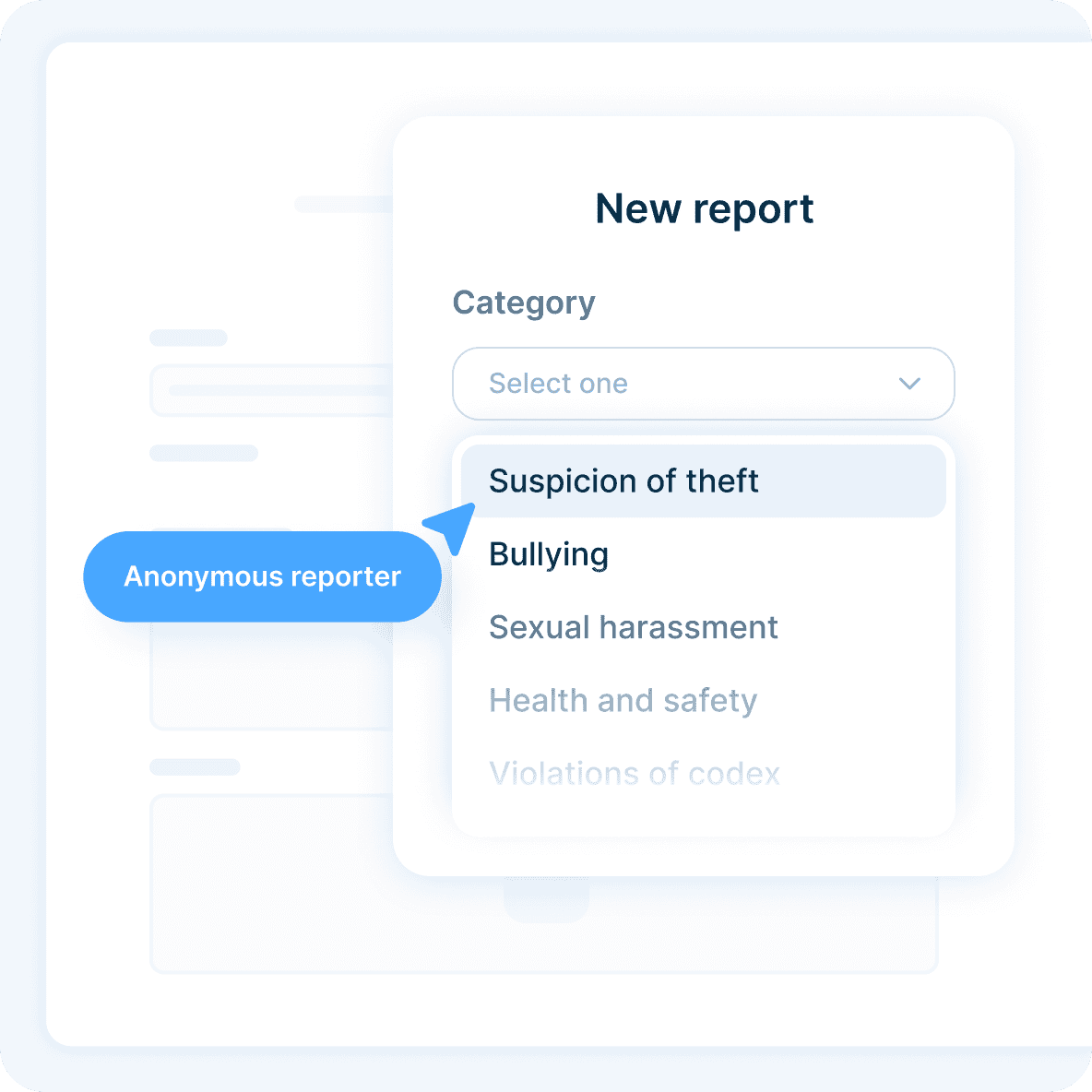
Give staff multiple secure channels to report their concerns, complete with an anonymous two-way chat.

Mobile-First Accessibility

No IP storage, no device IDs, encrypted submissions

Customizable forms, categories, routing rules, and more
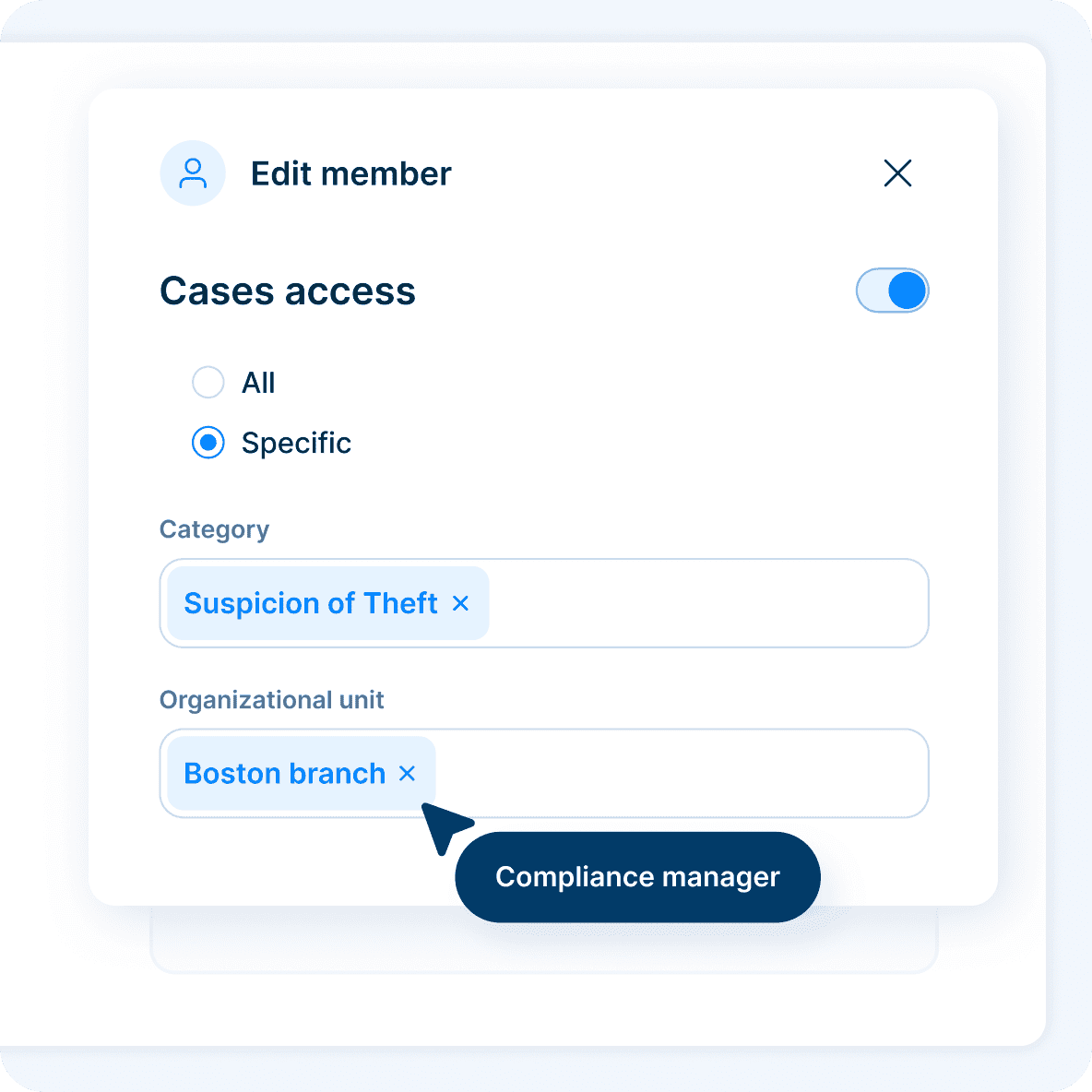
Create an easily verifiable audit trail through a customizable case management system with automatic routing.
Supports multiple locations, subsidiaries, or units

Entity-specific routing and access permissions

Optional notifications via email, Teams, or Slack
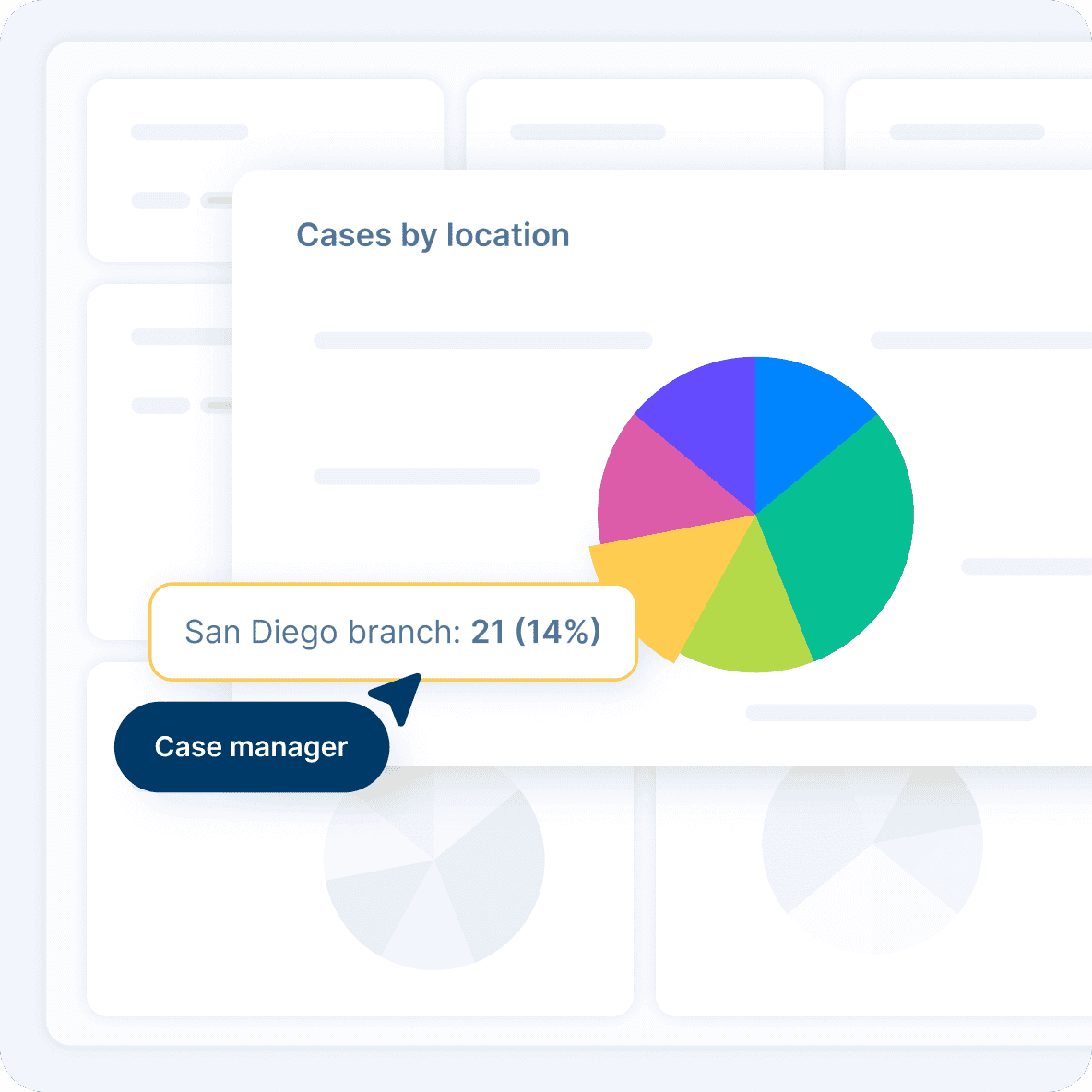
Identify trends, repeated issues, and escalation risks early with customizable visual real-time dashboards.

Filter by category, region, channel, and more

Share without revealing sensitive information

ISO 27001 and SOC 2-certified local servers