Workplace Environment

Alaa El-Shaarawi
Copywriter and Content Manager
Published
2026-01-21
Reading time
8 min
Table of contents
Subscribe to our newsletter

Most people don’t wake up wanting to harm their coworkers. Yet harm still happens every day in meetings, Slack threads, performance reviews, and casual conversations by the coffee machine. It often comes in the form of microaggressions in the workplace. Small comments. Side glances. Jokes that land wrong. Assumptions that quietly stick.
If you work in HR, lead a team, or are part of a diverse workplace, you’ve probably seen this play out. Someone leaves a meeting a little quieter than they entered. A talented employee disengages. A complaint comes in, but the details feel fuzzy. Nothing sounds dramatic enough to act on, yet something is clearly off.
This article is for people who want to understand what microaggressions in the workplace are, how to recognize them, and how to deal with them without making things worse. It’s also for organizations that want practical ways to address subtle bias and build a healthier culture, not just better policies.
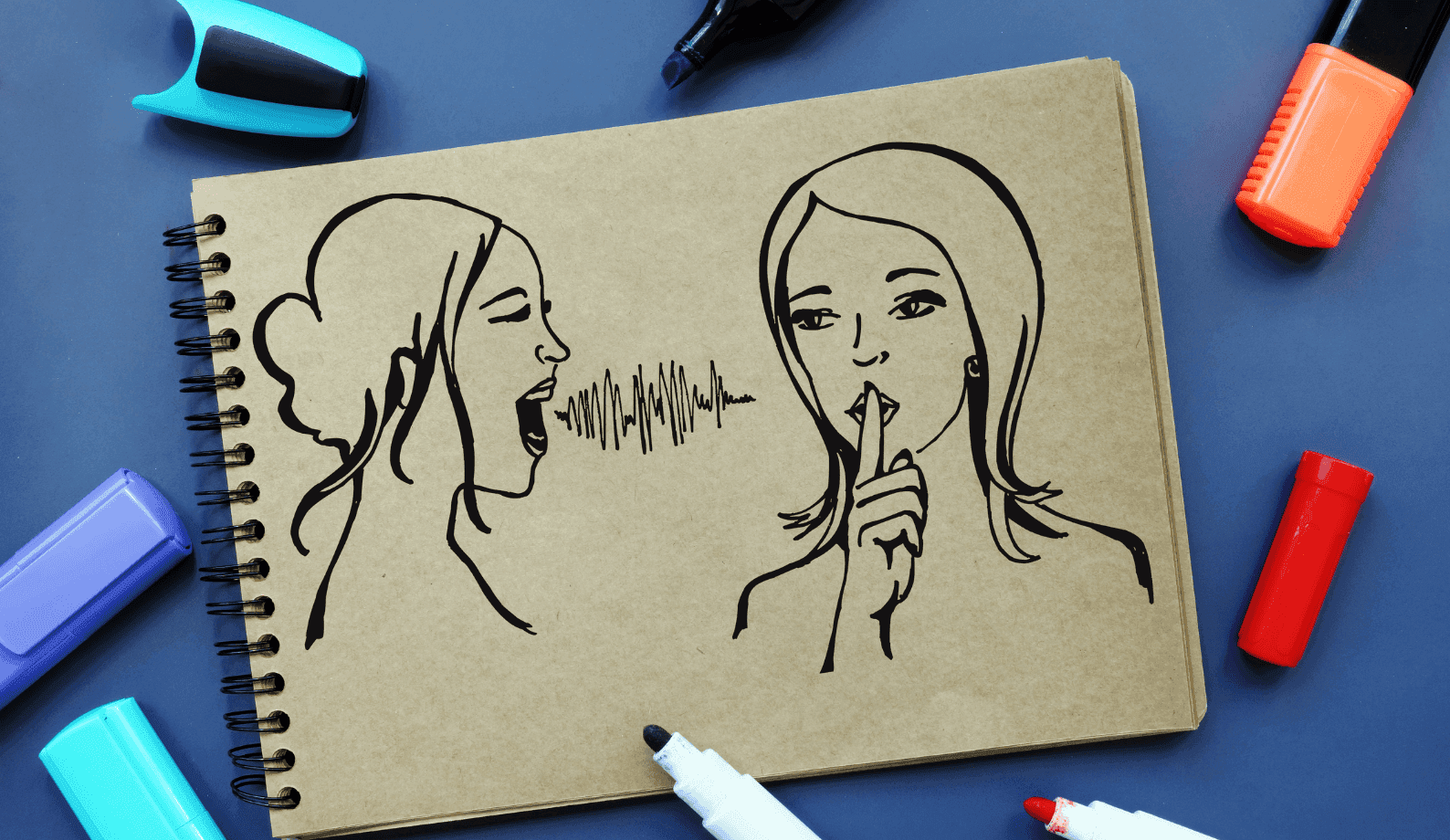
Microaggressions are subtle behaviors, comments, or actions that communicate bias or exclusion toward a person or group. They’re often unintentional, but that doesn’t make their impact smaller.
The term was first developed by psychologist Chester M. Pierce to describe everyday slights experienced by marginalized groups. In a workplace context, microaggressions often show up as offhand remarks, repeated assumptions, or nonverbal signals that suggest someone does not fully belong.
A microaggression in the workplace is usually:
This is what makes them so difficult to address. Targets often feel gaslit when they speak up. Perpetrators are confused or defensive because they did not mean harm. HR is left trying to interpret intent instead of impact.
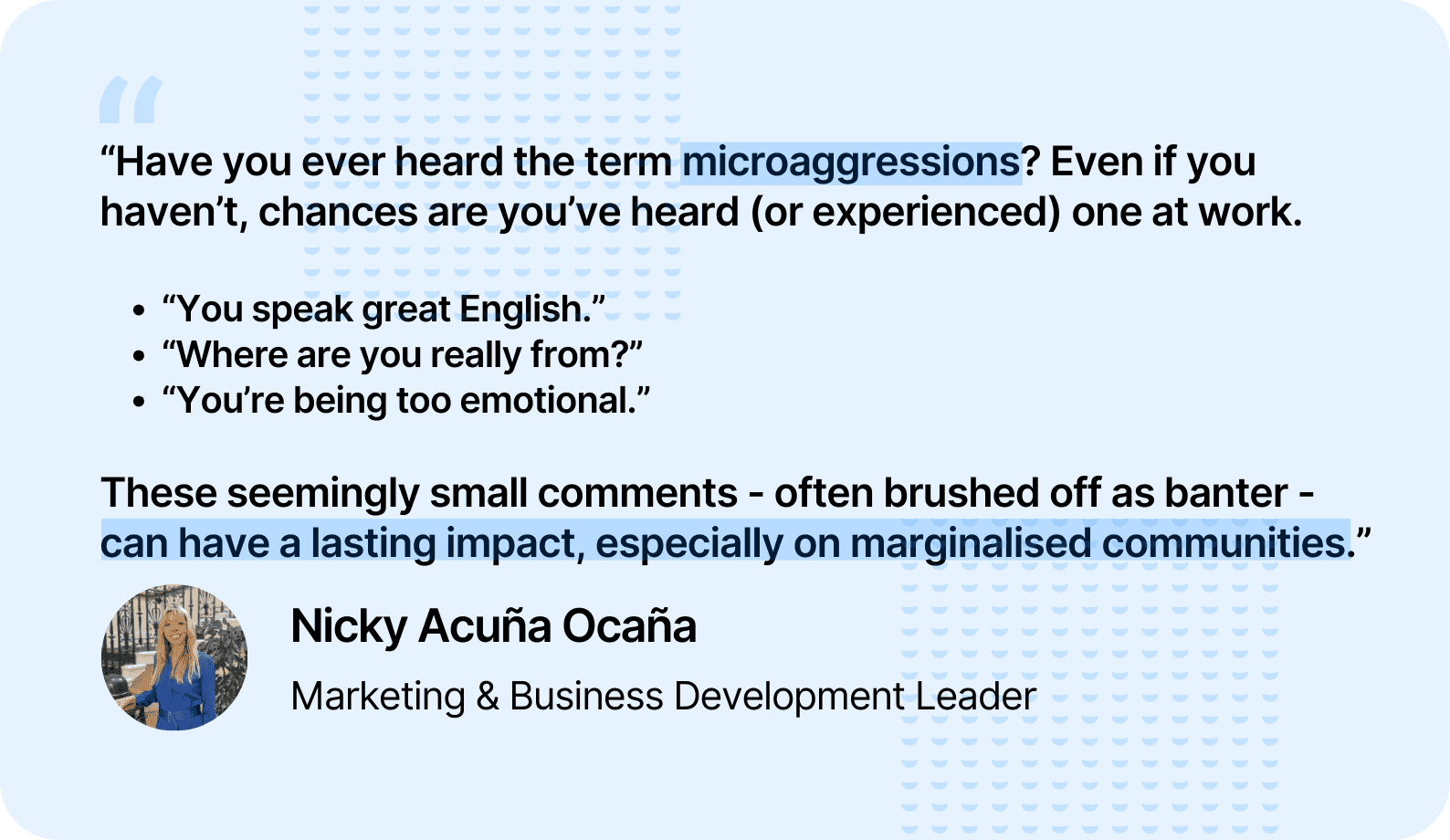
Overt discrimination is visible. It breaks rules. It triggers formal action.
Microaggressions operate in the grey zone. They often fall below the threshold of policy violations, yet they create a hostile work environment over time. Employees experiencing microaggressions report lower job satisfaction, higher burnout, and poorer mental health. Teams lose trust. Retention suffers.
Understanding the different types of microaggressions helps HR, managers, and employees name what’s happening without escalating the situation too early or minimizing it.
| Type | Description | Examples |
| Microassaults | Conscious behaviors or statements expressing bias | Jokes about accents, using slurs, deliberately misgendering someone |
| Microinsults | Subtle comments that question competence or belonging | “You’re surprisingly articulate”, “You don’t look like a developer”, praising a woman for being calm instead of decisive |
| Microinvalidations | Statements that dismiss someone’s lived experience | “I don’t see color”, “You’re overreacting”, “That’s not a gender issue, it’s just personality” |
The common thread is that they send a message of exclusion in the workplace, even when no one intended to send it.
People often ask for concrete examples because microaggressions can feel abstract until you see them written down. Below are real workplace microaggression examples grouped by category.
Not all microaggressions are spoken.
These examples of microaggressions in the workplace often seem small on their own. The cumulative effect is what causes harm.

Microaggressions aren’t just “small slights.” Over time, they affect confidence, collaboration, culture, and employee well-being, creating real costs for people, teams, and organizations.
| Level | Impact |
| Individual | Reduced self-esteem, emotional exhaustion, increased stress & health issues, withdrawal from collaboration |
| Team | Lower psychological safety, less innovation & idea sharing, more conflict avoidance, higher turnover |
| Organization | Reputational risk, decreased productivity, difficulty retaining diverse talent |
Addressing microaggressions isn’t about being politically correct, but about removing the quiet friction that undermines work, trust, and growth. When patterns are recognized and addressed early, workplaces become safer, more inclusive, and more productive.
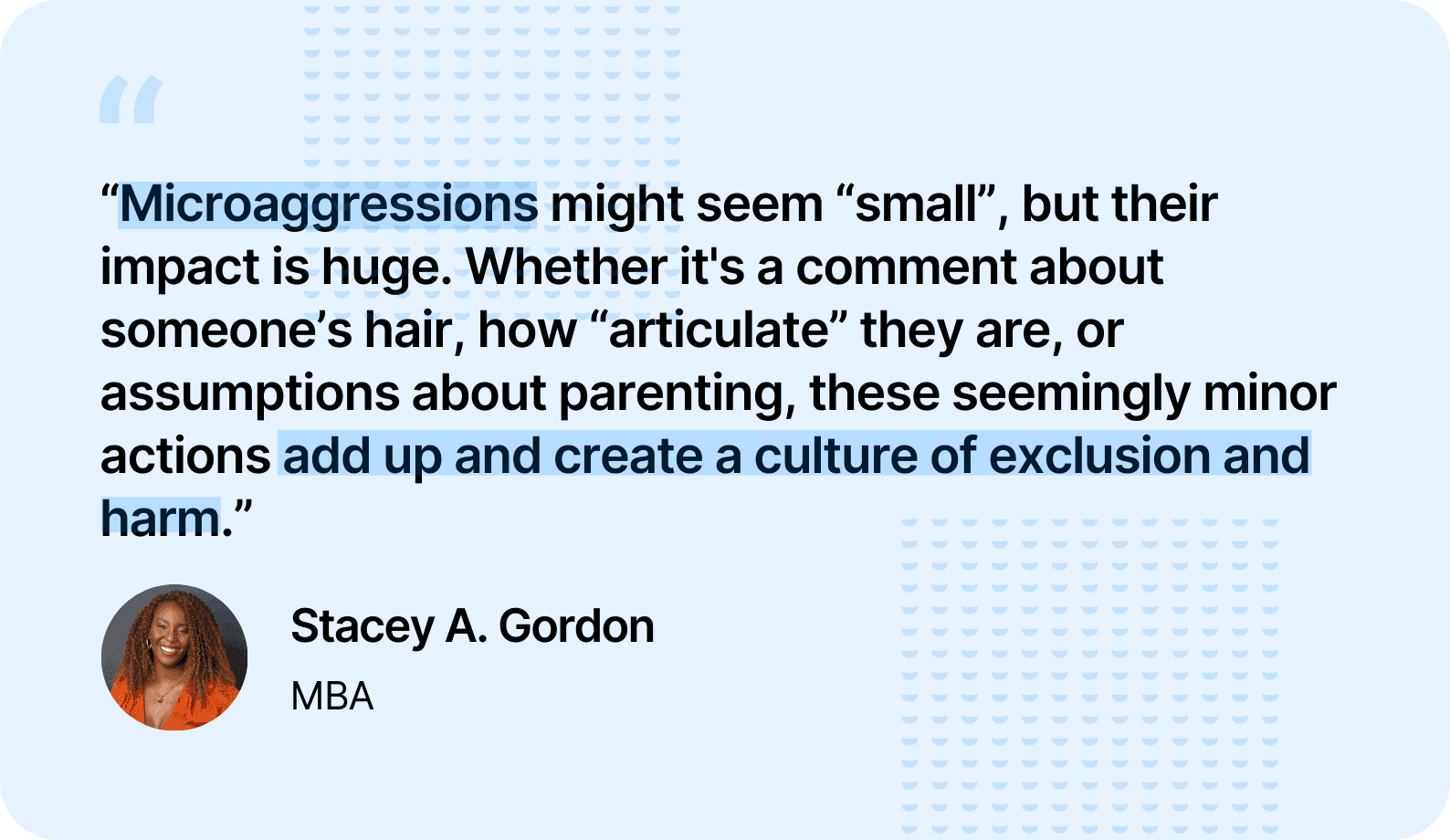
Microaggressions are often subtle, which makes them hard to spot in real time. If you’re unsure whether something counts, ask:
Listening for patterns matters more than judging single moments. This is especially important for HR and DEI professionals reviewing reports or complaints. Keep a simple record of incidents, including context, witnesses, and impact. Over time, patterns become clear, supporting effective rather than reactive responses.
Whistleblowing platforms like FaceUp make this easier by surfacing subtle trends that individual managers might miss. When employees can report without fear, organizations gain a complete picture of where bias is affecting people, and where to take meaningful action.
Addressing microaggressions is about keeping your workplace respectful and safe. These strategies help employees, managers, and human resources respond effectively and prevent patterns of subtle bias.
There’s no single right response. Safety and context matter. Here are practical options employees can use:
If speaking up feels unsafe, documenting incidents builds clarity. Dates, witnesses, and context matter if escalation becomes necessary.
Managers set the tone, whether they intend to or not. Here’s what effective leaders do:
A simple pause helps.
Teams that regularly give and receive feedback handle bias better. It becomes part of growth, not punishment.
If you notice a pattern, speak to the person involved. Focus on impact, not intent.
HR often struggles with what to say when incidents feel minor but repeated. These templates help start the conversation.
“Thank you for sharing this. We take these experiences seriously and want to understand the pattern. We will review this carefully and follow up with next steps.”
“This behavior may not have been intentional, but it had an impact. Here is what was reported, and here is what needs to change moving forward.”
“We are reinforcing expectations around respectful communication. Small comments can have a big impact, and we all share responsibility for this culture.”
Clear, consistent responses build trust. Silence breaks it.
Training alone isn’t enough. Prevention is about systems, not just awareness:
When policies, reporting, and leadership action work together, culture shifts from intention to action. Microaggressions become easier to spot, address, and prevent before they escalate.
Microaggressions may not be illegal on their own, but they're often used to prove patterns of discrimination or harassment. Courts and regulators look at repetition, tolerance, and inaction over time, not isolated moments.
In the EU, UK, and US, employers have a duty of care to prevent discrimination and harassment. When microaggressions are documented and ignored, organizations can be found negligent for failing to intervene early, especially when patterns relate to protected characteristics such as race, gender, disability, age, or sexual orientation.
From a compliance standpoint, microaggressions frequently appear in:
Microaggressions are rarely the violation themselves. They’re often the evidence trail.
Ethically, ignoring subtle bias shapes who feels safe, heard, and visible. Over time, this affects promotion, engagement, and retention. These impacts are measurable, not abstract.
That’s why early documentation matters. Safe reporting systems allow HR to spot risk early and show regulators that reasonable steps were taken to prevent harm.
Awareness is improving. Training is more common. Policies are clearer. Employees have language for experiences that were once dismissed.
But reporting still lags. Fear of retaliation remains high, especially for junior staff, contractors, and marginalized employees. Awareness without safety simply hides the problem.
Organizations making real progress share three traits:
Where these exist, microaggressions become manageable. Where they don’t, they accumulate into complaints, attrition, or legal risk.
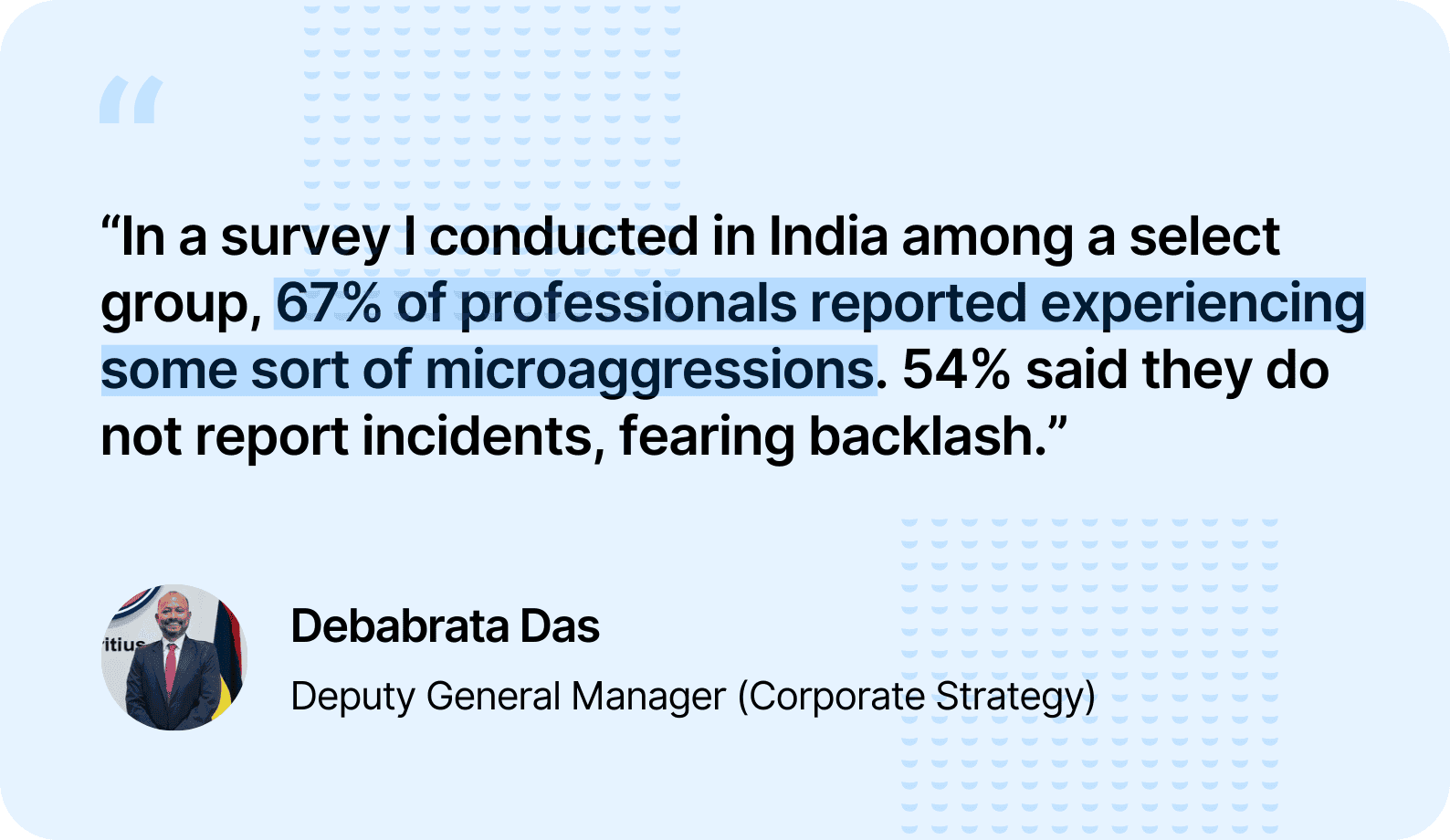
Microaggressions rarely appear as clear, single incidents. They appear as patterns across teams, managers, locations, or processes. Most organizations only see these patterns once people start leaving.
FaceUp helps surface these early signals.
Employees can report subtle issues anonymously, without fear of backlash or being labeled difficult. HR and leadership can then see trends, not just isolated complaints. This makes it possible to respond with training, coaching, or policy changes instead of waiting for escalation.
If your organization wants to understand what’s happening beneath the surface, start by listening differently. Create spaces where people can speak without risk. Look for patterns, not perfection.
FaceUp supports organizations in capturing these signals early, before they turn into culture or legal problems. Used well, it becomes part of learning, not policing.
Microaggressions in the workplace won’t disappear overnight. But they become easier to recognize, address, and prevent when people feel safe to name them. That’s how subtle bias loses its power.
Book a demo to see how FaceUp helps you uncover patterns early, support employees safely, and turn insight into action.
Keep Reading
Alaa El-Shaarawi2026-09-095 min
Legal & Compliance
Mary Shirley2026-07-285 min
Workplace Environment
Marie Roland2026-07-276 min
Legal & Compliance
Marie Roland2026-07-275 min
Legal & Compliance