

Bring All Confidential Reports Into One Secure Place
We’ll assess your needs and recommend the right setup for anonymous reporting or surveys - aligned with your compliance or HR goals.
Legal & Compliance

Alaa El-Shaarawi
Copywriter and Content Manager
Published
2026-03-19
Reading time
10 min

Table of contents
Subscribe to our newsletter

Financial centres operate on trust. Investors, regulators, and businesses rely on the assumption that misconduct will be identified and addressed quickly. When employees feel unsafe reporting wrongdoing, that trust begins to erode.
The Abu Dhabi Global Market (ADGM) introduced its Whistleblower Protections to strengthen transparency and accountability inside the financial free zone. The regulations focus on protecting individuals who report suspected misconduct and ensuring organizations have systems in place to receive and manage those reports.
For companies operating within ADGM, these protections create clear expectations around reporting channels, confidentiality, and the treatment of employees who raise concerns. Whether you’re a business entering the zone or an employee wanting to understand your rights, it’s important to know how these protections work.
In practice, whistleblowing protections are most often used when employees detect suspicious financial transactions, governance failures, or regulatory breaches that may otherwise remain hidden within complex financial operations.
ADGM has positioned itself as an international financial centre serving global businesses, financial institutions, and investment firms. With that status comes the need for strong governance and regulatory oversight.
Whistleblowers often play a key role in identifying financial crime and regulatory breaches. In many cases, employees are the first to notice irregular transactions, governance failures, or unethical conduct.
The ADGM Whistleblower Protections were introduced to ensure that individuals can report concerns safely. The framework was designed to support early detection of issues such as fraud, money laundering, and regulatory violations while discouraging retaliation against those who speak up.
These protections form part of ADGM’s broader regulatory framework, reinforcing transparency, accountability, and financial market oversight within the free zone while remaining aligned with UAE law.
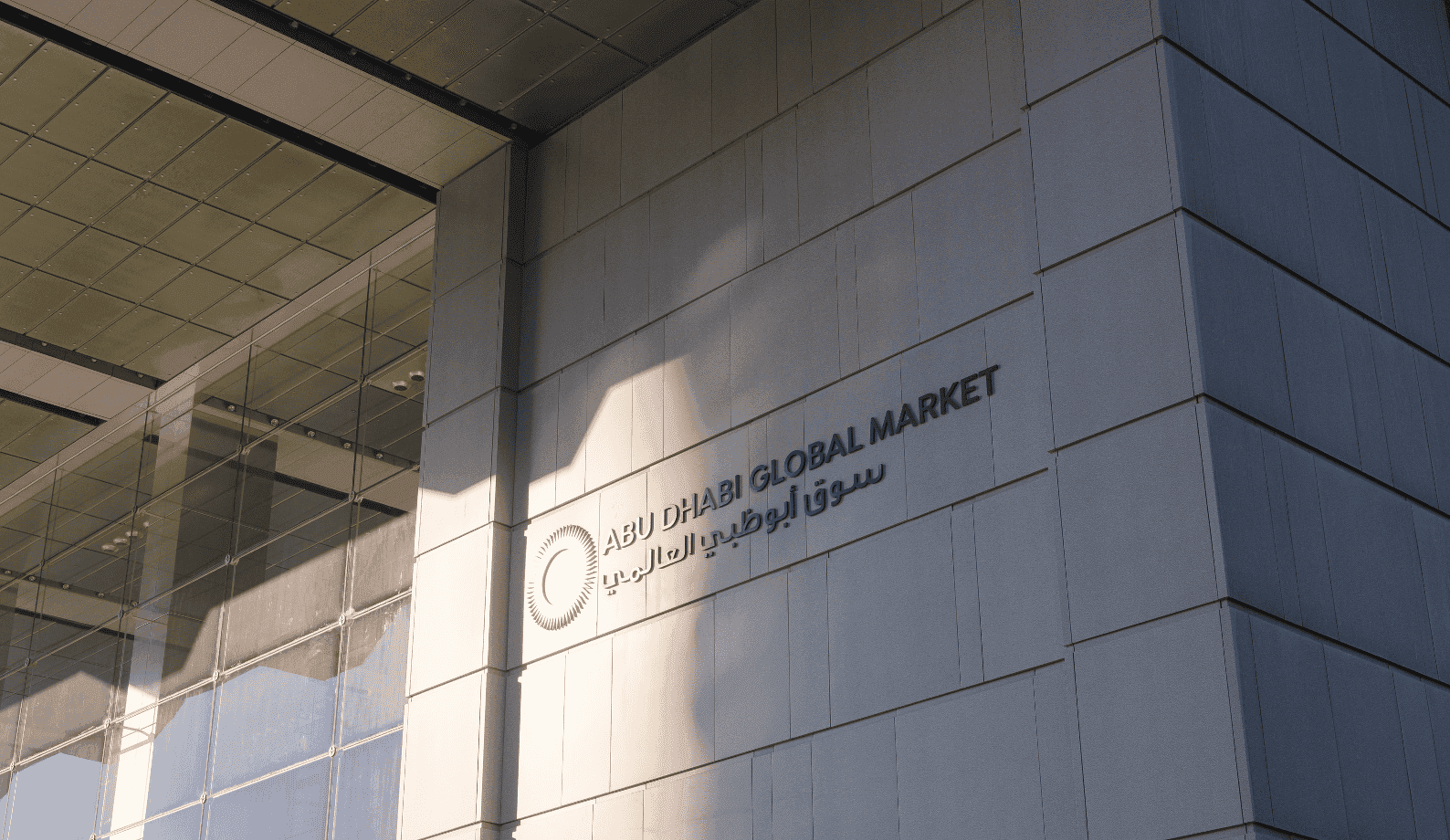
The ADGM Whistleblower Protections help cultivate a culture of compliance, strengthen corporate governance, and support integrity in financial markets within the ADGM free zone. They enhance ADGM’s global standing by aligning protections with best-practice regimes in other developed jurisdictions.
These protections are also part of a broader shift in regulatory expectations across the UAE, where governance, risk management, and compliance are increasingly treated as core business responsibilities rather than internal HR matters.
For many organizations, this also means giving leadership clearer oversight of reporting channels and emerging risks across the business.
Platforms such as FaceUp’s whistleblowing solution for executives help leadership teams monitor reporting trends, identify potential governance risks early, and maintain visibility into how whistleblower reports are handled across the organization.
These protections are also reflected in whistleblowing frameworks across the UAE’s financial free zones, including DIFC and ADGM.
The ADGM Whistleblower Protections define what types of reports qualify for protection and what actions organizations must avoid when employees raise concerns. The framework focuses on three key areas: the types of misconduct that can be reported, what qualifies as a protected disclosure, and what behavior counts as retaliation against whistleblowers.
Whistleblower protections apply when employees report potential violations connected to regulatory compliance or financial integrity.
These may include:
In many cases, early detection of these issues helps prevent larger regulatory violations or financial losses.
To receive protection under the regulations, a report must meet certain conditions.
The disclosure must be made in good faith and based on a reasonable belief that the information being reported is accurate. The concern must relate to a violation of ADGM rules, UAE federal laws, or other applicable regulations.
Reports may involve a range of issues, including financial misconduct, fraud, money laundering, corporate governance failures, or regulatory noncompliance.
The law focuses on the intention and credibility of the disclosure. Employees do not need to prove that wrongdoing actually occurred, but they must have reasonable grounds for raising the concern.
The ADGM regulations refer to retaliation as “detrimental action.” Although the law does not define the term exhaustively, it provides several examples of behavior that could qualify.
Detrimental actions may include dismissal, forced resignation, or withholding of benefits or employment opportunities. Threats, intimidation, or attempts to organize such actions against a whistleblower may also fall within this category.
The goal is to prevent any adverse treatment due to an individual reporting suspected wrongdoing.
By defining these protections clearly, the framework encourages employees to come forward when they identify risks or misconduct.

The protections apply to essentially all entities operating within the Abu Dhabi Global Market free financial zone, also known as Global Market Establishments. The term covers a wide range of organizations registered or licensed within ADGM, including companies, financial institutions, branches, representative offices, and other authorized operations.
Any organization that currently operates or has previously operated within the ADGM jurisdiction falls within the scope of these rules.
Because the free zone hosts many financial services businesses, the regulations are particularly relevant to regulated financial sector organizations that manage investment activities, financial transactions, or client assets.
Oversight of the Whistleblower Protections rests with the Abu Dhabi Global Market Authority. But within the ADGM framework, several bodies play specific roles when concerns are reported or disputes arise.
The Financial Services Regulatory Authority may receive external disclosures related to financial misconduct or regulatory breaches. The ADGM Office of Data Protection may become involved when cases involve data handling or privacy concerns.
If disputes arise regarding retaliation against a whistleblower, the ADGM Courts have the authority to hear and decide those cases.
This multi-layered structure ensures that both regulatory and legal mechanisms are available to address misconduct and protect individuals who report it.
Companies operating in ADGM are expected to establish formal systems that allow employees to report concerns safely and confidentially.
Organizations must create accessible whistleblowing channels that employees can use without fear of retaliation. These channels should be communicated clearly and periodically so that employees understand how to report concerns.
Anonymous reporting is part of the recommended framework, helping employees share information even when they fear potential consequences.
Beyond that, businesses must protect the identity of individuals involved in reports. Information that could reveal a whistleblower’s identity can only be shared on a strict need-to-know basis.
Another key requirement is recordkeeping. Organizations must retain documentation related to whistleblower reports for at least six years, ensuring transparency if regulatory reviews or investigations occur later.
Whistleblowing frameworks are designed to ensure concerns can be reported safely and investigated appropriately. Within ADGM organizations, reporting systems typically include both internal reporting channels and the option to contact regulators directly when necessary.
In financial institutions, potential misconduct is often identified by employees working with financial transactions, client data, or compliance monitoring systems.
A typical reporting process may follow these steps:

While companies are encouraged to provide internal reporting channels, the ADGM framework recognizes that employees may sometimes prefer external routes.
Whistleblowers may report concerns directly to regulators, such as the Financial Services Regulatory Authority, or other appropriate ADGM bodies.
The regulations also require organizations to inform employees about these external reporting options. Internal reporting can be encouraged, but cannot be made the only available pathway.
This approach ensures that individuals always have a safe way to raise concerns, even if they believe internal systems may not handle the issue appropriately.
When whistleblower reports are ignored, mishandled, or met with retaliation, the consequences can be significant. Regulatory penalties, reputational damage, and large-scale financial scandals often emerge when organizations fail to address misconduct early.
Understanding these risks highlights why strong reporting systems and whistleblower protections are critical in regulated financial environments.
Organizations that retaliate against whistleblowers face significant consequences.
If a company is found to have taken detrimental action against an employee who made a protected disclosure, the individual may be reinstated to their previous role with full pay and benefits. This includes compensation for lost income and damages related to the harm caused.
Financial penalties may also apply. Businesses can face fines of up to one million US dollars depending on the severity of the violation. In extreme cases, regulators may even suspend or revoke an organization’s license to operate within ADGM.
If a company fails to comply with a ruling or compensation order, the whistleblower may initiate civil proceedings in the ADGM Courts to enforce the decision.
One of the most significant financial whistleblowing cases in recent years involved Danske Bank, where an internal whistleblower helped expose suspicious transactions passing through the bank’s Estonian branch.
Investigations later revealed that approximately €200 billion in potentially suspicious payments had flowed through the branch over several years. The case triggered international regulatory investigations and major compliance reforms across the financial sector.
The scandal demonstrated how employees within financial institutions are often the first to detect unusual transaction patterns or regulatory breaches. Strong whistleblower protections encourage individuals to report these concerns early, helping regulators and organizations prevent large-scale financial misconduct.
Financial institutions often operate in highly complex regulatory environments. Without clear reporting processes, misconduct concerns may be mishandled or overlooked.
Some common compliance mistakes include:
Addressing these gaps helps organizations build stronger governance frameworks and maintain regulatory trust.
Employees often have direct visibility into operational practices, financial transactions, and internal decision-making. When they have a safe way to report concerns, organizations gain valuable insight into potential issues and can address risks before they escalate.
Organizations operating within ADGM can strengthen their compliance programs by implementing clear reporting frameworks, including these practical steps:
Without structured systems, reports may be lost, delayed, or handled inconsistently, increasing both compliance risks and reputational damage. Implementing these measures helps organizations maintain trust, accountability, and adherence to ADGM regulations.
To effectively comply with ADGM whistleblower protections, organizations need practical systems to manage reports safely and confidentially. Handling disclosures can be complex, especially when reports involve sensitive financial or regulatory issues.
Whistleblowing platforms like FaceUp provide a structured system for managing reports in regulated environments.
With FaceUp, organizations can:
This approach helps organizations meet whistleblowing requirements while ensuring reports are handled securely and consistently.
Example: A financial analyst who detects suspicious transactions could submit a confidential report through the platform, allowing compliance teams to investigate quickly while protecting the whistleblower’s identity.
The ADGM Whistleblower Protections reflect a broader effort to strengthen governance and transparency within one of the region’s leading financial centres.
By protecting employees who report misconduct and requiring organizations to establish clear reporting mechanisms, the framework helps identify problems earlier and maintain trust in the financial system.
For businesses operating within ADGM, these protections are not only a regulatory obligation. They are part of building a culture where integrity, accountability, and responsible reporting are taken seriously.
Secure reporting channels are a key part of building a reliable whistleblowing framework in regulated financial environments.
Book a demo to see how FaceUp supports whistleblowing compliance in ADGM organizations.
We’ll assess your needs and recommend the right setup for anonymous reporting or surveys - aligned with your compliance or HR goals.
Keep Reading
Alaa El-Shaarawi2026-09-095 min
Legal & Compliance
Mary Shirley2026-07-285 min
Workplace Environment
Marie Roland2026-07-276 min
Legal & Compliance

Marie Roland2026-07-275 min
Legal & Compliance