Workplace Environment

Alaa El-Shaarawi
Copywriter and Content Manager
Published
2026-01-20
Reading time
9 min

Table of contents
Subscribe to our newsletter

Most gender discrimination at work is invisible to the people who benefit from it.
It sits in meeting dynamics, promotion discussions, performance reviews, and jokes that never make it into policy documents. It shows up when someone stops speaking because they know they'll be interrupted, when a promotion conversation quietly stalls, or when a complaint feels too risky to file. By the time it becomes obvious, damage has already been done.
For HR professionals, compliance leaders, DEI officers, employment lawyers, and business owners, this is one of the hardest problems to address because it rarely arrives as a single incident. It arrives as a pattern. And patterns are easy to normalize when everyone is busy.
This guide is for people who want to break that pattern. It covers what workplace gender discrimination looks like in real organizations, how it affects people and performance, what the law says about it, and how to respond when it happens.
Workplace gender discrimination happens when someone is treated unfairly because of their gender, gender identity, gender expression, sexual orientation, pregnancy status, or because they don’t fit traditional gender stereotypes. It applies to women, men, non-binary people, and transgender employees alike.
In legal terms, gender discrimination in the workplace is a form of sex discrimination. In the United States, it’s prohibited by Title VII of the Civil Rights Act of 1964 and enforced by the Equal Employment Opportunity Commission (EEOC). Many countries have similar protections, even if the legal language differs.
What makes this type of discrimination difficult is that it’s often indirect. It can hide behind “business decisions” or “culture fit” arguments. But the impact is very real.
Gender based discrimination in the workplace can affect:
When patterns consistently disadvantage one gender or gender identity, discrimination is present even if no one says it out loud.
Many people ask for concrete examples because they’re unsure whether what they’re experiencing “counts.” The answer is often yes. Below are some of the most common workplace gender discrimination examples HR teams and employment lawyers see.
Two employees perform the same work, with the same responsibilities and experience, yet one is paid less. The gender pay gap remains one of the most visible examples of gender discrimination in the workplace.
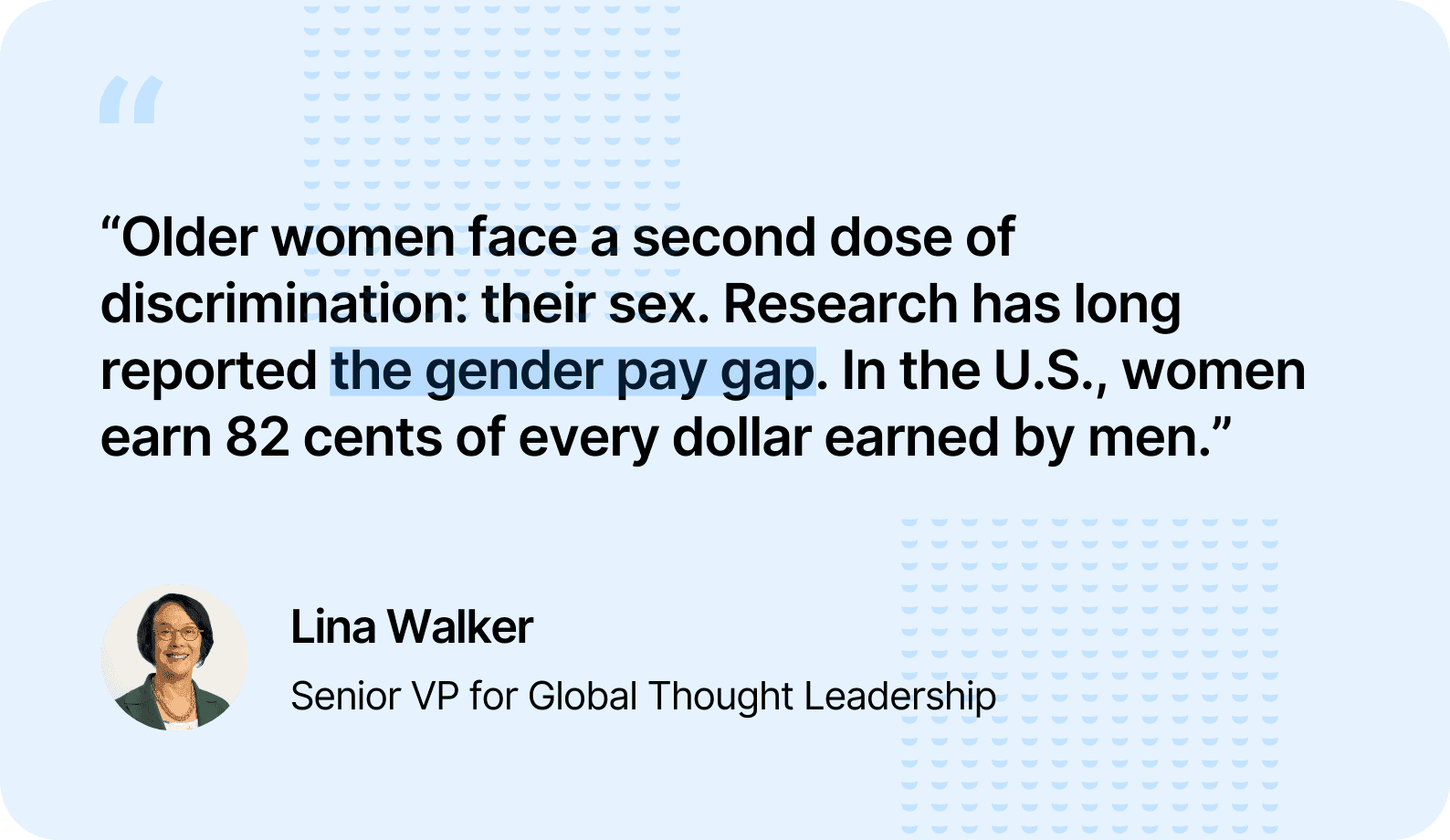
This violates the Equal Pay Act and can also fall under Title VII when pay differences are linked to gender.
One of the most common examples of gender discrimination in the workplace is qualified employees being overlooked for leadership roles. Women and gender-diverse employees are often told they “aren't ready yet,” while male colleagues with similar experience move ahead.
Over time, this pattern creates male-dominated leadership teams that reinforce the same biases that caused the problem in the first place.
Job applicants may be filtered out because their name signals gender, because they’re pregnant, or because recruiters assume they won’t “fit” the team culture. This is a clear form of workplace discrimination based on gender, even when it happens before someone is hired.
Sexual harassment is one of the most recognized forms of gender discrimination. It includes unwanted sexual advances, comments of a sexual nature, jokes, or behavior that creates a hostile work environment.
It can happen between colleagues, from managers to employees, or even from clients and vendors. And yes, sexual harassment can happen outside of work if it’s connected to the job or workplace relationship.

Pregnant employees may be denied promotions, pushed out of projects, or treated as less committed. Parents, especially mothers, are often penalized for using flexible work arrangements. This goes beyond unfair treatment and is illegal in many jurisdictions.
Rules that restrict how employees dress or express their gender can disproportionately impact women, transgender, and non-binary employees. When these rules are enforced unevenly or reinforce stereotypes, they become a form of gender discrimination at the workplace.
Comments like “women are too emotional,” “men are better at negotiations,” or “this role needs a strong male presence” are examples of sexism in the workplace. Even when said casually, they shape decisions and expectations.
These subtle forms of gender bias are often dismissed, but they accumulate and do real damage.
The effects of gender discrimination in the workplace go far beyond hurt feelings. They show up in productivity, retention, mental health, and trust.
Employees who face discrimination report:
For many, the emotional toll is compounded by fear of retaliation. People stay silent because they worry about losing their job, being labeled “difficult,” or harming their career.
From a business perspective, the effects of gender discrimination in the workplace include:
When discrimination is ignored, it spreads. When it’s addressed early, it can be corrected.
This is a question many leaders struggle to answer honestly. The reality is that most workplace systems were designed at a time when leadership roles were dominated by men. Those structures still influence how performance, commitment, and potential are judged.
Women in the workplace are more likely to:
When gender inequality intersects with race, age, disability, or caregiving responsibilities, the effects intensify. Understanding this isn’t about blame, but recognizing patterns and fixing them.
In the United States, several laws protect employees from gender discrimination at work:
These gender discrimination laws in the workplace apply to hiring, firing, pay, promotions, training, and other terms of employment. Employees can file discrimination claims with the EEOC or equivalent national bodies. There are strict deadlines, so timing matters.
Reporting is difficult because people fear retaliation or not being believed. But reporting is often the only way patterns become visible.
Proving workplace discrimination is difficult, but not impossible. Evidence matters.
Useful documentation includes:
A single incident may not be enough, but repeated unfair treatment can establish a pattern. This is why reporting systems and internal investigations are so important.
If you believe you’re experiencing gender discrimination in the workplace, these steps can help:
Silence protects the problem. Reporting creates the possibility of change.
For HR professionals and managers, the way complaints are handled matters as much as the outcome. Poorly managed investigations can deepen harm.
Best practices include:
This is where structured reporting channels help. Anonymous reporting tools like FaceUp give employees a safe way to raise concerns while giving organizations the information they need to act early. When people trust the process, they speak up sooner, and issues are resolved before they escalate.
Preventing gender discrimination in the workplace is more effective than reacting to it later. Organizations that make prevention a priority see better engagement and fewer conflicts.
An accessible anti-discrimination policy sets expectations and reduces confusion. It should define unacceptable behavior, outline reporting options, and explain how investigations work.
Training should address real scenarios, unconscious bias, and decision-making processes. One-off sessions are not enough. Regular refreshers help build awareness.
Pay equity audits, promotion reviews, and hiring data reveal patterns that individual complaints may not show. This is essential for preventing systemic bias.
Employees must have multiple ways to report discrimination, including anonymous options. Fear of retaliation is one of the biggest barriers to reporting.
Preventing discrimination only works when leaders are held responsible for culture and behavior on their teams. Gender equality cannot be delegated to HR alone.
Overcoming gender discrimination requires both individual and systemic action.
Document issues, find allies, and use formal channels when necessary. Keeping clear records and speaking up through safe avenues ensures your experience is recognized and addressed.
Examine how decisions are made, who they benefit, and whether policies unintentionally reinforce bias. Building systems that proactively reduce discrimination, rather than only reacting after incidents occur, makes workplaces safer and fairer for everyone.
A clear prevention of discrimination framework helps embed fairness into everyday practices, from hiring and promotions to performance evaluations.
Whistleblowing tools like FaceUp give employees a safe, anonymous way to raise concerns. Organizations can surface issues earlier, spot patterns, and respond before discrimination becomes embedded. Leaders move from assumptions to evidence-based action, turning reports into real change rather than hidden frustration.
Progress is rarely instant, but it's possible when transparency replaces silence and prevention becomes part of the culture.

Workplace gender discrimination isn’t just a legal issue. It's a human one. Every unreported incident, every overlooked promotion, and every dismissed concern shapes how safe and valued people feel at work.
Organizations that take this seriously build trust. Employees who understand their rights reclaim power. And when reporting, prevention, and accountability work together, gender equality becomes more than a statement. It becomes daily practice.
If you’re reviewing your policies, improving reporting systems, or trying to create a safer culture, start by making it easier for people to speak up. That’s often where real change begins.
Book a demo to see how FaceUp makes reporting, investigating, and preventing gender bias simple.
Keep Reading
Alaa El-Shaarawi2026-10-0510 min
Legal & Compliance
Alaa El-Shaarawi2026-10-028 min
Legal & Compliance

Alaa El-Shaarawi2026-09-249 min
Legal & Compliance
Alaa El-Shaarawi2026-09-095 min
Legal & Compliance