


Whistleblowing | Workplace Compliance
A landmark UAE law that established the Dubai Economic Security Center and introduced whistleblower protections for individuals who report financial crimes.
 Region: UAE, Dubai/
 Sector: Public & Private/
 Effective date: 04/24/2016/
 Last regulatory update: 11/14/2019/
 Mandatory:Yes/
Table of contents
Dubai Law No. 4 of 2016 established the Dubai Economic Security Center (DESC), a government entity tasked with combating corruption, fraud, bribery, embezzlement, abuse of public funds, counterfeiting, forgery, money laundering, and terrorist financing across the emirate.
The law also introduced whistleblower protections for individuals who report financial crimes, where none had existed before, as whistleblowers had previously been exposed to defamation and confidentiality claims under the UAE Penal Code. Protected individuals are informers, defined as any person who cooperates with the DESC or reports a matter that may compromise the emirate's economic security.
The law applies to all Local Government Entities; entities that receive Dubai government guarantees or subsidies; Establishments, which encompass any company or sole proprietorship licensed to conduct economic activity in Dubai, including those operating in special development zones and free zones, such as the Dubai International Financial Center; and Charitable Associations, which include religious or charitable foundations operating in the emirate.
The Dubai Economic Security Center (DESC) administers and enforces the law, working in coordination with other Dubai government entities. The Chairman of the Executive Council of Dubai issues resolutions setting out specific administrative violations and their associated fines.
Criminal matters, including unlawful disclosure of confidential information, fall under the jurisdiction of Dubai’s competent judicial authority, with DESC-nominated employees holding law-enforcement powers to document violations during investigations.
Under the law, anyone who unlawfully discloses confidential information faces imprisonment of three months to one year and a fine of up to AED 50,000 (~13,612 USD). Separately, any person who violates the law’s provisions or a resolution issued under the law faces a fine of no less than AED 10,000 (~2,722 USD) and no more than AED 500,000 (~136,147 USD).
The Chairman of the Executive Council determines, by resolution, which specific acts constitute administrative violations and the exact fine attached to each, so the applicable penalty for a given breach depends on the relevant implementing resolution.
What Does Dubai Law No. 4 Require?
Under the law, organizations subject to the DESC’s oversight must cooperate with requests for information relating to financial crime, economic risks, and other matters within the DESC’s jurisdiction. This includes monitoring trading in currencies, commodities, precious metals, and securities, as well as reviewing donations received by charitable associations.
Reports or cooperation provided to the DESC in good faith about a matter that may compromise Dubai’s economic security qualify an informer for the law’s whistleblower protections, provided that the information given is correct.
Where an informer’s identity, location, or home and workplace safety require protection, the DESC and any entity connected to the report must maintain confidentiality and must not subject the informer to disciplinary action, discrimination, or mistreatment linked to the report.
Organizations operating in Dubai, including DIFC-based entities not otherwise regulated by the DFSA, should take these protections into account when designing internal reporting, confidentiality, and investigation procedures, as well as any sector-specific whistleblowing rules that apply.
The law was Dubai’s first attempt to provide individuals with a lawful, protected route for reporting financial crime at a time when whistleblowing carried real legal risk under the UAE’s confidentiality and defamation provisions. For organizations, the law signals that Dubai treats economic security as a matter of government importance, not private compliance alone.
Due to the DESC’s jurisdiction over Establishments across mainland Dubai and its free zones, including the DIFC, organizations cannot assume that a sector-specific whistleblowing framework, such as the DFSA’s regime, is the only applicable layer of protection.
Providing employees with trusted internal reporting channels can reduce the likelihood that concerns are reported directly to the DESC before the organization has the opportunity to investigate and address them internally.
While the law does not specifically require organizations to implement an internal reporting platform or system, it creates a strong incentive to provide employees and other stakeholders with access to a credible, confidential channel before a matter reaches the DESC.
FaceUp provides organizations with a secure reporting and case management system that can be deployed in as little as two hours, featuring web forms, 24/7 hotlines, and iOS/Android apps available in 113 languages.
The platform’s centralized case management, role-based permissions, and automatic activity logs help maintain a clear audit trail that demonstrates reports were handled consistently, securely, and without retaliation.

Local government entities, government-subsidized entities, and licensed businesses and charities in Dubai, including free zones.

Imprisonment of 3 months to 1 year, and a fine of up to AED 50,000 for unlawful disclosure of confidential information; fines ranging from AED 10,000 to 500,000 for other violations
FaceUp is an anonymous reporting and compliance platform designed to help businesses meet whistleblowing regulations worldwide, including those in the US, EU, UK, and UAE.
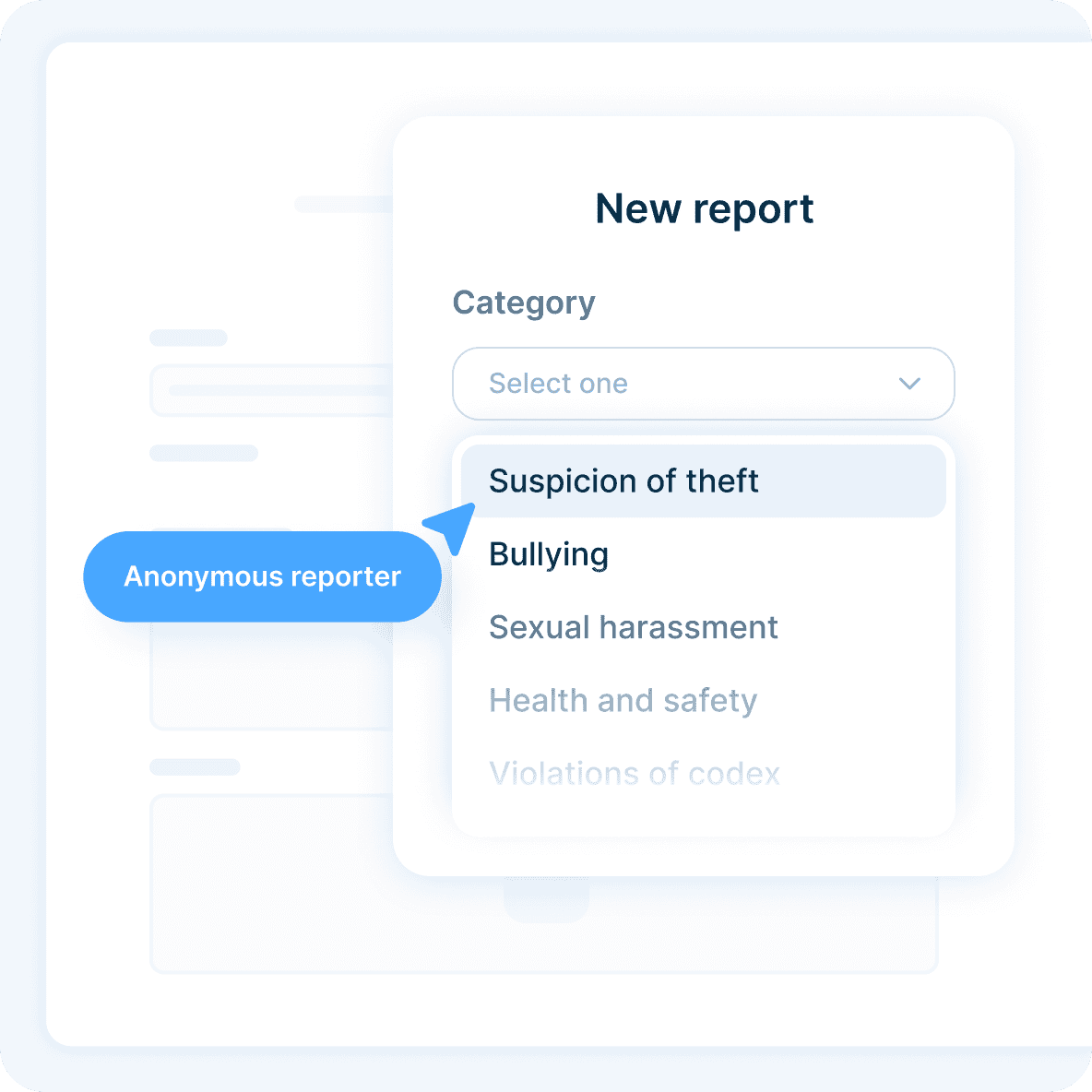
Give staff multiple secure channels to report their concerns, complete with an anonymous two-way chat.

Mobile-First Accessibility

No IP storage, no device IDs, encrypted submissions

Customizable forms, categories, routing rules, and more
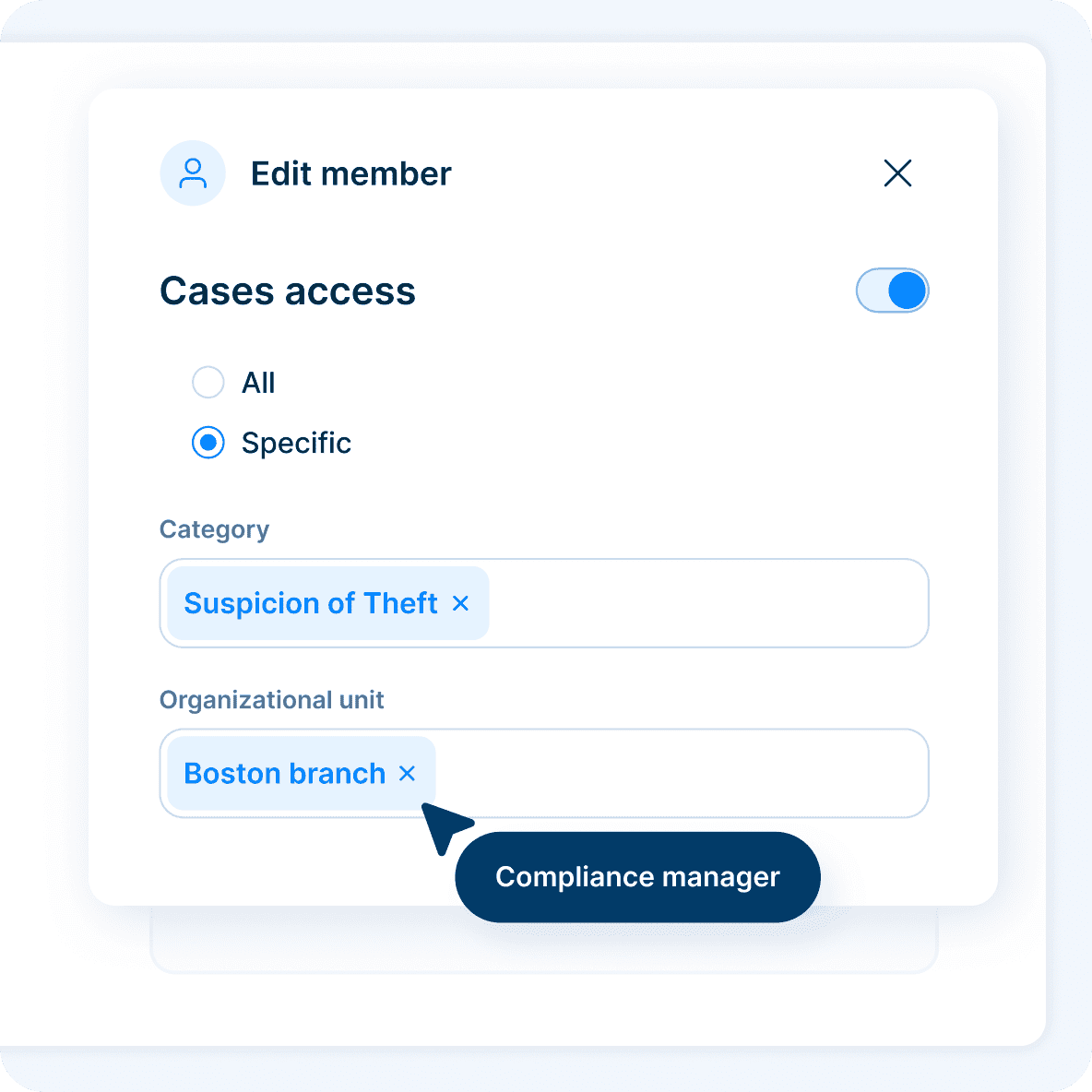
Create an easily verifiable audit trail through a customizable case management system with automatic routing.
Supports multiple locations, subsidiaries, or units

Entity-specific routing and access permissions

Optional notifications via email, Teams, or Slack
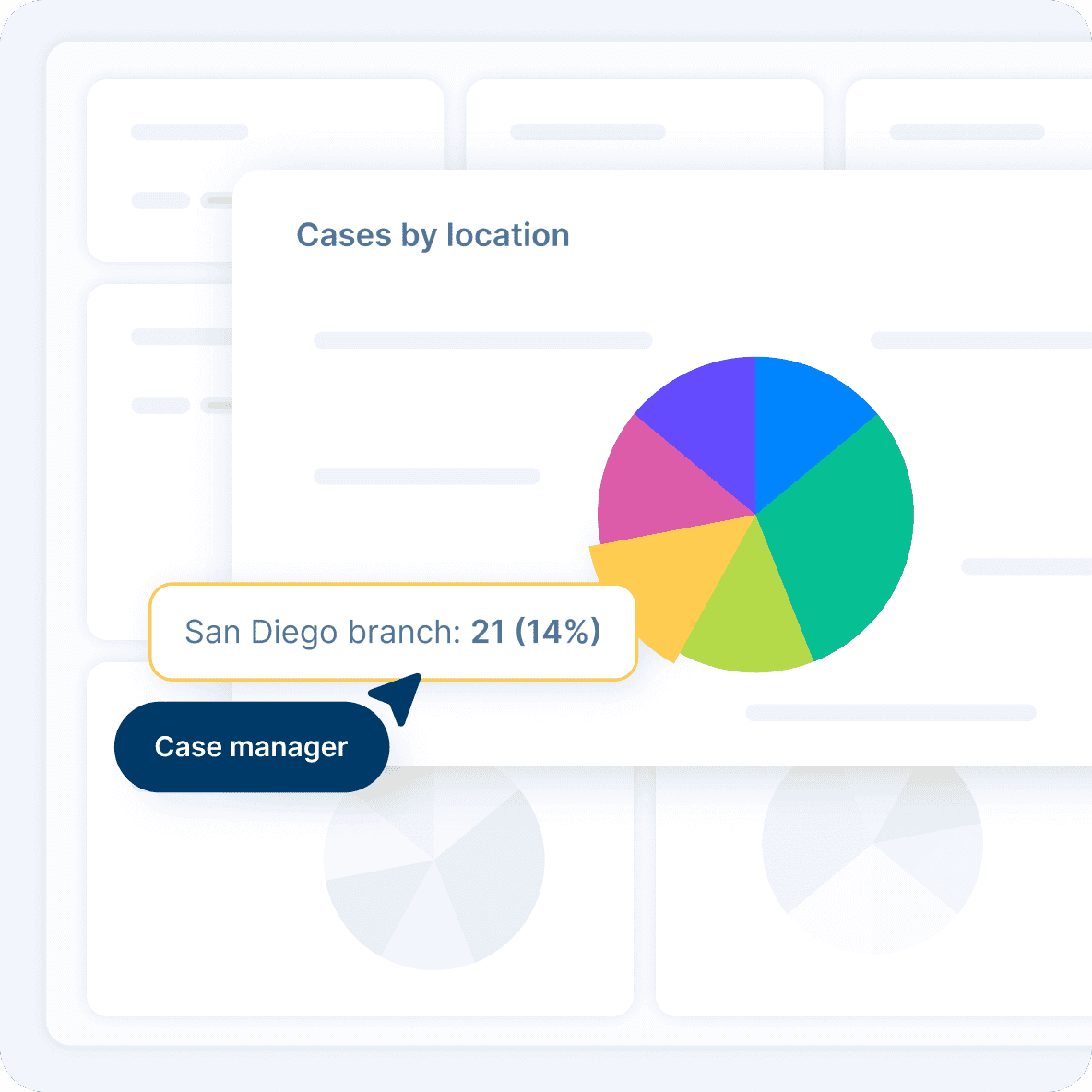
Identify trends, repeated issues, and escalation risks early with customizable visual real-time dashboards.

Filter by category, region, channel, and more

Share without revealing sensitive information

ISO 27001 and SOC 2-certified local servers