

Whistleblowing | Workplace Compliance | Employee Relations
A whistleblowing framework requiring “Authorized Firms” (AUs) to implement effective policies and procedures for reporting, assessing, escalating, and protecting disclosures regarding regulatory breaches, fraud, or other financial crimes in the Dubai International Financial Center.
 Region: DIFC, Dubai/
 Sector: Private/
 Effective date: 04/07/2022/
 Last regulatory update: N/A/
 Mandatory:Yes/
Table of contents
The DIFC Whistleblowing Regime is a regulatory framework introduced by the independent financial regulator of the Dubai International Financial Center, the Dubai Financial Services Authority (DFSA). It was created to strengthen legal protections for whistleblowers, improve reporting culture, and increase transparency in how financial fraud is handled in the DIFC.
The Regime covers all entities regulated by the DFSA, including Authorized Firms, Authorized Market Institutions, Registered Auditors, and Designated Non-Financial Businesses and Professions (DNFBPs).
The Dubai Financial Services Authority (DFSA) is an independent regulatory authority that oversees and enforces the DIFC Whistleblowing Regime. The authority’s responsibilities include receiving, assessing, and responding to external whistleblowing reports within 28 working days; conducting investigations; and collaborating with local enforcement authorities to address misconduct.
DIFC Courts also play a role in the Whistleblowing Regime’s operations, holding hearings and granting relief to whistleblowers who have been subject to retaliation by an Authorized Firm for making a protected disclosure.
The DIFC Whistleblowing Regime does not prescribe fixed penalties for whistleblowing-related failures. However, Authorized Firms found to be in breach of DFSA regulations may be subject to significant financial penalties (potentially reaching several million US dollars), suspension or revocation of licenses, and public reprimands, depending on the severity of the misconduct.
Whistleblowers who experience retaliation of any kind (e.g., dismissal, demotion, etc.) may seek relief through the DIFC Courts, which are able to “make any appropriate order” to remedy the unfair treatment. This may include reinstatement to their original or an equivalent position, and/or financial compensation.
The Regime requires AUs to implement and regularly review effective whistleblowing policies appropriate to the size and scope of their business. These must include confidential internal reporting channels; timely handling, assessment, and escalation of reports; feedback mechanisms where appropriate; protection of the reporter’s identity; fair treatment of accused persons; and clear communication of these policies to all employees and officers.
Whistleblowers may include current and former employees, officers, agents, contractors, or unrelated persons. They may submit their reports internally or externally to the AU’s external auditor, the DFSA’s whistleblowing email (whistle@dfsa.ae), or a UAE law enforcement agency.
However, for their report to qualify as a protected disclosure, it must be based on a reasonable suspicion of misconduct and made in good faith. Additionally, the burden of proving that these criteria were met lies with the whistleblower.
By empowering and protecting reporters, the DIFC Whistleblowing Regime reinforces a culture of accountability and transparency within the Dubai International Financial Center. It helps Authorized Firms anticipate, identify, and prevent legal, financial, and reputational risk.
FaceUp allows regulated entities to set up compliant, fully confidential reporting channels (web form, hotlines, iOS/Android mobile app) in 113+ languages, in just a few hours. Our centralized design helps businesses manage and evaluate reports efficiently, while creating a reliable audit trail throughout the entire process to support compliance in the DIFC and beyond.


All DFSA Authorized Firms

Financial penalties potentially reaching millions of USD,
Suspension or revocation of licenses,
Public censures
FaceUp is an anonymous reporting and compliance platform designed to help businesses meet whistleblowing regulations worldwide, including those in the US, EU, UK, and UAE.
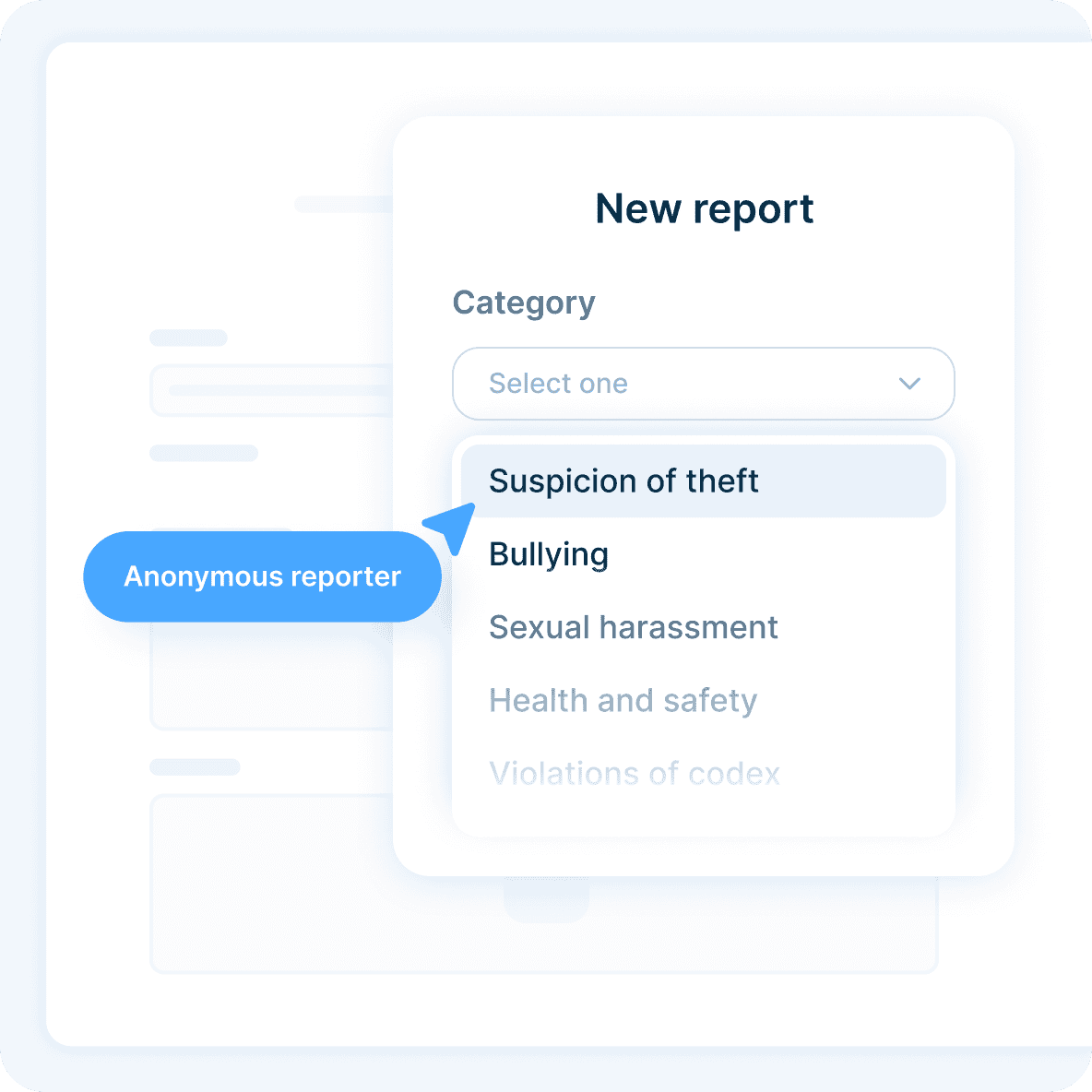
Give staff multiple secure channels to report their concerns, complete with an anonymous two-way chat.

Mobile-First Accessibility

No IP storage, no device IDs, encrypted submissions

Customizable forms, categories, routing rules, and more
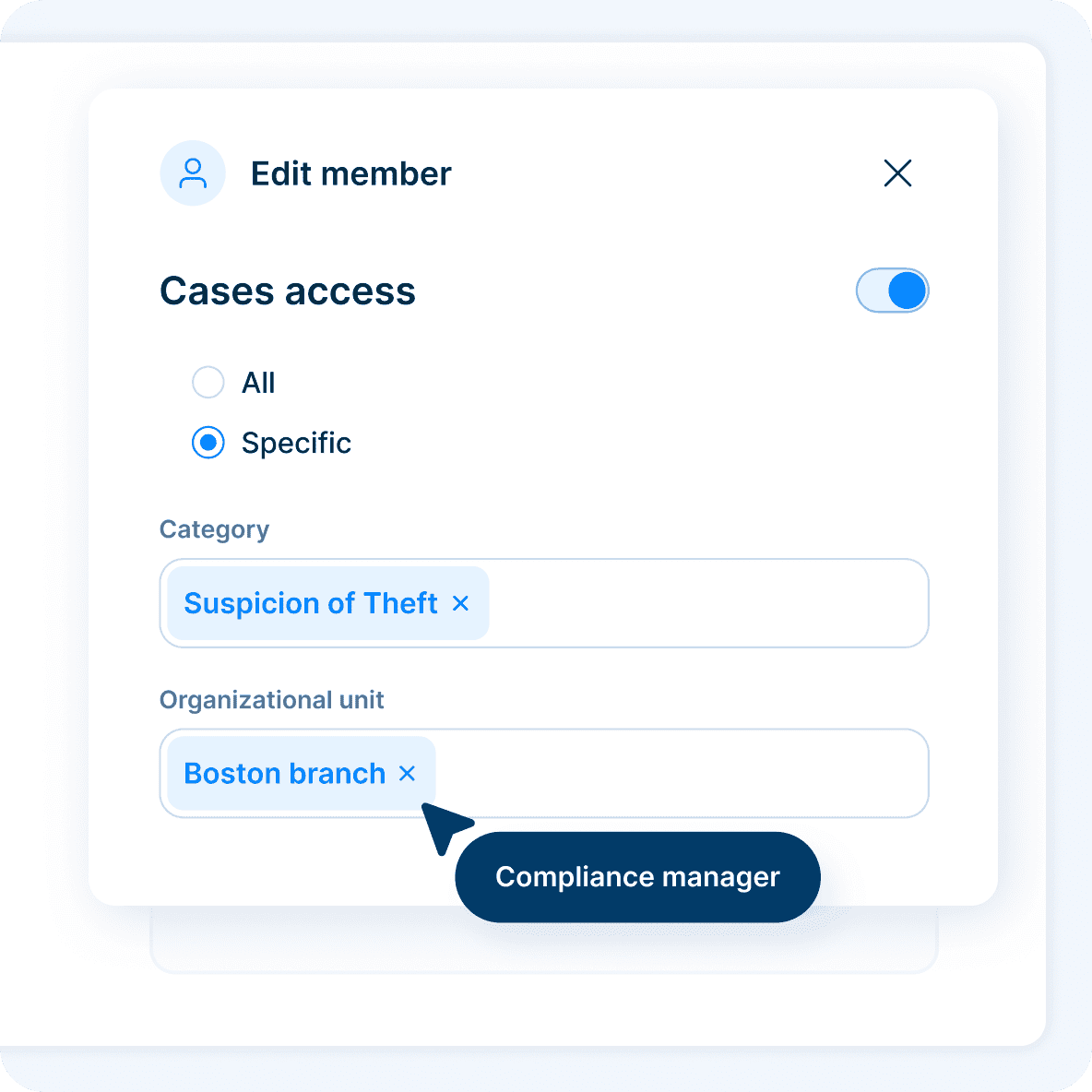
Create an easily verifiable audit trail through a customizable case management system with automatic routing.
Supports multiple locations, subsidiaries, or units

Entity-specific routing and access permissions

Optional notifications via email, Teams, or Slack
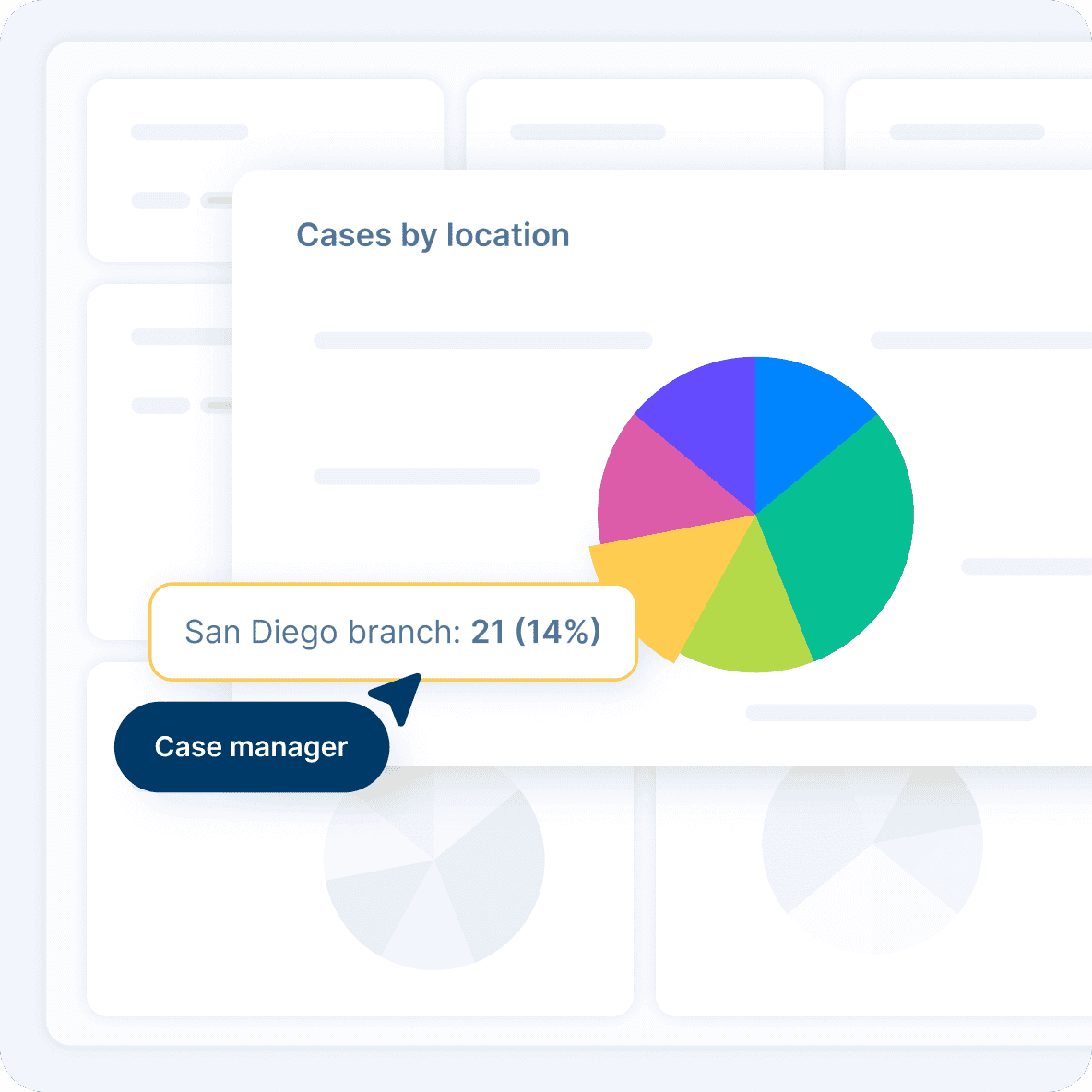
Identify trends, repeated issues, and escalation risks early with customizable visual real-time dashboards.

Filter by category, region, channel, and more

Share without revealing sensitive information

ISO 27001 and SOC 2-certified local servers