Workplace Environment

Alaa El-Shaarawi
Copywriter and Content Manager
Published
2026-03-23
Reading time
9 min

Table of contents
Subscribe to our newsletter

When accountability is clear, safety becomes part of how work actually gets done.
Sit in on any incident review, and the same themes tend to surface. Procedures weren’t followed, the right equipment wasn’t provided, or a risk was noticed but not reported. And yet, these issues rarely come up due to a lack of rules.
Most organizations already have policies, training programs, and compliance frameworks in place. The real issue is that employers and employees alike don’t understand how to put these expectations into practice.
When workplace safety responsibilities exist on paper, but not in daily decision-making, a gap forms and risk grows.
If you’re leading an HR, compliance, legal, or HSE team in a mid-to-large organization, you’re expected to close that gap. You need to demonstrate workplace health and safety compliance, align with OSHA or global safety standards, and prove that your systems actually work under pressure.
This guide explains how responsibilities actually work, where they break down, and how to make them stick across your organization.
Before looking at roles and responsibilities, it’s important to understand why safety systems fail in the first place. Most breakdowns don’t come from missing policies, but from how those policies are interpreted and applied in practice.
Breakdowns rarely happen because something is missing. They happen because something isn’t working the way it’s expected to.
On paper, everything looks complete. Training is delivered. Procedures are documented. Reporting channels exist. But in practice, the system behaves differently.
Training becomes a memory exercise instead of a decision-making tool. Employees remember attending sessions, but not how to respond in real situations. Procedures exist, but they’re too removed from daily work to guide action in the moment.
Reporting is where the gap becomes most visible. Systems are in place, but employees hesitate. They’re unsure what qualifies as a report, what happens after submission, or whether speaking up is worth the risk.
At the same time, information becomes fragmented. Incidents are tracked in one system, training in another, and follow-ups somewhere else. When it’s time to investigate or prepare for an audit, the full picture is difficult to reconstruct.
None of these issues are dramatic on their own. But together, they weaken the system. Over time, safety becomes something that’s documented rather than actively managed.

Most organizations don’t ignore safety. They invest in it. They build policies, roll out training, and document procedures. Still, breakdowns happen.
Employees often assume safety is primarily a management responsibility because rules and procedures are set from the top. Managers, in turn, rely on employees to follow those procedures once trained. At the organizational level, leadership may assume the system is working because no major incidents are being reported.
These assumptions create blind spots.
And they show up in subtle but risky ways. Training is completed but not retained. Policies exist but aren’t used in day-to-day work. Reporting channels are available, but people hesitate to use them. Documentation exists, but it’s scattered and hard to defend during an audit.
This is how organizations fall short of workplace safety regulations. Not because of negligence, but because responsibility isn’t clearly translated into action. Fixing that starts with a shared framework.
Effectively managing workplace safety begins with a clear framework that defines who does what. Without a shared understanding, policies remain theoretical, and potential hazards persist unnoticed. A practical responsibility framework bridges this gap, turning policy into action and embedding safety into daily work.
In practice, workplace safety revolves around two connected responsibilities:
This structure is consistent across OSHA, ISO 45001, and EU safety directives. It doesn’t divide responsibility evenly, but makes each side’s role explicit and actionable.
It also sits within a broader workplace compliance framework. Safety connects to governance, reporting, and risk management. When those systems align, employee safety becomes part of how the organization operates, not just something it documents.
Employers are the architects of workplace safety. They provide the environment, tools, and culture that allow employees to work safely. Without clear leadership in safety, even the most committed employees can’t reliably prevent incidents.
Everything starts with the conditions people work in. That includes physical safety, such as equipment, facilities, and maintenance. It also includes psychological safety, workload management, and clear expectations.
As work has evolved, this responsibility has extended beyond traditional workplaces. Hybrid and remote setups introduce different risks, from home office ergonomics to the safe use of equipment outside controlled environments.
Employers are still responsible for setting clear expectations and providing guidance that helps employees work safely, regardless of location. Without that clarity, responsibility quickly becomes inconsistent.
A safe environment isn’t static. It requires continuous risk assessment and the ability to respond as conditions change.
A common compliance question is whether employers must provide personal protective equipment (PPE), particularly in terms of responsibility and cost.
In most regulated environments (including OSHA and EU directives), employers are required to provide necessary PPE at no cost to employees. This includes physical gear, like helmets, gloves, and personal fall protection.
This also applies to systems that support safe work, such as secure reporting tools. If something is required to perform the job safely, it should be provided without barriers.
Many organizations meet workplace safety training requirements on paper but struggle in practice. Training often becomes a checkbox exercise. Employees complete modules but feel uncertain when faced with real situations.
Effective training is practical and role-specific. It uses real-life scenarios, reinforces key actions over time, and evolves as risks change. The goal is confidence, not just completion.
Procedures only work if people can use them in the moment. They need to be easy to find, easy to understand, and directly relevant to the task at hand. Long policy documents don’t help when quick decisions are required. Clarity reduces hesitation and improves consistency across teams.
Even strong systems depend on visibility. Employees should know exactly how to act when they see something unsafe. That includes understanding and having clear processes for reporting unsafe conditions.
In many organizations, this is where breakdowns start. Reporting feels complicated, slow, or risky. Without trust, people stay silent, and the issues stay unresolved.
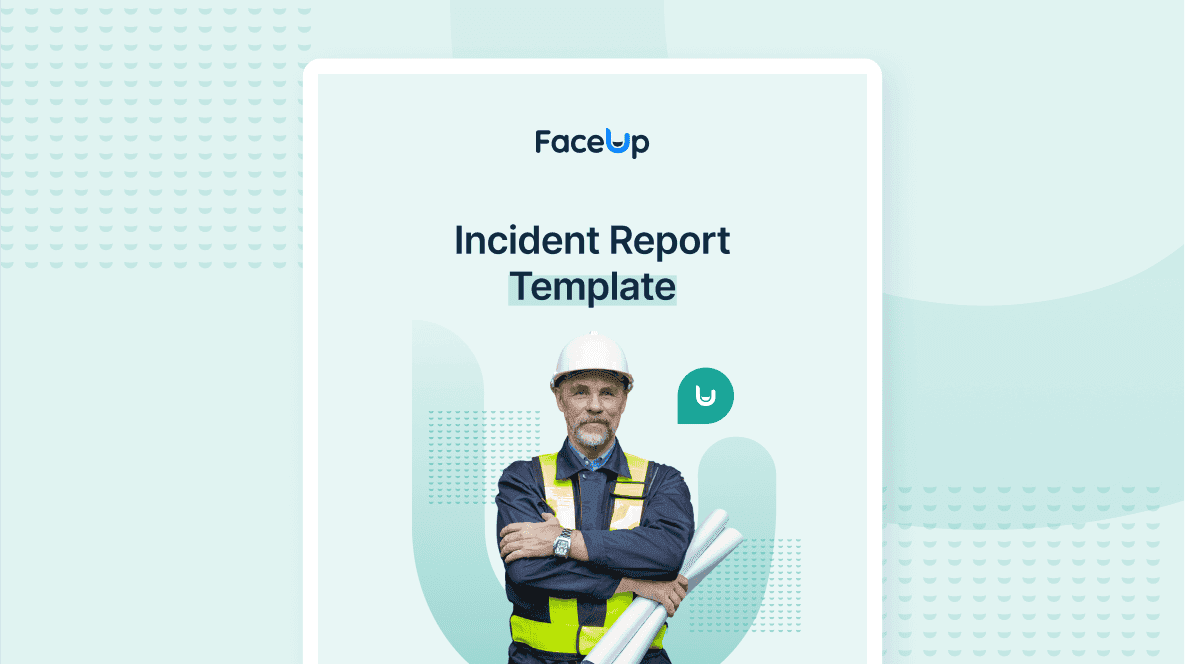
Compliance isn’t just about doing the right thing. It’s also about proving it. Organizations need consistent records of training, incidents, risk assessments, and corrective actions. When this information is fragmented across tools, audits become difficult, and gaps emerge.
This is where workplace compliance tools or a centralized compliance management system help turn scattered data into clear, audit-ready evidence.
Employees are the active link that transforms safety frameworks into everyday practice. Even with strong policies and equipment, outcomes depend on how employees follow procedures, report risks, and engage with training.
Procedures provide a clear foundation for safe work. Employees are expected to follow them consistently, even when shortcuts might seem faster. Over time, this consistency reduces risk.
Protective equipment is only effective when used properly. Skipping it occasionally or using it incorrectly introduces unnecessary exposure. This is one of the most common breakdown points in real environments.
Training requires active participation. Employees are responsible for understanding the material, asking questions, and applying what they learn.
Employees are often the first to notice unsafe conditions, and acting on that observation is critical. This includes knowing when and how to use processes for workplace incident reporting.
Early reporting helps prevent escalation, and employees should feel confident that they can raise safety concerns without fear of retaliation.
Safety also depends on awareness. Employees are expected to avoid unnecessary risks, stay alert, and support colleagues in maintaining safe practices and well-being.
Clear roles and responsibilities are not enough; they must be supported by systems that make safe behavior simple, visible, and trusted. When systems work, employees act confidently, reporting is timely, and compliance becomes embedded in operations.
Responsibilities need to show up in everyday work. Reporting a hazard should be quick and intuitive. Procedures should be visible where work happens. Employees shouldn’t need to search for guidance when they need it most.
For example, regulations such as the OSH Act require employers to display safety information, emergency procedures, and employee rights clearly in the workplace. In practice, this can also include placing task-specific procedures at workstations, using signage, or embedding guidance directly into digital tools employees already use.
If reporting feels risky, people won’t do it. Creating safe channels, including anonymous options, helps remove that barrier. Employees need to trust that speaking up won’t lead to negative consequences.
This is where an ethics hotline or anonymous reporting system becomes critical. It supports a culture where concerns are raised early, not after damage is done.
FaceUp fits into this space as a practical layer that supports that trust. It helps organizations move from reactive incident handling to proactive risk visibility without adding unnecessary complexity.
Reporting only works if it leads somewhere. Employees need to see that their input results in action. Acknowledging reports, investigating them properly, and communicating outcomes where possible builds confidence in the system.
Many regulations also require timely acknowledgment and follow-up on reported issues. Supporting two-way communication, including anonymous follow-ups, helps organizations gather more detail, clarify risks, and demonstrate that concerns are taken seriously.
Tools like FaceUp enable this without compromising anonymity.
Strong systems make it easy to answer key questions. Who was trained? What incidents were reported? What actions were taken?
If those answers are difficult to produce, the system needs improvement. Centralized records and clear processes make compliance easier to demonstrate.
Even strong systems depend on visibility. If employees hesitate to report concerns, risks remain hidden. Fear of retaliation continues to be a major barrier, even in organizations with clear policies.
Confidential and anonymous reporting helps address this. It creates space for concerns to surface earlier, when they are easier to manage. What often separates organizations that react well from those that don’t is how easy it is to speak up in the first place.
This is where whistleblowing tools like FaceUp play a practical role.
Instead of relying on fragmented channels or informal escalation, organizations can offer a structured, secure way for employees to report concerns. Anonymous reporting, clear workflows, and centralized tracking remove friction and uncertainty from the process.
That shift matters. When reporting becomes simple and safe, it stops being an exception and starts becoming part of how the organization operates. Concerns surface earlier, patterns become visible, and leaders can act before issues escalate.
FaceUp supports this by helping organizations move from reactive incident handling to proactive risk visibility, without adding unnecessary complexity.

Workplace safety rarely breaks in obvious ways. It weakens when expectations are unclear, systems are difficult to use, or people hesitate to act.
Clarity and consistency change that.
When responsibilities are well defined and supported by systems that make action easy, behavior becomes more predictable. Reporting improves. Risks surface earlier. Compliance becomes easier to demonstrate.
Over time, safety becomes part of how work gets done.
Ready to strengthen your workplace safety culture? Book a demo to see how FaceUp's ethics hotline empowers employees to report hazards confidentially.
Keep Reading
Alaa El-Shaarawi2026-09-095 min
Legal & Compliance
Mary Shirley2026-07-285 min
Workplace Environment
Marie Roland2026-07-276 min
Legal & Compliance
Marie Roland2026-07-275 min
Legal & Compliance