

Whistleblowing | Workplace Compliance
A required clause for certain U.S. federal contracts, creating an obligation for applicable contractors and subcontractors to maintain an internal control system and a confidential reporting mechanism, and disclose credible evidence of certain violations.
 Region: USA/
 Sector: Public & Private/
 Effective date: 12/12/2008/
 Last regulatory update: 11/04/2021/
 Mandatory:Yes/
Table of contents
FAR 52.203-13, the Contractor Code of Business Ethics and Conduct, is a clause within the Federal Acquisition Regulation that requires government contractors to implement a comprehensive set of internal controls for contracts and solicitations expected to exceed $7.5 million with a performance period of 120 days or more.
Organizations bound by the clause are prime contractors awarded a qualifying federal contract and subcontractors that meet the same value and duration thresholds. Importantly, some requirements are modified or do not apply if the contractor is a small business, or if the contract is for a commercial product or commercial service.
Anti-retaliation protections for reporting suspected improper conduct in good faith apply to all employees engaged in the contract. Additionally, employees must have access to a written code of conduct and a confidential or anonymous internal reporting mechanism.
The contracting agency’s Office of Inspector General (OIG) receives mandatory disclosures and can refer matters for investigation. The Department of Justice (DOJ) prosecutes criminal violations and civil False Claims Act cases that stem from a disclosure or an OIG referral.
Suspension and debarment officials within each agency must decide whether to exclude a contractor from future federal awards for failing to maintain an adequate compliance program or to make a required disclosure.
A contractor’s knowing failure to timely disclose credible evidence of a covered federal criminal violation or civil False Claims Act violation is an independent cause for suspension or debarment, separate from any criminal or civil liability carried by the underlying conduct.
That disclosure obligation, and the risk of suspension or debarment for failing to meet it, remain in effect until three years after final payment on the contract. Underlying violations of the civil False Claims Act itself can result in treble damages and statutory penalties for each false claim.
Federal fraud, bribery, and gratuity offenses under Title 18 of the U.S. Code carry their own separate criminal fines and prison terms.
Under FAR 52.203-13, federal contractors and subcontractors engaged in qualifying contracts must implement a written code of business ethics within 30 days of contract award and make it available to all employees working on the contract. Within 90 days of the award, the contractor must set up an ongoing business ethics awareness and compliance program.
This includes periodic training appropriate to each employee’s role, and an internal control system overseen by a sufficiently senior employee with access to adequate resources. That program must include periodic reviews of business practices and internal controls for compliance, monitoring/auditing to detect criminal conduct, and periodic risk assessments.
The program must also include an internal reporting mechanism, such as a hotline, that allows employees to report suspected improper conduct anonymously or confidentially, along with guidance encouraging their use.
When credible evidence of a violation is identified, contractors must disclose it to the agency OIG in a timely and complete manner. This does not require waiving the attorney-client privilege, work-product protections, or an individual’s Fifth Amendment rights.
Separately, FAR 52.203-14 requires many of the same contractors to display a fraud, waste, and abuse hotline poster in common work areas, providing employees with a visible, government-run reporting channel alongside the contractor's internal one.
Government contracting carries reputational and financial exposure that goes beyond ordinary commercial risk. A finding of an inadequate ethics program, or failure to disclose known misconduct, can result in suspension or debarment, cutting off access to future federal revenue entirely, not just imposing a fine tied to a single contract.
Contracting officers and agency OIGs increasingly expect to see a documented, functioning program rather than a code of conduct that exists only on paper. The mandatory disclosure obligation applies whether or not the clause is technically included in a given contract, and survives for three years after final payment.
Organizations with any federal contracting exposure should therefore treat the underlying ethics and reporting infrastructure as a standing requirement rather than a one-time deliverable tied to a single contract.
The clause explicitly requires an anonymous or confidential reporting mechanism. FaceUp helps organizations meet this obligation with an easy-to-use solution, deployable in as little as two hours, with multi-channel intake including web forms, 24/7 hotlines, and iOS/Android mobile apps in 113 languages.
Centralized case management with a full audit trail, role-based permissions, and assignment tracking supports the periodic reviews, monitoring, and risk assessment the internal control system requires, giving compliance teams a documented record to support disclosure decisions if they later need to demonstrate compliance.


Prime contractors and qualifying subcontractors on federal contracts exceeding $7.5 million with a performance period of 120 days or more.

Suspension or debarment for failure to maintain an adequate program or to timely disclose credible evidence of a violation;
separate criminal and civil penalties for the underlying misconduct.
FaceUp is an anonymous reporting and compliance platform designed to help businesses meet whistleblowing regulations worldwide, including those in the US, EU, UK, and UAE.
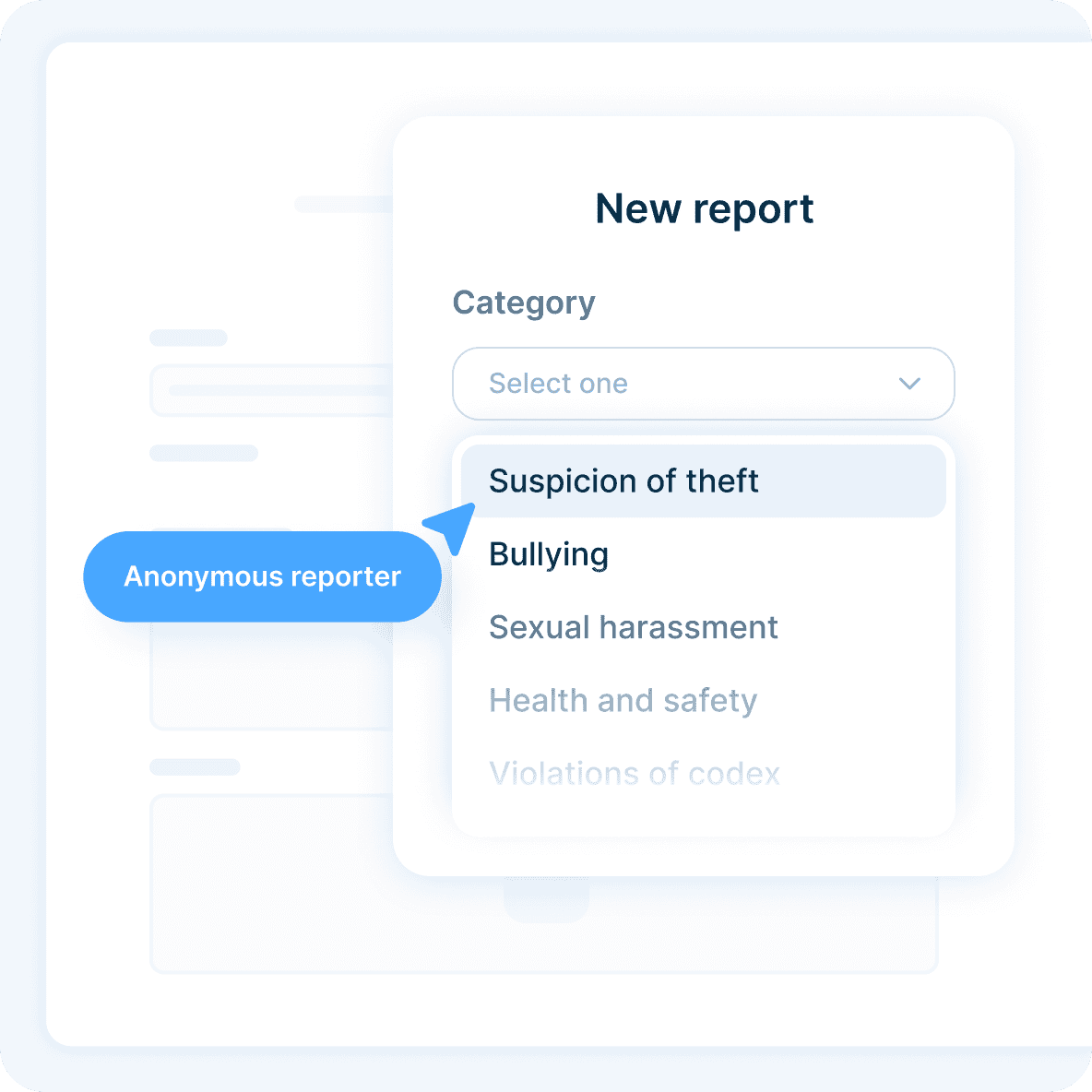
Give staff multiple secure channels to report their concerns, complete with an anonymous two-way chat.

Mobile-First Accessibility

No IP storage, no device IDs, encrypted submissions

Customizable forms, categories, routing rules, and more
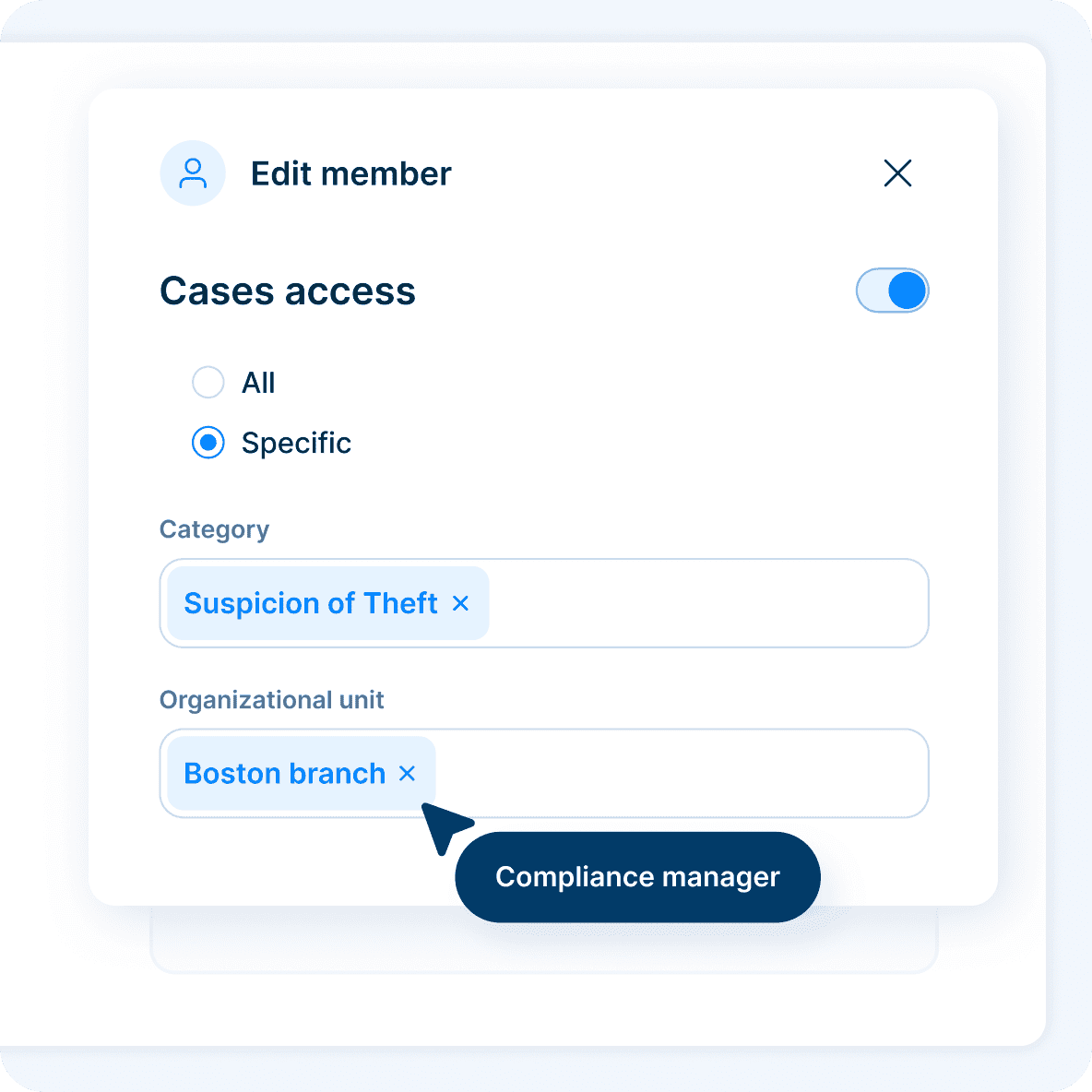
Create an easily verifiable audit trail through a customizable case management system with automatic routing.
Supports multiple locations, subsidiaries, or units

Entity-specific routing and access permissions

Optional notifications via email, Teams, or Slack
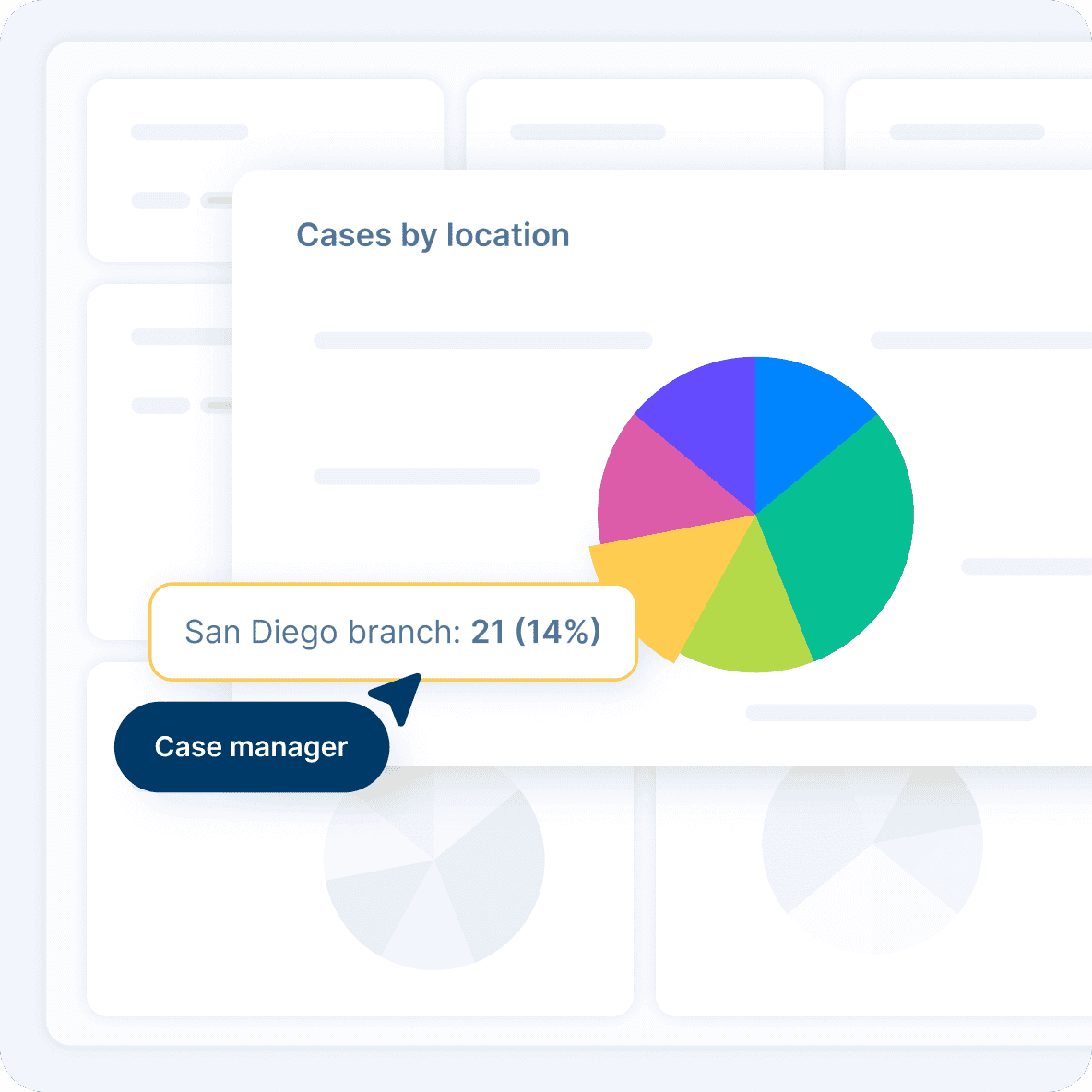
Identify trends, repeated issues, and escalation risks early with customizable visual real-time dashboards.

Filter by category, region, channel, and more

Share without revealing sensitive information

ISO 27001 and SOC 2-certified local servers