

Whistleblowing | Workplace Compliance
A U.S. federal statute and the primary civil tool for recovering lost funds in federal program fraud, allowing individuals to sue on the government’s behalf and collect a share of the recovery, making it one of the most significant whistleblower statutes in the world.
 Region: US/
 Sector: Public & Private/
 Effective date: 03/02/1863/
 Last regulatory update: 03/23/2010/
 Mandatory:Yes/
Table of contents
The False Claims Act (FCA) is a U.S. federal statute originally enacted in 1863 to address fraud in the Union Army during the Civil War. It was revised in 1986 and amended in 2009 and 2010 to prevent false claims in federal programs and help recover lost funds. It applies across all sectors, but enforcement has mainly focused on healthcare, defense contracting, and grants.
The FCA’s distinguishing feature is its “qui tam mechanism”, which allows private individuals known as “relators” to file suit on behalf of the United States government and receive a share of the recovered amount. While this may make the FCA superficially resemble the Dodd-Frank Act, it is unique in that it allows the whistleblowers to become active participants in the lawsuit.
Importantly, the share relators receive depends on the DOJ’s decision to intervene. If the DOJ intervenes and takes the lead in litigating the case, realtors are entitled to between 15% and 25% of the recovery. If the DOJ declines and the relator chooses to pursue the claim independently, the share grows to between 25% and 30%, serving as compensation for the burden of self-funded litigation.
Like the Dodd-Frank and Sarbanes-Oxley Acts, the FCA includes anti-retaliation provisions to protect employees, contractors, and agents from adverse consequences for lawful actions taken in furtherance of the Act, including conducting or cooperating with DOJ investigations, filing complaints, or testifying in legal proceedings.
The Department of Justice (DOJ) is the primary enforcement agency for the FCA, with the Civil Division’s Commercial Litigation Branch’s Fraud Section handling cases and assisting the government in deciding whether to intervene. Individual U.S. Attorneys’ Offices investigate and litigate FCA cases in their respective districts.
Sometimes, other agencies assist in the process, such as the Department of Health and Human Services’ (HHS) Office of Inspector General, which works alongside the DOJ in healthcare fraud cases. Importantly, even if the DOJ chooses not to intervene, the relator may continue the action on behalf of the United States for a chance at a higher payout, albeit at their own expense and with lower odds of success.
The FCA imposes mandatory civil penalties and “treble” damages. The values for civil penalties must be adjusted for inflation each year, with current amounts ranging from $14,308 to $28,619 per false claim. Penalties apply per claim submitted, which in practice means that a series of fraudulent billing cycles can result in cumulative fines far exceeding the actual damages.
In addition to per-claim penalties, defendants are liable for treble damages, equal to three times the government’s actual losses. Defendants who self-disclose, cooperate fully, and meet defined conditions may qualify for reduced double damages rather than treble.
Relators who experience retaliation as a direct result of their whistleblowing actions in accordance with the FCA are eligible for reinstatement, double back pay with interest, and special damages, including emotional distress, attorneys’ fees, and other recoverable expenses.
The FCA requires companies to implement an effective compliance program to avoid exposure to liability. Claims submitted for federal payment must be accurate, documented, and certified as meeting applicable program requirements. False certification, including conduct arising from reckless disregard or deliberate ignorance, may result in FCA liability.
Healthcare organizations, federal contractors, and grant recipients must maintain internal controls sufficient to detect and prevent false billing, upcoding, unbundling, or other fraudulent activities. Organizations must also protect employees who raise concerns about potential FCA violations from retaliation or risk additional liability.
Organizations that discover a potential FCA violation may choose to self-disclose to the DOJ. Coupled with cooperation and remediation, they can reduce the damages they must pay and secure more favorable resolution terms. Companies also bear liability for false claims submitted by their agents, contractors, and subcontractors acting within the scope of their authority.
To qualify for anti-retaliation protection, employees must engage in a protected activity, such as preparing to make a qui tam claim, investigating suspected misconduct, assisting in a DOJ investigation, or refusing to participate in conduct they reasonably believe would violate the Act.
To qualify for qui tam eligibility, the reporter must have original, firsthand knowledge of the fraud. Claims based solely on publicly disclosed information may be barred unless the relator qualifies as an original source. The disclosure must be made by an individual who is neither a government employee acting in their official capacity nor a knowing co-conspirator in the fraud.
The first-to-file rule applies, meaning later relators generally cannot pursue substantially similar claims based on the same underlying fraud.
The FCA is a crucial piece of legislation in combating government program fraud. By creating a category of informed and financially incentivized whistleblowers via the qui tam mechanism, the likelihood of fraudulent activity being detected and reported increases exponentially. Additionally, the inverse opportunity to self-report and lower liability is a similarly important driver of remediation.
Organizations that fail to detect or suppress internal concerns face the full penalty regime, often compounded by exclusion from Medicare and Medicaid programs that can be existentially damaging for healthcare providers. Government contractors may also face suspension, debarment, or the loss of future contracting opportunities.
In 2025, qui tam actions generated a record $5.3 billion of the DOJ’s total $6.8 billion in FCA recoveries, highlighting the central role whistleblowers play in federal fraud enforcement.
The FCA's anti-retaliation framework and the self-disclosure incentive structure both reward organizations that create genuine, trusted internal reporting channels.
FaceUp provides companies with an out-of-the-box solution that gives employees, contractors, and agents a confidential channel to raise concerns about misconduct before they escalate into external investigations or enforcement actions.
A multi-channel intake system supporting 113+ languages across web forms, mobile apps, and hotlines makes internal anonymous disclosures quick and accessible. Combined with centralized case management and automatic audit trails, it helps organizations identify, investigate, and address misconduct while supporting good-faith compliance efforts.


$14,308 to $28,619 per false claim;
treble damages on actual government loss;
relator's share of 15 to 30% of recovery

Any person or organization that submits claims for federal payment or holds federal grants or contracts.
FaceUp is an anonymous reporting and compliance platform designed to help businesses meet whistleblowing regulations worldwide, including those in the US, EU, UK, and UAE.
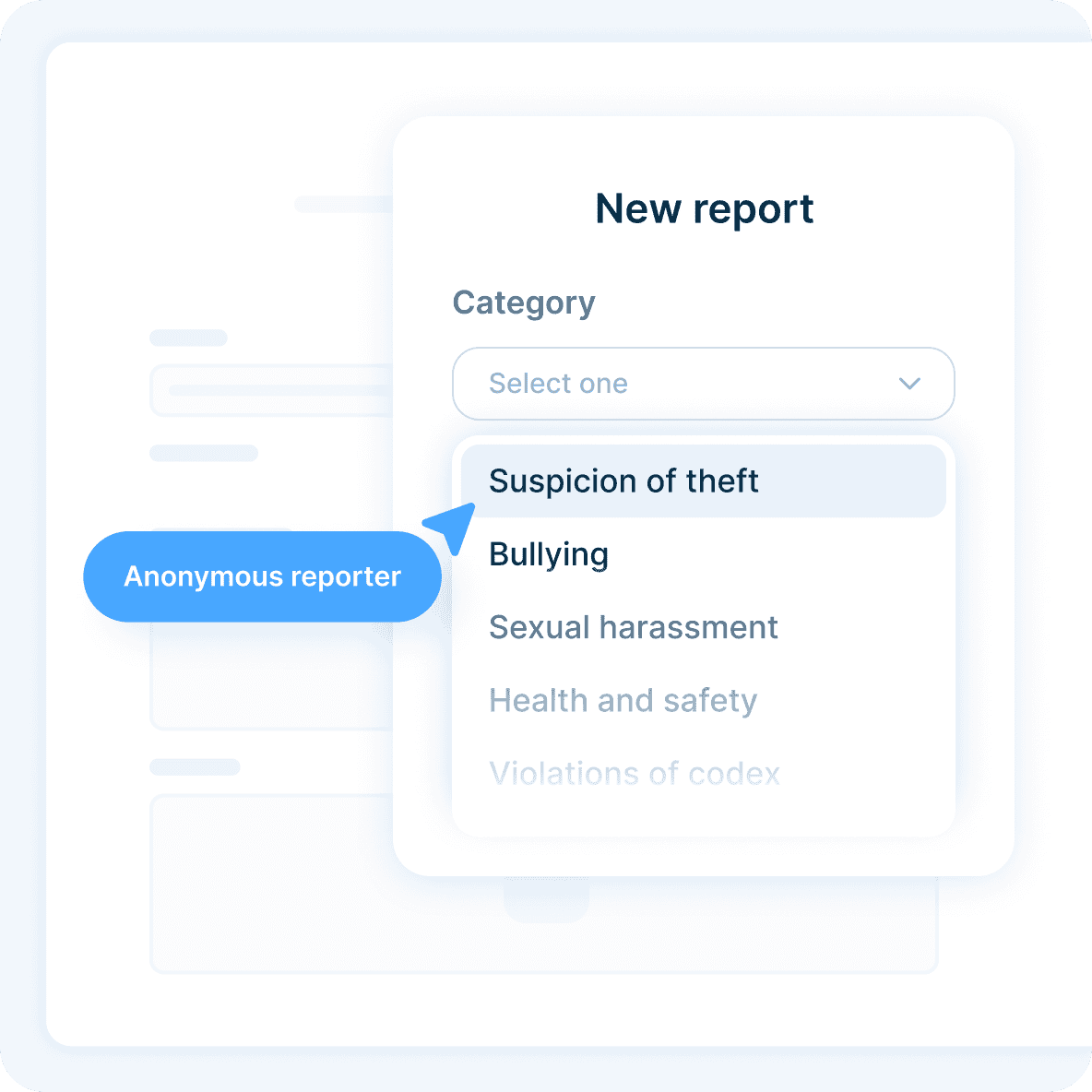
Give staff multiple secure channels to report their concerns, complete with an anonymous two-way chat.

Mobile-First Accessibility

No IP storage, no device IDs, encrypted submissions

Customizable forms, categories, routing rules, and more
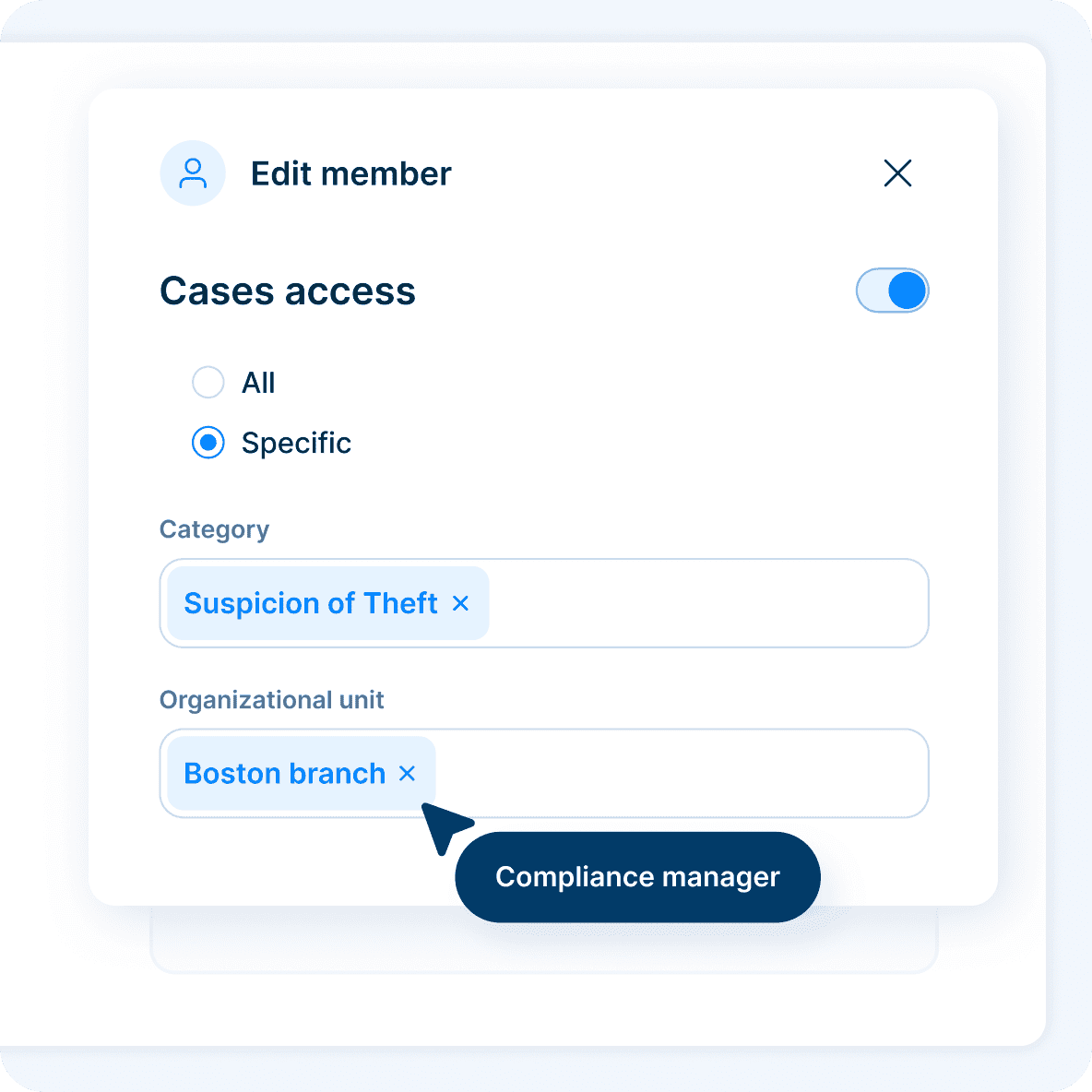
Create an easily verifiable audit trail through a customizable case management system with automatic routing.
Supports multiple locations, subsidiaries, or units

Entity-specific routing and access permissions

Optional notifications via email, Teams, or Slack
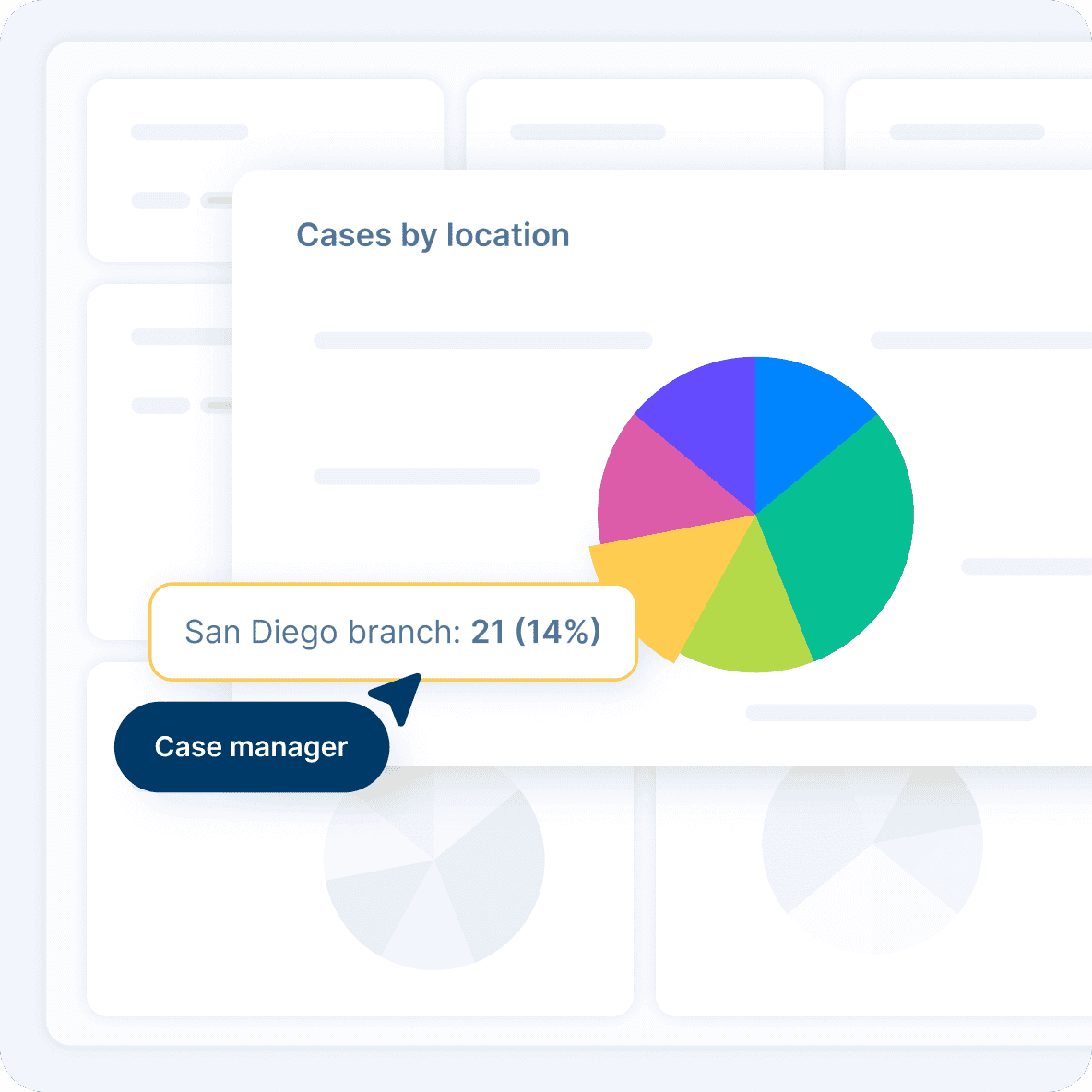
Identify trends, repeated issues, and escalation risks early with customizable visual real-time dashboards.

Filter by category, region, channel, and more

Share without revealing sensitive information

ISO 27001 and SOC 2-certified local servers