

Whistleblowing | Workplace Compliance | Employee Relations
A U.S. federal law aimed at improving the accuracy and reliability of corporate disclosures to protect investors and prevent financial crimes. The Act enforces whistleblower protections to ensure that employees who report violations of securities laws are shielded from retaliation.
 Region: USA/
 Sector: Private/
 Effective date: 06/30/2002/
 Last regulatory update: 12/29/2022/
 Mandatory:Yes/
Table of contents
The Sarbanes-Oxley Act is a broad regulatory framework that oversees corporate governance, financial reporting, auditing, and internal controls. Title VIII of the Act specifically addresses whistleblower protections, mandating that employees have access to secure, confidential channels to report wrongdoing and granting them legal protection from retaliation.
Separately, Section 301 (Title III) requires public company audit committees to establish the confidential, anonymous reporting channels themselves.
Entities affected by the Sarbanes-Oxley Act include publicly traded companies in the United States, as well as their executives, auditors, and legal counsel involved in the preparation of financial reports. This includes businesses listed on U.S. stock exchanges, such as the NYSE and NASDAQ, and those required to file periodic reports with the SEC.
The SOX Act overlaps with several other regulations, including the False Claims Act and the Occupational Safety and Health Act. Most notably, the Dodd-Frank Act. While SOX focuses on internal whistleblowing mechanisms and protections, the Dodd-Frank Act expands on the framework by incentivizing direct reporting to regulators through financial rewards.
However, these laws are complementary to each other. In practice, this means organizations must maintain effective internal reporting systems and be prepared to comply with investigations arising from complaints made to external regulators if their solutions are not sufficient. Notably, reporters may seek recourse for retaliation under both acts.
Several regulatory bodies are involved in enforcing the SOX Act. The Securities and Exchange Commission (SEC) focuses on the overall implementation of the Act, ensuring corporate compliance and investigating potential violations.
The Public Company Accounting Oversight Board (PCAOB) oversees the audits of publicly traded companies to ensure they meet SOX requirements. Federal courts are responsible for adjudicating whistleblower retaliation cases and imposing penalties for misconduct, while the Department of Justice (DOJ) can prosecute criminal offenses related to corporate fraud.
The Sarbanes-Oxley Act prescribes penalties for offending entities and remedies for affected employees. Whistleblowers who experience retaliation are entitled to “all relief necessary to make the employee whole”, which may consist of reinstatement to the same or a comparable position of equal seniority, full back pay with benefits, and special damages and legal fees.
Individuals found guilty of whistleblower retaliation may face imprisonment for up to 10 years, while those who destroy or otherwise alter reports “with intent to impede” a federal investigation may receive up to 20 years in prison and fines. The SEC and PCAOB can also fine businesses for failing to disclose material fraud or attempting to mislead authorities.
Section 301 of the Act (Title III) requires the audit committees of public companies to establish formal procedures for receiving, retaining, and addressing complaints regarding accounting, internal controls, or auditing matters. It also mandates a confidential and anonymous channel through which employees can submit such concerns without revealing their identity.
Codified as Section 10A(m) of the Securities Exchange Act of 1934, this provision obligates most public companies to maintain a whistleblower hotline or equivalent reporting channel.
Title VIII of the SOX Act describes the requirements for effective whistleblower protections. It prohibits any retaliation against employees who report suspected wrongdoing to a company officer, a regulatory body, or an appointed investigator. However, the reports must be regarding a violation of securities law, corporate fraud, or other financial misconduct.
Furthermore, the law requires businesses to establish internal procedures for employees to report fraudulent activities confidentially, without fear of retaliation. Companies must ensure that these channels are easily accessible and available to all employees. Best practices recommend anonymous hotlines and web forms, mobile apps, or dedicated email inboxes.
When a company receives a report, it must investigate promptly and thoroughly while protecting the whistleblower from retaliation. If the business fails to act on the report, the employees have the right to escalate the matter to the SEC or other relevant authorities. If retaliation occurs, the reporter can seek remedy via a civil suit or refer the case to the Department of Labor (DOL).
The Sarbanes-Oxley Act is a foundational regulation for corporate accountability in the United States, designed to prevent financial fraud and restore trust in public markets. By introducing whistleblower protections, it ensures that employees can safely report misconduct, helping organizations detect issues early and avoid systemic failures.
By requiring confidential reporting mechanisms and prohibiting retaliation, SOX strengthens internal controls and promotes a culture of transparency. It also laid the groundwork for later regulations, such as the Dodd-Frank Act, reinforcing the expectation that organizations must actively support and protect whistleblowing as part of effective compliance.
While FaceUp cannot help with all Sarbanes-Oxley requirements, such as establishing formal internal controls or fulfilling your regulatory reporting obligations, it fully supports businesses in complying with the necessary whistleblower protections outlined in Title VIII and the confidential reporting channel required under Section 301.
The platform provides employees with easy access to multiple anonymous channels, including web forms, hotlines, and iOS/Android mobile apps in 113 languages. Case management tracks all reports received and actions taken to create defensible audit trails, giving audit committees the documented process Section 301 requires for complaints related to accounting and auditing.
In practice, this means that employees can speak up safely without fear of retaliation, and your organization can demonstrate compliance more effectively.


Publicly traded companies, their executives, auditors, and legal counsel

Uncapped remedies for affected whistleblowers
Up to 10 years in prison for retaliation
Up to 20 years in prison for destroying or altering reports with intent to impede an investigation
FaceUp is an anonymous reporting and compliance platform designed to help businesses meet whistleblowing regulations worldwide, including those in the US, EU, UK, and UAE.
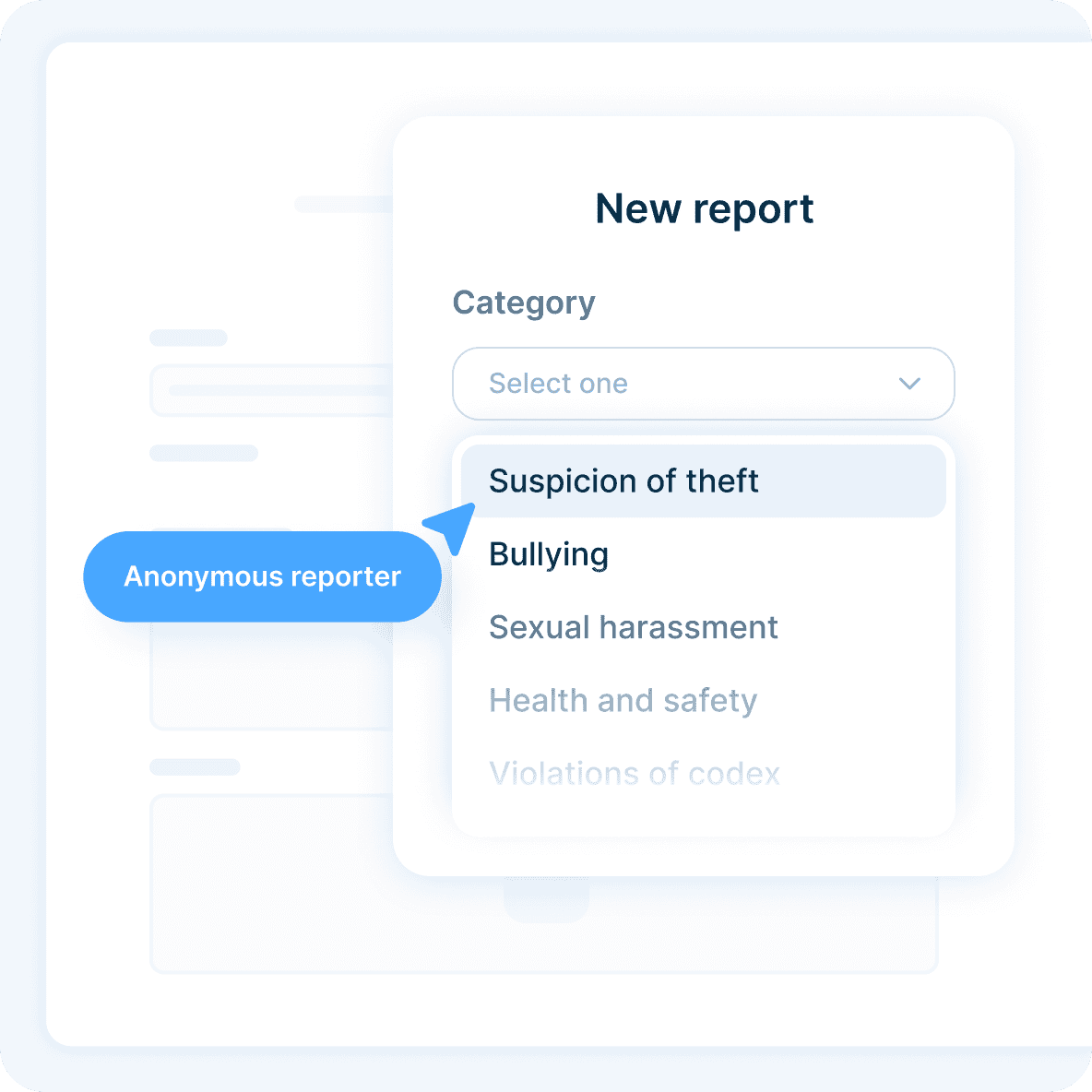
Give staff multiple secure channels to report their concerns, complete with an anonymous two-way chat.

Mobile-First Accessibility

No IP storage, no device IDs, encrypted submissions

Customizable forms, categories, routing rules, and more
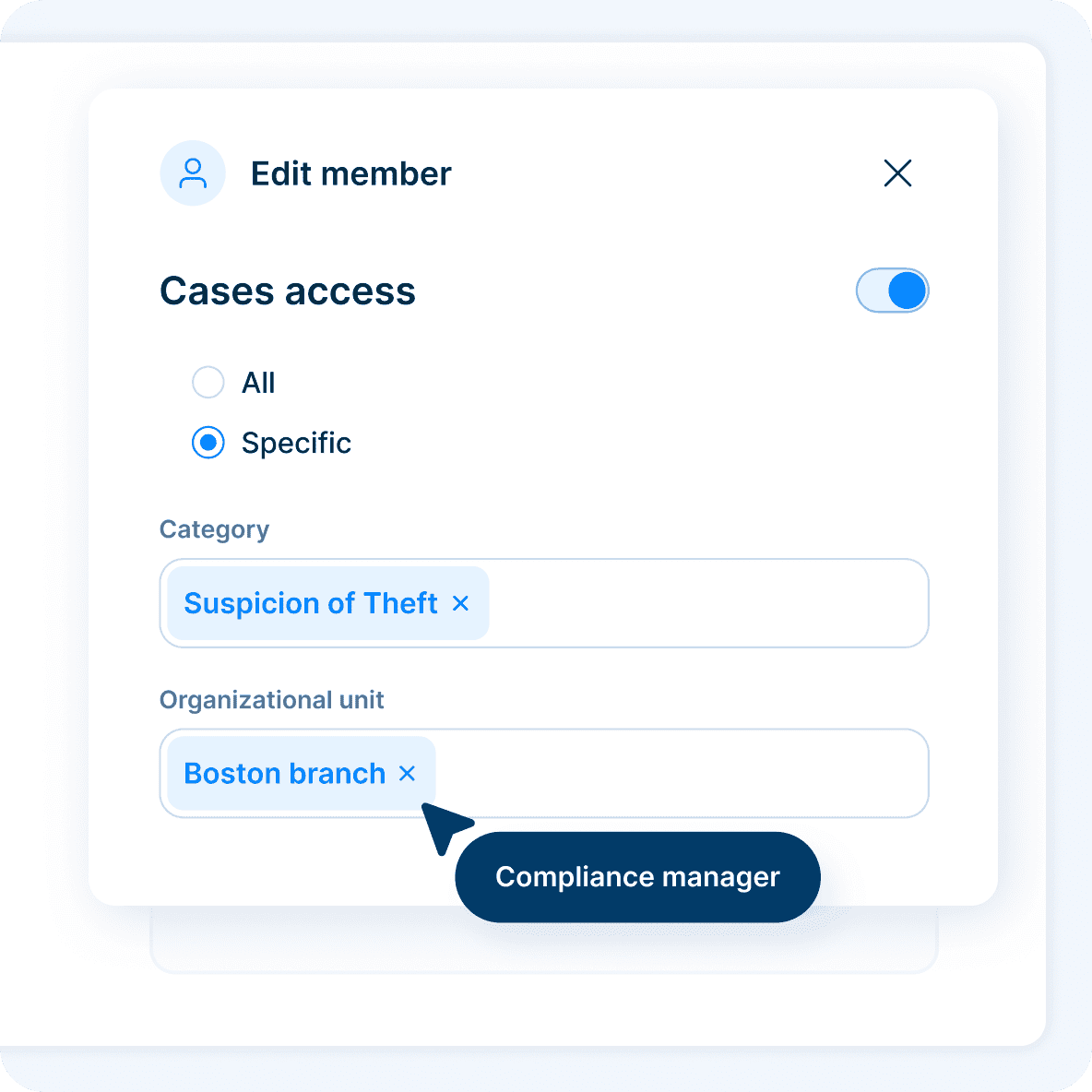
Create an easily verifiable audit trail through a customizable case management system with automatic routing.
Supports multiple locations, subsidiaries, or units

Entity-specific routing and access permissions

Optional notifications via email, Teams, or Slack
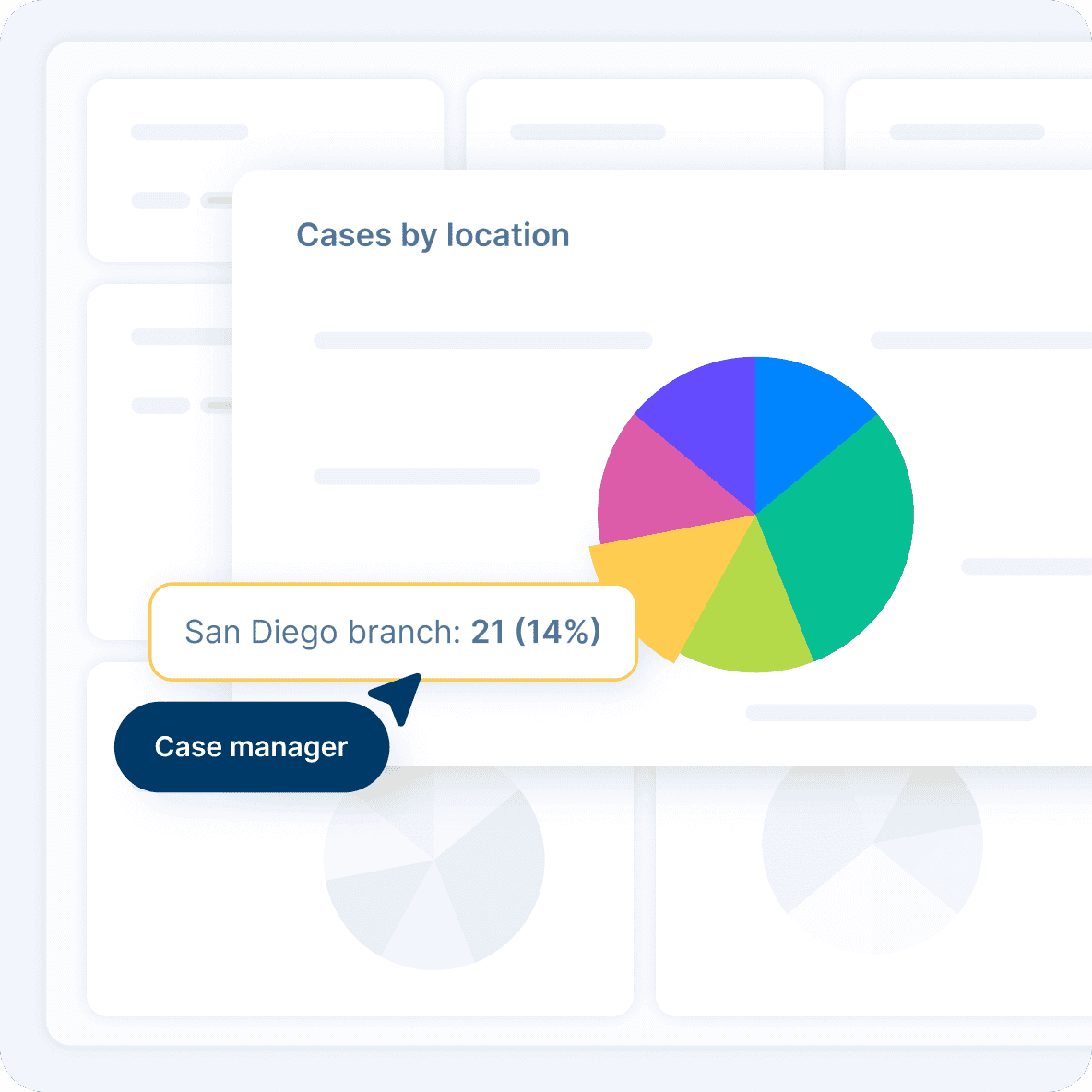
Identify trends, repeated issues, and escalation risks early with customizable visual real-time dashboards.

Filter by category, region, channel, and more

Share without revealing sensitive information

ISO 27001 and SOC 2-certified local servers