

Whistleblowing | Workplace Compliance | Employee Relations
A U.S. federal law that outlines legally binding standards for safe working practices and conditions; recordkeeping of illnesses, injuries, and deaths; and necessary whistleblower protections against retaliation for reporting employer noncompliance.
 Region: USA/
 Sector: Public & Private/
 Effective date: 04/28/1971/
 Last regulatory update: 01/01/2024/
 Mandatory:Yes/
Table of contents
The Occupational Safety & Health (OSH) Act is a U.S. federal law that enforces safe working conditions and practices for businesses in the private sector with at least one employee. It doesn’t apply to self-employed individuals or most state and local government employees, unless they are covered under an OSHA-approved state plan.
The OSH Act has special provisions for the construction, maritime, and agricultural industries due to their greater exposure to hazardous environments and harmful substances. Additionally, it defines requirements for special company activities, including recordkeeping, signage, and whistleblower protections against retaliation for reporting employer noncompliance.
The Occupational Safety & Health Administration (OSHA) is responsible for overseeing the OSH Act. Its responsibilities include conducting research, providing education and training, updating the law regularly, and conducting investigations. In cases of serious criminal offenses, OSHA can refer noncompliant businesses to the DOJ or state authorities for prosecution.
The OSH Act distinguishes between violations and criminal offenses based on severity, awareness, the employer’s history, and the employer's willingness to cooperate. While the Act sets baseline amounts, independent enforcement guidance updates penalties annually to account for inflation, with current charges exceeding $16,550 per violation.
| Category | Example | Penalty |
|---|---|---|
| Serious Violation | Failure to provide fall protection. | Up to $16,550 per violation. |
| Willful Violation | Ignoring safety warnings or knowingly removing protections. | Up to $165,514 per violation. |
| Posting Violation | Missing required OSHA notices. | Up to $16,550 per violation. |
| Other-Than-Serious Violation | Non-serious breach not causing direct harm. | Up to $16,550 per violation. |
| Recordkeeping Violation | Inaccurate injury/illness logs. | Up to $16,550 per violation. |
| Repeat Violation | Repeat of a similar issue previously cited. | Up to $165,514 per violation. |
| Failure to Abate | Not correcting a prior-cited hazard by the deadline. | Up to $16,550 per day beyond deadline. |
| False Statements | Falsifying records, reports, or required documentation. | Fine up to $10,000 and/or imprisonment up to 6 months. |
| Interferring in Investigation | Alerting a worksite of an OSHA inspection before it happens | Fine up to $1,000 and/or imprisonment up to 6 months. |
| Willful Violation Resulting in Death | When a willful violation of a safety standard results in a worker’s death. | Fine up to $10,000 and/or imprisonment up to 6 months for a first conviction; fine up to $20,000 and/or imprisonment up to 1 year for a subsequent conviction of the same person under the statute before other federal sentencing laws are applied. |
Employers are required to provide a workplace free from recognized hazards that are causing or are likely to cause death or serious physical harm, post standardized warnings; equip employees with appropriate personal protective equipment (PPE); maintain accurate records of injuries, illnesses, and deaths; and comply with OSHA standards and reporting obligations.
The OSH Act protects employees who report safety concerns from retaliation, but it does not explicitly require employers to provide an anonymous reporting channel.
Under the OSH Act, employees are required to comply with necessary safety standards and assist their employers in improving workplace safety by reporting unsafe conditions or practices. In return, they are guaranteed protection from retaliation for their whistleblowing efforts.
The OSH Act is important because it establishes nationwide workplace safety standards, authorizes inspections and enforcement, and promotes ongoing research and education to reduce workplace injuries, illnesses, and deaths.
Under the threat of penalties, it forces private-sector businesses to implement necessary protections and to allow employees to earn a wage without worry.
Under the Occupational Safety and Health Act, a basic web form or a dedicated email inbox simply isn’t enough to securely handle sensitive reports. But with FaceUp, you can take the heavy lifting out of compliance and focus on solving issues, rather than shredding paper.
FaceUp provides fully anonymous reporting via mobile app, hotline, and web portal, along with secure case management that automatically generates required audit trails and compliance documentation in 113+ languages.
This means employees can speak up safely, organizations stay audit-ready, and compliance with PSIA regulations is simplified.


Private sector businesses with 1+ employees

Construction, Maritime, Agriculture, Recordkeeping, Whistleblowing

FaceUp is an anonymous reporting and compliance platform designed to help businesses meet whistleblowing regulations worldwide, including those in the US, EU, UK, and UAE.
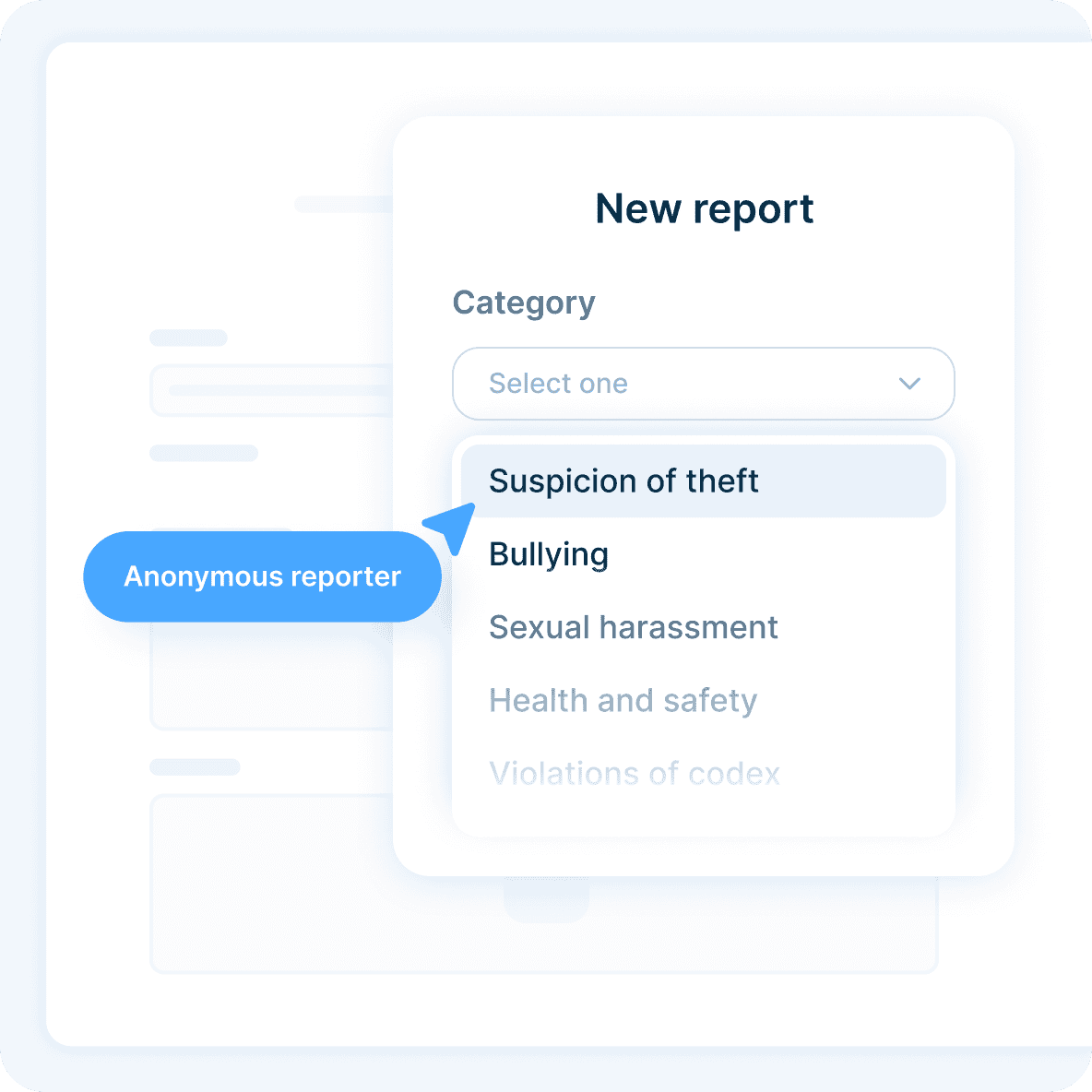
Give staff multiple secure channels to report their concerns, complete with an anonymous two-way chat.

Mobile-First Accessibility

No IP storage, no device IDs, encrypted submissions

Customizable forms, categories, routing rules, and more
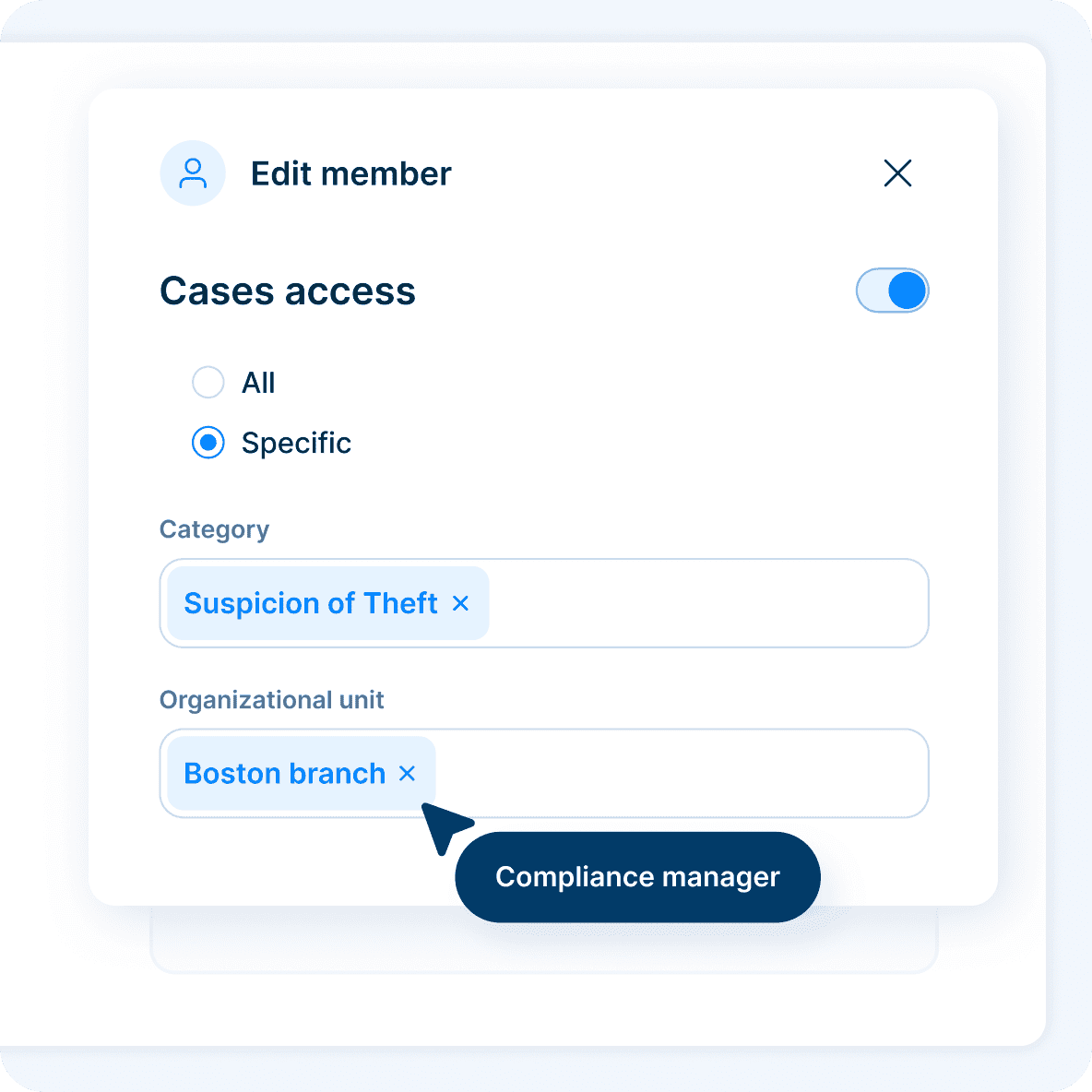
Create an easily verifiable audit trail through a customizable case management system with automatic routing.
Supports multiple locations, subsidiaries, or units

Entity-specific routing and access permissions

Optional notifications via email, Teams, or Slack
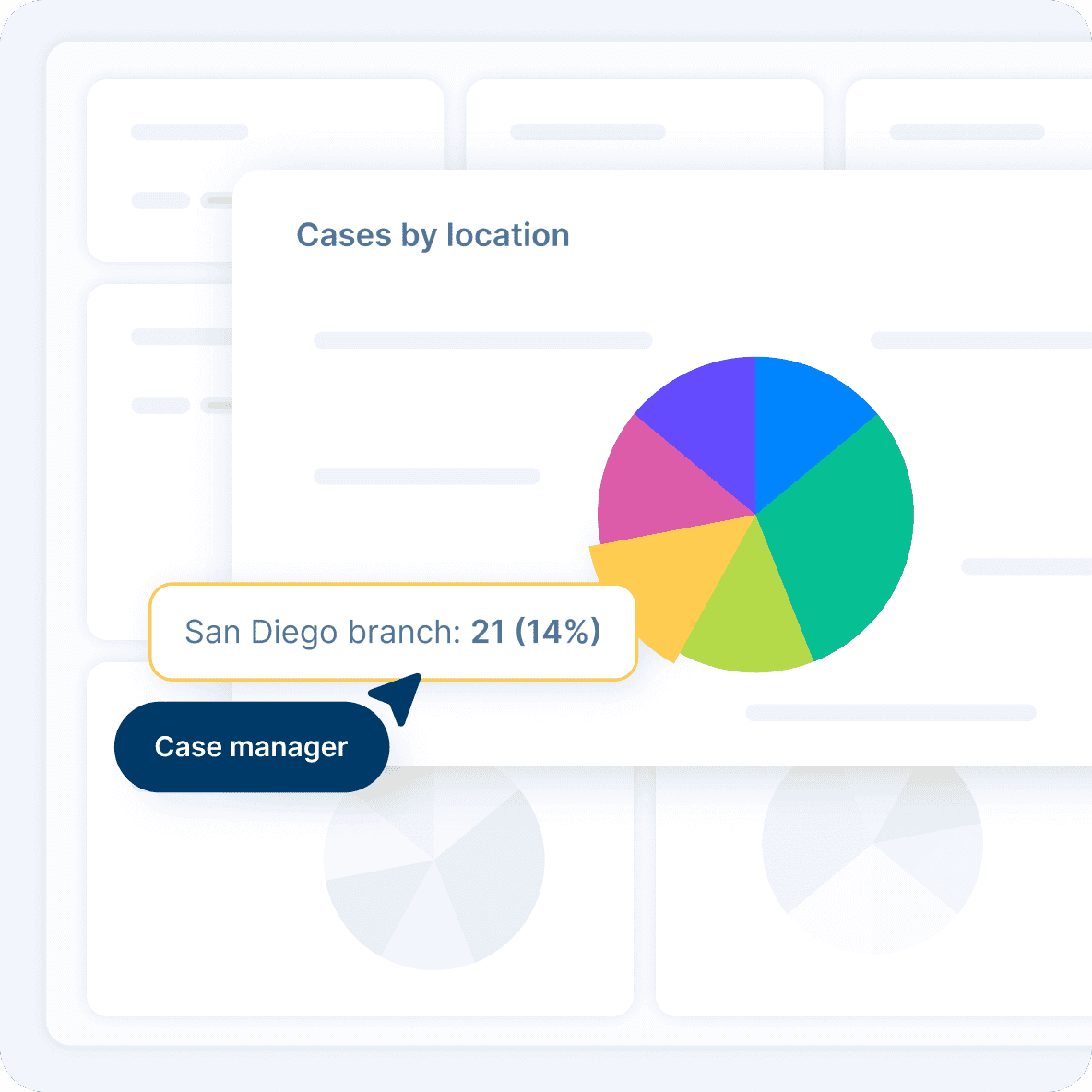
Identify trends, repeated issues, and escalation risks early with customizable visual real-time dashboards.

Filter by category, region, channel, and more

Share without revealing sensitive information

ISO 27001 and SOC 2-certified local servers