

Whistleblowing | Workplace Compliance
Saudi Arabia’s primary anti-corruption framework focused on combating fraud, bribery, and illegal personal enrichment across all public-sector entities and private companies with government ownership stakes.
 Region: Saudi Arabia/
 Sector: Public & Private/
 Effective date: 03/18/2011/
 Last regulatory update: 11/07/2024/
 Mandatory:Yes/
Table of contents
The Nazaha Law is Saudi Arabia’s core anti-corruption framework, formally establishing the Nazaha (the Oversight & Anti-Corruption Authority) as the government body responsible for combatting administrative and financial corruption crimes, including bribery, misuse of public funds, abuse of authority, and forgery, in line with Saudi Arabia’s Vision 2030 Initiative.
Introduced in 2011 and updated in 2024, Nazaha’s framework operates alongside a number of related laws and regulations, most notably the Anti-Bribery Law of 1992 (Royal Decree M/36), which was amended in 2018 and 2021 to expand prohibitions to the private sector, and Royal Decree No. 65/A, which originally established Nazaha and sets out its powers and procedures.
Taken together, Saudi Arabia's anti-corruption laws and regulations prohibit bribery of public officials and their private-sector counterparts, mandate the immediate dismissal of employees convicted of corruption, establish procedures for prosecuting employees who accumulate wealth that is inconsistent with their income, and govern the receipt of gifts by public officials.
Nazaha is the primary enforcement body, operating specialized units covering criminal investigation, prosecution, integrity protection, transparency, administrative oversight, and international cooperation. The Board of Grievances (the Saudi administrative court system) handles certain administrative and judicial matters arising from cases investigated by Nazaha.
The Public Prosecution coordinates criminal matters. Saudi Arabia participates in the G20 Anti-Corruption Working Group and the Arab Anti-Corruption Organization, and Nazaha has bilateral cooperation agreements with anti-corruption authorities in multiple jurisdictions.
Under the Anti-Bribery Law, individuals may face imprisonment of up to 10 years and fines of up to SAR 1,000,000 (~$265,000) for bribery offenses. Under the Nazaha Law, officials who accumulate wealth disproportionate to their income may be required to demonstrate the lawful origin of those assets.
If they cannot do so, a conviction for a corruption offense results in mandatory, immediate dismissal from government employment, with a permanent ban on holding future public office. However, the Nazaha Law permits financial settlement, allowing accused parties to resolve cases by returning assets and paying penalties, subject to confirmation by Royal Decree.
Under the Nazaha law, public entities, joint-stock companies, and private firms with government contracts must implement anti-bribery controls to ensure they do not offer, give, or accept bribes in dealings with Saudi public officials, their private-sector counterparts, or foreign officials. Controls on gifts, hospitality, and facilitation payments are essential components of these compliance efforts.
Additionally, organizations using intermediaries, agents, or consultants for government-related work must conduct third-party due diligence to prevent bribery from being committed on their behalf. Credible internal reporting mechanisms are required to allow employees to report suspected corruption or misuse of authority.
Asset transparency is another core requirement, necessitating that public officials be able to justify their financial position and that organizations maintain records of compensation, expenses, and asset declarations as required. Entities subject to a Nazaha investigation must cooperate by providing access to records or personnel, or risk penalties for obstruction.
The Nazaha Law itself does not directly address whistleblowing. This is covered by other regulations, such as the Anti-Bribery Law, which prescribes financial incentives for reporters of no less than SAR 5,000 (~$1,325) and no more than half of the confiscated amount, and the Protection of Whistleblowers, Witnesses, Experts and Victims Law, which punishes retaliation.
From a regional standpoint, the Nazaha Law plays a crucial role in Saudi Arabia’s Vision 2030 reform, which places anti-corruption compliance at the center of its investment environment. For multinationals, by covering foreign public officials and private-sector bribery, the framework aligns Saudi Arabia with other international standards, such as the U.S.Foreign Corrupt Practices Act (FCPA).
The Nazaha Law creates a direct organizational incentive to detect corruption internally, before Nazaha does. FaceUp helps by providing a confidential, anonymous reporting channel with streamlined case management and support in 113+ languages, including Arabic.
Reporting is available via web forms, iOS/Android mobile apps, and Automated, Live, and AI Hotlines. This allows employees to share concerns quickly and easily, anytime and anywhere, reducing the likelihood of unchecked misconduct and helping organizations identify issues before they escalate into formal investigations.


Saudi public officials, government employees, private-sector individuals and entities, and foreign officials in connection with Saudi commercial activities.

Mandatory dismissal for convicted government employees;
imprisonment up to 10 years and fines up to SAR 1,000,000 for bribery;
potential reversal of the burden of proof in unexplained wealth cases
FaceUp is an anonymous reporting and compliance platform designed to help businesses meet whistleblowing regulations worldwide, including those in the US, EU, UK, and UAE.
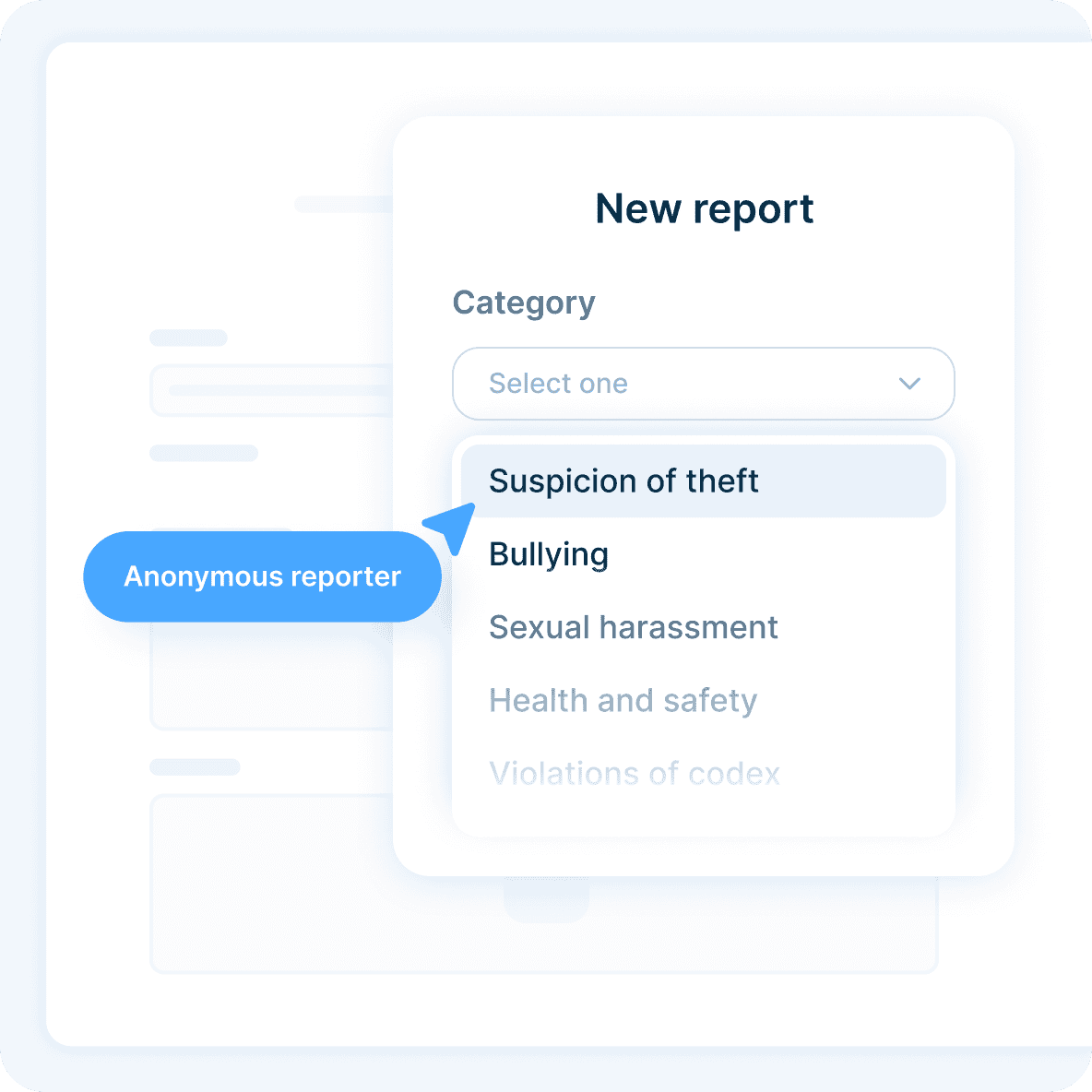
Give staff multiple secure channels to report their concerns, complete with an anonymous two-way chat.

Mobile-First Accessibility

No IP storage, no device IDs, encrypted submissions

Customizable forms, categories, routing rules, and more
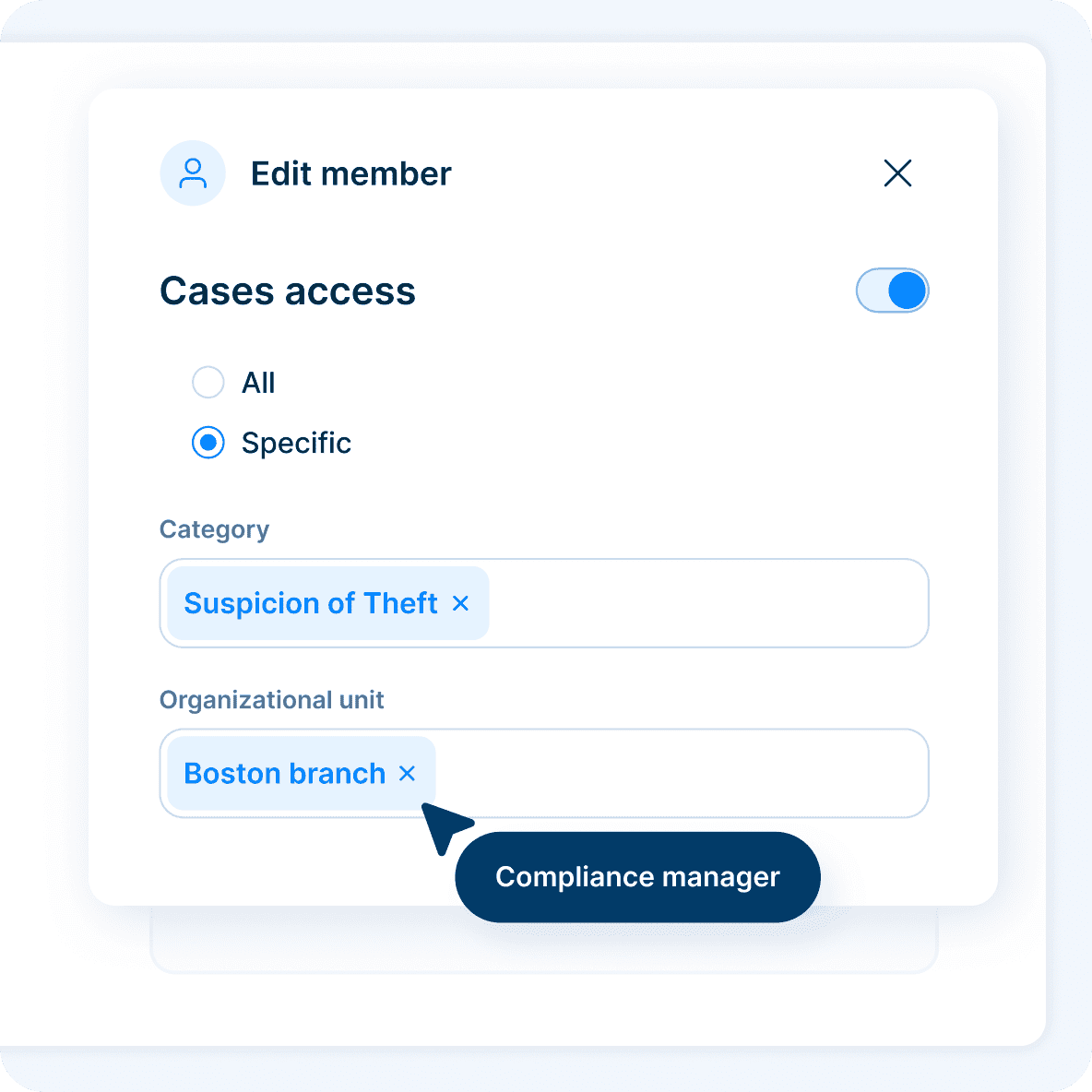
Create an easily verifiable audit trail through a customizable case management system with automatic routing.
Supports multiple locations, subsidiaries, or units

Entity-specific routing and access permissions

Optional notifications via email, Teams, or Slack
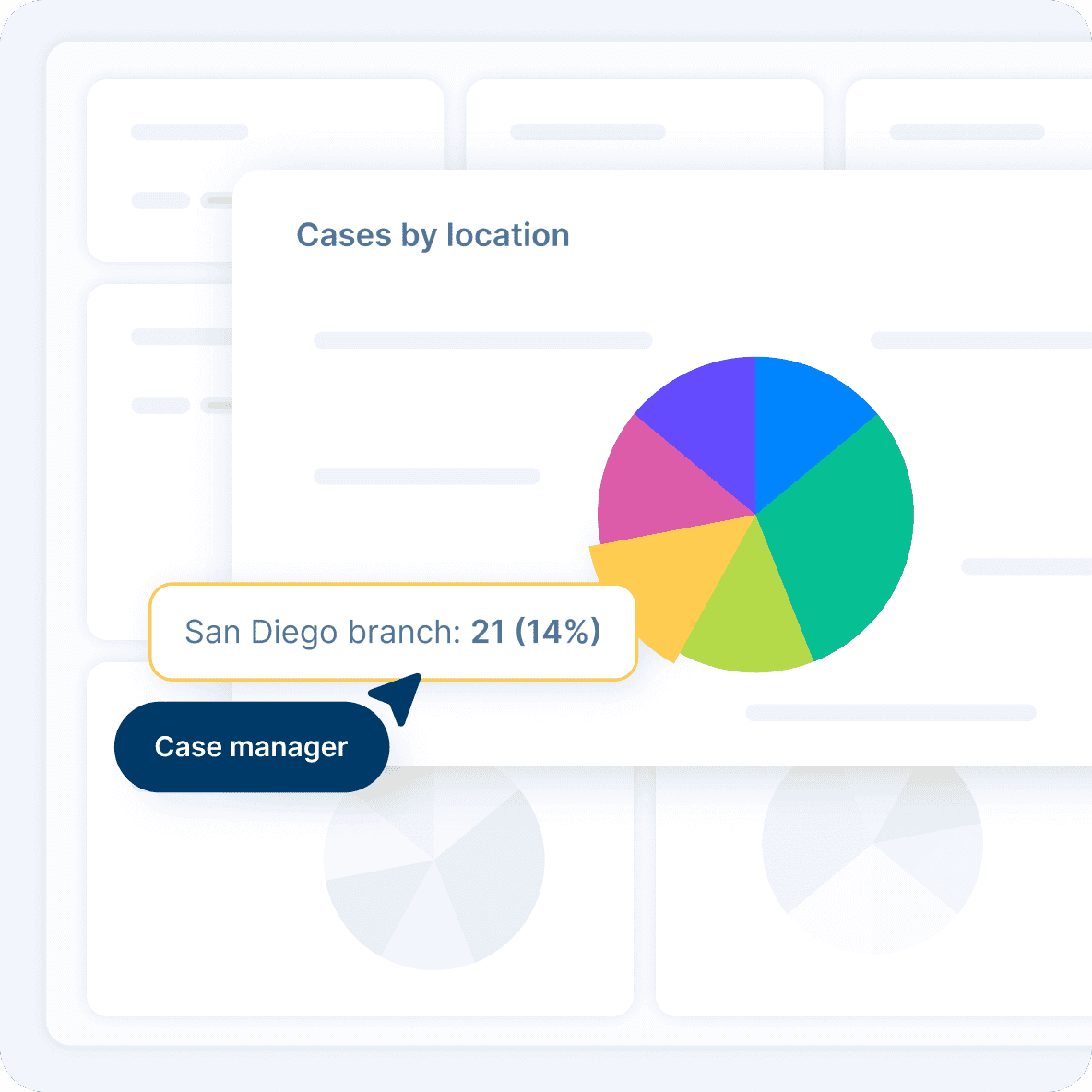
Identify trends, repeated issues, and escalation risks early with customizable visual real-time dashboards.

Filter by category, region, channel, and more

Share without revealing sensitive information

ISO 27001 and SOC 2-certified local servers