

Whistleblowing | Workplace Compliance
A U.S. federal law that prevents bribery of foreign officials and financial misconduct. It requires U.S. businesses and foreign companies listed on U.S. exchanges to maintain accurate records and strong internal controls.
 Region: USA/
 Sector: Public & Private/
 Effective date: 12/19/1977/
 Last regulatory update: 11/10/1998/
 Mandatory:Yes/
Table of contents
The Foreign Corrupt Practices Act (FCPA) is a federal law that aims to combat bribery of foreign officials, illicit transactions abroad, and to promote transparency in business practices. It covers all U.S. persons and businesses, including their foreign subsidiaries, and holds accountable those who use U.S. jurisdictions to conduct corrupt activities overseas.
Key FCPA Provisions | |
Anti-Bribery Provisions | Prohibit offering, paying, or promising to pay bribes to foreign officials to secure business advantages. |
Accounting Provisions | Require companies to maintain accurate books and records and to implement necessary internal controls. |
The FCPA also meaningfully overlaps with two other federal regulations. The Sarbanes-Oxley (SOX) Act shares several requirements regarding internal controls and accurate financial reporting systems, and, in combination with the Dodd-Frank Act, creates safe reporting mechanisms to detect and prevent bribery, including the SEC Whistleblower Program.
The Foreign Corrupt Practices Act is overseen and enforced by the Securities and Exchange Commission (SEC) and the Department of Justice (DOJ). The SEC handles civil enforcement, while the DOJ is in charge of criminal enforcement. Together, the two agencies investigate and prosecute bribery violations and related misconduct.
Violations of the FCPA can result in severe penalties. Organizations can be fined up to $2,000,000 per violation, while individuals can face fines of up to $250,000 and up to 5 years in prison. Importantly, these penalties can be levied against both domestic and foreign entities.
The FCPA requires U.S. businesses and foreign companies listed on U.S. exchanges to ensure that employees do not offer, pay, or promise to pay bribes to foreign officials to influence their decisions or secure business advantages. To demonstrate compliance, they must maintain accurate financial records and accounting books that reflect all transactions accurately.
Organizations must implement and maintain sufficient internal control systems to meet these obligations, including proper managerial authorization of transactions and the prompt detection and prevention of unauthorized activity.
These controls inherently rely on visibility, traceability, and early detection mechanisms. In practice, this means that even though the FCPA does not explicitly require whistleblowing channels, businesses are indirectly compelled to implement them to fulfill their preventive duties and comply with other federal laws and regulations, such as the SOX and Dodd-Frank Acts.
By combating bribery, ensuring fair business practices, and reducing corruption, the FCPA plays a critical role in maintaining the integrity of international business. It helps build a more transparent and accountable global environment, and the companies that comply with it not only mitigate legal risks but also protect their reputations and strengthen their long-term prospects.
While the FCPA does not directly require internal reporting channels, its anti-bribery provisions require businesses to implement sufficient measures to detect and prevent the bribing of foreign officials and other financial misconduct.
FaceUp helps organizations meet this need by providing a centralized case management system with confidential multi-channel intake (web forms, mobile hotlines, iOS/Android applications), supporting 113+ languages and auditable data logging.


All U.S. businesses, foreign subsidiaries, and foreign companies listed on U.S. exchanges

Fines up to $2,000,000 for businesses
Fines up to $250,000 and up to 5 years of imprisonment for individuals.
FaceUp is an anonymous reporting and compliance platform designed to help businesses meet whistleblowing regulations worldwide, including those in the US, EU, UK, and UAE.
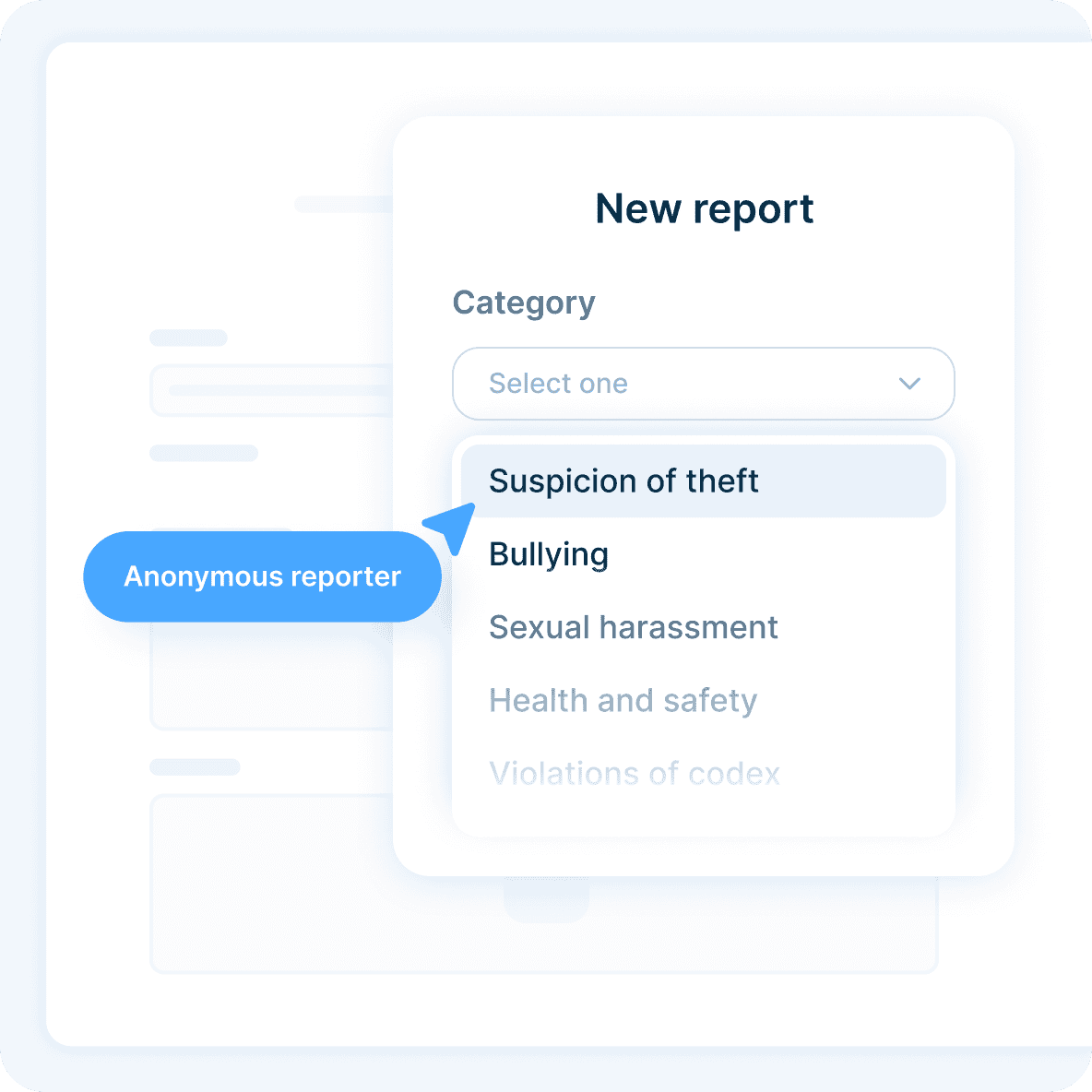
Give staff multiple secure channels to report their concerns, complete with an anonymous two-way chat.

Mobile-First Accessibility

No IP storage, no device IDs, encrypted submissions

Customizable forms, categories, routing rules, and more
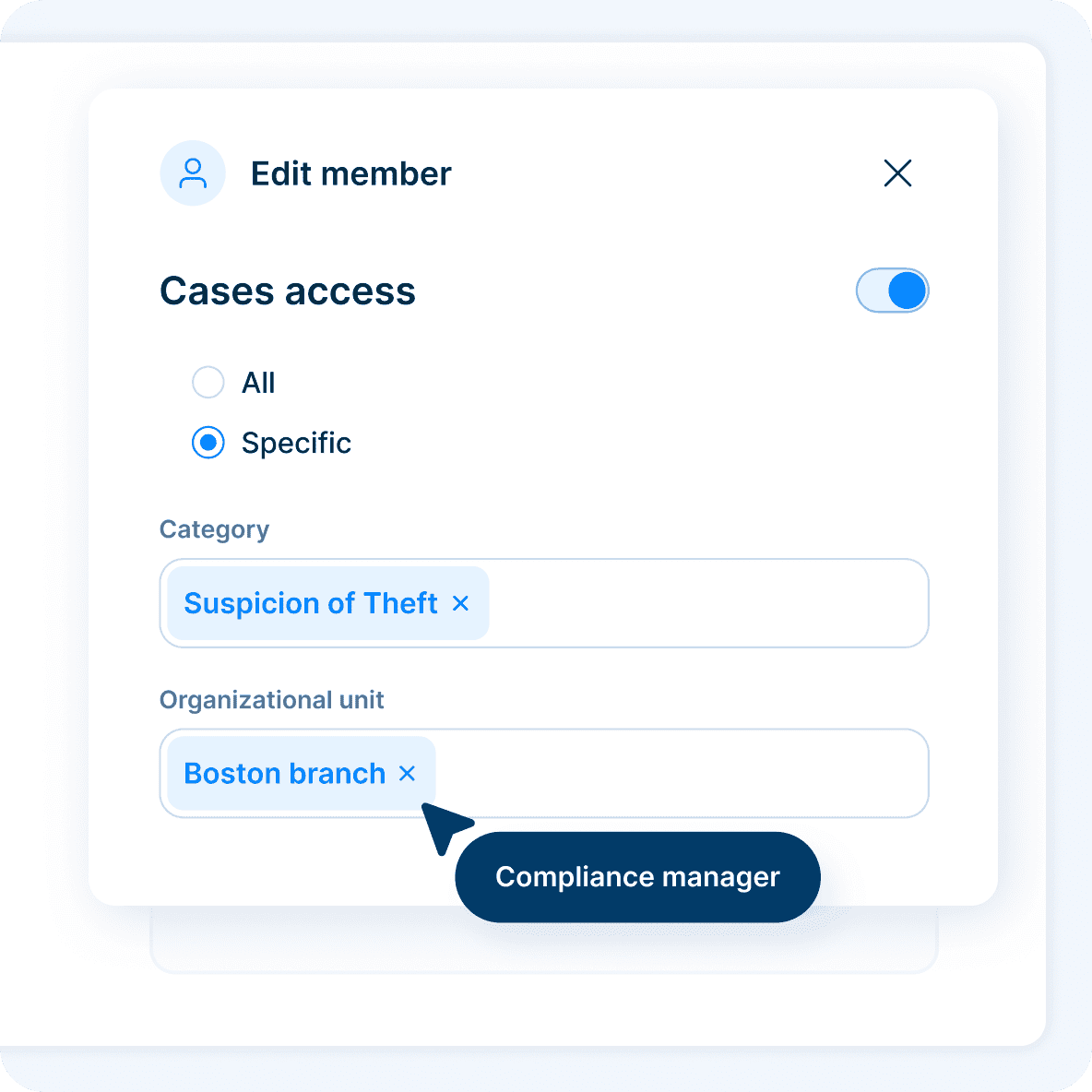
Create an easily verifiable audit trail through a customizable case management system with automatic routing.
Supports multiple locations, subsidiaries, or units

Entity-specific routing and access permissions

Optional notifications via email, Teams, or Slack
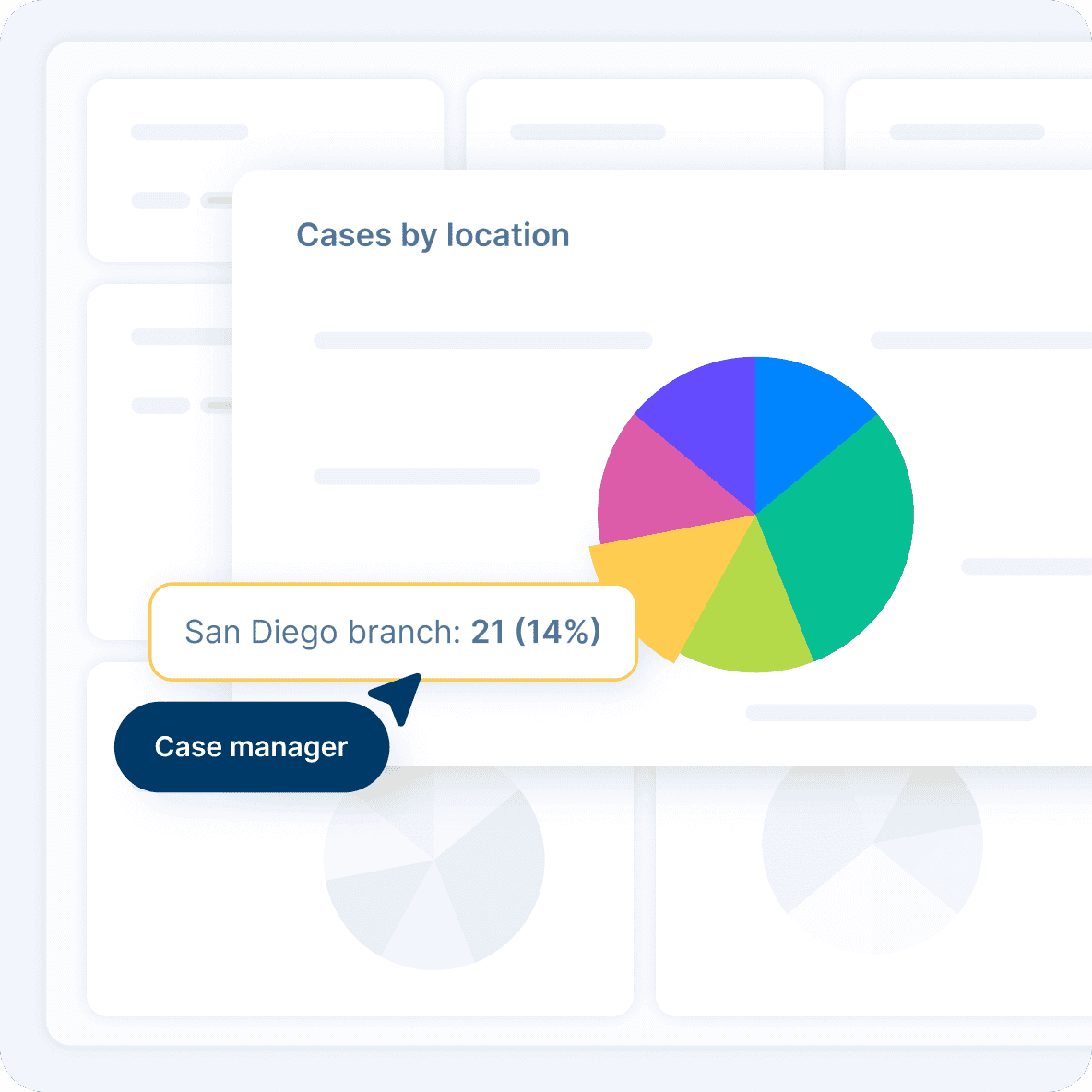
Identify trends, repeated issues, and escalation risks early with customizable visual real-time dashboards.

Filter by category, region, channel, and more

Share without revealing sensitive information

ISO 27001 and SOC 2-certified local servers