

Whistleblowing | Workplace Compliance | Employee Relations
A core Brazilian workplace safety regulation designed to protect employees from physical and psychosocial harm by requiring employers to implement structured processes for identifying, managing, and preventing workplace risks.
 Region: Brazil/
 Sector: Public & Private/
 Effective date: 6/6/1978/
 Last regulatory update: 5/26/2026/
 Mandatory:Yes/
Table of contents
Norma Regulamentadora No.1 (NR-1) is a mandatory federal regulatory standard for managing occupational risk in Brazil. The law establishes the Programa de Gerenciamento de Riscos (PGR) framework to define principles and requirements that employers must follow to ensure a safe and healthy environment for their employees.
Following a significant regulatory update (Portaria MTE 1.419/2024), the PGR also requires companies to systematically identify, assess, and control both psychosocial and physical workplace risks. With no single mandated methodology for assessing psychosocial risks, organizations are expected to adopt reasonable, documented approaches for their workplace.
The updated requirements become enforceable on May 26, 2026. Prior to this date, authorities are focusing on an educational and adaptation phase, during which companies are expected to align their processes before full enforcement begins.
Brazil’s Ministry of Labor and Employment (Ministério do Trabalho e Emprego) is responsible for enforcing NR-1, while the Tripartite Permanent Commission (Comissão Tripartite Paritária Permanente (CTPP)) provides regulatory guidance, and labor inspectors (Auditores Fiscais de Trabalho) conduct workplace inspections and enforce compliance.
Noncompliance may be cited by inspectors and adjudicated by the Labor Secretariat (Secretaria do Trabalho) under Brazil’s Consolidation of Labor Laws (CLT).
NR-1 does not define fixed fines directly. Penalties for noncompliance are established under the Norma Regulamentadora No.28 (NR-28) and vary depending on the severity of the violation and the size of the company. This means serious infractions can result in fines reaching tens of thousands of R$ per violation, with potential corrective measures or restrictions.
NR-1 requires employers to implement a structured and documented approach to managing workplace risks. This includes establishing and maintaining a Programa de Gerenciamento de Riscos (PGR) that covers all relevant hazard categories, including physical, chemical, biological, ergonomic, and psychosocial risks.
Overview of Key NR-1 Requirements | |
Risk Management | A formal and documented risk management program covering all workplace hazards, including psychosocial risks. |
Risk Identification | Systematic identification, assessment, and prioritization of workplace risks. |
Preventive Measures | Implementation of controls to eliminate or reduce identified risks. |
Employee Involvement | Employee participation in risk management processes, including consultation and feedback. |
Training & Awareness | Ongoing training to ensure employees understand workplace risks and prevention measures. |
Documentation | Maintenance of records related to risks, actions taken, and incidents. |
Risk Reporting | Structured processes for identifying and addressing concerns; many organizations implement confidential reporting channels to support this. |
Integration with Other Obligations | Alignment with related requirements such as PCMSO (NR-7) and eSocial reporting. |
Continuous Monitoring | Ongoing review and improvement of risk management processes |
Some specific obligations, such as maintaining an Internal Accident Prevention Commission (CIPA), depend on the company’s size and sector. This means that certain requirements may vary in practice.
NR-1 also requires companies to maintain structured processes for identifying and addressing workplace risks. In practice, many organizations implement confidential reporting mechanisms to meet this requirement, enabling employees to raise concerns consistently and in a documented manner.
NR-1 represents a significant development in Brazilian labor regulation by formally recognizing psychosocial risks as part of workplace safety. By requiring companies to address issues such as harassment, burnout, and workplace conflict, the regulation shifts the focus from reactive incident management to proactive risk prevention.
This aligns Brazil with broader global trends, where organizations are expected to identify risks early, implement structured processes, and maintain clear documentation to reduce legal, financial, and reputational exposure.
NR-1 emphasizes the need for structured processes that allow organizations to identify, report, and manage workplace risks effectively.
FaceUp supports compliance by providing accessible reporting tools, including web forms, mobile applications, and hotlines available in 113 languages. Employees can report concerns safely and anonymously, helping organizations meet NR-1’s confidentiality requirements.
Combined with automated documentation and centralized case management, FaceUp enables organizations to capture incidents, manage investigations, and maintain audit-ready records that meet regulatory expectations.


All employers in Brazil

Defined under NR-28 and vary based on company size and severity, with serious fines reaching tens of thousands of reais per violation.
FaceUp is an anonymous reporting and compliance platform designed to help businesses meet whistleblowing regulations worldwide, including those in the US, EU, UK, and UAE.
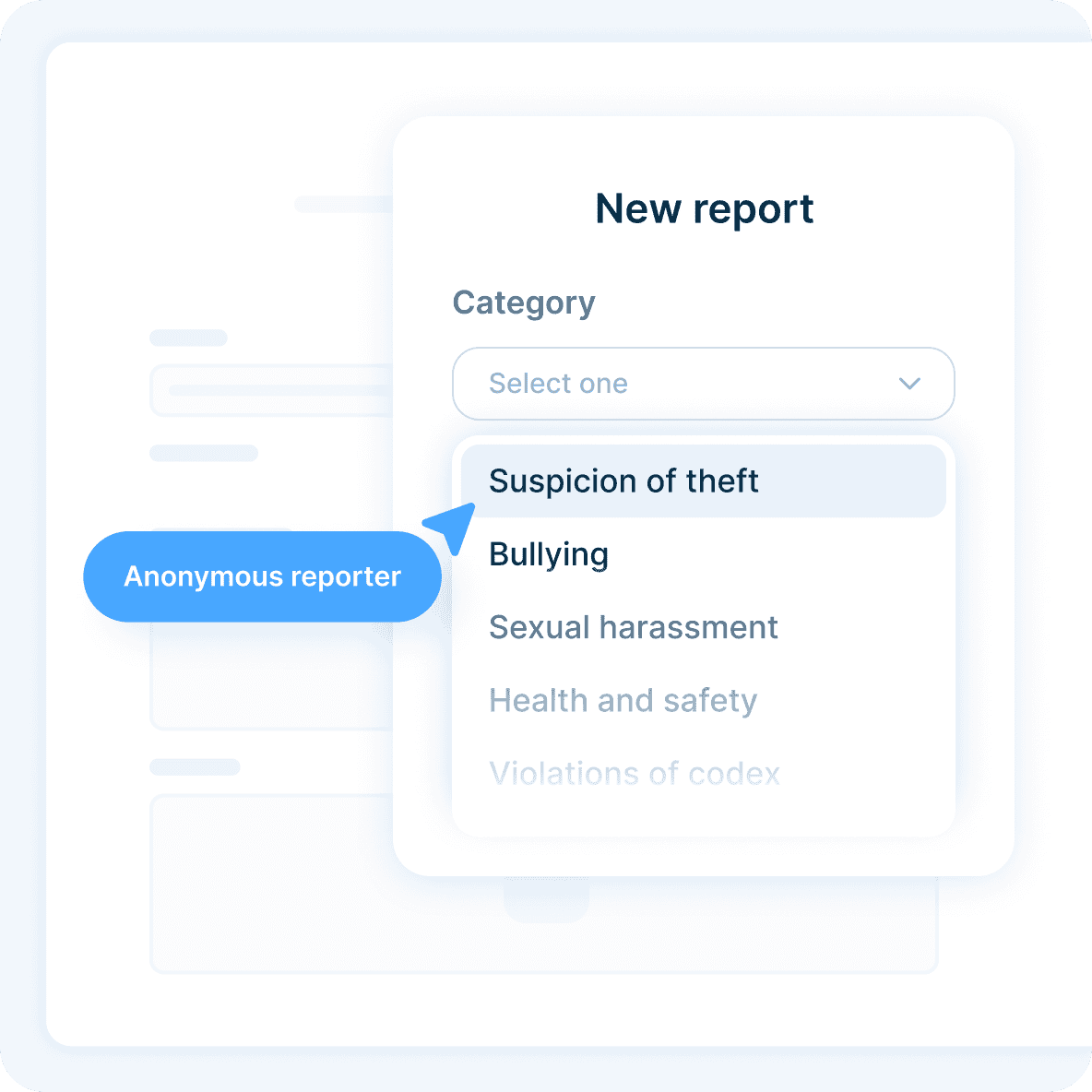
Give staff multiple secure channels to report their concerns, complete with an anonymous two-way chat.

Mobile-First Accessibility

No IP storage, no device IDs, encrypted submissions

Customizable forms, categories, routing rules, and more
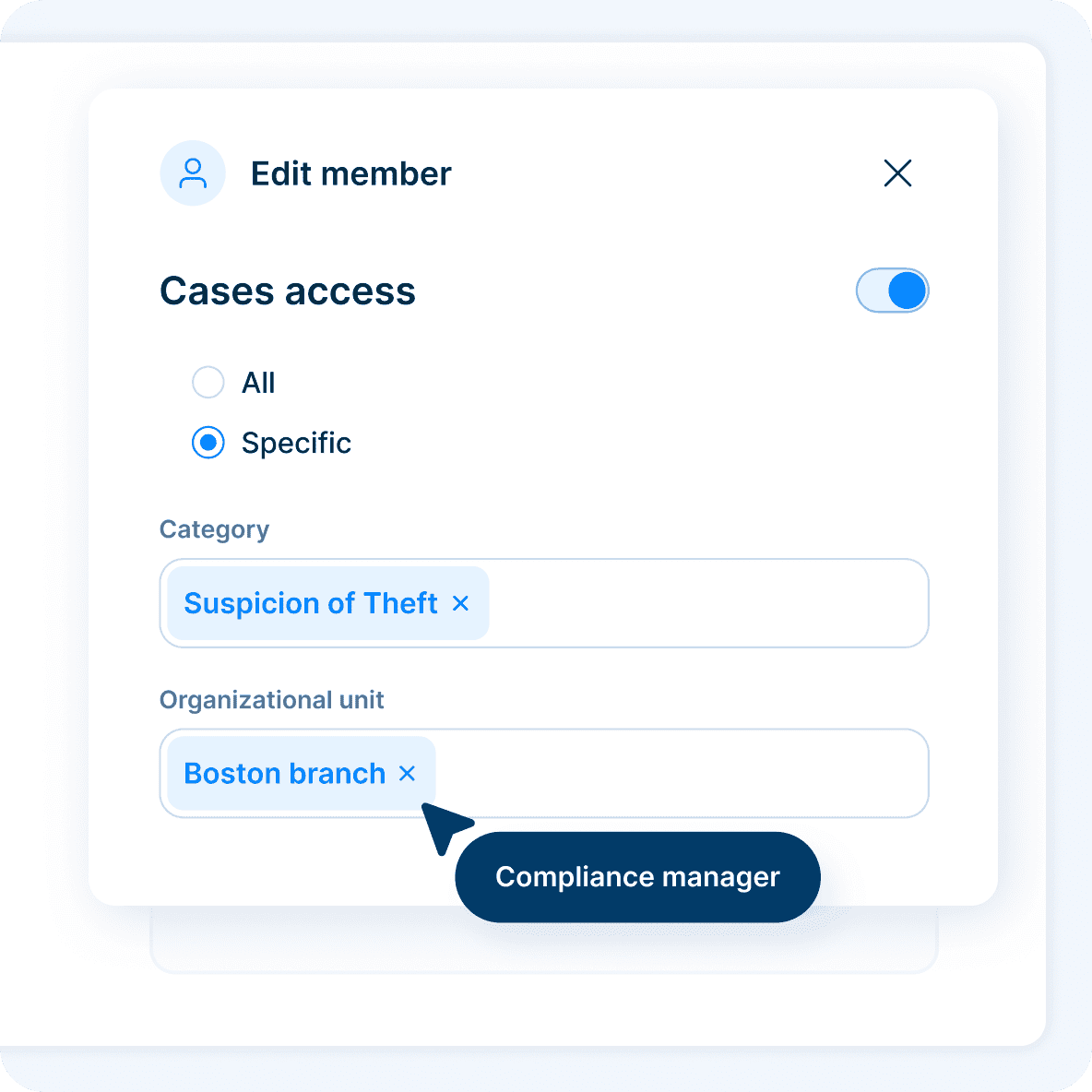
Create an easily verifiable audit trail through a customizable case management system with automatic routing.
Supports multiple locations, subsidiaries, or units

Entity-specific routing and access permissions

Optional notifications via email, Teams, or Slack
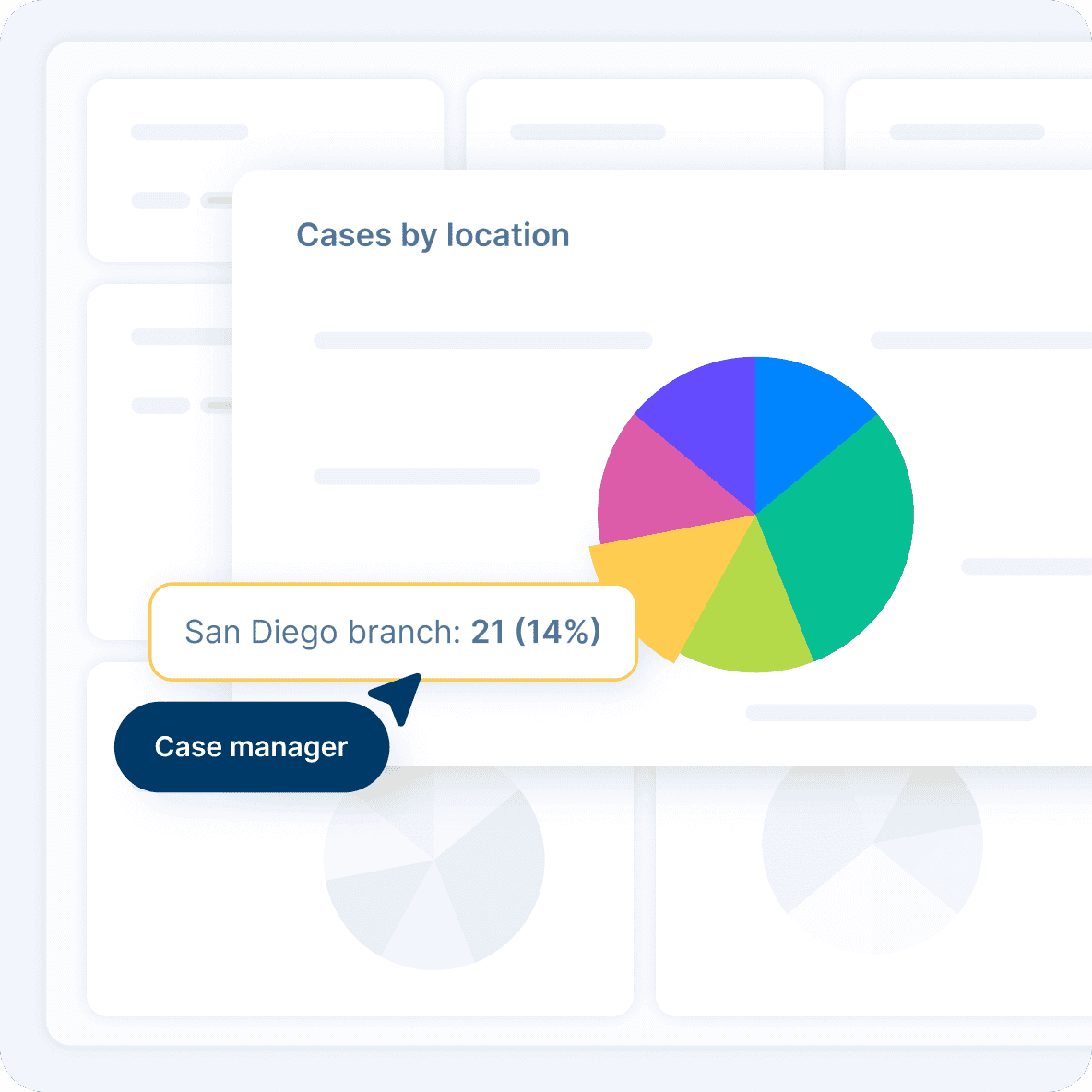
Identify trends, repeated issues, and escalation risks early with customizable visual real-time dashboards.

Filter by category, region, channel, and more

Share without revealing sensitive information

ISO 27001 and SOC 2-certified local servers