

Whistleblowing | Workplace Compliance
A primary piece of UK legislation and the chief local whistleblowing law, protecting workers who make qualifying disclosures in the public interest from retaliation.
 Region: UK/
 Sector: Public & Private/
 Effective date: 07/02/1999/
 Last regulatory update: 07/25/2013/
 Mandatory:Yes/
Table of contents
The Public Interest Disclosure Act 1998 (PIDA) is the UK’s principal whistleblowing statute. Introduced in response to a series of high-profile organizational disasters, in which evidence suggested workers had prior knowledge of problems but felt unable or unwilling to raise them, PIDA embedded anti-retaliatory provisions into the Employment Rights Act 1996 (ERA).
PIDA protects workers who report wrongdoing from retaliation. Under the Act, dismissing a worker for making a protected disclosure is automatically unfair. Workers who suffer dismissal or any other detriment after raising a protected concern may bring a claim before an employment tribunal, with no minimum qualifying period of employment required.
PIDA also interacts with a number of other laws. Its provisions are incorporated through the Employment Rights Act 1996 (ERA), which serves as the primary enforcement framework. The UK Worker Protection Act further strengthens employers' obligations relating to workplace harassment. The Enterprise and Regulatory Reform Act 2013 (ERRA) significantly amended PIDA.
ERRA narrowed the definition of protected disclosures by requiring workers to reasonably believe that a disclosure is in the public interest. It removed the previous good-faith requirement for basic protection (although bad-faith disclosures may still result in reduced compensation), extended protection to harm caused by co-workers, and made employers liable for such harm.
PIDA is enforced primarily through the employment tribunal system in England, Wales, Scotland, and partially in Northern Ireland. Workers who believe they have suffered detriment or dismissal for making a protected disclosure may bring a claim before an Employment Tribunal, which may award compensation and issue declarations. The Employment Appeal Tribunal (EAT) is responsible for hearing appeals on points of law.
There is no dedicated whistleblowing regulator under PIDA. Instead, bodies such as the Financial Conduct Authority (FCA), the Information Commissioner’s Office (ICO), the Serious Fraud Office (SFO), the Care Quality Commission (CQC), the Health and Safety Executive (HSE), and others may receive protected disclosures. Each body exercises its own investigative and regulatory powers separately from PIDA.
The Protect charity (formerly Public Concern at Work) is the leading non-governmental body providing advice and advocacy on whistleblowing in the UK. It is not an enforcement body, but it plays a significant role in advising workers and organizations on PIDA compliance.
The compensation awarded to reporters by employment tribunals under PIDA is uncapped. There is no statutory ceiling on the compensation that a tribunal may award in whistleblower-related unfair dismissal or detriment claims, distinguishing PIDA from ordinary unfair dismissal claims, where the basic and compensatory awards are subject to statutory limits.
Awards are compensatory in nature, intended to cover actual financial losses in earnings, pension rights, and other benefits. In detriment cases that fall short of dismissal, workers may also be compensated for injury to feelings. Tribunals may award declarations.
For example, in Jhuti v Royal Mail, the tribunal awarded £2.3 million, covering lost earnings, pension, injury to feelings, and aggravated damages due to the Royal Mail’s conduct during proceedings. In Timis v Osipov, the Court of Appeal upheld an award of over £2 million against two individual directors held jointly liable for the claimant’s dismissal.
Where a worker makes a disclosure in bad faith, the tribunal may reduce the compensation award by up to 25%, but bad faith alone does not remove protection. Under ERRA, employers also have vicarious liability for co-worker detriment, meaning they are responsible for actions taken against the whistleblower by their colleagues, not just management.
PIDA does not legally require employers to implement a whistleblowing policy or reporting procedure. Instead, it imposes prohibitions. An employer must not dismiss or retaliate against a worker for making a protected disclosure, or allow another employee to do so. Dismissal and other detriments short of dismissal both give rise to separate tribunal claims.
For a disclosure to be protected, the worker must reasonably believe that the information is in the public interest and disclose it to an appropriate internal or external recipient. Moreover, the disclosure must relate to one of six categories of wrongdoing, be it a criminal offense, a failure to comply with a legal obligation, a miscarriage of justice, a danger to health or safety, damage to the environment, or the deliberate concealment of any of these.
The following practices are not legally mandated but represent the standard a tribunal would expect to see in the employer’s defense against a PIDA retaliation claim.
Recommended PIDA Compliance Practices | |
Whistleblowing Policy | A clear, accessible policy setting out how workers can raise concerns internally and what protections apply. |
Internal Reporting Channels | Designated channels through which workers can raise concerns, including anonymously. No specific format is prescribed. |
Investigation & Follow-Up | Failure to act on legitimate disclosures increases the likelihood of external escalation and weakens the position in proceedings. |
Training & Awareness | Management and HR should understand what constitutes a protected disclosure to avoid inadvertent retaliatory action. |
Confidentiality Protection | Where a worker requests confidentiality, make reasonable efforts to protect their identity. |
PIDA has been the legal backbone of UK whistleblowing protection for over 25 years, with tribunal claims consistently producing significant awards for dismissed or disadvantaged employees. Thanks to the uncapped nature of compensation, amounts received often reach hundreds of thousands of pounds.
The Act was originally introduced to combat organizational disasters, such as those concerning Piper Alpha, BCCI, and Maxwell, that preceded PIDA’s implementation. Today, the regulation helps ensure that similar events will not happen again, compelling organizations not only to comply with the law but also to implement effective operational risk controls.
While PIDA does not legally require employers to implement whistleblowing channels, the absence of accessible and confidential reporting opportunities significantly increases the risk of legal and reputational exposure under the Act.
FaceUp helps organizations strengthen their whistleblowing programs with multi-channel intake across web forms, iOS/Android mobile apps, and Live, Automated, and AI-Powered Hotlines in 113+ languages
The absence of personal metadata helps protect reporters’ confidentiality. Role-based access for case management and automatic data logging helps demonstrate a serious commitment to preventing retaliation wherever it may occur.


Workers in Great Britain, including employees, contractors, agency workers, trainees, and certain other categories as defined in section 43K of the ERA. Armed forces personnel are excluded. Northern Ireland applies the legislation in a limited form.

Compensation is uncapped. Tribunals award compensatory damages for financial loss and, in detriment cases, injury to feelings. Dismissal for making a protected disclosure is automatically unfair, with no qualifying period of employment required.
FaceUp is an anonymous reporting and compliance platform designed to help businesses meet whistleblowing regulations worldwide, including those in the US, EU, UK, and UAE.
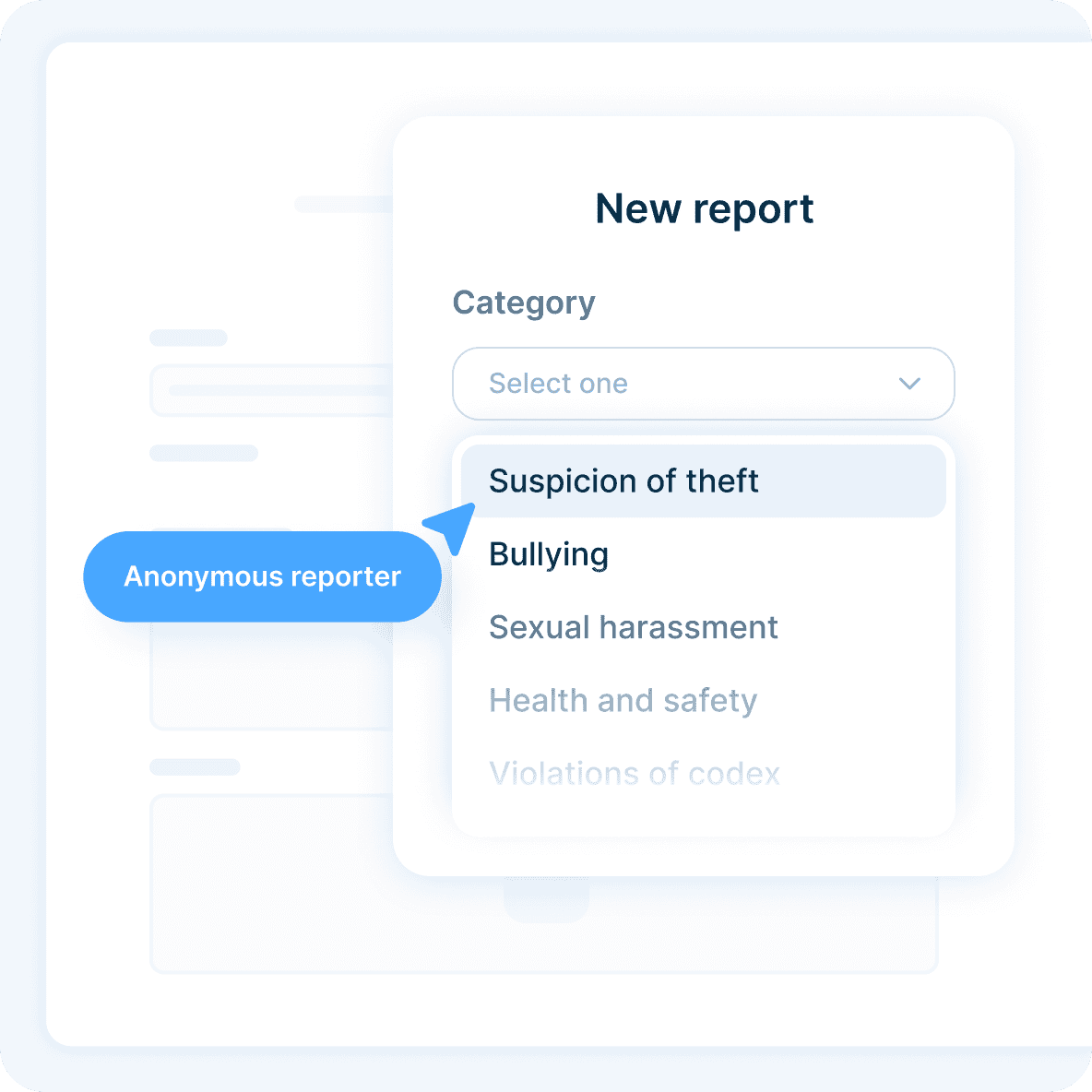
Give staff multiple secure channels to report their concerns, complete with an anonymous two-way chat.

Mobile-First Accessibility

No IP storage, no device IDs, encrypted submissions

Customizable forms, categories, routing rules, and more
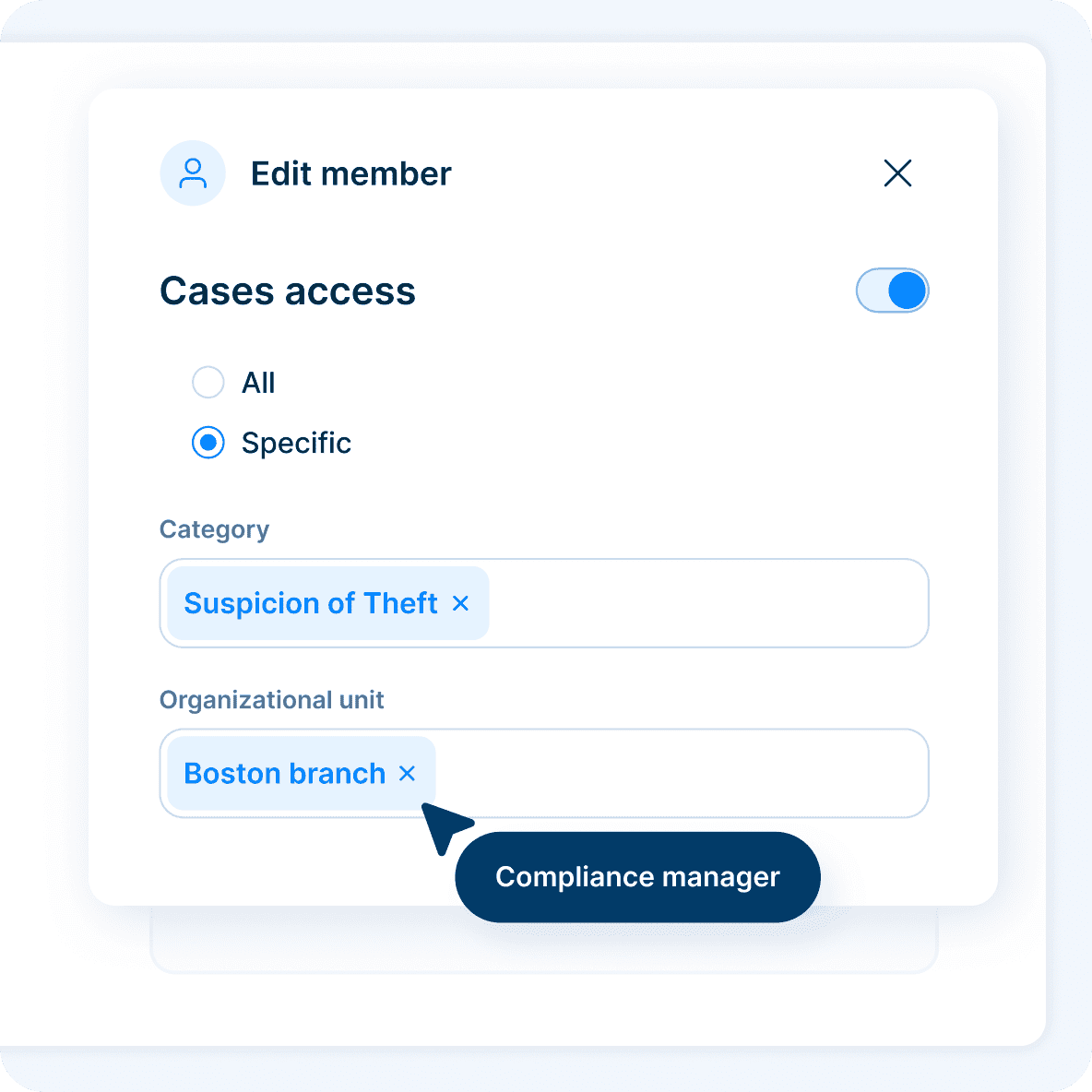
Create an easily verifiable audit trail through a customizable case management system with automatic routing.
Supports multiple locations, subsidiaries, or units

Entity-specific routing and access permissions

Optional notifications via email, Teams, or Slack
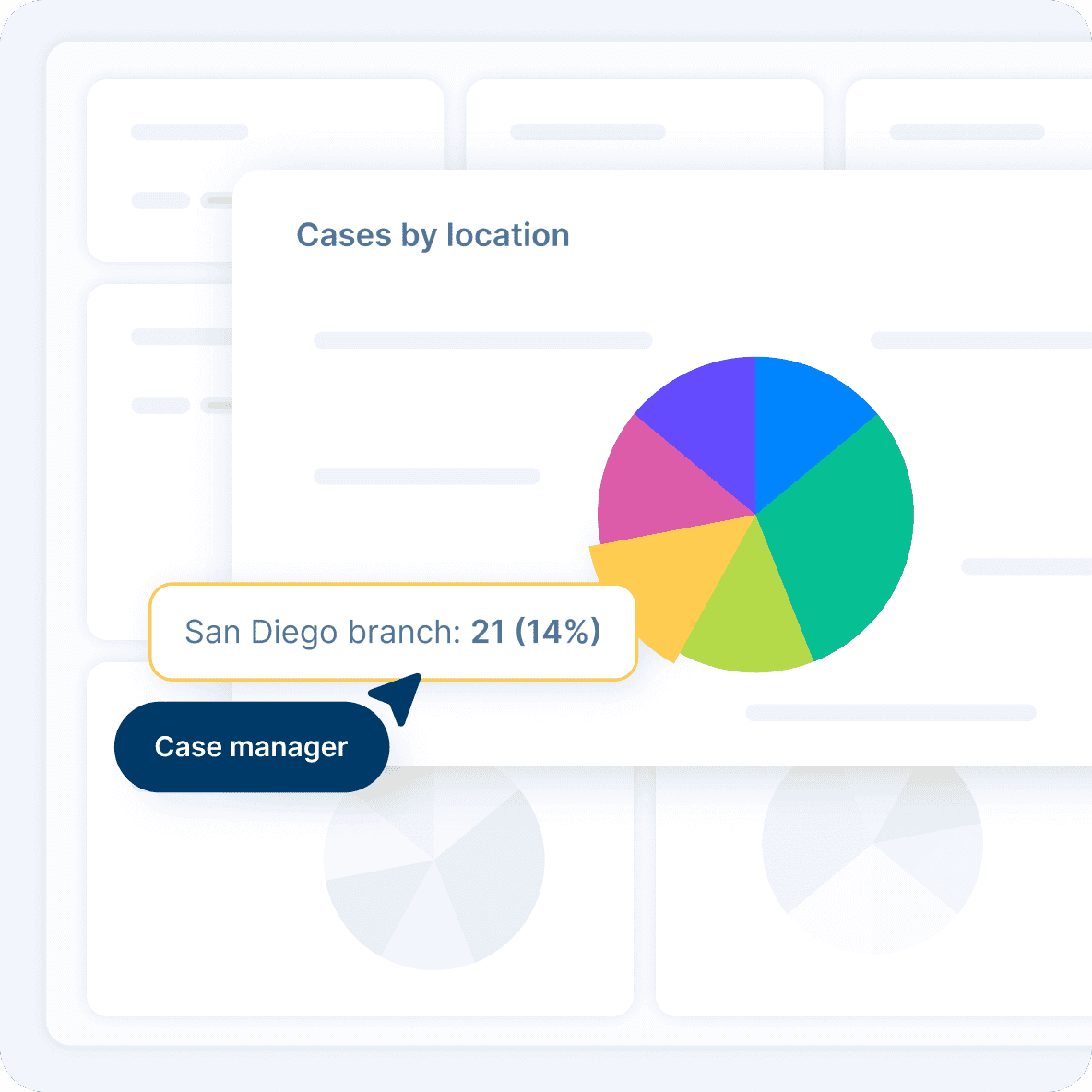
Identify trends, repeated issues, and escalation risks early with customizable visual real-time dashboards.

Filter by category, region, channel, and more

Share without revealing sensitive information

ISO 27001 and SOC 2-certified local servers