

Whistleblowing | Workplace Compliance | Employee Relations
A United Kingdom law focused on preventing sexual harassment in the workplace, while also protecting victims and whistleblowers from retaliation. The legislation expands on existing regulations, requiring all employers to create and document effective preventive measures.
 Region: UK/
 Sector: Public & Private/
 Effective date: 10/26/2024/
 Last regulatory update: N/A/
 Mandatory:Yes/
Table of contents
The UK Worker Protection Act (WPA) is an amendment to the Equality Act of 2010 that expands employers’ obligations to “take reasonable steps to prevent sexual harassment of their employees”. These steps include providing training, implementing robust internal reporting mechanisms and anti-retaliation measures, and appointing workplace harassment officers.
The law covers all public and private sector employers, regardless of size, across England, Scotland, and Wales (excluding Northern Ireland). Beyond the Equality Act, the Worker Protection Act also meaningfully interacts with other present and future UK legislation.
The interplay of the Worker Protection Act with other UK laws:
Several legal entities oversee aspects of the Worker Protection Act. First is the Health and Safety Executive (HSE), which oversees regulations and ensures that employers fulfill their responsibilities regarding workplace harassment prevention. The HSE has the power to conduct inspections, issue improvement notices, and pursue legal action against non-compliant entities.
Second are the Employment Tribunals. Employees who believe they have been subjected to harassment or retaliation and have been unable to resolve the issue through internal channels can file a complaint and seek a hearing with the Employment Tribunals. If the tribunal rules in their favor, it can order suitable remedies, such as compensation, reinstatement, and penalties.
Third is the Equality and Human Rights Commission (EHRC), which shares some responsibility with the HSE. The EHRC monitors compliance with equality laws, including harassment protection, and can take legal action to ensure employers comply with anti-discrimination and anti-harassment regulations. It is primarily focused on systemic issues in the workplace.
Victims of sexual harassment who bring their case to a tribunal may be granted compensation for injury to feelings, and potentially financial loss. Additionally, tribunals are now required to consider whether the employer took sufficient steps to prevent the incident. If not, they can award an additional 25% uplift to the compensation, with no upper limit on the amount.
Separately, breaches of the preventive duty can be enforced by the Equality and Human Rights Commission, resulting in fines and required corrective measures. The EHRC also commonly publishes its remedial orders publicly, which can lead to significant reputational
harm for non-compliant employers, such as lost business.
The UK WPA requires employers to “take reasonable steps to prevent sexual harassment of their employees in the course of their employment” within their business size and context, and maintain clear records. However, the law does not explicitly state what these steps are, with clarifying regulations expected to come into force sometime in 2027/2028.
As a result, employers need to rely on EHRC guidance to stay compliant. According to the guidance, inaction is not an option. Employers have an anticipatory duty to implement measures before any harassment occurs, which can include publishing clear policies, creating training plans, conducting regular risk assessments, and establishing reporting protocols.
While the law does not specify any internal reporting channels, timeframes, or confidentiality rules, the guidance strongly recommends that employers implement robust reporting systems with formal, informal, and confidential mechanisms. Additionally, employers are recommended to promptly log all incidents and ensure managers are trained to effectively handle complaints.
Finally, while the WPA only mentions sexual harassment perpetrated by employees, official commentary interprets it to cover third parties, such as clients and customers, as well. That means that if a member of staff is sexually harassed by a non-employee, the employer will have breached the duty if it failed to take reasonable steps to foresee and prevent that risk.
The Worker Protection Act is instrumental in creating safer, more inclusive workplaces across the UK, holding employers accountable for addressing harassment and ensuring victims can seek justice without fear. By complying, employers demonstrate a commitment to promoting better working environments, fostering trust, and enhancing their organizational culture.
FaceUp helps businesses ensure compliance with the UK Worker Protection Act by giving employees access to confidential reporting channels (web form, mobile app, hotline) in 113 languages, so they can file complaints anytime, anywhere without fear of retaliation. Thanks to automatically generated audit trails, you can easily prove your compliance whenever needed.


All businesses in England, Scotland, and Wales

Reinstatement and compensation for injury to feelings, with a potential 25% uplift on the amount if the employer failed to take sufficient preventive steps.
FaceUp is an anonymous reporting and compliance platform designed to help businesses meet whistleblowing regulations worldwide, including those in the US, EU, UK, and UAE.
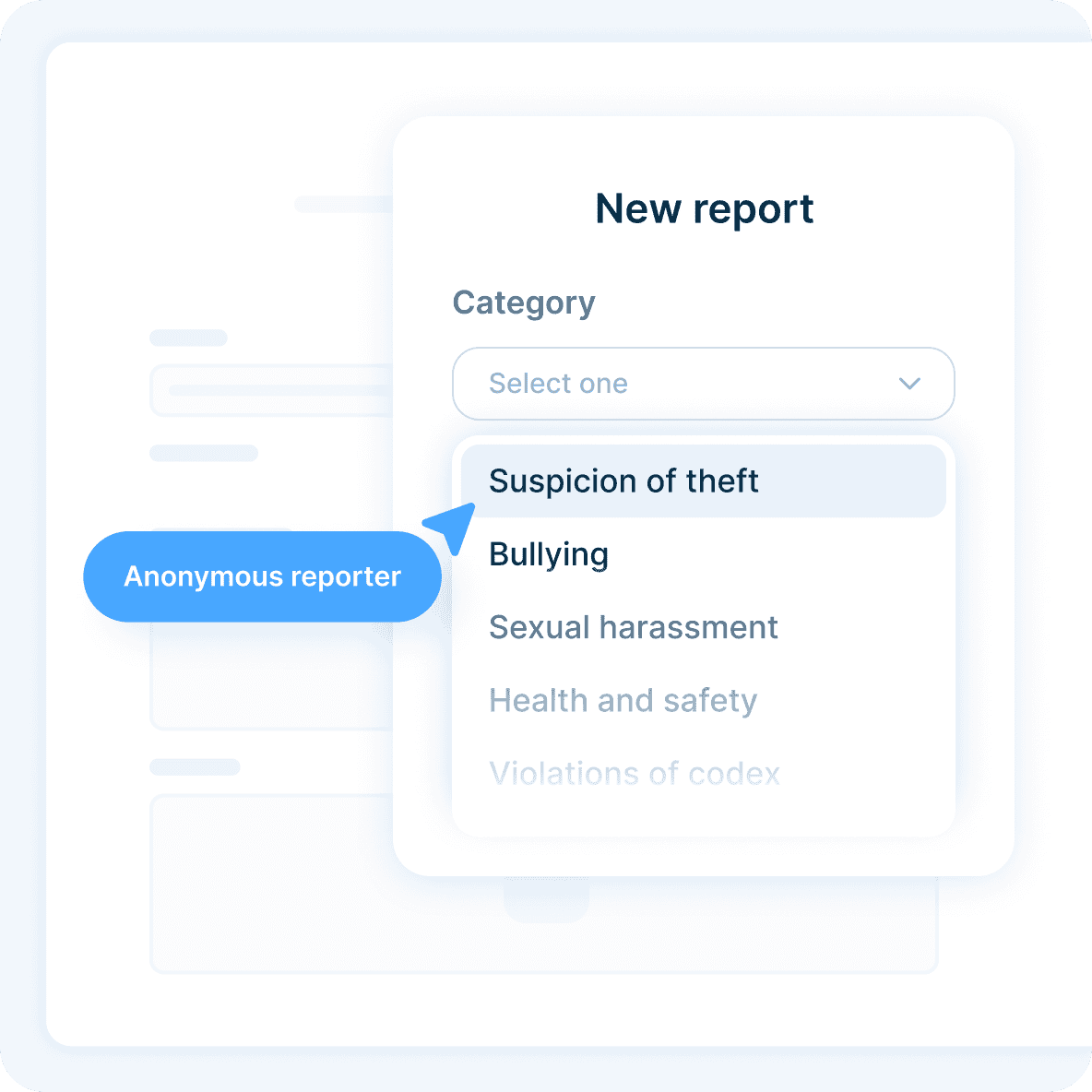
Give staff multiple secure channels to report their concerns, complete with an anonymous two-way chat.

Mobile-First Accessibility

No IP storage, no device IDs, encrypted submissions

Customizable forms, categories, routing rules, and more
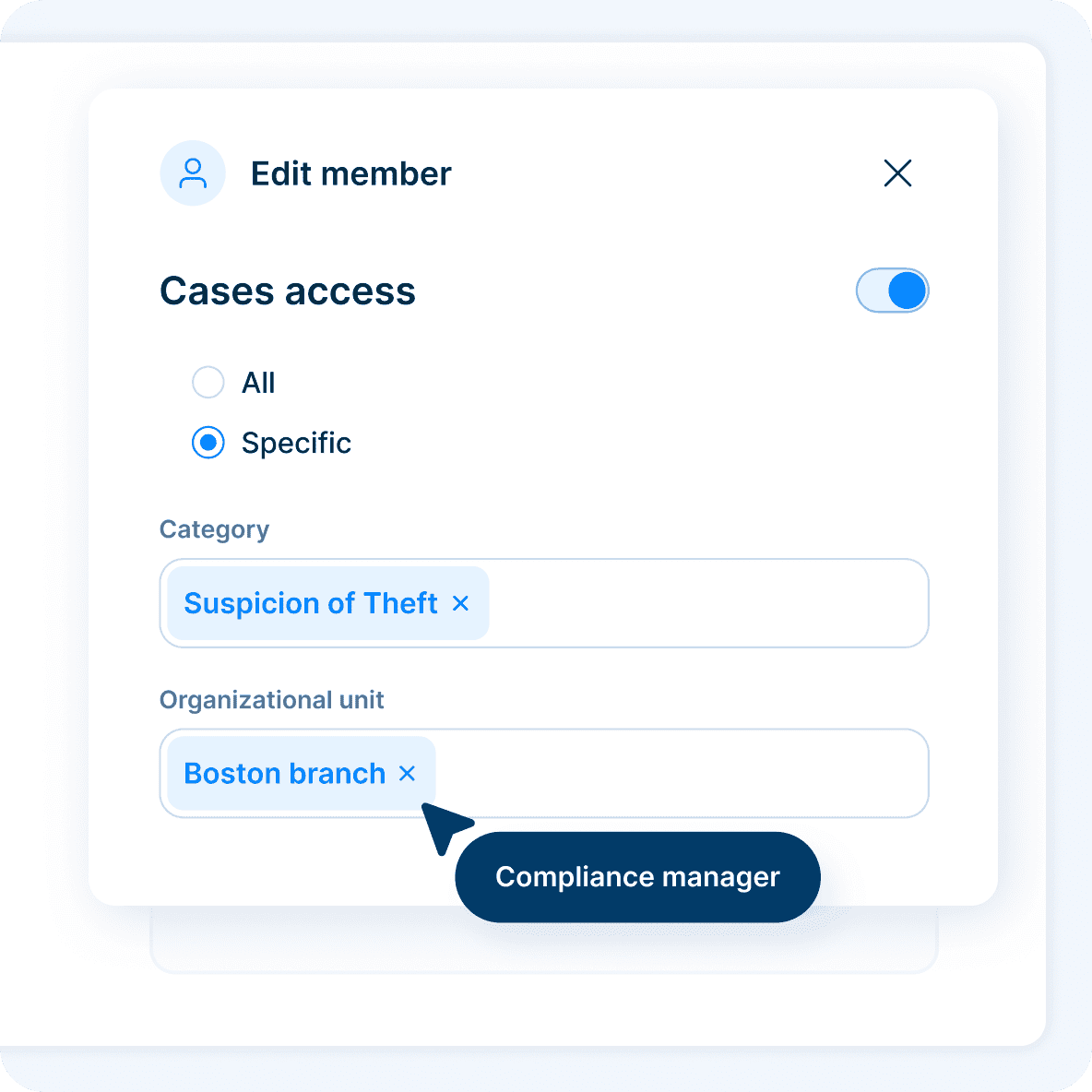
Create an easily verifiable audit trail through a customizable case management system with automatic routing.
Supports multiple locations, subsidiaries, or units

Entity-specific routing and access permissions

Optional notifications via email, Teams, or Slack
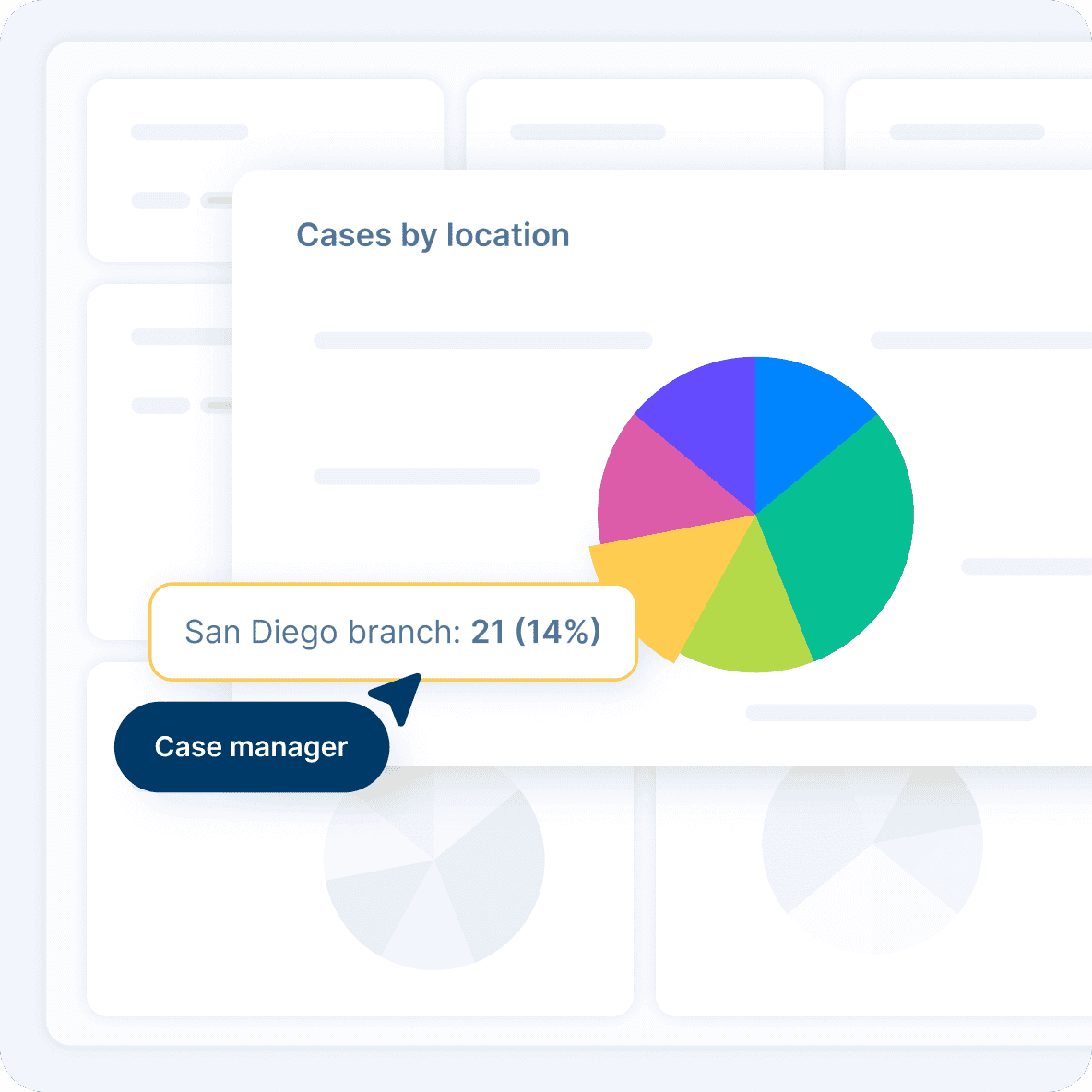
Identify trends, repeated issues, and escalation risks early with customizable visual real-time dashboards.

Filter by category, region, channel, and more

Share without revealing sensitive information

ISO 27001 and SOC 2-certified local servers