

Whistleblowing | Workplace Compliance
An international voluntary standard designed to specify requirements and provide guidance for establishing, developing, implementing, evaluating, and improving compliance management systems (CMS).
 Region: Global/
 Sector: Public & Private/
 Introduced: 04/13/2021/
 Last update: 02/23/2024/
 Mandatory:No/
Table of contents
ISO 37301:2021 Compliance Management Systems – Requirements with Guidance for Use is an international, independently certifiable standard published by the International Organization for Standardization (ISO), replacing the guidance-only ISO 19600:2014. A 2024 update introduced a requirement to assess whether climate change is relevant to an organization’s compliance obligations.
The standard is founded on the principles of good governance, proportionality, transparency, and sustainability. It provides a structured, risk-based framework for identifying compliance obligations, building controls, and supporting a culture of integrity from the board level down.
ISO 37301 may be applied to organizations of any type, size, sector, or jurisdiction. However, certification is most often sought by multinational corporations, government contractors, or companies working in highly regulated sectors, such as finance, healthcare, and technology.
Organizations typically implement ISO 37301 as part of a broader compliance framework alongside ISO 37001 Anti-Bribery Management Systems and ISO 37002 Whistleblowing Management Systems to demonstrate systematic management of their compliance obligations, reduce non-compliance risk, and strengthen stakeholder trust.
ISO 37301 requires organizations to establish, implement, maintain, and continually improve their CMS. The standard follows the “Plan-Do-Check-Act” structure common to all ISO management system standards, but with specific compliance-oriented requirements throughout.
Core ISO 37301 Requirements | |
Compliance Obligation Inventory | Identify and maintain a register of all applicable legal, regulatory, contractual, and voluntary compliance obligations relevant to the organization’s activities. |
Risk-Based Planning | Compliance risks are assessed in proportion to the organization's size, complexity, and obligations. Objectives and controls must address identified risks. |
Governing Body & Management Accountability | Top management and, where applicable, a governing body take ownership of the CMS, demonstrate visible commitment, and ensure the compliance function has appropriate authority and independence. |
Compliance Culture | Create a culture in which compliance is understood, embedded, and supported at all levels through communication, training, and tone from the top. |
Whistleblowing & Reporting Mechanisms | Channels are established and maintained for raising concerns or reporting suspected non-compliance, with safeguards protecting reporters from retaliation. |
Third-Party Due Diligence | Compliance risks arising from third parties, including agents, suppliers, and business partners, are addressed through proportionate controls and ongoing monitoring. |
Documented Information | Records demonstrating the operation and effectiveness of the CMS are maintained and available for audit purposes. |
Performance Evaluation | Internal audits and management reviews are conducted at planned intervals, with findings used to drive corrective actions and continuous improvement. |
ISO 37301 is increasingly being referenced by regulators, investors, and procurement bodies as the global standard for compliance management and a benchmark for organizational integrity. The standard provides a structured method for systematically managing legal obligations for organizations operating across multiple jurisdictions, where compliance complexity is high.
Certification creates a defensible record for regulators and suppliers alike, helping businesses reduce legal risk and reputational exposure. Additionally, organizations that implement ISO 37301 are better positioned to identify risks before they become incidents, respond when they do, and compete for business effectively.
ISO 37301 specifically requires businesses to implement and maintain reliable whistleblowing channels with anti-retaliation protection. FaceUp helps meet this need with an out-of-the-box anonymous reporting and case management system that can be deployed within 48 hours.
Multi-channel intake supports whistleblowing through web forms, iOS/Android mobile apps, and Live, Automated, and AI-Powered Hotlines in 113+ languages, with no metadata saved, allowing employees to safely report from anywhere at any time.
Centralized case management with role-based access permissions helps teams respond to and investigate cases effectively, while automatic data logging for every action ensures a defensible, audit-ready record for every case from report to resolution.
FaceUp is an anonymous reporting and compliance platform designed to help businesses meet whistleblowing regulations worldwide, including those in the US, EU, UK, and UAE.
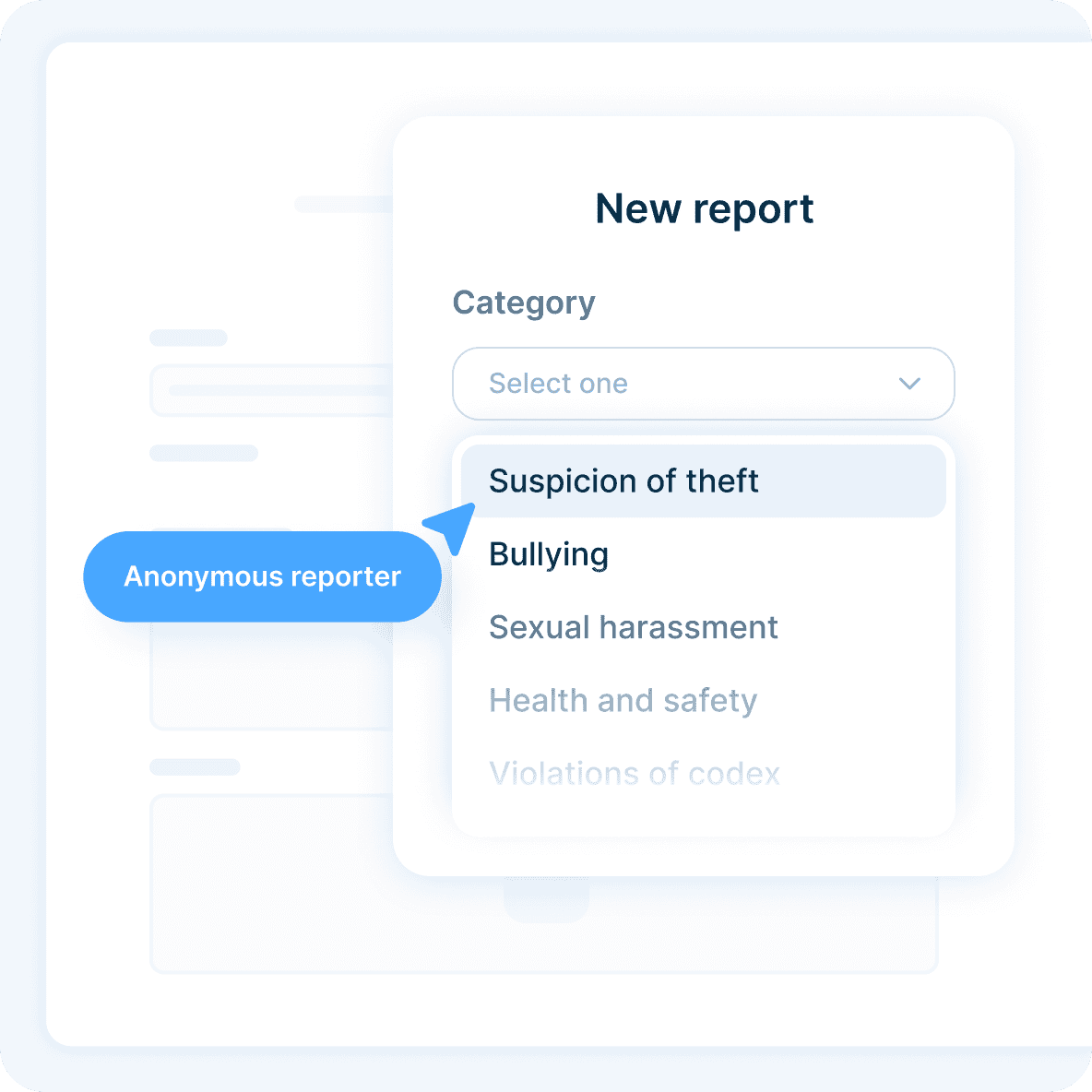
Give staff multiple secure channels to report their concerns, complete with an anonymous two-way chat.

Mobile-First Accessibility

No IP storage, no device IDs, encrypted submissions

Customizable forms, categories, routing rules, and more
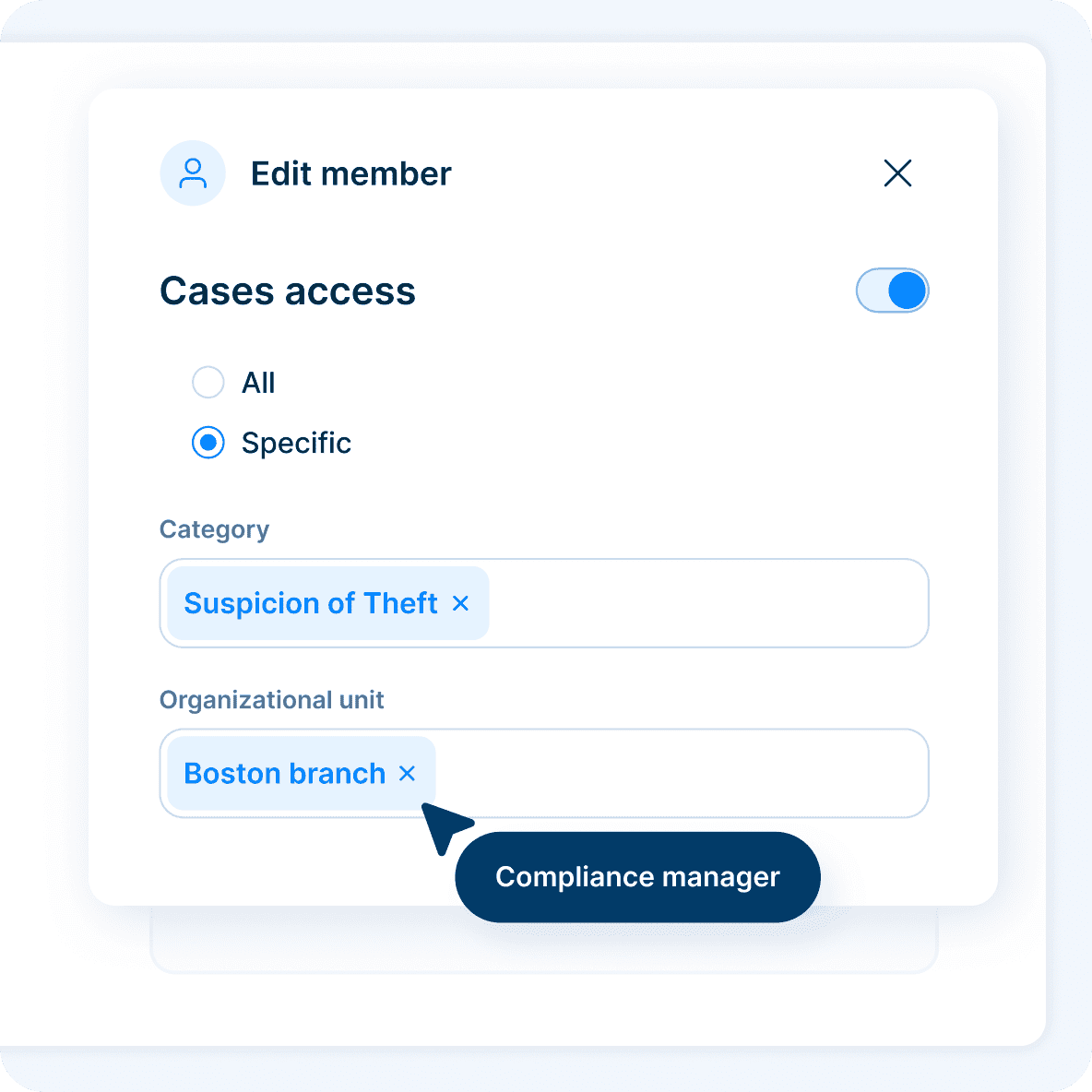
Create an easily verifiable audit trail through a customizable case management system with automatic routing.
Supports multiple locations, subsidiaries, or units

Entity-specific routing and access permissions

Optional notifications via email, Teams, or Slack
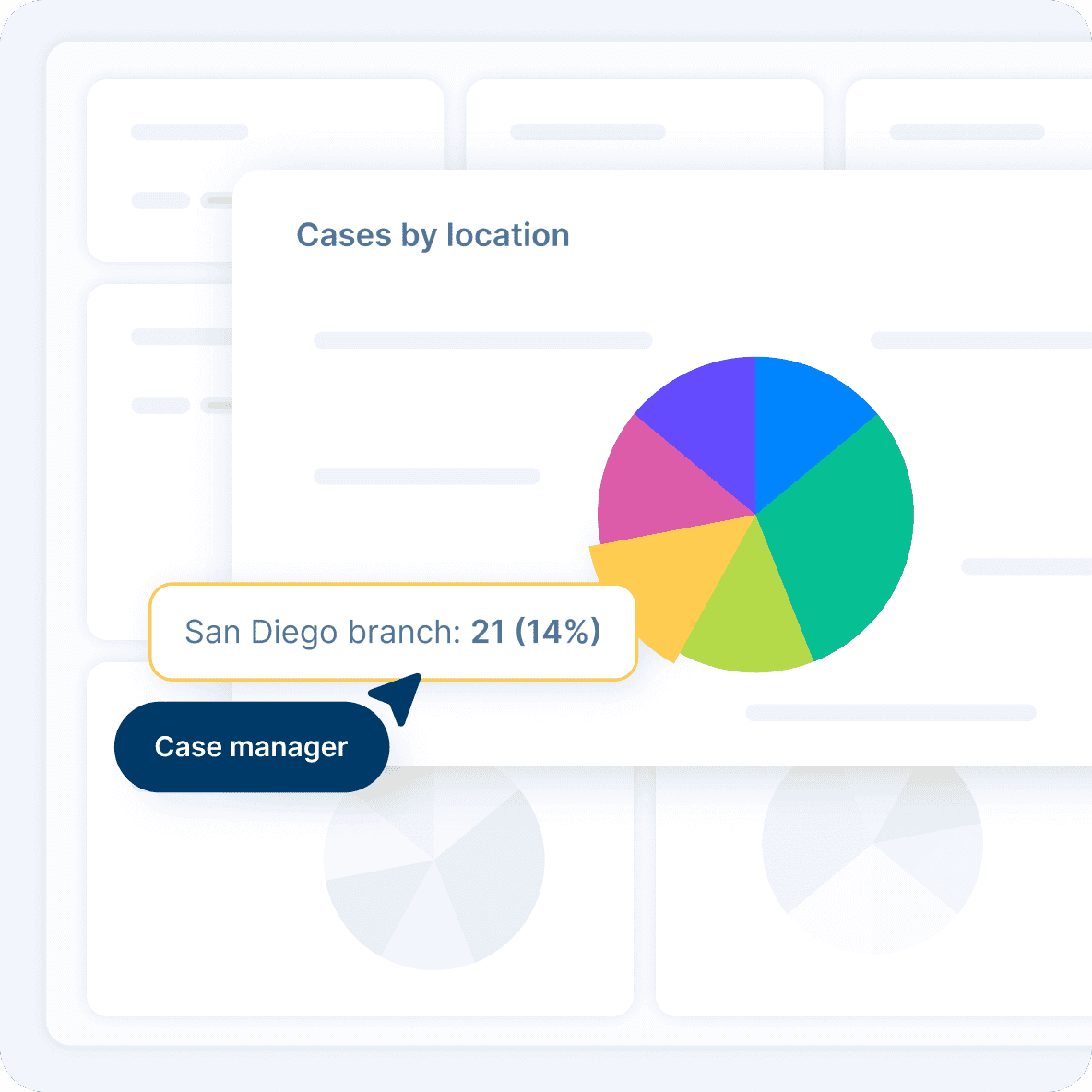
Identify trends, repeated issues, and escalation risks early with customizable visual real-time dashboards.

Filter by category, region, channel, and more

Share without revealing sensitive information

ISO 27001 and SOC 2-certified local servers