What is the EU Whistleblowing Directive?
Legal & Compliance

Helena Jezkova
Marketing Manager
Published
2023-03-08
Reading time
2 min
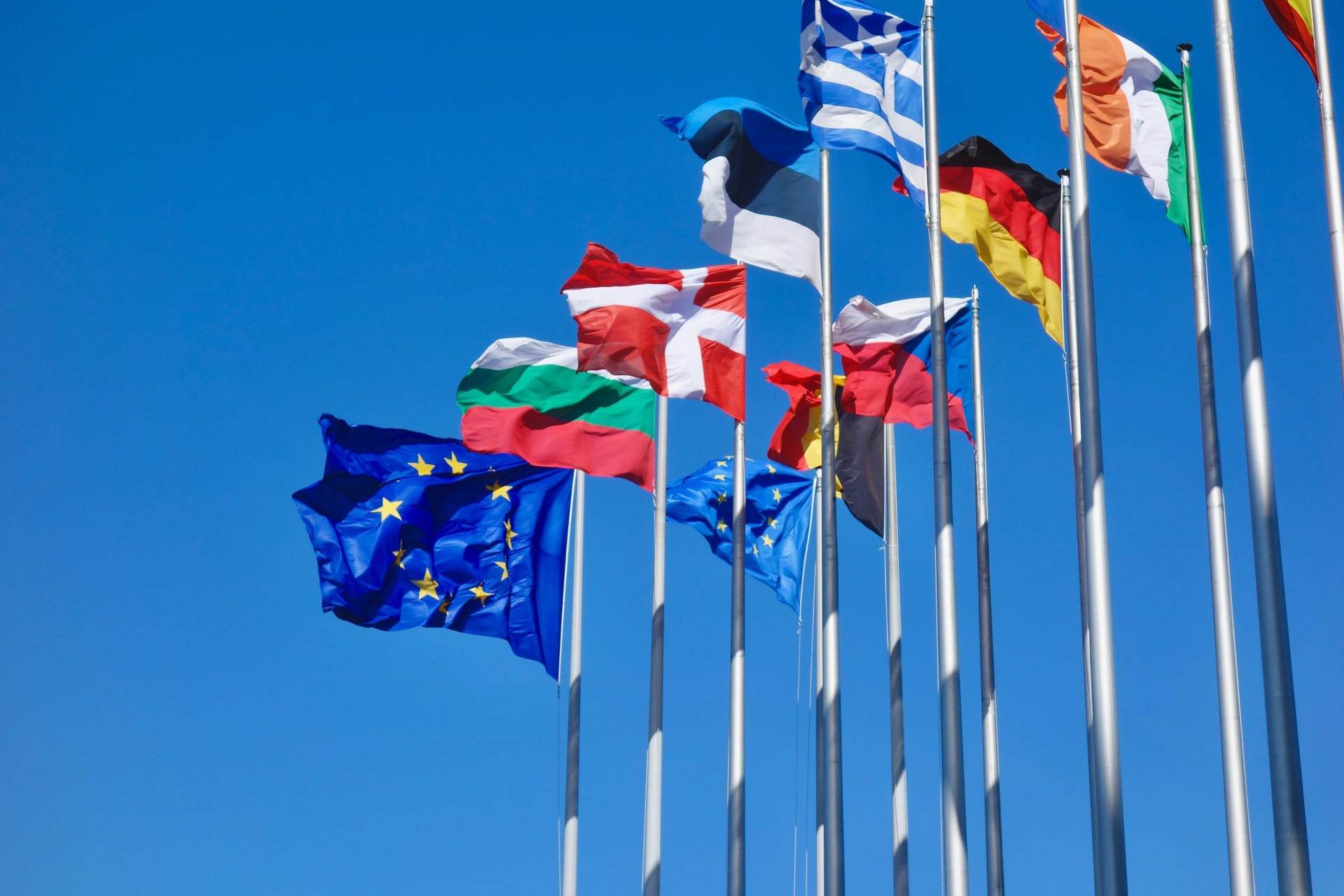

Table of contents
Subscribe to our newsletter

The subject of whistleblowing has been gaining traction in recent years, with both companies and the authorities looking for ways to protect whistleblowers when they speak up about unethical conduct in their workplace.
To that end, the EU introduced its EU Whistleblowing Directive 2019 (also known as EU Directive 2019/1937), which aims to standardise the amount of protection afforded to whistleblowers across member states.
What does the EU Whistleblowing Directive cover?
Under the Directive, organizations must:
- Provide an internal whistleblowing channel (like FaceUp 🙂!)
- Educate employees and other stakeholders about whistleblowing options
- Protect whistleblowers who report breaches, and
- Prevent them from retaliation
It’s important to note that this is a directive, not a regulation (like GDPR), which means it is left up to individual member states how they go about applying it. The Whistleblowing Directive acts as a minimum standard of protection for whistleblowers. Countries or individual companies may go even further if they wish.
When does the EU Whistleblowing Directive come into effect?
The EU Whistleblowing Directive was adopted on 23 October 2019 and came into force on 16 December 2019, meaning that member states had until 17 December 2021 to transpose it into their national laws, although many missed this deadline.
Organizations with 50-249 workers have until 17 December 2023 to implement internal reporting channels.
Who is protected and who has to comply?
Simply put, the Directive protects anyone who has a ‘work-based relationship’ with an organization. The scope is broad and covers all manner of paid and unpaid workers, from full-time employees to freelancers, suppliers and subcontractors.
The Directive applies to all companies with more than 50 employees or with an annual turnover or assets totalling more than 10 million EUR. It also applies to local authorities which serve more than 10,000 people.
How FaceUp can help your company comply with the EU Whistleblowing Directive
Complying with the Directive may seem confusing and overwhelming. Fortunately, FaceUp has you covered. By using our whistleblowing platform, you can be assured that you are complying with the Directive’s stipulations through our anonymous and secure internal reporting channel, with the option of appointing an impartial assignee to receive and investigate reports.
Check out all the FaceUp features which help you comply with the Whistleblowing Directive.
Do you need advice on how to effectively introduce a whistleblowing system?

Keep Reading
Alaa El-Shaarawi2026-10-028 min
UAE whistleblowing: The biggest programs are being built where no law requires them
Legal & Compliance
Alaa El-Shaarawi2026-09-249 min
EU AI Act Whistleblowing: What Changed on August 2, 2026
Legal & Compliance
Alaa El-Shaarawi2026-09-095 min
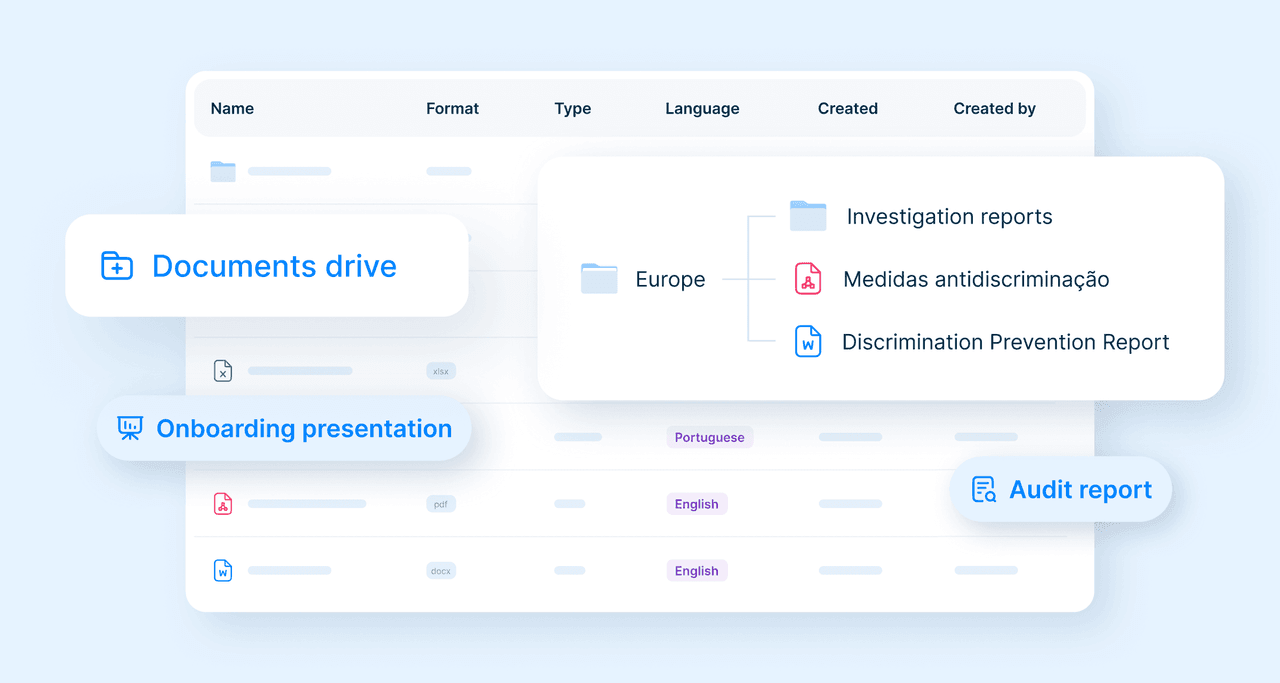
Introducing Documents: Your Own Compliance Library in FaceUp
Legal & Compliance
Mary Shirley2026-07-285 min
Three Warning Signs Your Speak-Up Program Needs an Upgrade, and What to Do About It
Workplace Environment