

Whistleblowing | Workplace Compliance
A U.S. federal law that established rules for distributing funds to maintain and improve vital highway infrastructure, regulate transportation safety, and protect commercial vehicle employees from retaliation when reporting employer noncompliance.
 Region: USA/
 Sector: Private/
 Effective date: 01/06/1983/
 Last regulatory update: 06/27/2012/
 Mandatory:Yes/
Table of contents
The Surface Transportation Assistance Act (STAA) is a U.S. federal law designed to improve highway infrastructure by funding the construction and maintenance of high-traffic roadways and other vital interstate routes. It also set new standards for commercial vehicles, including size, weight, and safety equipment (splash and spray suppressant devices).
The STAA implemented several protections for commercial transportation employees, including long-haul, delivery, and bus drivers. Under the Act, employers cannot suspend, lay off, or otherwise retaliate against employees who refuse to operate vehicles they deem unsafe, report noncompliance with safety standards, or collaborate with investigators.
The U.S. Department of Transportation (DOT) and the Department of Homeland Security (DHS) enforce the safety and security of commercial vehicle operations under the STAA. Meanwhile, the Department of Labor (DOL) and its Occupational Safety and Health Administration (OSHA) oversee investigations into whistleblower retaliation claims.
If an employer violates the whistleblower protections set out in the Surface Transportation Assistance Act, the employer is legally required to reinstate the employee to their former position with full pay and benefits, and to pay any compensatory damages, including back pay. In cases of severe violations, the employer may also be liable for punitive damages of up to $250,000.
Employees may report to the Secretary of Labor within 180 days of the alleged violations, after which an investigation must be conducted within 60 days. If the employer fails to comply with the decision, the Secretary can initiate a civil action to enforce it in court. If the Secretary does not issue a decision within 210 days, the employee may request a federal “de novo review.”
A de novo review is a new evaluation of a case, without consideration of previous rulings or findings, as if it were being heard for the first time, with new evidence and arguments.
Under the STAA, commercial transport operators must ensure their vehicles are regularly inspected and maintained, and comply with all legal size, weight, and safety requirements. Employers must respect whistleblower protections, not take any retaliatory actions, and assist in investigations to the best of their ability.
Additionally, employers are responsible for ensuring that their employees are properly licensed and medically fit to operate their vehicles. Drivers must undergo regular drug and alcohol testing. While employees are not legally obligated to report employer noncompliance, the STAA encourages reporting and offers full protection to those who do.
The Surface Transportation Assistance Act plays an important role in promoting safe practices in the private transportation sector and improving the quality of key road infrastructure. Its whistleblower protections create a better environment for industry drivers, mechanics, and freight handlers, resulting in fewer accidents and higher overall public safety.
Under the Surface Transportation Assistance Act, a basic web form or a dedicated email inbox simply isn’t enough to securely handle sensitive reports. But with FaceUp, you can take the heavy lifting out of compliance and focus on solving issues, rather than shredding paper.
FaceUp provides fully anonymous reporting via mobile app, hotline, and web portal, along with secure case management that automatically generates required audit trails and compliance documentation in 113+ languages.
This means employees can speak up safely, organizations stay audit-ready, and compliance with PSIA regulations is simplified.


Commercial transportation businesses

FaceUp is an anonymous reporting and compliance platform designed to help businesses meet whistleblowing regulations worldwide, including those in the US, EU, UK, and UAE.
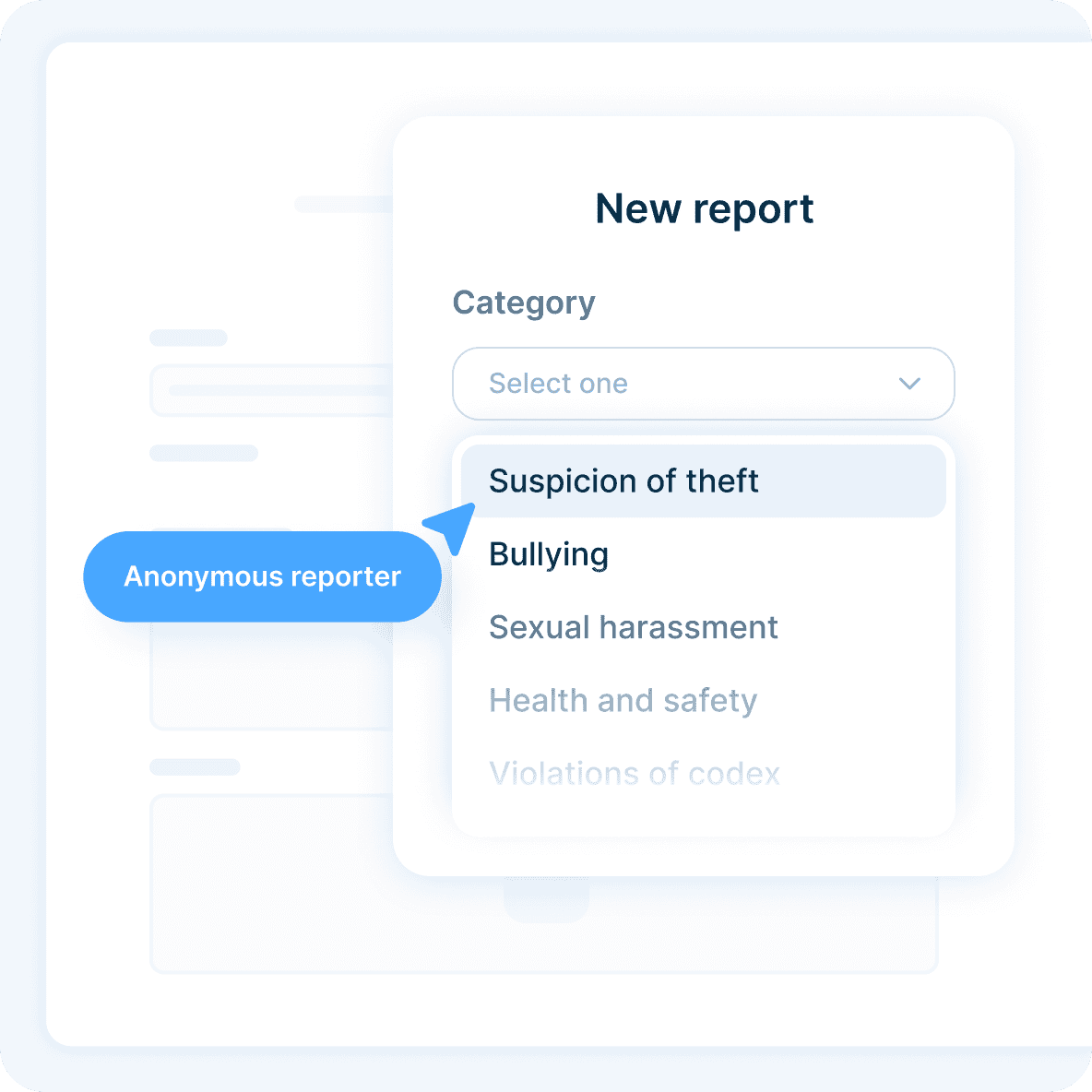
Give staff multiple secure channels to report their concerns, complete with an anonymous two-way chat.

Mobile-First Accessibility

No IP storage, no device IDs, encrypted submissions

Customizable forms, categories, routing rules, and more
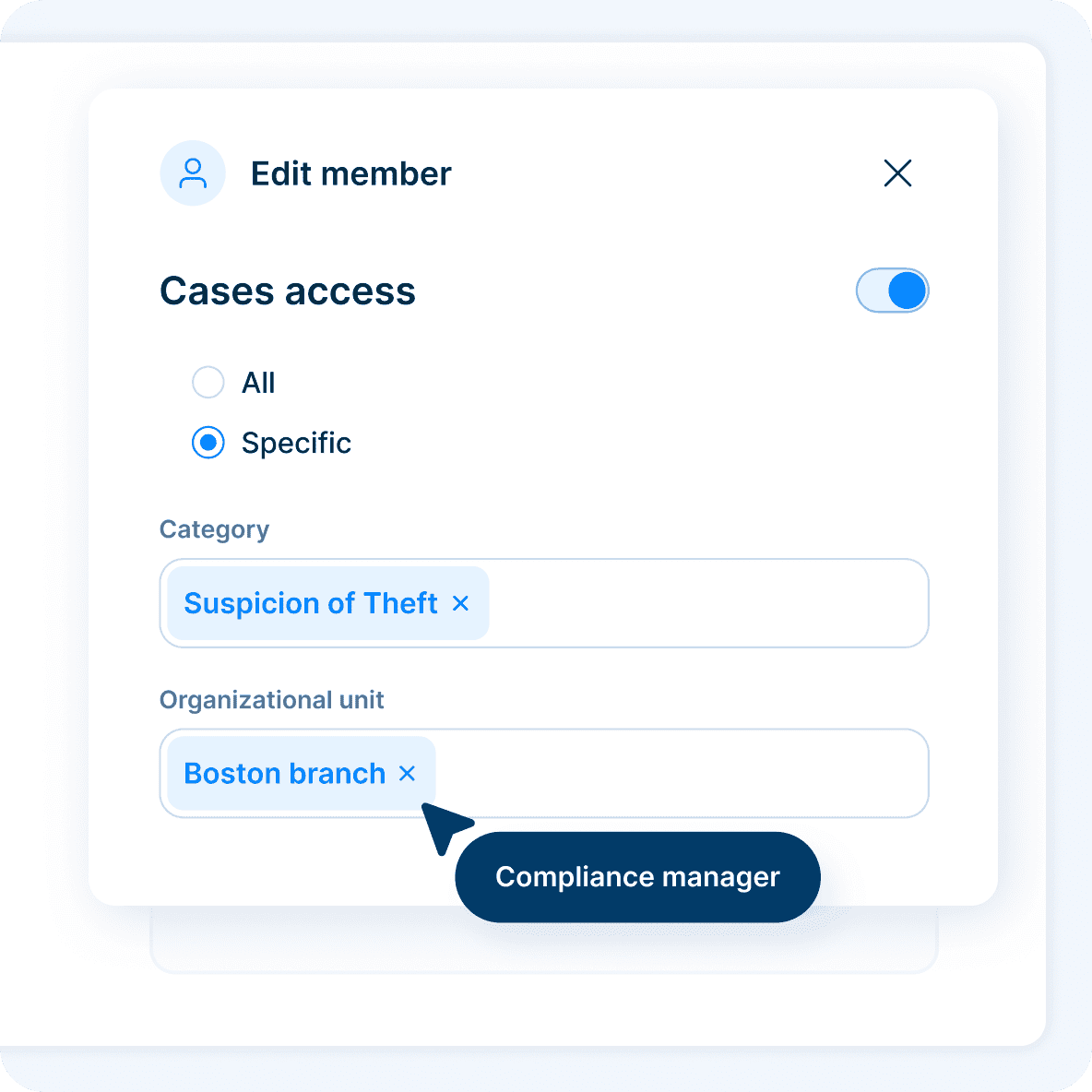
Create an easily verifiable audit trail through a customizable case management system with automatic routing.
Supports multiple locations, subsidiaries, or units

Entity-specific routing and access permissions

Optional notifications via email, Teams, or Slack
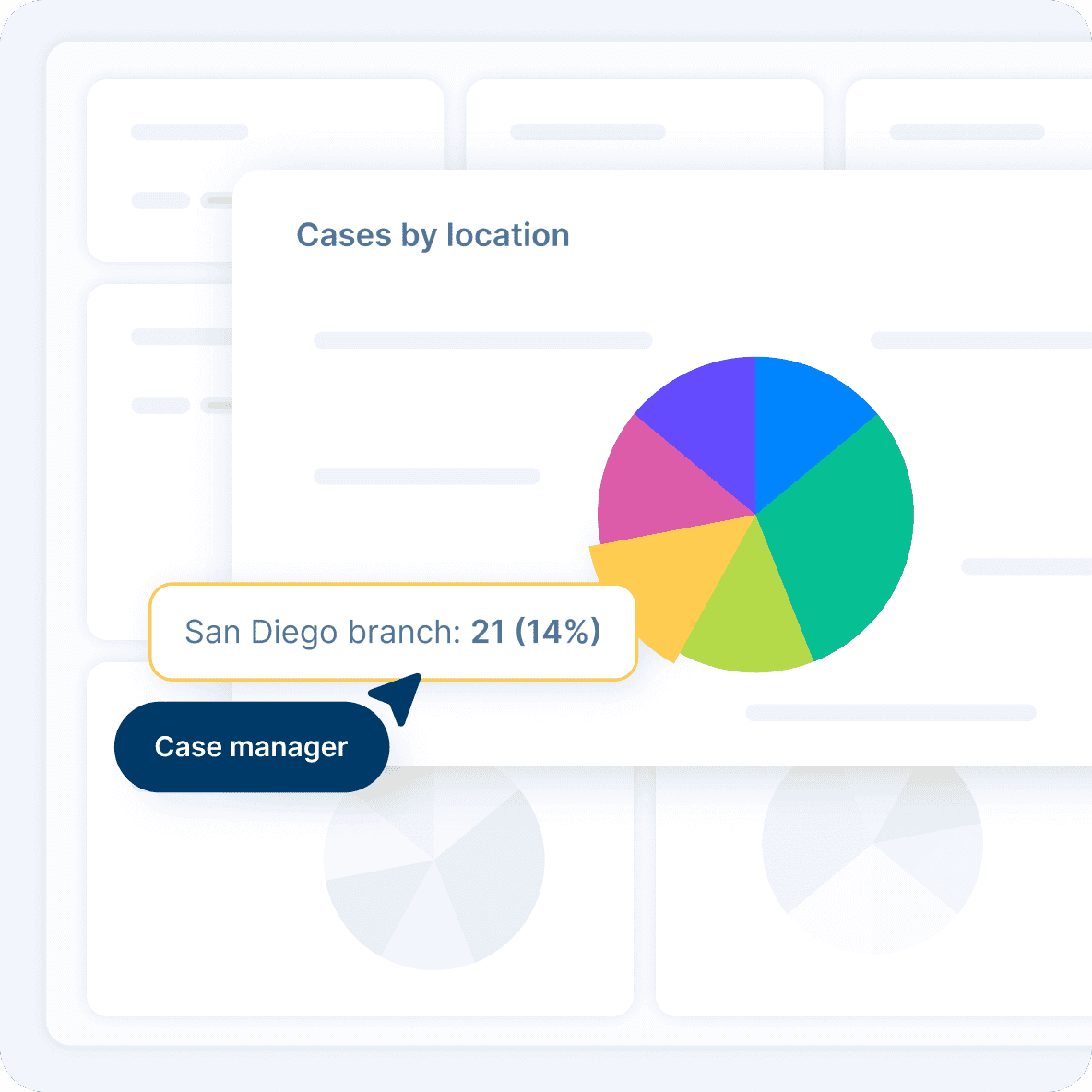
Identify trends, repeated issues, and escalation risks early with customizable visual real-time dashboards.

Filter by category, region, channel, and more

Share without revealing sensitive information

ISO 27001 and SOC 2-certified local servers