

Whistleblowing | Workplace Compliance | Employee Relations
A Chilean workplace regulation focused on preventing, addressing, and sanctioning workplace misconduct, including sexual harassment and violence. It requires employers to implement structured internal processes for reporting, investigating, and responding to these incidents.
 Region: Chile/
 Sector: Public & Private/
 Effective date: 08/01/2024/
 Last regulatory update: N/A/
 Mandatory:Yes/
Table of contents
Law No. 21.643, dubbed the Karin Law, is a workplace regulation that amends Chile’s Labor Code to strengthen employee protections against workplace misconduct, including sexual harassment and violence. The law is named in honor of Karin Salgado, a public servant who died by suicide in 2019, after being the victim of workplace harassment.
Ms. Salgado’s case brought national attention to the impact of workplace harassment and the need for stronger legal protections for employees. The Karin Law highlights the psychosocial factors in misconduct and imposes stricter obligations on employers, requiring them to shift from reactive complaint handling to a more structured, preventive approach.
These requirements specifically focus on implementing internal reporting channels, investigation procedures, and employee protections, with the primary objective of ensuring that organizations actively prevent misconduct and respond to cases appropriately and in a timely manner.
The Chilean Labor Directorate (Dirección del Trabajo) is responsible for overseeing the Karin Law, conducting inspections, reviewing employer practices, and enforcing regulations. Labor courts handle disputes and impose sanctions in cases of non-compliance or misconduct.
For official implementation guidance, the Undersecretariat of Social Security (Subsecretaría de Previsión Social) provides resources and direction on how the law should be applied in practice.
The Karin Law does not define a single fixed penalty. Instead, sanctions are applied under Chile’s labor framework and depend on the severity of the violation. In serious cases, failure to address complaints or protect employees may lead to significant legal and financial exposure.
Possible penalties under the Karin Law may include:
The Karin Law requires employers to implement clear, formal, and time-bound procedures for handling workplace harassment and violence. This includes not only having policies in place but also ensuring that every report is handled consistently, documented properly, and resolved within defined timeframes.
Key Requirements of Karin Law | |
Internal Policies | Written protocols addressing workplace harassment, sexual harassment, and violence. |
Reporting Channels | Accessible and confidential mechanisms for employees to report concerns. |
Investigation Procedures | Formal process with defined steps, including intake, investigation, and resolution. |
Designated Investigator | Employers must appoint a responsible person to manage and investigate each complaint. |
Required Timelines | Complaints must be addressed promptly; investigations are typically expected to be completed within around 30 business days in practice. |
Confidentiality | Protection of the identity and sensitive information of all parties involved. |
Non-Retaliation | Safeguards to protect individuals who report misconduct or participate in investigations. |
Preventive Measures | Actions to reduce risks, including policy enforcement and workplace assessments |
Training & Awareness | Employee education on workplace behavior, rights, and reporting processes. |
Documentation | Detailed records of complaints, investigations, and outcomes. |
Fair Process | Impartial handling of cases, ensuring due process for all parties. |
A critical aspect of the Karin Law is that employers must actively manage the process, rather than merely provide a reporting channel. Each case must follow a structured workflow from submission to resolution, and be sufficiently documented to showcase compliance.
The Karin Law represents a major shift in how workplace misconduct is handled in Chile, moving organizations toward proactive risk management by requiring them to identify and address issues early. Beyond aligning Chile with broader global trends, the Karin Law helps protect employees from harm, ensure consistent case handling, and reduce legal risk.
The Karin Law represents a major shift in how workplace misconduct is handled in Chile, moving organizations toward proactive risk management by requiring them to identify and address issues early, rather than react following an escalation.
The Karin Law requires organizations to manage reports through structured, confidential, and well-documented processes. FaceUp helps you meet these expectations by giving you a secure, centralized system for reporting and case management.
Employees can submit concerns anonymously through web, mobile, or hotline channels, ensuring accessibility and confidentiality. Once a report is submitted, you can manage the entire process from intake to resolution in one place. Every action is recorded, time-stamped, and traceable, helping you maintain audit-ready documentation and showcase compliance.
With clear workflows, controlled access, and complete case records, you can respond faster, reduce risk, and ensure compliance with legal requirements.


All employers in Chile, including obligations toward contracted and temporary workers.

Defined under Chilean labor law, depending on severity, it may include financial penalties, legal liability, and corrective measures.
FaceUp is an anonymous reporting and compliance platform designed to help businesses meet whistleblowing regulations worldwide, including those in the US, EU, UK, and UAE.
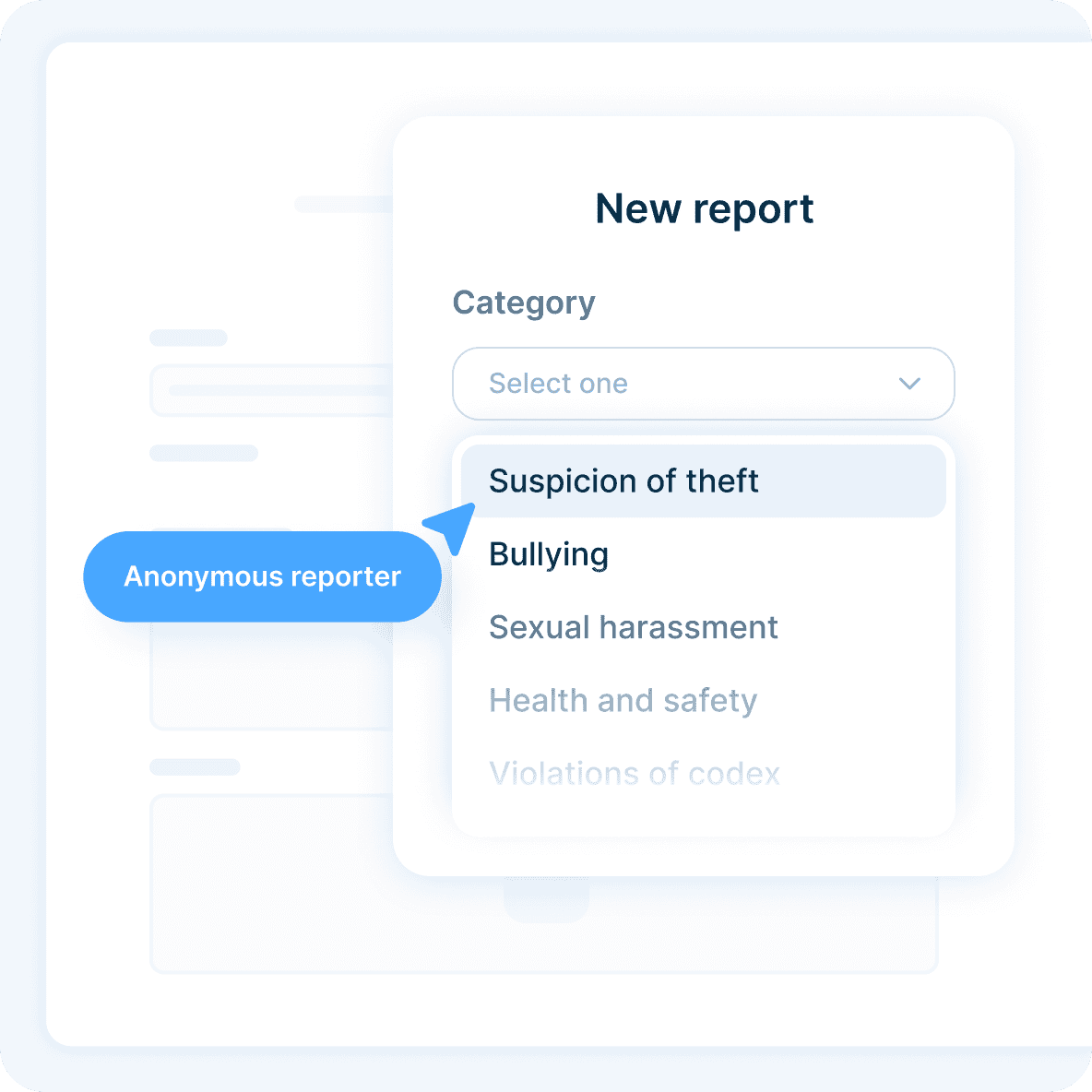
Give staff multiple secure channels to report their concerns, complete with an anonymous two-way chat.

Mobile-First Accessibility

No IP storage, no device IDs, encrypted submissions

Customizable forms, categories, routing rules, and more
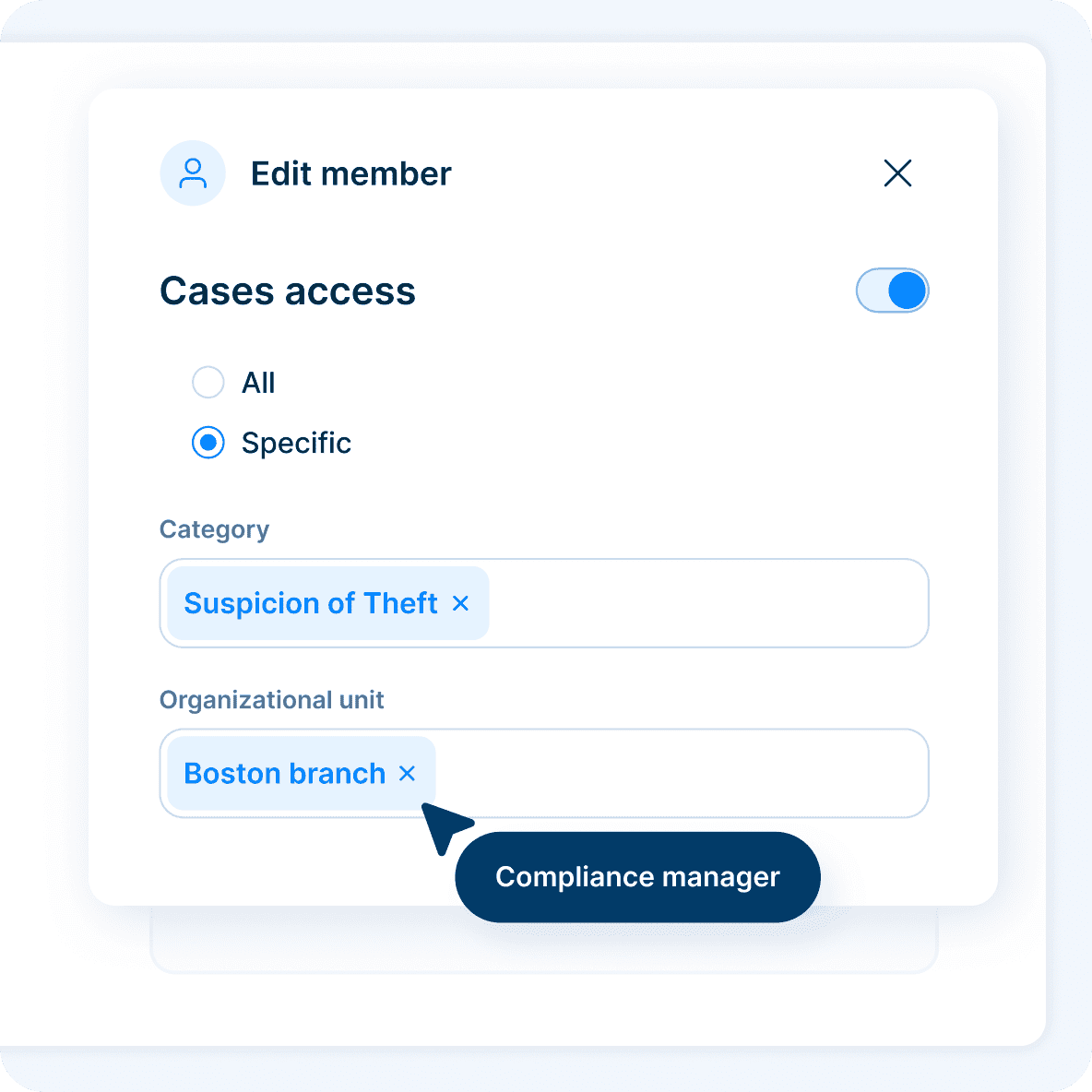
Create an easily verifiable audit trail through a customizable case management system with automatic routing.
Supports multiple locations, subsidiaries, or units

Entity-specific routing and access permissions

Optional notifications via email, Teams, or Slack
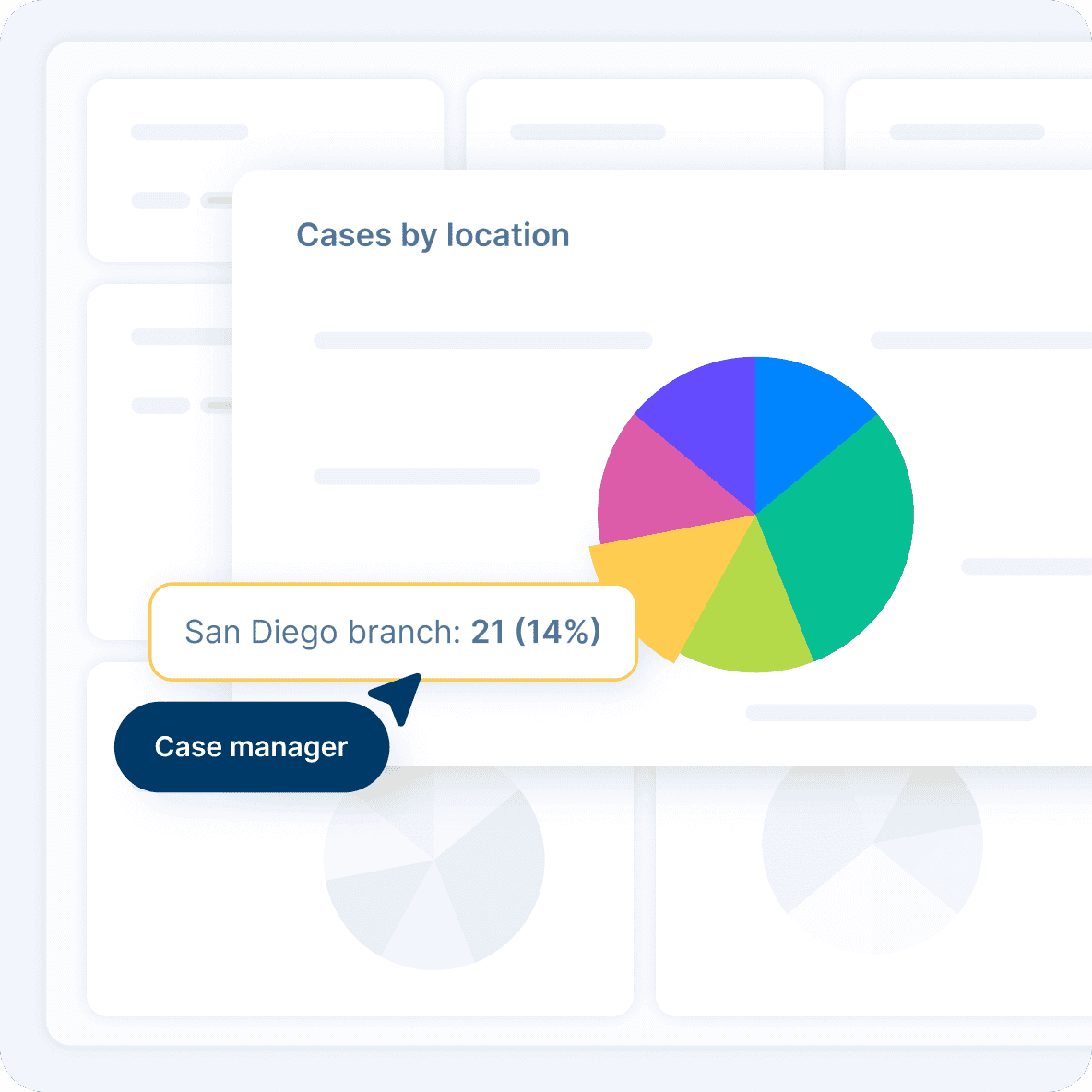
Identify trends, repeated issues, and escalation risks early with customizable visual real-time dashboards.

Filter by category, region, channel, and more

Share without revealing sensitive information

ISO 27001 and SOC 2-certified local servers