

Whistleblowing | Workplace Compliance | Employee Relations
An EU directive that standardizes whistleblowing processes and anti-retaliation protections across member states. It establishes an obligatory, minimum-requirements framework for protecting whistleblowers and empowering good-faith reporting in the EU.
 Region: EU/
 Sector: Public & Private/
 Effective date: 12/16/2019/
 Last regulatory update: N/A/
 Mandatory:Yes/
Table of contents
The European Whistleblower Directive 2019/1937 is a piece of EU legislation that establishes a unified, minimum-requirements framework for handling protected disclosures and enforcing whistleblower anti-retaliation protections across the European Union. Individual EU member states were required to transpose the Directive’s provisions by 12/17/2021.
By mid-2024, the implementation process was successfully finalized across all 27 member states, resulting in local regulatory equivalents, such as the French Loi Sapin II, the German Hinweisgeberschutzgesetz, and others.
The Directive’s purpose is to promote accountability and transparency while combating misconduct across a wide range of sectors, including public procurement, financial services, environmental protection, public health, and more. It applies to all private businesses with 50+ employees, and all public offices/municipalities with 50+ employees, or 10,000+ inhabitants.
The European Commission oversees the implementation and compliance of the Whistleblower Directive across member states. Meanwhile, the Court of Justice of the European Union (CJEU) is responsible for enforcement, including imposing financial penalties for late transposition or non-compliance with the core framework.
It is up to each country’s national authority to assign responsibility, stay compliant with the Directive, and implement specific penalties, requirements, and procedures. For example, the responsible body in France is the Agence Française Anticorruption (AFA), and in Germany, the Federal Office of Justice (Bundesamt für Justiz).
While the European Whistleblower Directive specifies which acts constitute misconduct and unjustified retaliation, it does not prescribe specific penalties. Instead, it leaves local regulatory authorities to impose “effective, proportional, and dissuasive” administrative and criminal penalties, as well as civil remedies, for individual offenses within their respective contexts.
These may vary significantly in both scope and penalty. In Italy and Germany, retaliating against a reporter or obstructing whistleblowing may cost you up to €50,000 in administrative fines. In France and Belgium, the same offenses are subject to criminal sanctions and may cost you up to 1 year in prison and a €15,000 fine, or up to 3 years in prison and a €6,000 fine, respectively.
Under the EU Whistleblower Directive, individual member states are required to enforce safe whistleblowing processes, ensure that private businesses and public entities operating in their jurisdictions comply, and offer external reporting channels to prevent retaliation. The European Commission also accepts reports when other channels don’t suffice.
Organizations covered by the Directive must offer confidential internal reporting channels, ideally supporting both written and verbal reports to make reporting more accessible, and take immediate steps to prevent retaliation against whistleblowers. Member states must ensure that all reports are promptly investigated and that reporters receive timely updates.
Whistleblower protections extend beyond reporters making good-faith disclosures. They may also apply to facilitators who assist with the reporting process, third parties (partners, parents, colleagues, etc.) who may be negatively affected by retaliation, and legal entities associated with the reporter in any way (owned by, employed by, etc.).
However, for a report to be considered protected, it must concern a breach of applicable EU law and be made in good faith in a work-related context by a current, former, or prospective employee through a recognized internal or external reporting channel. A public disclosure may also qualify, but only if other channels failed or it relates to an imminent public risk.
In long-term investigations, where the whistleblower may face serious harm as a result of retaliation, the Directive offers whistleblowers “interim relief”, such as temporary reinstatement to their former position. At the same time, persons directly mentioned in a report are also afforded “effective remedies” to prevent harm from false disclosures or “vexatious lawsuits”.
The Whistleblower Directive is vital for promoting a culture of integrity and transparency across the EU. By ensuring access to safe reporting channels and protection from retaliation, it encourages individuals to come forward when they witness misconduct or violations of EU law, helping organizations identify and address issues early and create a safer environment for all.
It not only helps combat corruption and fraud but also strengthens public trust in businesses and institutions. At the same time, it supports organizations in complying with international laws and regulations, preventing violations before they escalate into legal or financial risks.
FaceUp provides businesses with confidential multi-channel reporting in 113+ languages and auditable case management to support employee reporting while complying with the European Whistleblower Directive.


Private businesses with 50+ employees,
Public offices with 50+ employees or 10,000+ inhabitants within the municipality

Specific penalties are prescribed by local laws of EU member states, subject to the Directive.
FaceUp is an anonymous reporting and compliance platform designed to help businesses meet whistleblowing regulations worldwide, including those in the US, EU, UK, and UAE.
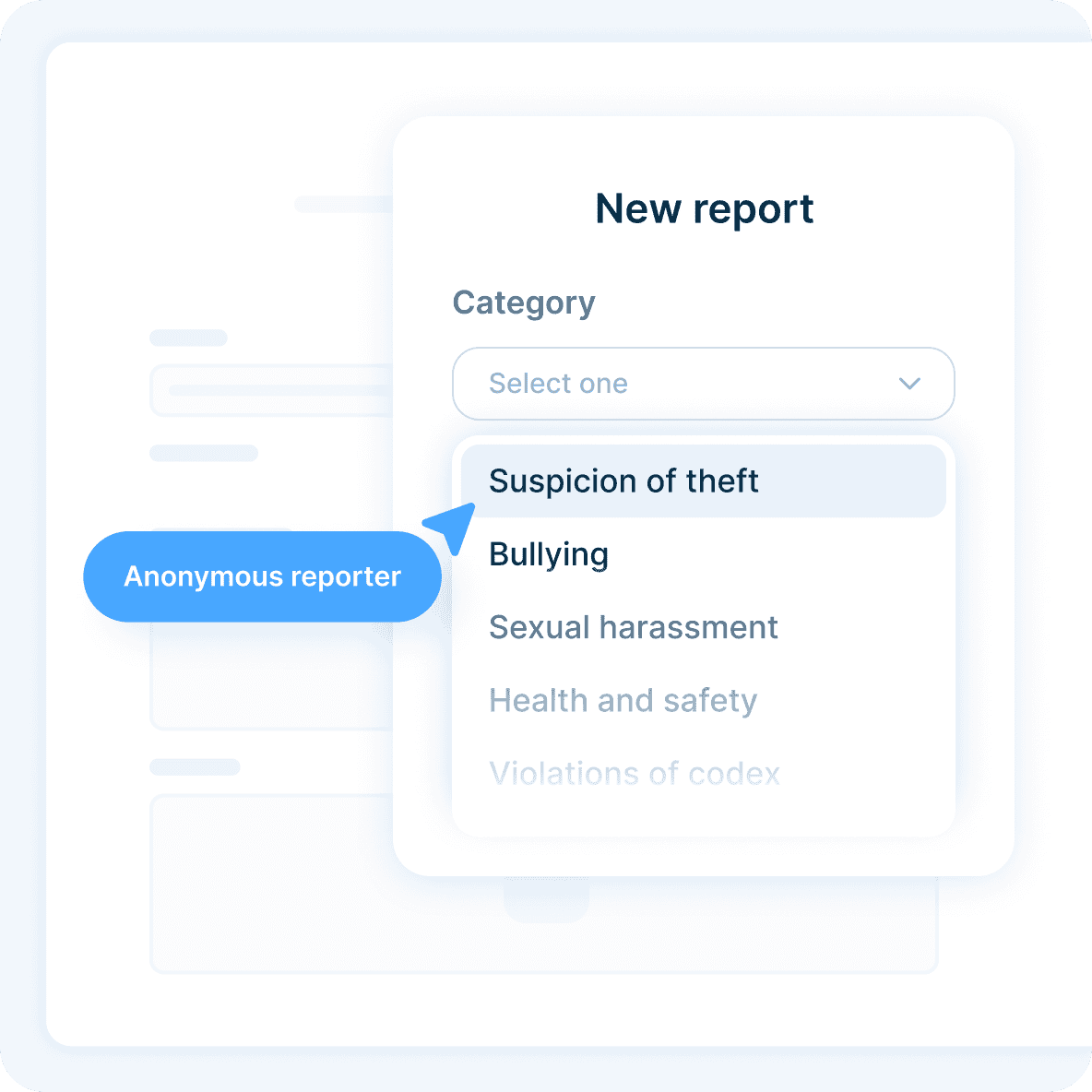
Give staff multiple secure channels to report their concerns, complete with an anonymous two-way chat.

Mobile-First Accessibility

No IP storage, no device IDs, encrypted submissions

Customizable forms, categories, routing rules, and more
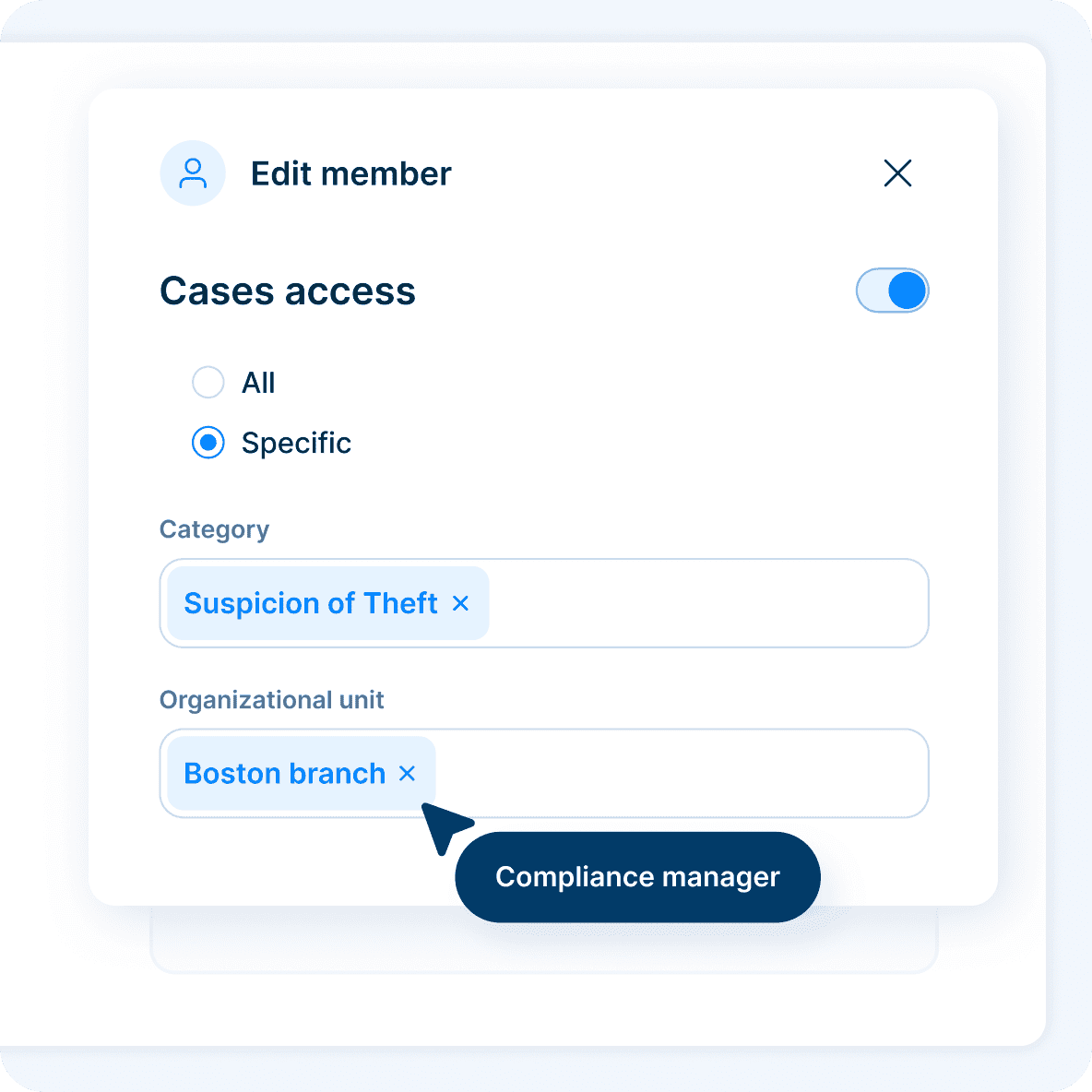
Create an easily verifiable audit trail through a customizable case management system with automatic routing.
Supports multiple locations, subsidiaries, or units

Entity-specific routing and access permissions

Optional notifications via email, Teams, or Slack
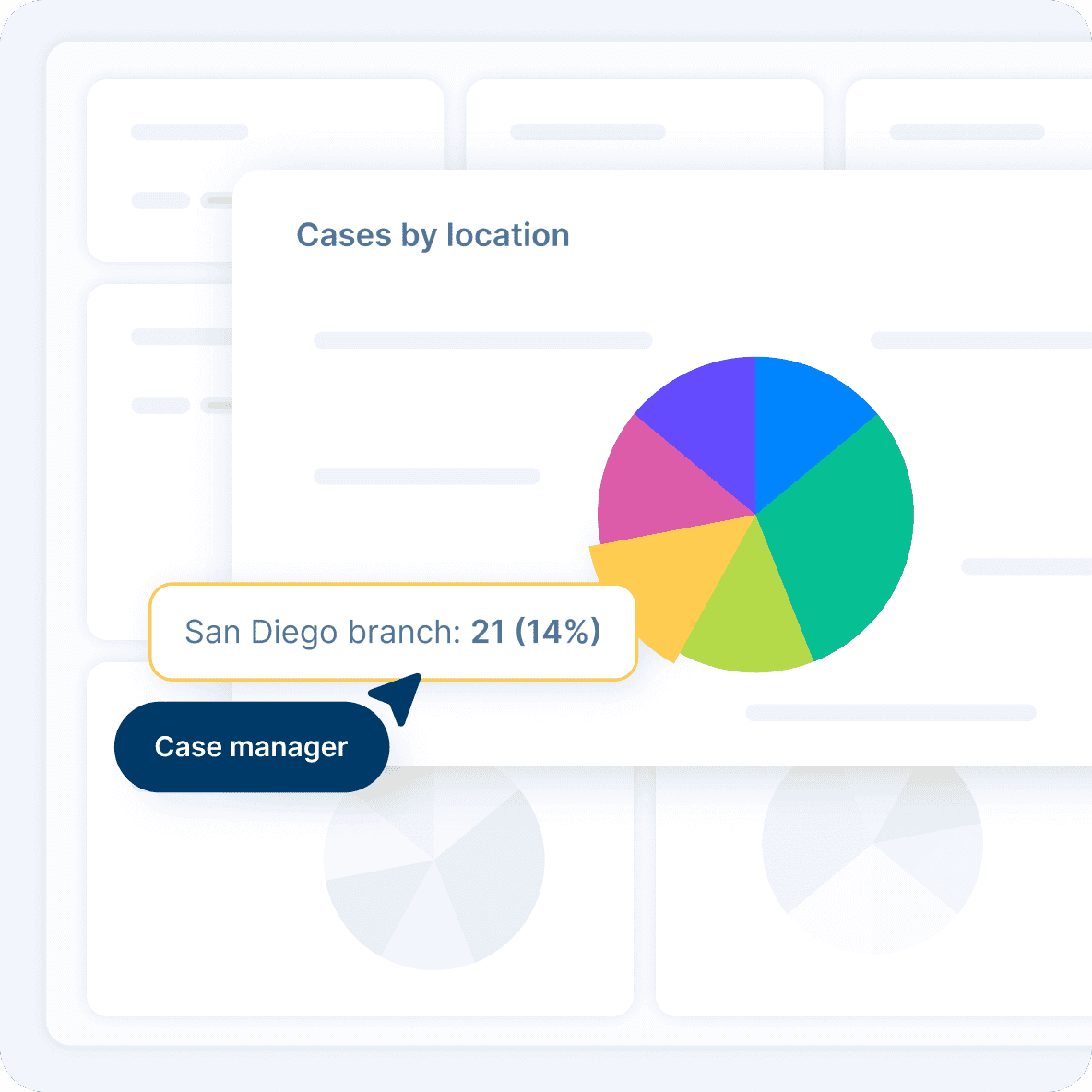
Identify trends, repeated issues, and escalation risks early with customizable visual real-time dashboards.

Filter by category, region, channel, and more

Share without revealing sensitive information

ISO 27001 and SOC 2-certified local servers