

Whistleblowing | Workplace Compliance | Employee Relations
A Canadian federal law that prevents discrimination and harassment based on protected personal characteristics within the federal government and federally regulated sectors. It also protects individuals from retaliation for filing discrimination complaints or assisting investigators.
 Region: Canada/
 Sector: Public/
 Effective date: 3/1/1978/
 Last regulatory update: 8/19/2024/
 Mandatory:Yes/
Table of contents
The Canadian Human Rights Act is a key federal statute that works alongside the Employment Equity Act (EEA) to prevent discrimination and harassment affecting federal employees and members of the public seeking employment, services, and entry into unions. It protects individuals from discrimination based on characteristics such as race, sex, disability, family status, gender identity, and pardoned conviction.
The CHRA expressly covers federal government departments and Crown corporations, as well as federally regulated sectors including banks, transportation, telecommunications, postal services, and First Nations governments. It’s important to note that this law generally does not apply to employees in healthcare, education, and most private businesses, which are typically regulated under provincial human rights legislation.
Two federal organizations oversee and uphold the Canadian Human Rights Act. The first is the Canadian Human Rights Commission (CHRC), whose responsibilities, in a broader legal sense, include promoting human rights and preventing discrimination, monitoring the situation in Canada and submitting reports to Parliament, and reviewing federal legislation and programs.
Wíthin the context of the CHRA, the Commission’s role is to receive and assess complaints, conduct investigations, attempt mediation between the affected parties, and refer cases that cannot be resolved to the Canadian Human Rights Tribunal (CHRT).
The Canadian Human Rights Tribunal is the CHRA’s second key organization. It is responsible for conducting formal, often public, hearings of the referred complaints, evaluating evidence from both parties, and determining whether any discrimination occurred. The Tribunal can order remedies and corrective measures based on its decision, and its rulings are legally enforceable.
If the Canadian Human Rights Tribunal rules in the complainant’s favor, the offending party has to cease its discriminatory practice and implement measures to prevent it in the future. The complainant may be awarded reinstatement, back pay or front pay, reimbursement for expenses incurred due to the discrimination, and damages for pain and suffering of up to $20,000, or up to $40,000 if the discrimination was willful or reckless.
Remedies may be adjusted if the parties reach an agreement through mediation facilitated by the Canadian Human Rights Commission before the case proceeds to the Tribunal.
There are no automatic financial penalties or criminal imprisonment provisions under the Canadian Human Rights Act. However, if the respondent fails to comply with the ruling, the Tribunal can enforce its order through the Federal Court of Canada. Obstruction of or failure to comply with orders issued by the Commission or Tribunal may result in a fine of up to $50,000.
Over the many years the CHRA has been in effect, there have been several notable rulings that can offer practical insight into how the Commission and Tribunal apply the law’s remedies in real-life cases of discrimination and harassment. Notable examples include:
The CHRA requires federally regulated employers, organizations, and service providers to provide equal treatment to all individuals and to ensure that no one is discriminated against on the basis of protected characteristics. These protections apply to access to employment, housing, services, and commercial premises within federal jurisdiction.
Employers must provide equal employment opportunities and may be required to provide reasonable accommodations to employees and applicants with unique needs. This also applies to avoiding exclusionary language in job advertisements and listings, giving equal pay for work of equal value, and not restricting individuals from joining unions on discriminatory grounds.
The only exceptions to this rule are bona fide occupational requirements (BFORs) and bona fide justifications, which may, for example, reasonably require forklift operators to have a certain level of physical ability, provided that accommodating differently-abled individuals would cause undue hardship for the employer.
As mentioned, the Act prohibits harassment or discrimination against individuals who file complaints or assist in investigations related to applicable human rights violations. Reports must be filed with the Canadian Human Rights Commission within 12 months of the alleged violation, via the Commission’s online form or email.
For claims of retaliation specifically, complainants must prove a causal link between their protected activity (such as filing a complaint) and the alleged retaliation through documentary evidence and witness testimony. Additionally, the Commission may expect the employee to exhaust any internal or union grievance process and maintain proof of their attempts.
The CHRC then has 90 days to request additional information or decide whether to accept the complaint and notify the complainant. If it accepts, it will ask the respondent to submit a Response Form within 60 days, to which the complainant must reply within 60 days. The CHRC may then offer voluntary mediation or reconciliation.
A CHRC Commissioner then conducts a full review of the evidence and prepares a Report for Decision, which typically takes approximately 6 months, to which both parties may respond. The Commissioner then needs to decide whether to refer the case to the Tribunal, pursue further mediation, or delay the decision.
Importantly, any party dissatisfied with the CHRC’s decision may apply for judicial review before the Federal Court of Canada. If a case is referred to the Tribunal, it conducts its own evaluation independently, deciding whether discrimination occurred and what penalties would be applicable. However, both parties may settle the matter at any point during the process.
The Canadian Human Rights Act is a foundational piece of federal legislation that protects individuals from discrimination and promotes equal opportunity across Canada. By prohibiting discriminatory practices and providing a formal complaint and enforcement process, the Act ensures that individuals can seek redress when their rights are violated.
The law also encourages organizations to proactively develop fair policies, inclusive workplaces, and accessible services. This helps reduce systemic discrimination and fosters environments where individuals can participate in employment, services, and public life on an equal basis.
Through oversight by the Canadian Human Rights Commission and adjudication of cases by the Canadian Human Rights Tribunal, the Act strengthens accountability and helps ensure that federally regulated institutions respect fundamental human rights principles.
The Canadian Human Rights Act may not specifically ask for internal whistleblowing channels. However, addressing complaints before they escalate to the CHRC can save organizations time and resources, while strengthening trust, transparency, and reputation.
FaceUp provides fully anonymous reporting via a mobile app, hotline, and web portal, along with secure case management that automatically generates required audit trails and compliance documentation in more than 113 languages.
This means employees can speak up safely, organizations stay audit-ready, and compliance with CHRA regulations is simplified.


Federal employees, organizations, and service providers.

FaceUp is an anonymous reporting and compliance platform designed to help businesses meet whistleblowing regulations worldwide, including those in the US, EU, UK, and UAE.
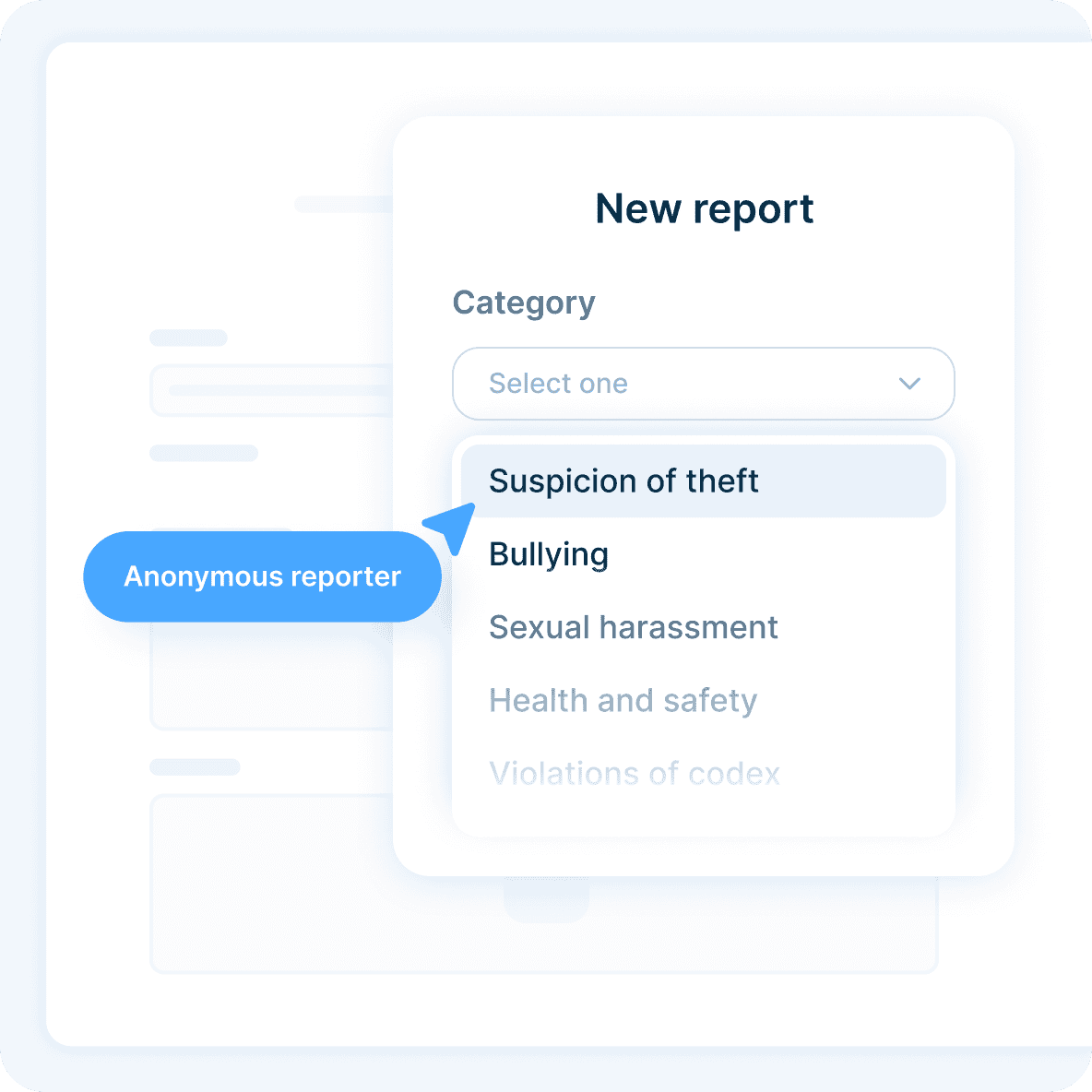
Give staff multiple secure channels to report their concerns, complete with an anonymous two-way chat.

Mobile-First Accessibility

No IP storage, no device IDs, encrypted submissions

Customizable forms, categories, routing rules, and more
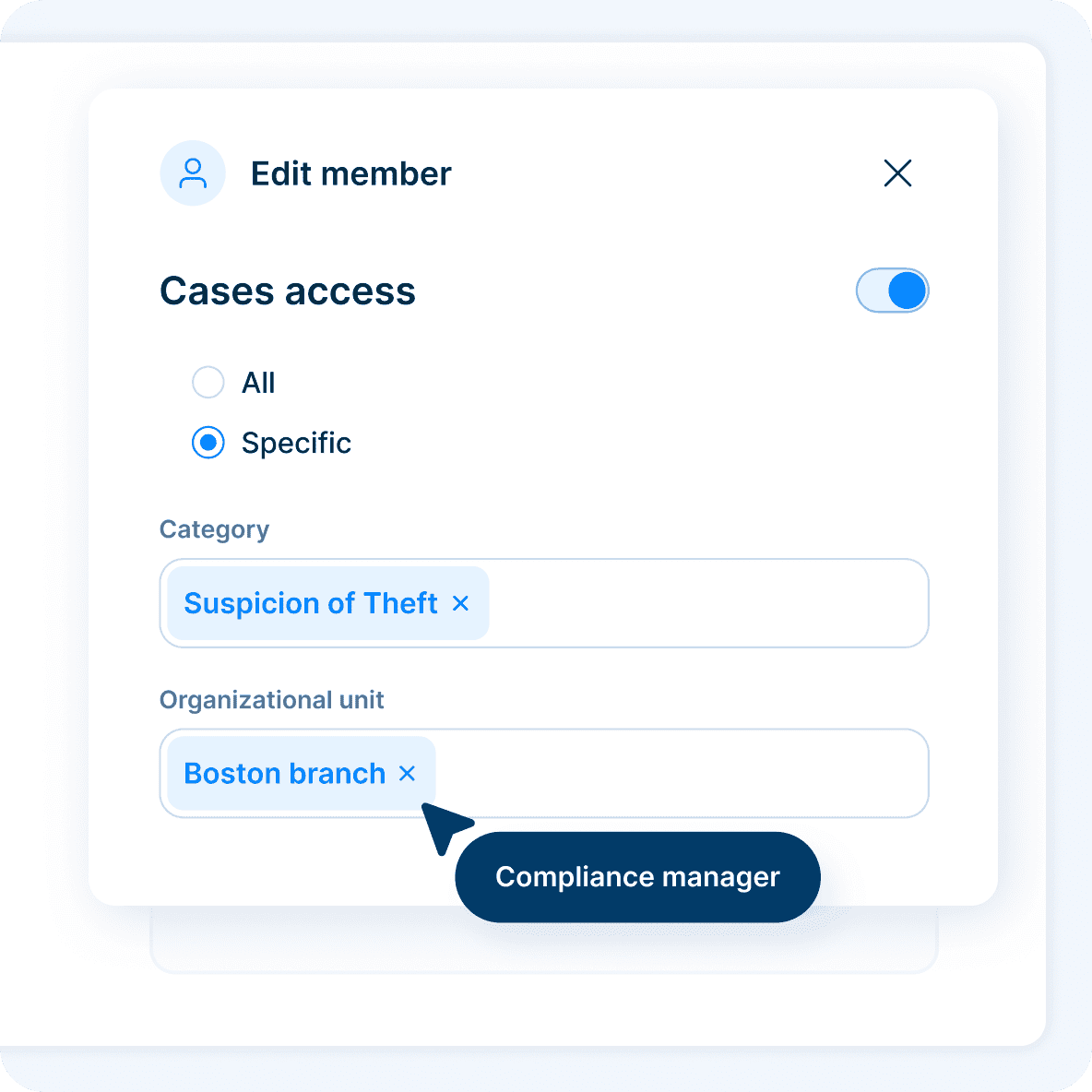
Create an easily verifiable audit trail through a customizable case management system with automatic routing.
Supports multiple locations, subsidiaries, or units

Entity-specific routing and access permissions

Optional notifications via email, Teams, or Slack
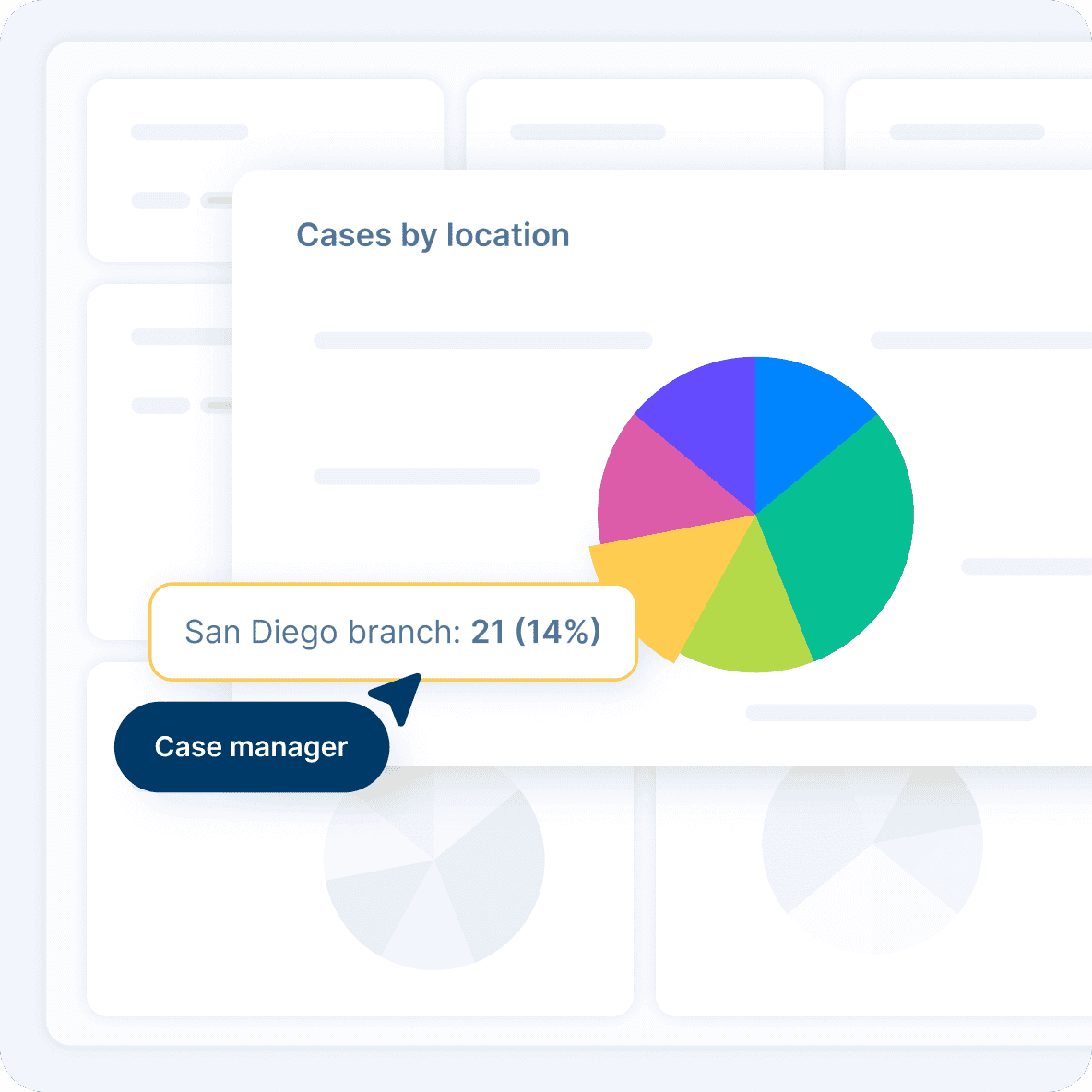
Identify trends, repeated issues, and escalation risks early with customizable visual real-time dashboards.

Filter by category, region, channel, and more

Share without revealing sensitive information

ISO 27001 and SOC 2-certified local servers