

Whistleblowing | Workplace Compliance | Employee Relations
A California workplace safety law requiring employers to implement structured procedures to identify, report, and prevent workplace violence, including verbal threats and physical assault. These requirements include formal reporting mechanisms and incident tracking.
 Region: California, US/
 Sector: Public & Private/
 Effective date: 6/1/2024/
 Last regulatory update: N/A/
 Mandatory:Yes/
Table of contents
Senate Bill 553 amends California’s Labor Code and expands its Injury and Illness Prevention Program (IIPP), making the creation, implementation, and maintenance of a Workplace Violence Prevention Plan (WVPP) a legal obligation for most private and public CA organizations, unless already covered by other workplace violence prevention requirements.
While not a standard whistleblowing law, California SB 553 is designed to proactively reduce workplace violence. It does so by requiring structured internal processes for confidential reporting, preventing retaliation, investigating workplace violence incidents, maintaining detailed incident records, and training employees on prevention and response.
The law differentiates between four types of violence depending on the perpetrator:
The California Division of Occupational Safety and Health Administration (Cal/OSHA) is responsible for overseeing compliance with the Senate Bill 553. It conducts investigations, issues citations for noncompliance, and enforces safety standards.
The California SB 553 does not prescribe penalties specific to reporting processes. However, serious offenses, such as failing to properly implement a WVPP, can carry fines of up to $25,000 per violation, with repeat or willful violations potentially reaching up to $162,000. Penalties are assessed per-site, meaning multi-location employers may face steeper fines.
Under the California Senate Bill 553, private and public employers are required to have a fully implemented, site-specific, and easily accessible Workplace Violence Prevention Plan in place. Additionally, it specifies what the WVPP must include, how incident logging, reporting, and recordkeeping should work, and what employee training is required.
The WVPP must include:
The law also requires employers to record all workplace violence incidents, regardless of whether they resulted in injury. Importantly, logs must not include personally identifiable information to protect employee privacy. These violent incident logs must be evaluated annually or during a post-incident plan review.
Logging and reporting obligations include:
Recordkeeping obligations include:
The California SB 553 represents a regulatory shift from reactive workplace safety to obligatory proactive risk management. By requiring strict reporting and documentation processes, it helps detect risks early, prevent escalation, protect employees from harm and retaliation, and reduce employer exposure to legal and financial risk.
While California Senate Bill 553 does not explicitly require anonymous whistleblowing channels, it does require local organizations to provide employees with access to sufficient reporting mechanisms and retaliation protections.
FaceUp helps employees speak up about workplace violence safely through web forms, iOS/Android mobile apps, and telephone hotlines in 113 languages, making reporting simple and accessible. Combined with automatic report generation and user-friendly case management, the platform makes it easy to capture incidents and maintain auditable records.


Most California employers with +1 employee(s)

Up to $25,000 per serious offense
Up to $162,000 per repeat or willful offense
FaceUp is an anonymous reporting and compliance platform designed to help businesses meet whistleblowing regulations worldwide, including those in the US, EU, UK, and UAE.
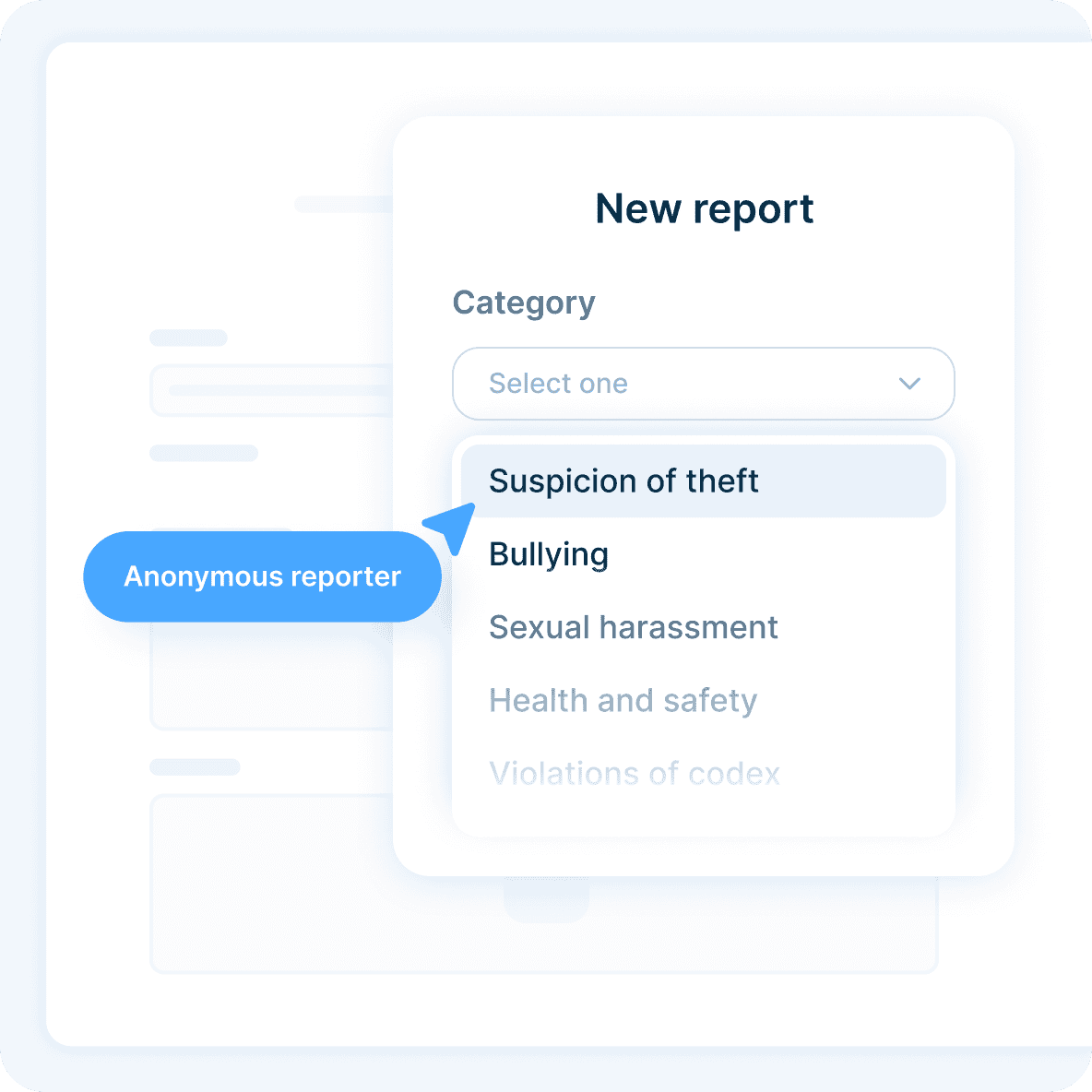
Give staff multiple secure channels to report their concerns, complete with an anonymous two-way chat.

Mobile-First Accessibility

No IP storage, no device IDs, encrypted submissions

Customizable forms, categories, routing rules, and more
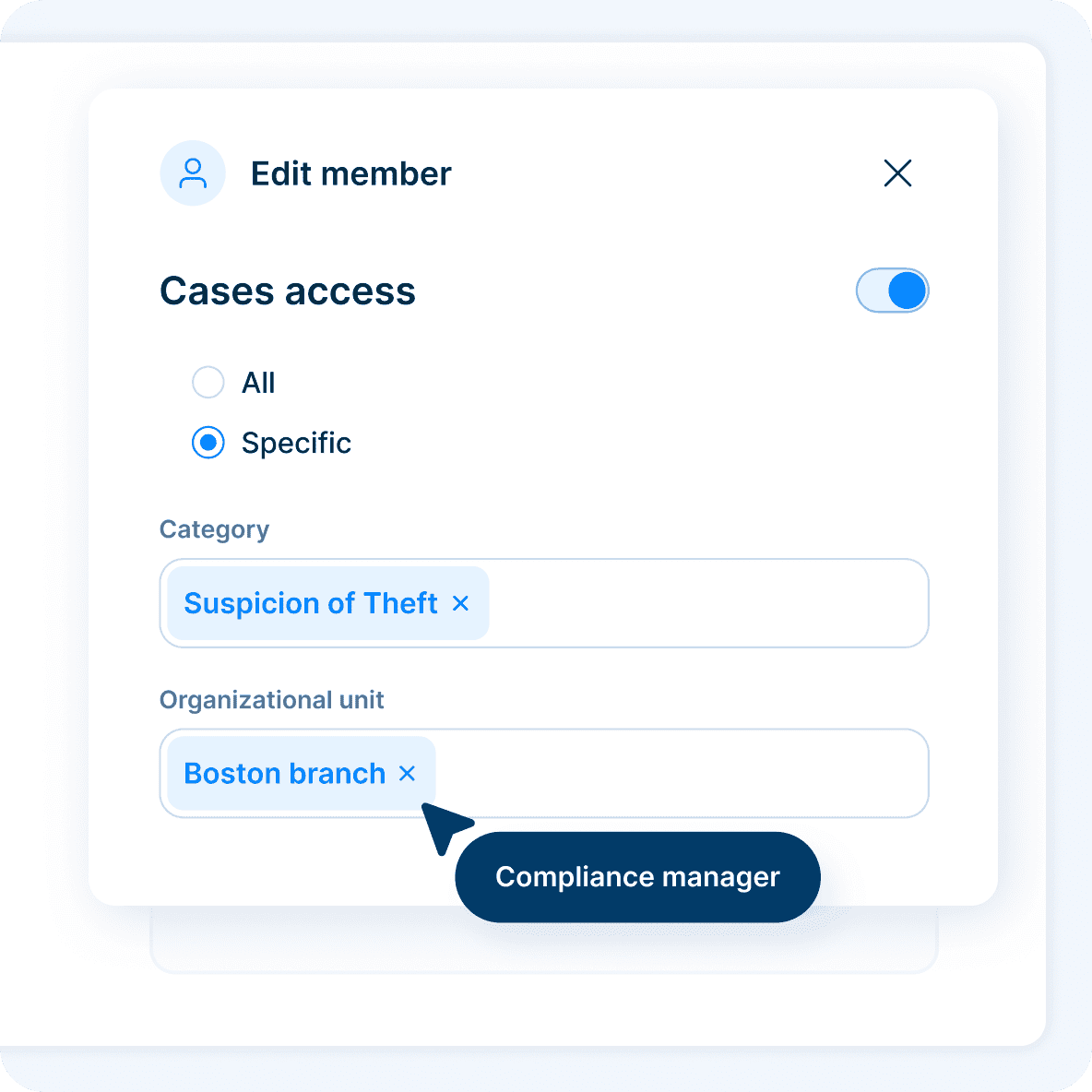
Create an easily verifiable audit trail through a customizable case management system with automatic routing.
Supports multiple locations, subsidiaries, or units

Entity-specific routing and access permissions

Optional notifications via email, Teams, or Slack
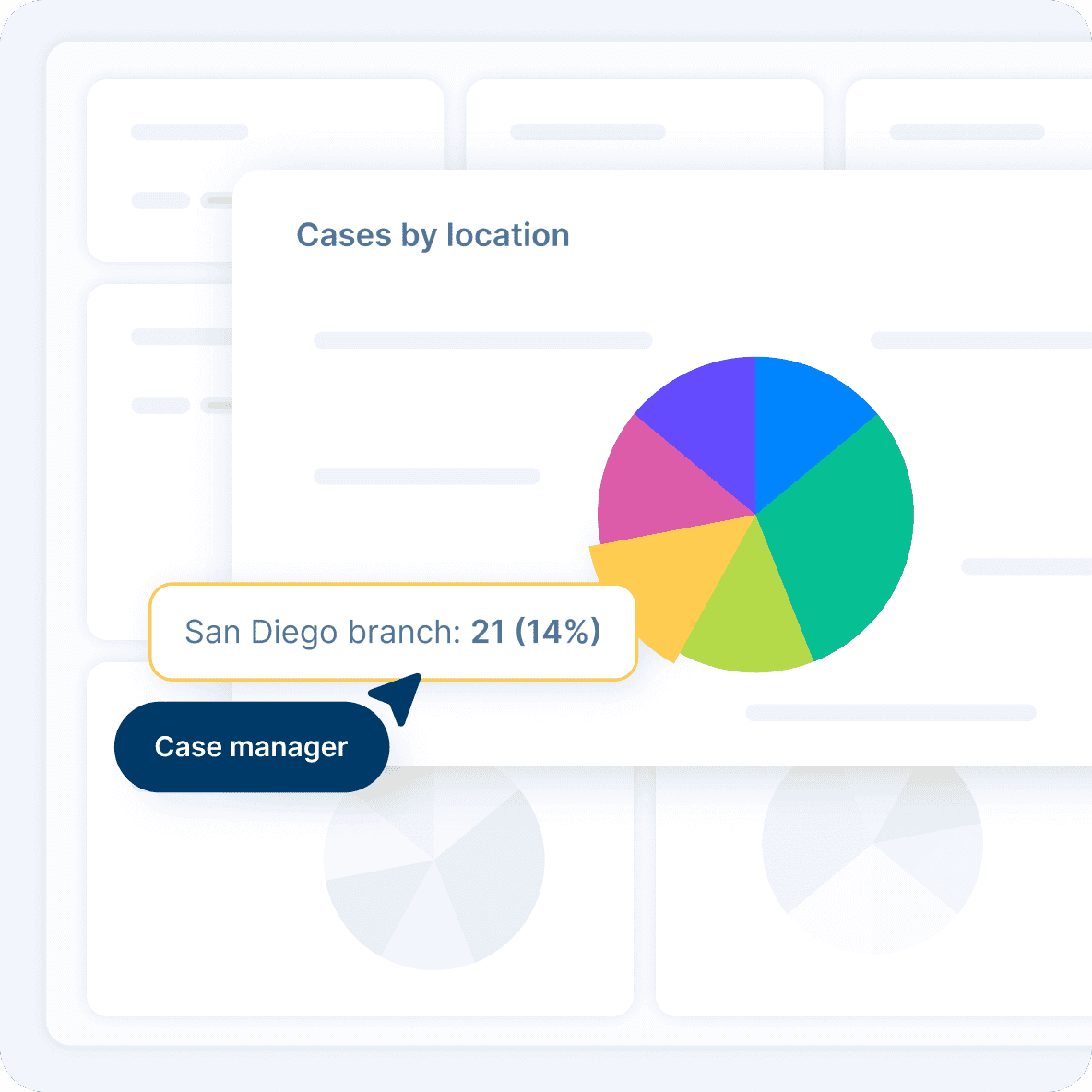
Identify trends, repeated issues, and escalation risks early with customizable visual real-time dashboards.

Filter by category, region, channel, and more

Share without revealing sensitive information

ISO 27001 and SOC 2-certified local servers