Whistleblowing

Alaa El-Shaarawi
Copywriter and Content Manager
Published on
Reading time
5 min

Table of contents
Subscribe to our newsletter

When something feels wrong at work, most employees pause before speaking up.
It’s rarely because they don’t care. More often, they’re unsure what will happen next. Will their identity stay protected? Will leadership take their concerns seriously? Could reporting unethical behavior create consequences for their career or relationships?
This hesitation creates risk for organizations. Problems that stay hidden tend to grow. Safety concerns can turn into workplace incidents. Compliance issues can become regulatory violations. Cultural problems can quietly damage employee trust.
This is why organizations are investing in whistleblower hotlines and confidential reporting systems. These reporting channels give employees a safe way to report concerns while helping organizations detect risk early and take appropriate action.
This guide explains how confidential reporting works, what types of issues employees can report, and how to implement whistleblowing channels that employees genuinely trust.
Confidential reporting gives employees, contractors, students, or third parties a safe way to report workplace concerns while protecting their identity and sensitive information.
A confidential reporting system creates structured reporting channels that allow individuals to report concerns safely. These systems typically include:
Confidential reporting hotlines allow employees to report concerns such as misconduct, fraud, workplace harassment, or safety violations. Many modern whistleblowing platforms allow reporters to remain anonymous while still communicating with investigators.
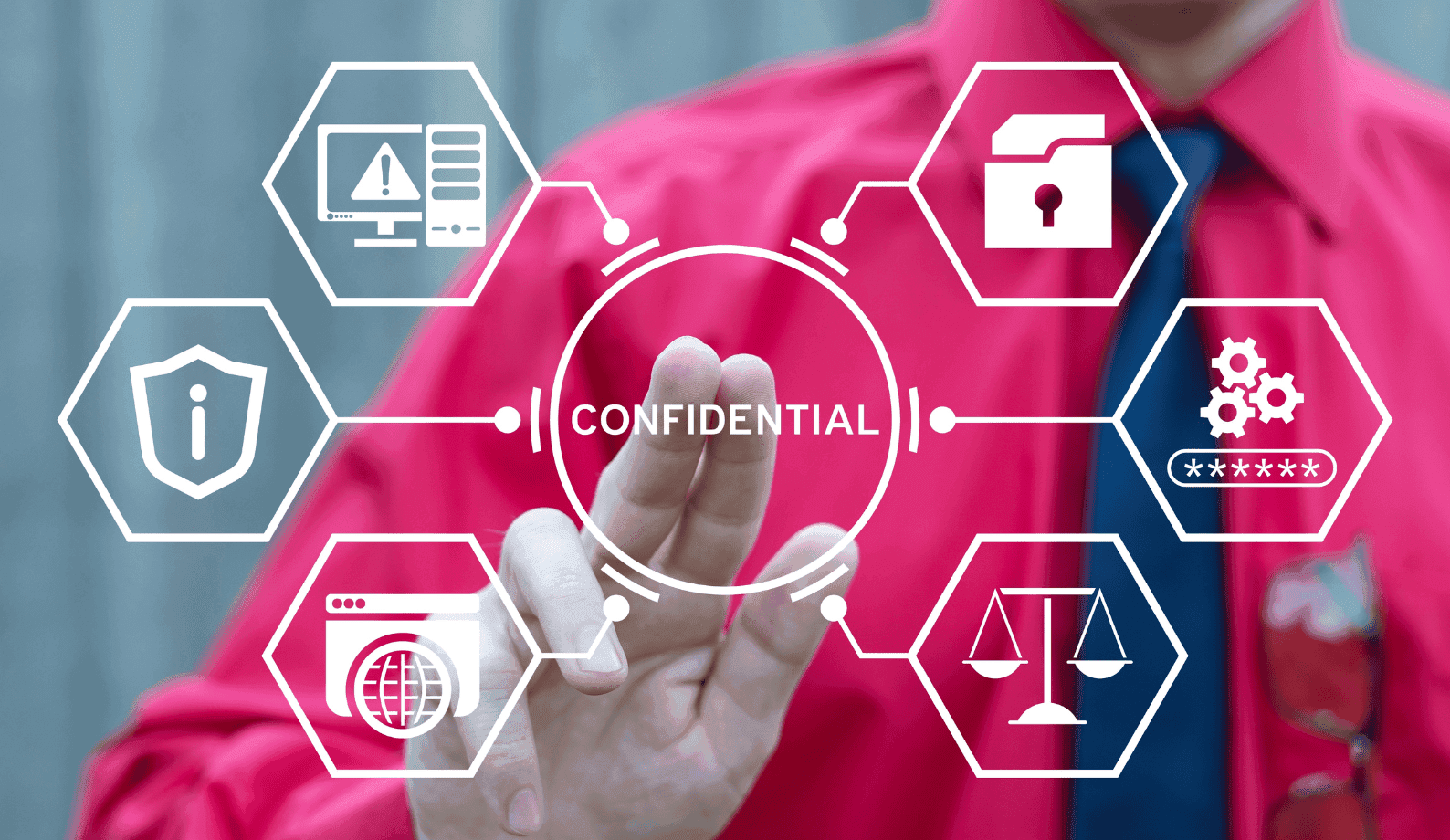
Anonymous reporting helps employees speak up without fear. Legal frameworks also support confidential reporting and whistleblower protection across many industries and regions.
Yes. Anonymous whistleblowing allows employees to submit reports without revealing their identity. Secure reporting platforms use encryption and privacy safeguards to protect sensitive information and whistleblowers’ identities.
Anonymous reporting is especially important when employees are reporting:
Whistleblower protection laws often cover:
Regulations such as the EU Whistleblower Directive and the Public Interest Disclosure Act require organizations to maintain confidential reporting channels and protect individuals who report concerns in good faith.
Employees need clear guidance on what types of issues belong in a confidential reporting system. Clarity helps increase reporting and improves overall risk management.
Employees commonly use whistleblowing channels to report:
Confidential reporting channels also support reporting of:
Incident reporting related to safety is a critical part of confidential reporting systems. Employees may report:
Employees may also report broader cultural or ethical issues such as:
Confidential reporting systems do more than support compliance. They help organizations build safer workplaces and stronger internal cultures.
Confidential reporting helps organizations detect inherent risk before issues escalate. Early reporting helps prevent legal exposure, financial losses, and reputational damage.
Employees are more engaged when they trust reporting channels. A strong speak-up culture encourages feedback, collaboration, and transparency.
Anonymous reporting helps employees report concerns without worrying about career consequences or workplace conflict.
Case management workflows help organizations document incident reporting, track investigations, and maintain fairness and accountability.
Confidential reporting systems help organizations align with whistleblower protection laws and maintain documentation for audits and regulatory reviews.
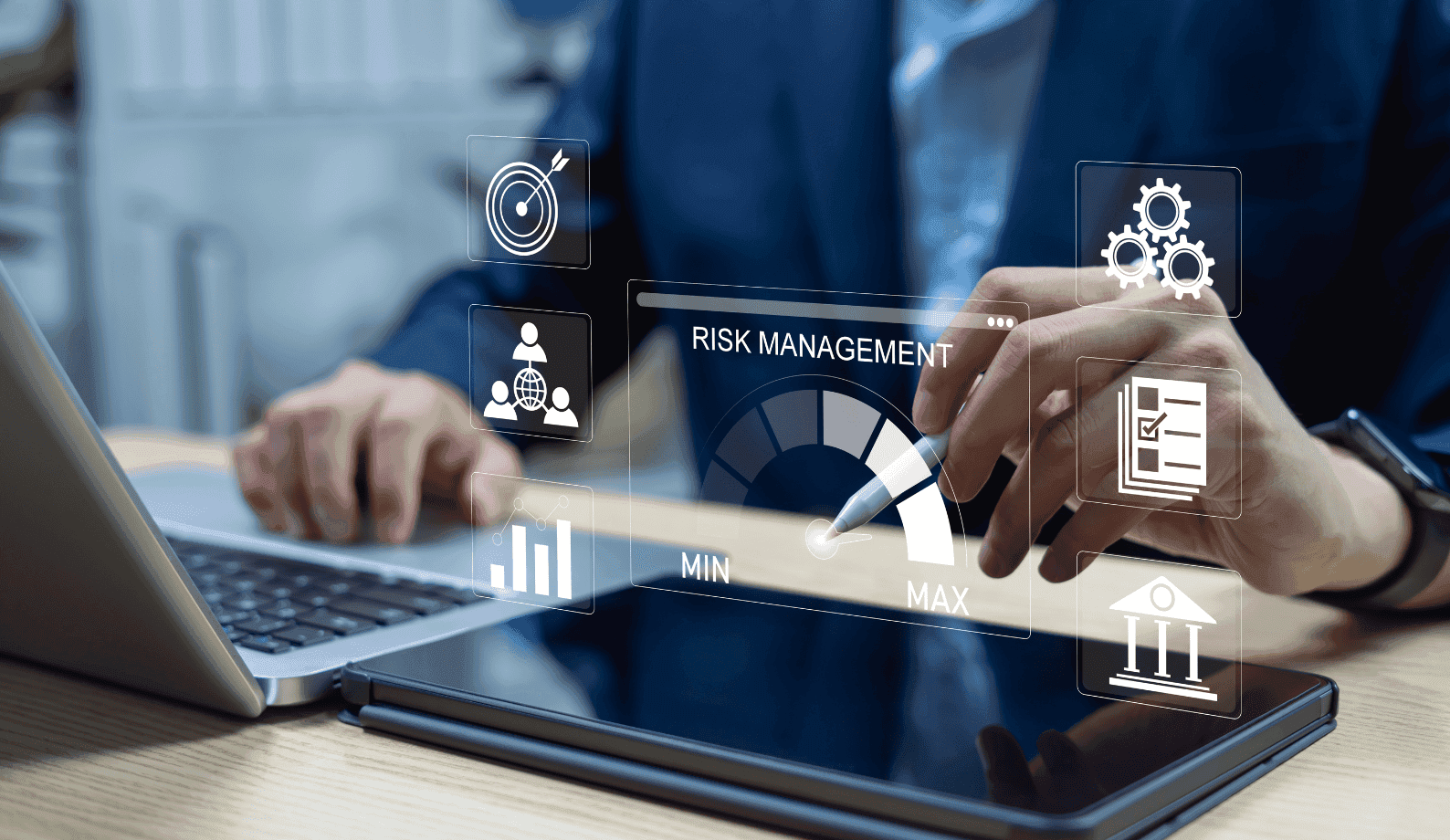
Launching a whistleblower hotline requires thoughtful planning, communication, and internal ownership.
Employees have different comfort levels when reporting concerns. Organizations should provide flexible reporting options such as:
Accessible reporting channels improve user experience and increase adoption.
Organizations should define how reports are received, categorized, investigated, and resolved. Case management workflows should include:
Employees need clear guidance about:
Providing confidential report examples or templates helps employees understand the reporting process.
Training helps employees recognize unethical behavior and use reporting channels correctly. Leadership training builds confidence and helps managers respond to reports responsibly.
Organizations should promote reporting channels through onboarding, awareness campaigns, internal communication, and policy rollouts. Consistent communication builds long-term trust.

Confidential reporting systems protect employees through privacy safeguards and structured investigation processes.
Modern confidential reporting hotlines use:
Many whistleblower protection laws require organizations to protect reporters from retaliation, respond to reports within defined timelines, and maintain confidential investigation procedures.
Anonymous reporting is widely supported by global regulatory frameworks because it increases reporting and helps organizations detect hidden risks.
Confidential reporting systems generate valuable insight that helps organizations strengthen risk management strategies.
Incident reporting data helps organizations detect recurring misconduct, compliance gaps, or workplace safety concerns across teams and locations.
Reporting analytics helps organizations update policies, improve training programs, and address root causes instead of reacting to isolated incidents.
Security risk assessment software and reporting platforms help leadership teams monitor organizational risk, improve compliance programs, and support proactive decision-making.
Whistleblowing channels aren’t only compliance tools. They shape workplace culture and employee trust.
Organizations that invest in confidential reporting systems often build workplaces where employees feel safe sharing concerns, raising ideas, and challenging unethical behavior.
FaceUp helps organizations create secure whistleblowing channels that support confidential reporting, anonymous reporting, and structured case management workflows. The platform supports global whistleblower protection laws, flexible reporting options, and safe follow-up communication that helps organizations take responsible action.
Organizations that prioritize transparent reporting build safer, more resilient workplaces where employees trust leadership and feel confident speaking up.
Book a demo and see how FaceUp helps turn employee concerns into meaningful action while building a safer, more transparent workplace.
Keep Reading
Alaa El-Shaarawi2026-10-0510 min
Legal & Compliance
Alaa El-Shaarawi2026-10-028 min
Legal & Compliance
Alaa El-Shaarawi2026-09-249 min
Legal & Compliance
Alaa El-Shaarawi2026-09-095 min
Legal & Compliance